Ad

Student wellbeing: ‘I need to spend eighty hours a week on my studies, which is surely bizarre!’

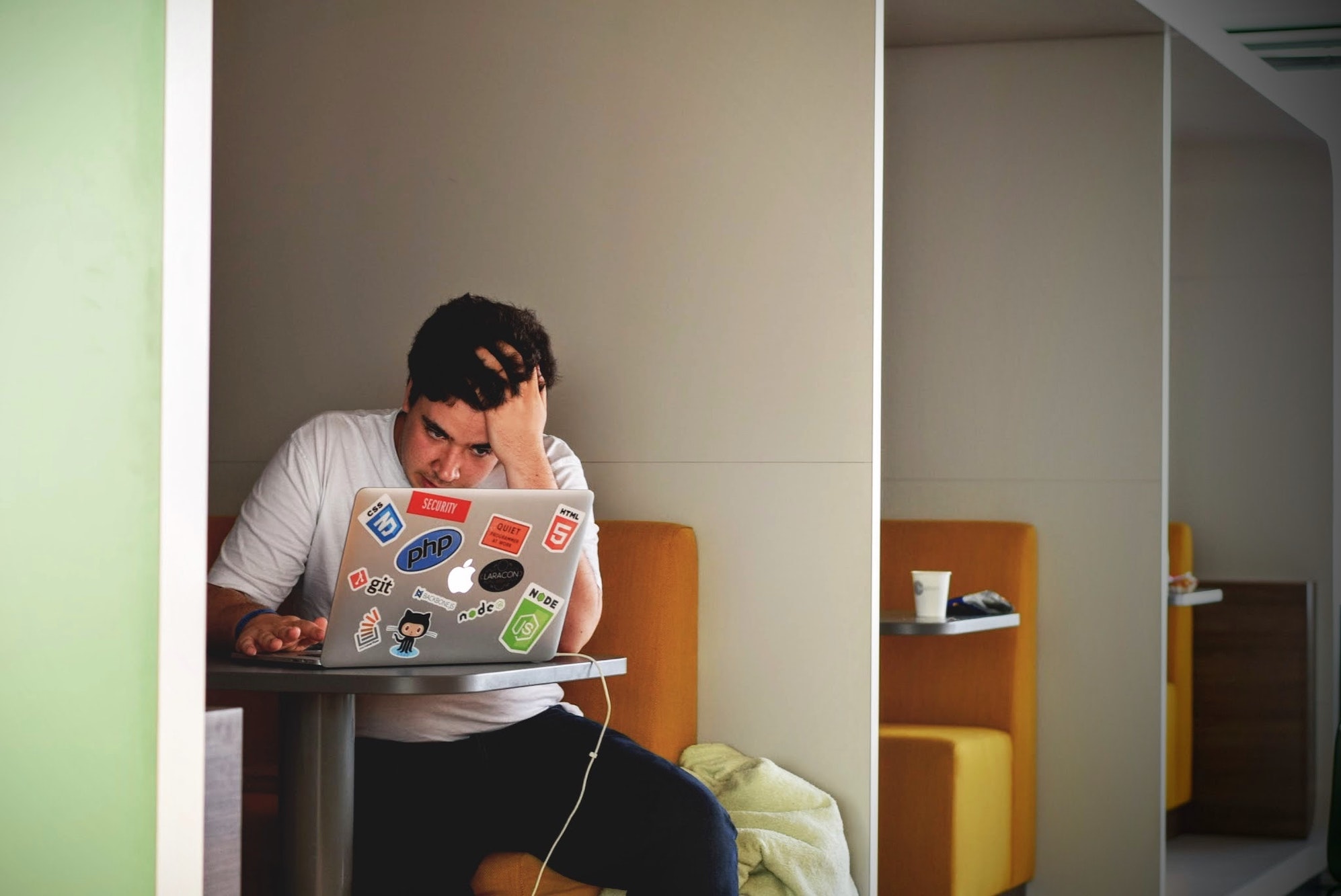
EUR students are not doing well in terms of mental health. That was the conclusion of both programme leader for student well-being, Rianne van der Zanden, and student psychologist Marit Spillenaar Bilgen. Spillenaar Bilgen treats EUR students with study-related problems. “We see a lot of performance anxiety, motivation problems and melancholy.”
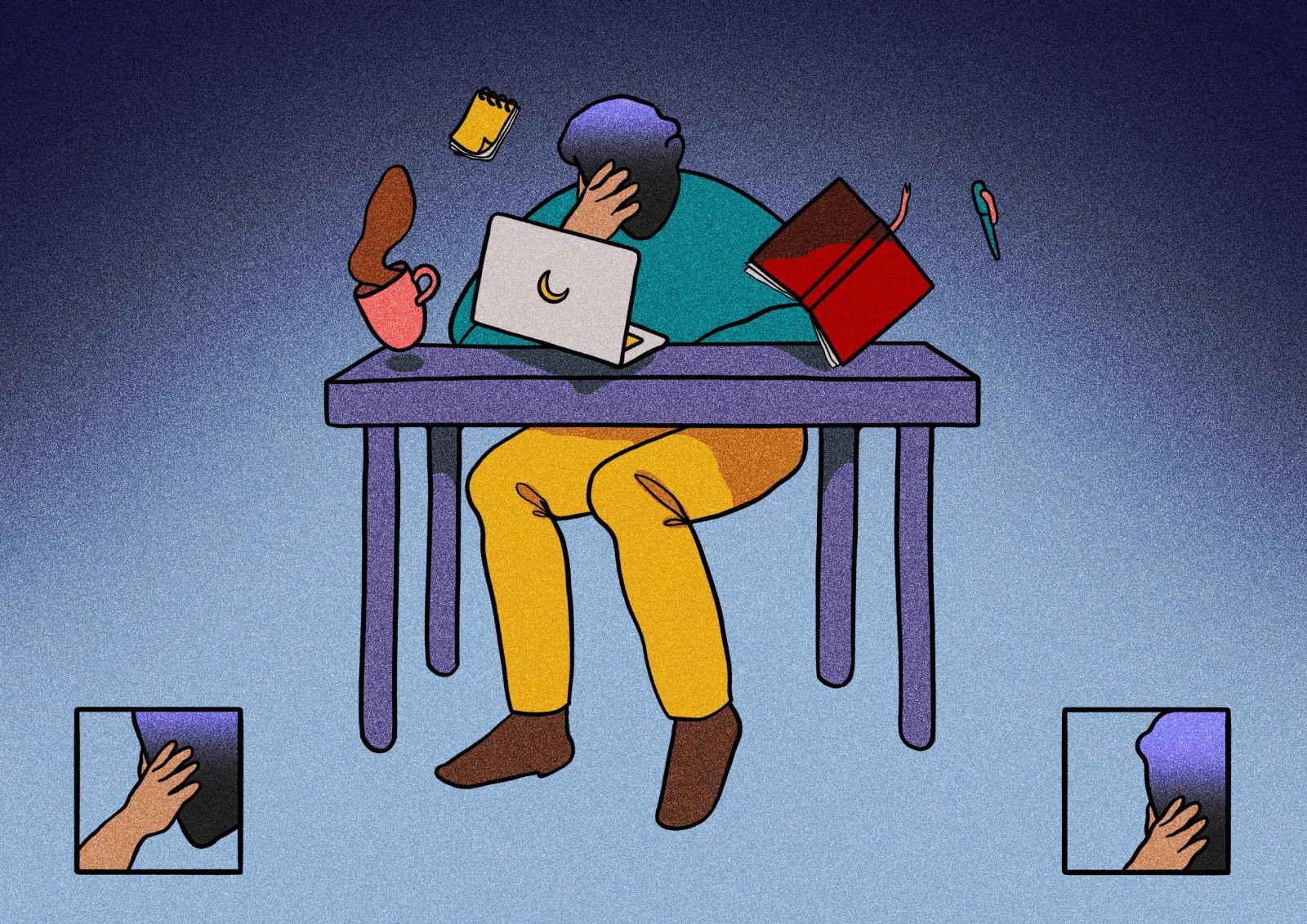
Image by: Honey Simatupang
Iris is studying Econometrics and Economics, a double degree programme. It is a tough course, she says. “Before I started, I saw the curriculum. It involved slightly more work than an ordinary degree, but it’s obviously a double degree so that was logical. But in my third year, the programme changed out of nowhere. Suddenly I needed to get twenty credits in one block, which means spending eighty hours a week on my studies. Which is surely bizarre!” She went to talk to her faculty about it but unfortunately, they couldn’t help. “They tell me: ‘sorry, it’s just how the programme is organised,’” she says.
‘In my third year, suddenly I needed to get twenty credits in one block, which means spending eighty hours a week on my studies’
This high workload is a source of stress for Iris, and she’s certainly not the only one. Student psychologist Spillenaar Bilgen says that many students come to her suffering from study-related stress. “I see many students with stress problems due to the pressure to perform that they experience. Many students also have long-term and complex issues like mood problems, depression, anxiety and loneliness. We then refer them on for appropriate treatment.”

Image by: Honey Simatupang
Well-being programmes
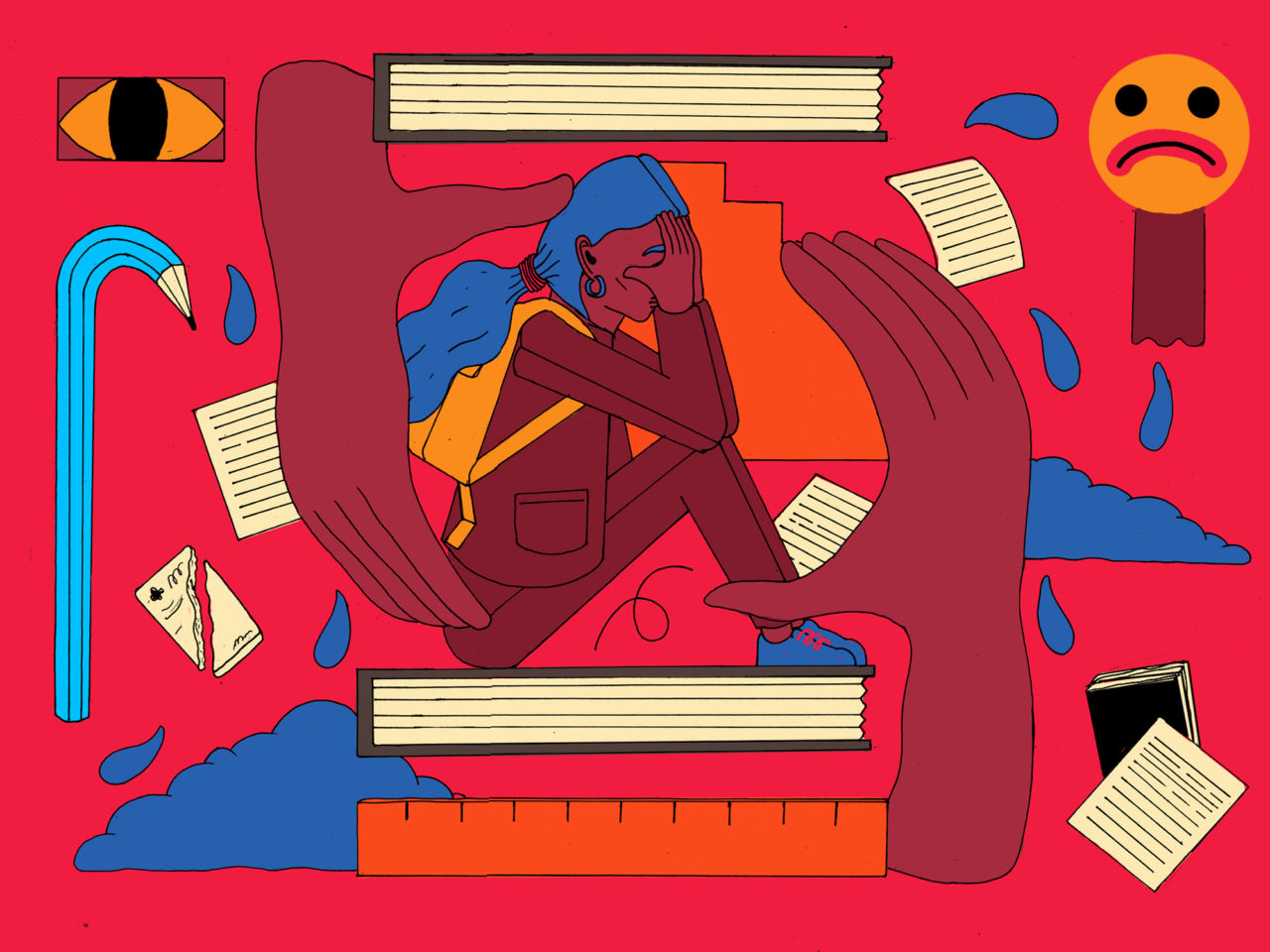
The latest student well-being monitor shows that things are not going well for a large group of students. Around 70 percent are experiencing an above-average level of stress and anxiety and nearly half feel depressed and very lonely. Study stress is the most commonly mentioned cause. Students also mention personal problems, daily commitments and worries about their financial future as the cause.
Read more
-
Student Wellbeing Monitor: EUR students on the edge of depression and burnout
Gepubliceerd op:-
Mental health
-
“Over the past two years, we have seen increasing numbers of students seeking help,” Van der Zanden says. “This result again highlights how important it is that the university considers the well-being of students, among others by setting up the student well-being programme. Wherever possible, we want to remove the pressure from students. Obviously, the university can’t remove everything. The student loan system causes a lot of stress among students, for example. But EUR can organise the exam timetable so that students can take a breather in between exams, for example.”
The Living Room
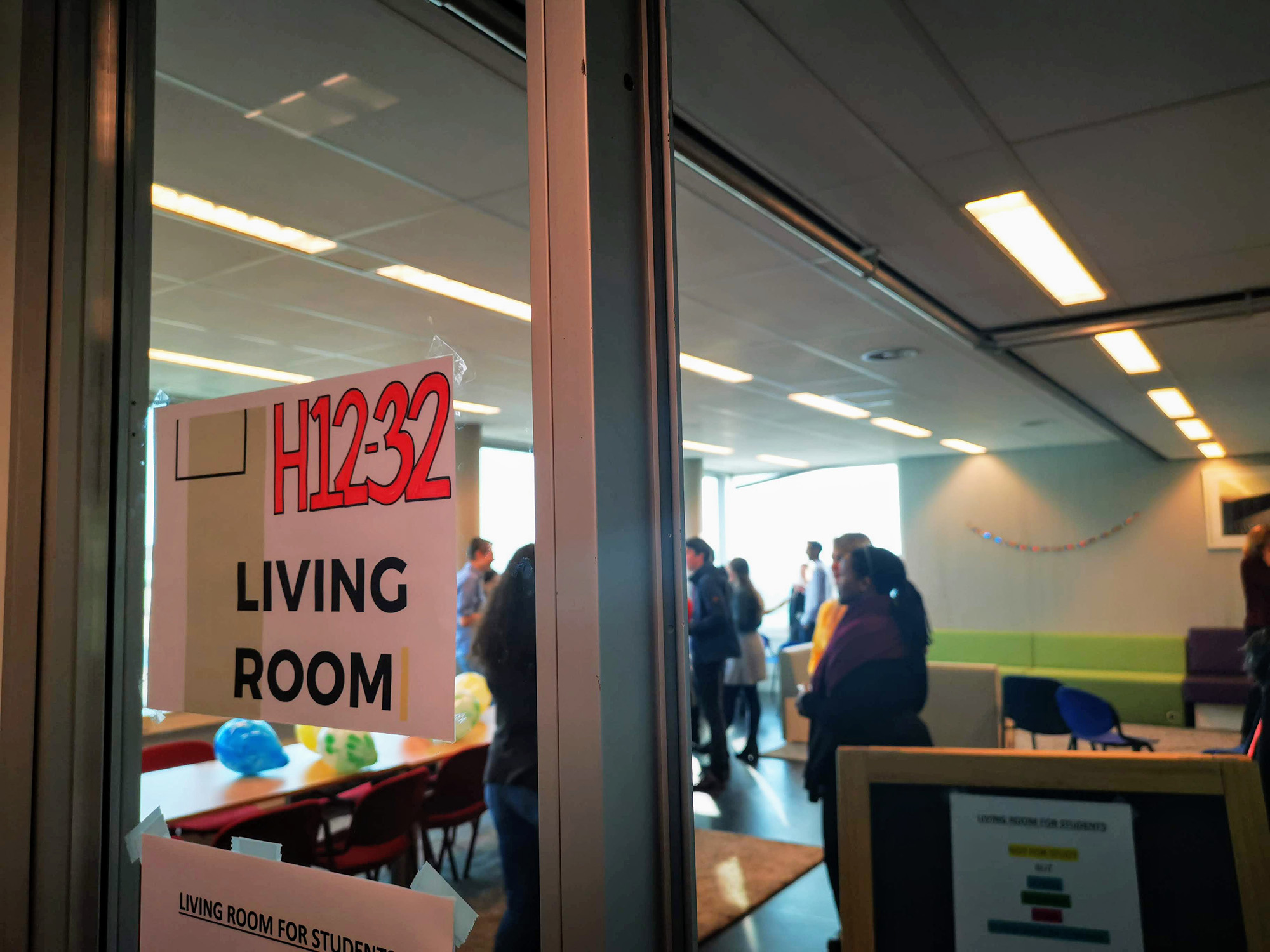
EUR offers various facilities to support student well-being, like the Living Room. “This is an informal, non-commercial place where students can socialise and relax,” says Van der Zanden. Due to the closure of the Tinbergen building, the Living Room has moved to a temporary location on the Erasmus Plaza. “As of today, it is open again, and all students are welcome to come and enjoy some table football, snooker or other games, or just relax on a sofa. The student board plans to organise inspiring workshops and discussions there about personal development and well-being,” says Van der Zanden.
Read more
-
New living room offers ‘first aid’ for stressed-out students
Gepubliceerd op:-
Campus
-
At the start of the pandemic, EUR launched the online well-being platform Are you OK out there? Here you could find an overview of workshops, activities and information about student psychologists. However, students did not feel it was easy enough to navigate. Van der Zanden and her team are therefore working on a new overview of the support offered at EUR. This overview will be published on the well-being platform in April.
Video and app
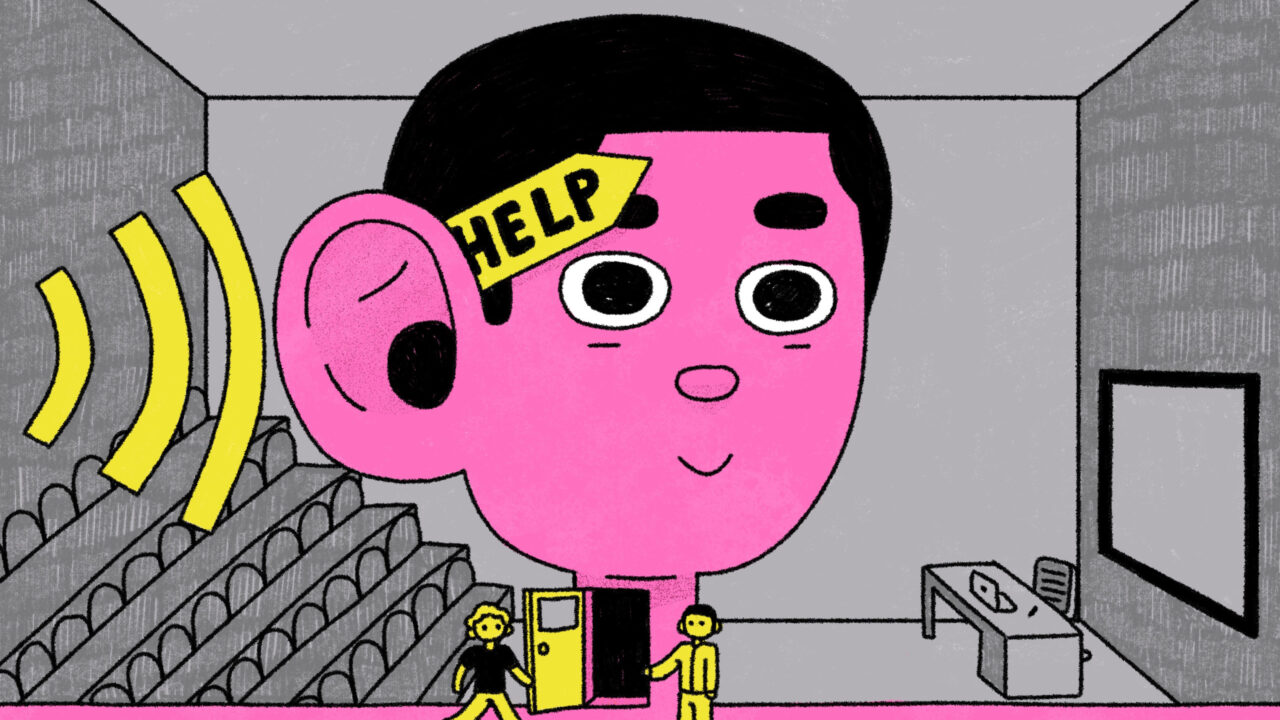
Van der Zanden and her team are working to ensure that student well-being and personal development become a normal part of the education. To promote this, the team has, for example, developed an animation video telling students where they can go. The 90-second animation ends with a QR-code to the well-being platform. “We ask lecturers to show the video at the start of a lecture block, in the lecture hall. So students will see it at least three times a year before the lecture,” says Van der Zanden.
Read more
-
Rector: ‘Excessive performance culture at the EUR has to change’
Gepubliceerd op:-
Mental health
-
A well-being app is also being developed. “This is an interactive app for daily use. Everything in it is scientifically based and developed together with EUR students,” Van der Zanden explains. “We expect to be able to use this app in the course of 2023.” To reduce the development costs, EUR is working with several universities like VU Amsterdam, Leiden University, Maastricht University and Utrecht University. “Once the app is ready, all the students from those universities can use it too.”
Seeking help
More on student mental health
- Study-related stress: ‘The university should pay more attention to this issue’
- A cry for help in an open letter from MISOC students about study workload
- ‘Students with student loans suffer greater anxiety and pressure to perform’
- ‘We want to remove the sources of stress wherever possible’
On four days a week, students can visit the consultation hours of student psychologists for quick advice. The university aims for a period of 20 working days as maximum waiting time for an intake interview. The wait is currently five weeks. EUR also offers online coaching, which students can access within five days. According to Van der Zanden, the coaches can also help the student psychologists. “And students indicate that they are satisfied with this coaching and that it really helps,” says Van der Zanden.
What else can students do against stress? Spillenaar Bilgen: “Talk about your problems to people around you, like fellow students, family and friends. You can also analyse things that trigger stress for you. This can help you find a solution to make managing stress easier.”
Update 10 March: An earlier version of this article mistakenly stated that the maximum waiting time for an intake interview was 6 weeks. This is incorrect.
De redactie
-
 Feba Sukmana
Editor
Latest news
-
Erasmus Building gallery expanded with 48 portraits of female professors
Gepubliceerd op:-
Diversity
-
-

‘If anyone should be thinking about the effects of AI on society, it is scientists’
Gepubliceerd op:-
Artificial Intelligence
-
Science
-



Comments
Comments are closed.
Ad
Read more in Mental health
-
Jasper has lost his carefree outlook since the attack on Erasmus MC, but the experience will make him a better doctor
Gepubliceerd op:-
Mental health
-
-

A quarter of academics suffer from symptoms of depression or anxiety, particularly young researchers
Gepubliceerd op:-
Mental health
-
Staff
-
-
With these five tips, you as a lecturer can immediately improve your students’ mental wellbeing
Gepubliceerd op:-
Mental health
-