Ad

Experts assess risk of violence from Fouad L. to be higher

The Pieter Baan Centre considers the risk of violence by Fouad L. to be higher than previously assessed. This became clear on Thursday afternoon during the appeal hearing. The experts recommend transferring him to a different wing of the prison.
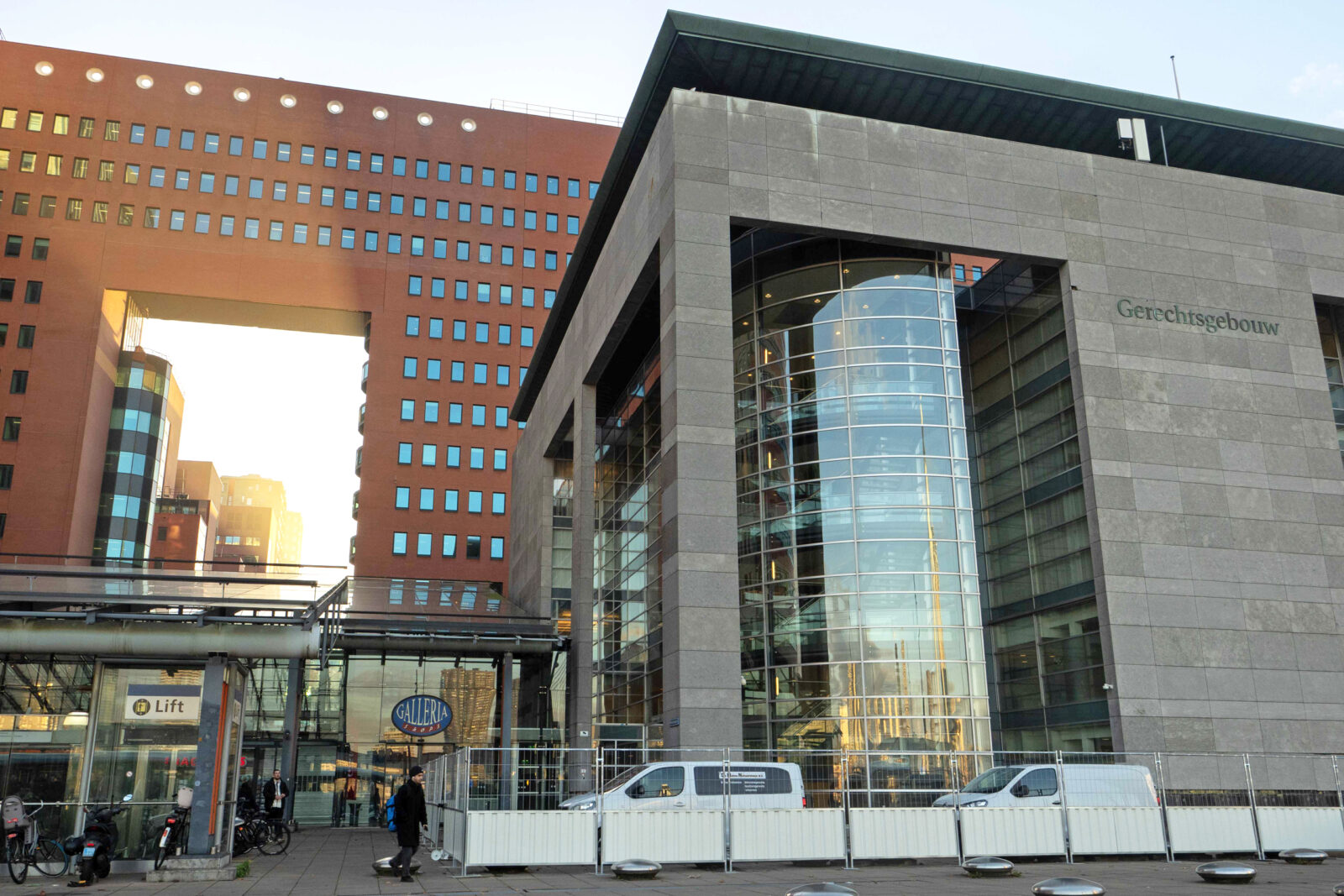
Image by: Tessa Hofland
Researchers at the Pieter Baan Centre have raised the short-term risk of violence posed by Fouad L. to ‘high’. They recommend transferring him to another unit for closer monitoring. “He needs to be watched more closely because of a potential danger”, the judge read from the report. Fouad L. told the researchers that he had violent thoughts after a confrontation with a librarian at the prison in Vught. He had been in the kitchen and, while holding a knife, had thought: this could be used.
The researchers were shocked by these violent thoughts, the psychiatrist from the Pieter Baan Centre said. “I saw it that way too: this is how he is. In a situation where he thinks he is doing the right thing but is corrected, he feels trapped. He feels so wronged that, as at Erasmus MC, it triggers violent thoughts. That shocked us. There was nothing in our first reporting period of eleven weeks that brought these kinds of aspects to light.”
Diminished responsibility
Following a new assessment, the Pieter Baan Centre has reached the same conclusion as at the original trial: Fouad L. had diminished responsibility at the time of the murders and attack. The psychiatrist attributes this to L.’s autism and his complete inability to cope with severe stress.
“He struggles to take a step back and look at himself”, the psychiatrist said of the setbacks L. experienced and which he felt were not his fault. “They happen to him. And, very strikingly, the anger does not fade. It basically stays with him.”
L. says he did not commit his acts of his own free will. He says a voice in his head, which he calls ‘Partitie’, forced him to do so. The psychiatrist was clear about this: “It is simply a part of himself.”
Risk of reoffending
L.’s autism spectrum disorder cannot be cured, the psychiatrist said. But the circumstances can be improved with proper treatment and support. This could also reduce the risk of reoffending. “Yes, but only after very long-term therapy.”
The appeal against Fouad L. began on Thursday. The former medical student was convicted last year of murdering his neighbour Marlous, his young neighbour Romy and Erasmus MC lecturer Jurgen Damen, as well as arson, making threats and possessing a firearm. He was sentenced to life in prison.
Appeal
Both L. and the Public Prosecution Service appealed against the sentence. The case centres mainly on the question of the extent to which he was criminally responsible.
Earlier on Thursday, L. faced many questions from the judges and the advocate general. He feels he was ‘treated cruelly’, and believes he could simply have become a doctor.
Later, when he was allowed to ask a question of the psychiatrist who examined him, he asked: “What do you think of the way Erasmus MC dealt with my autism symptoms?” The judge interrupted him, saying that was not what this question-and-answer session was for.
The case continues next week. Among those due to speak are relatives of the victims and victims themselves. The verdict is expected no earlier than mid-December.
Een lijst met artikelen
-

Appeal commences: Fouad L. believes he was ‘destroyed by lecturers’
Gepubliceerd op:-
In court
-
Comments
Ad
Read more in In court
-
Appeal commences: Fouad L. believes he was ‘destroyed by lecturers’
Gepubliceerd op:-
In court
-
-

Fouad L. back in court on appeal. This is what the case is about
Gepubliceerd op:-
In court
-
-
Students are often treated leniently by judges, researchers say
Gepubliceerd op:-
In court
-


Leave a comment