Ad

A quarter of academics suffer from symptoms of depression or anxiety, particularly young researchers

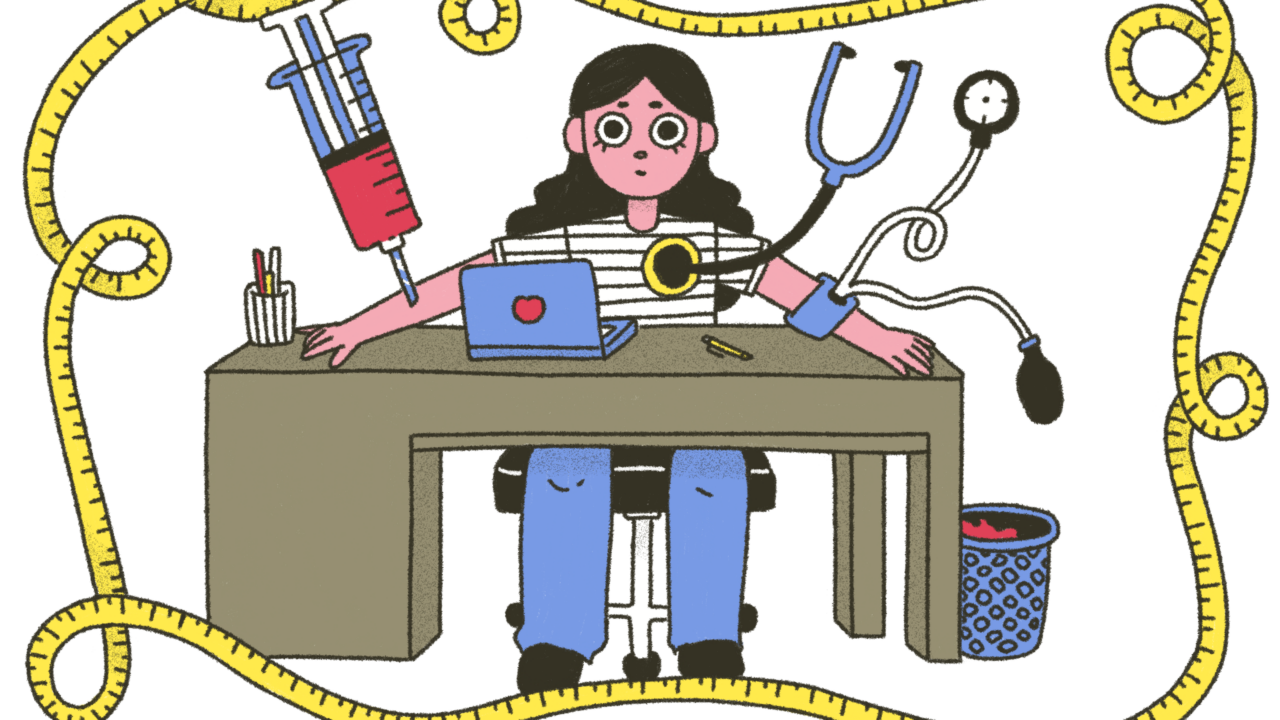
A quarter of scientists in the Netherlands experience symptoms of depression and/or anxiety, according to research by De Jonge Akademie. “We have created a culture of hyper-competition within the scientific community”, says psychiatrist and researcher Joeri Tijdink.

Image by: Ami Rinn
Nearly two thousand academics, ranging from PhD students to professors, anonymously completed a questionnaire set by De Jonge Akademie, an association of relatively young leading scientists. The results show that many scientists suffer from mental health issues. According to De Jonge Akademie, this is linked to social insecurity, pressure to publish and fixed-term contracts.
Around 25 per cent of those surveyed suffer from moderate to severe depressive symptoms. Almost as many researchers reported symptoms of anxiety. This does not mean that they have depression or an anxiety disorder. However, they do experience, for example, low mood, insomnia, tension or excessive worrying.
“We already knew that the mental health of academics, particularly PhD students, is under pressure”, says Joeri Tijdink, a psychiatrist and researcher at AmsterdamUMC. Tijdink is also one of the authors of the report. “But postdocs and lecturers also appear to be vulnerable.”
Een lijst met artikelen
-
More than half of staff experience work-related stress
Gepubliceerd op:-
Campus
-
Why are young researchers particularly vulnerable?
“The academic world has a strict hierarchy. This creates a competitive culture. Moreover, there is only a limited amount of research funding available, which further intensifies that competition. In addition, there is a great deal of uncertainty amongst young researchers due to fixed-term contracts. It is not uncommon for postdocs to have several fixed-term contracts in succession. This causes uncertainty and anxiety.”
You write that there are also significant differences between researchers who grew up in the Netherlands and those who didn’t.
“That’s right. Foreign researchers experience more mental health issues and derive less job satisfaction from their work. This may be due to a lack of a social network. We see that a social network can contribute to mental health. It is often more difficult for foreign researchers to build such a network: family do not live nearby, and making new friends can also be challenging.”
Do we also see differences between men and women?
“We had expected as much. In the general population, symptoms such as anxiety and depression are more common in women than in men. Among the respondents, women reported symptoms of anxiety more frequently.”
“But, interestingly, we saw no difference between men and women when it came to depressive symptoms: they reported these with equal frequency. We do not yet have an explanation for this. We would need to investigate this further.”
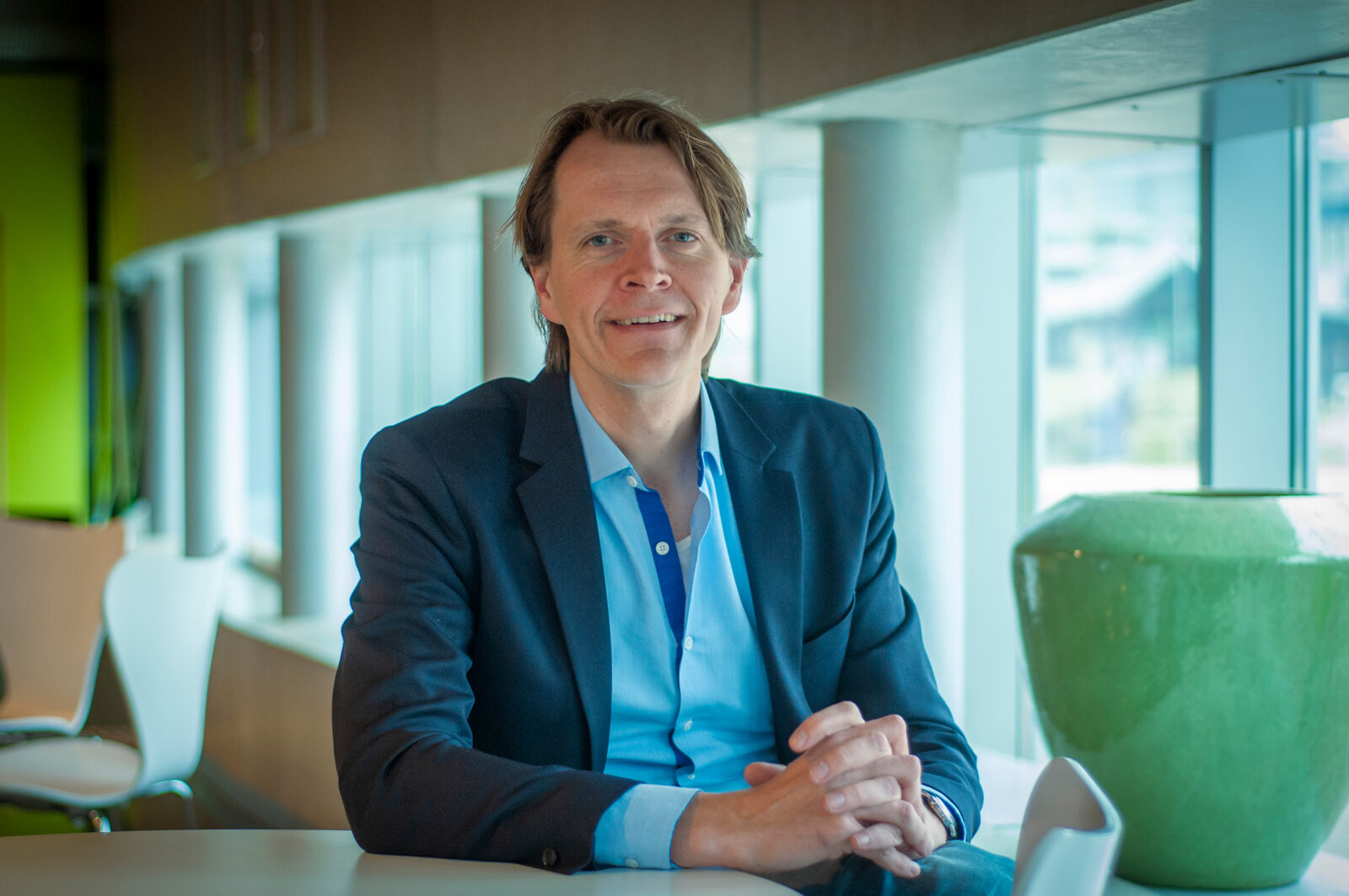
Psychiatrist and researcher Joeri Tijdink researched the mental health of academics.
There has been talk for some time now about mental health issues amongst scientists. What makes this problem so persistent?
“It has to do with the research climate. We have created a culture of hyper-competition within the scientific community. In such an environment, you quickly end up working excessive hours, especially when your manager or supervisor does the same. It then soon comes to be seen as the norm.”
In the survey, De Jonge Akademie put forward the statement: ‘I feel pressured to work longer than my regular hours.’ More than half of the researchers agreed with this.
Despite stress and mental health issues, scientists experience a relatively high level of job satisfaction. How do you explain that?
“This tension was one of the reasons for launching the study. We know there is a great deal of stress and pressure, but at the same time, many scientists find working in academia incredibly enjoyable and rewarding. How can these two things be reconciled?”
“Many researchers regard their work as a passion: more than half describe it as the best job in the world. They feel they are contributing to solving societal problems. That makes their work meaningful and inspiring.”
What needs to change to really tackle these problems?
“You can always say: more money needs to go to science. But it’s a myth that more money will solve all the problems. There are other factors that can make a difference too. For example, ensure a safe and pleasant research culture and invest in good leadership.”
“A strong social network is linked to fewer mental health issues. Institutions can help by encouraging social activities or ensuring that researchers do not work excessive hours. This is particularly important for international researchers, so that they can settle in properly here.”
And what about young academics?
“There need to be more stable positions. Early in their careers, academics often experience a great deal of uncertainty. If we can offer more permanent contracts, this may have a positive effect on their mental health.”
“And we also need to talk more about job satisfaction. We often discuss how demanding an academic career is, but less about what makes people happy in their work. Of course, there is a problem. But it’s also wonderful to work in science; there is so much beauty in it. And we should focus more on that.”
De redactie
Comments
Comments are closed.
Ad
Read more in Staff
-
University receives four warnings from Labour Inspectorate
Gepubliceerd op:-
Staff
-
-

Data of 22 EUR travellers leaked through bookings made via DGI Travel
Gepubliceerd op:-
Staff
-