Ad

Clubs closing, expensive drinks and dancing with a matcha. How Rotterdam’s nightlife is changing
Are students still dancing? Clubs are closing, going out is becoming increasingly expensive and students seem to be drinking less. In a series of stories, EM explores how Rotterdam's nightlife is changing.

Weekly visits to pubs, clubs and house parties have halved. One club after another is closing its doors in Rotterdam. Are students still going out? Or is nightlife disappearing? No, say experts: the boundaries of nightlife are fading.
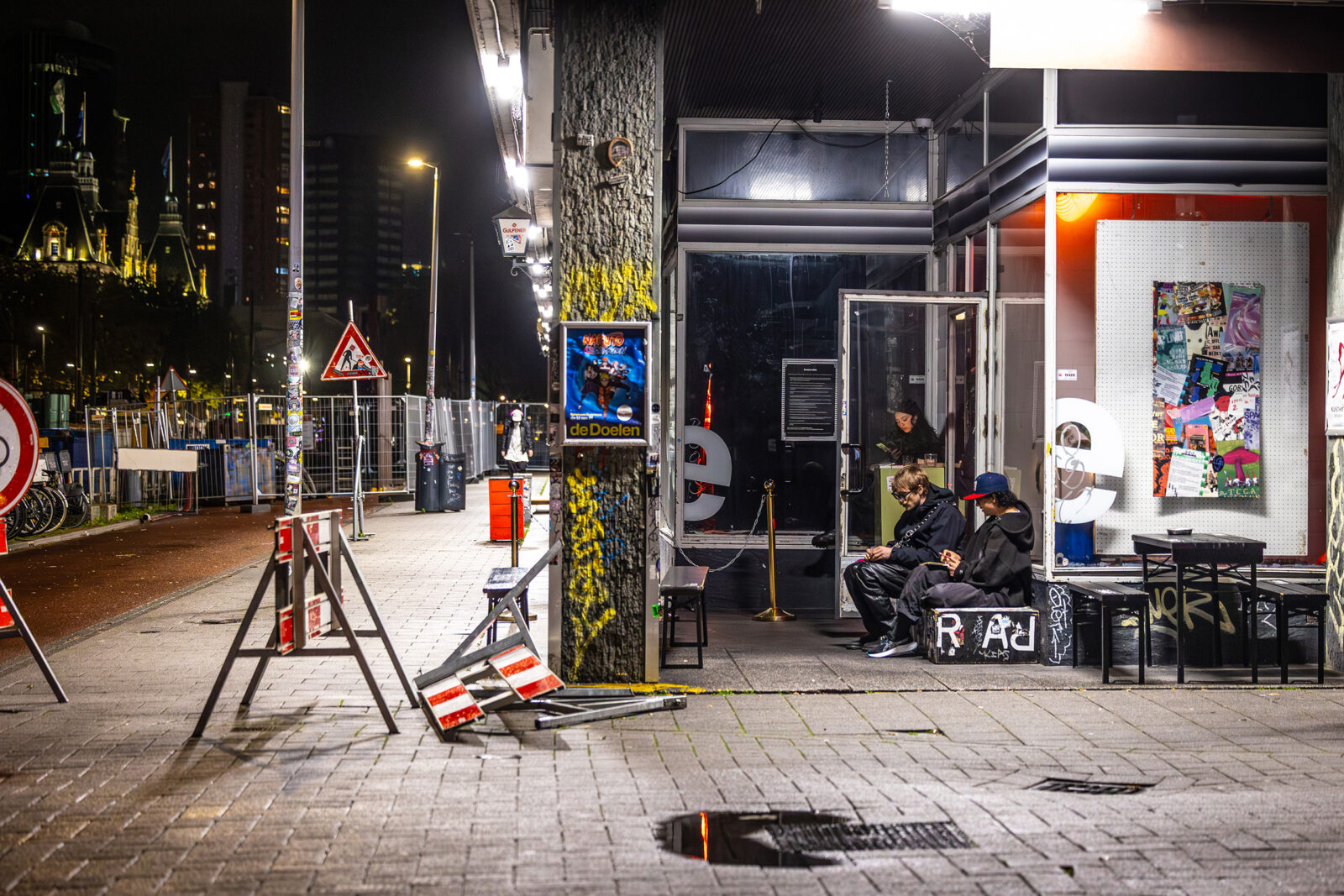
Image by: Pien Düthmann
Pilar is on a journey of discovery. She has just moved to Rotterdam, is studying Economics and is going out to get to know the city. “I dance, I meet new people: these experiences keep me going.” The 18-year-old Spaniard enjoys the friends she meets on the dance floor. Every Tuesday, you’ll find her at ESN Tuesdays, and at weekends she goes to Villa Thalia or Now & Wow. She doesn’t drink, she doesn’t need to in order to let loose. And it makes her 9 am classes more bearable: “If you really want to, you can just go out until 4 am and study the next day.”
In this series, freelance journalist Giselle Maria Timmers and photographer Pien Düthmann examine the state of Rotterdam’s nightlife. To what extent are students still dancing? Is it true that people are drinking less? And how can nightlife be made safer?
Pilar seems undaunted, but do young students still go out that much? The pandemic has left its mark. A generation of students missed out on years in which they could learn how to go out. The hospitality sector is struggling with debt, and popular clubs such as 160k, Superdisco and Perron have recently closed their doors. Then there is competition from smartphones: young people meet online and no longer need to go out to fall in love.
Was it really so different ten years ago? Three people who experienced it and who are still closely involved in nightlife talk about how the night has changed: night mayor Thys Boer, PRO city councillor Josephine Baán, and Thom van Zanten, co-owner of Thoms bar, where, if you’re lucky, you can also dance.
Has going out halved?
The Trimbos Institute concluded in 2023 that weekly visits to pubs, clubs and house parties had halved. Only 13 per cent of people who go out now visit a club every week. This year, Statistics Netherlands (CBS) concluded that students are staying with their parents for longer. More than 40 per cent of students live at home for the duration of their studies, making it less easy for them to get involved in nightlife. The number of venues also seems to have shrunk: twenty years ago, Rotterdam had four times as many nightclubs. There are now only ten.
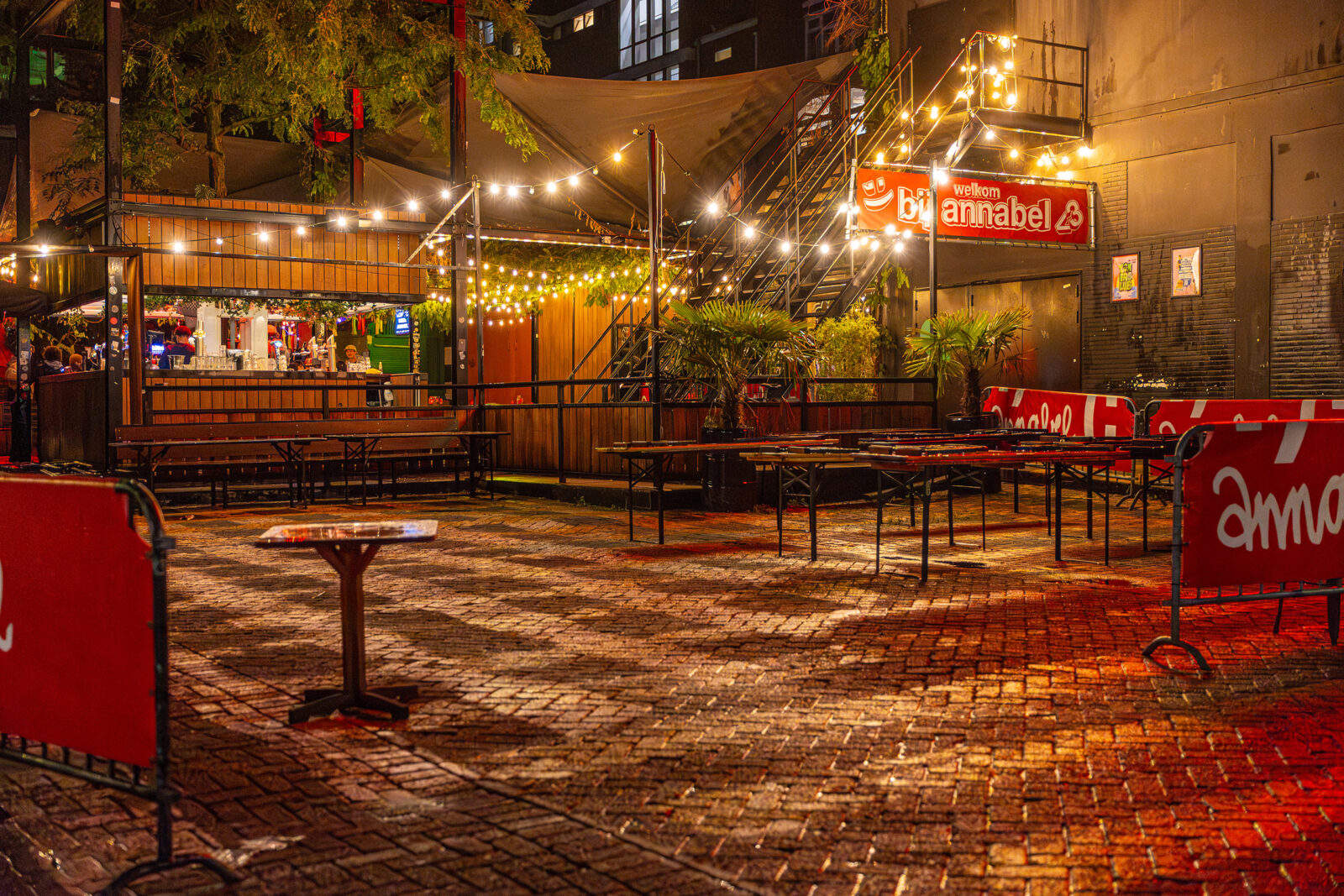
Image by: Pien Düthmann
According to night mayor Thys Boer, this is no reason to think that club culture is disappearing. Together with the N8W8 advisory council, he advocates for a livelier nightlife in Rotterdam by acting as a bridge between residents, the council and business owners. The impression that nightlife is dying out is nonsense, he thinks. Although the figures show a statistical decline in the number of people going out, he still sees plenty of people at night: “The number of visitors to nightlife has simply stayed the same, as you can also see from the night bus figures.” The bus routes that run all night at weekends are used just as much as they were before the coronavirus pandemic.
'The cost of a night out has risen more than people's disposable income. Young people have no money!'
Fewer Thursday nights out
The core of nightlife is shifting more towards the weekend. When Boer started studying just over ten years ago, Thursday nights were buzzing and felt like a night for students. That’s no longer the case in many parts of the city. Thom van Zanten has noticed the same at his bar, Thoms: “We’ve often tried to get things going on Thursdays, but have never really managed it. Thursdays are fun, but Friday and Saturday are still the nights people go out.”
Boer says: “The big difference from ten years ago isn’t the number of people walking around outside. I still see students in clubs. I see them working, going out, and in all sorts of roles.” But he sees there are now major challenges: “The big difference is that the cost of a night out has risen more than people’s disposable income. Young people have no money!”
Cutting back on going out
Young people in particular are struggling with money worries. According to a recent study by Nibud, the number of people aged between 18 and 30 who are struggling to make ends meet has recently risen sharply, to as much as 54 per cent. This group is also more worried than average about its financial situation. When people have to cut back, they often do so on leisure spending. In other words, they cut back on going out.
Josephine Baán is a city councillor for PRO, the largest party on Rotterdam city council, and trying to advocate for nightlife. She emphasises that going out doesn’t always have to be expensive. “Take the Eendracht Festival, for example, it’s free. And there are other places where you can dance for free, but lots of people don’t know about them. I think they’re a great way to discover what Rotterdam’s nightlife has to offer, especially for students who are new to the city.”
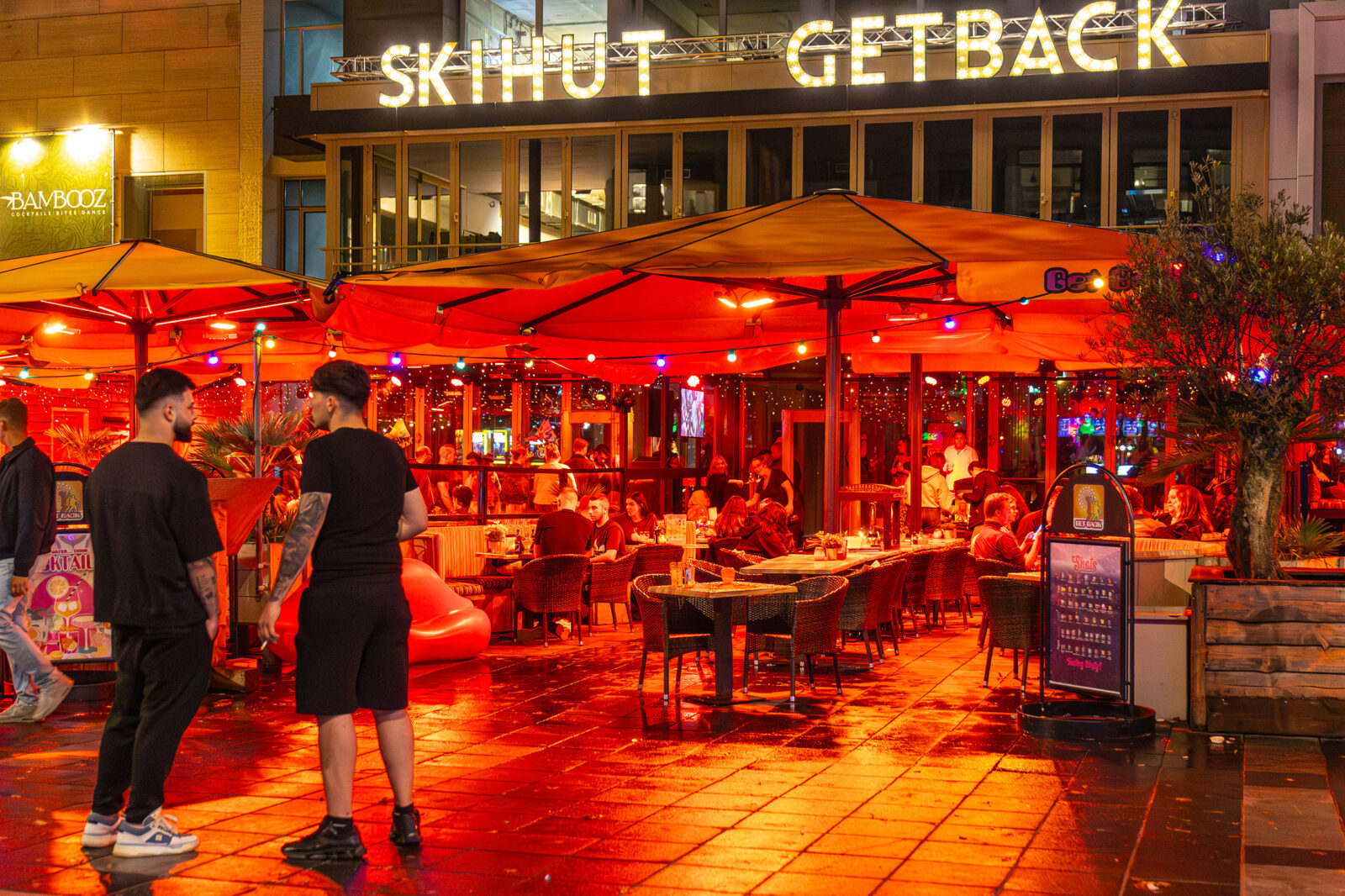
Image by: Pien Düthmann
Still, she hopes that people who can afford it will support clubs too. “At the moment, clubs are trying to keep ticket prices fairly low. But I don’t think you can always ask a club to lower its prices further, because you also want the artists who perform there to be paid well.”
Clubs have little space
Hospitality businesses are struggling with financial problems themselves as well. They received support during the pandemic, but later had to pay off substantial debts. Club 160K, its name refers to the huge coronavirus debt its owner was left with from his previous club at the same location, closed earlier this year because of financial difficulties.
But money isn’t the only challenge facing the hospitality sector. Thoms bar had to close its dance floor in its basement for almost a year when it turned out that its licence didn’t cover it. The sticking point was noise pollution. Co-owner Thom van Zanten says: “We had a major disagreement with the council. It turned out to be difficult to draw a clear line: what is and isn’t allowed? On the one hand, I understand that it’s important for the council to monitor the rules. But on the other hand, we’d been operating for ten years without any problems, so it’s a shame to be shut down.”
You can now dance at Thoms again, but the temporary closure exposes a bigger challenge: the city is getting more crowded. Construction is happening everywhere, and the little space that remains is getting more and more expensive. Nightlife businesses can’t always compete with commercial companies that want to build homes. At the same time, festivals are becoming more popular on fields where there is space.
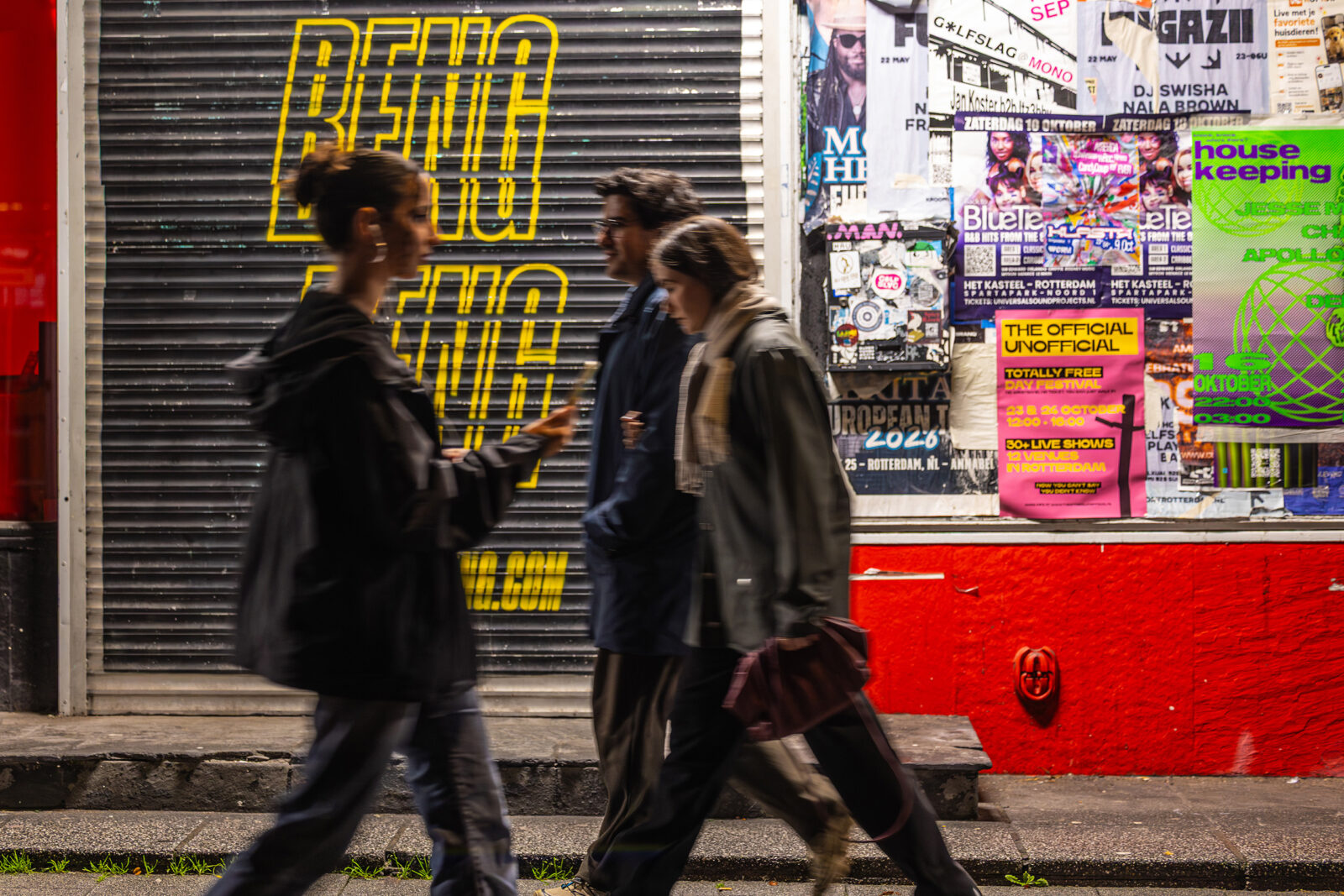
Image by: Pien Düthmann
Baán says the new coalition, which has been considerably further to the left than the one before it since the elections earlier this year, is doing its best to support nightlife. “We’re working hard to improve the relationship between the council and nightlife, and to recognise nightlife as a fully fledged part of the cultural ecosystem. We’re investing in nightlife and actively supporting the N8W8 advisory council. We’re also looking at whether more night-time or hospitality licences could be issued, including in Rotterdam South.”
Nightlife is becoming fluid
When Boer, Van Zanten and Baán, who are all around 30 years old, compare going out now with going out ten years ago, the thing that strikes them most is the much wider range of options. They knew Rotterdam’s nightlife before the Covid pandemic, but now they see more variety in programming, music genres and the intensity of the experience: from a quick, free dance to a weekend-long, immersive experience. And while some clubs are closing, others, such as Export and Shunter, are opening.
“Lately, I’ve found myself unable to choose where to go on a Saturday”, says Baán. “The diversity means we have something to offer for more people.” Boer sees that variety reflected in the growing drinks market too. “When I started going out, there were spirits, beer, wine and soft drinks. The market has changed enormously to cater for people who drink less alcohol. At a place like Export, you can drink kombucha, and there’s a whole range of low-alcohol drinks.”
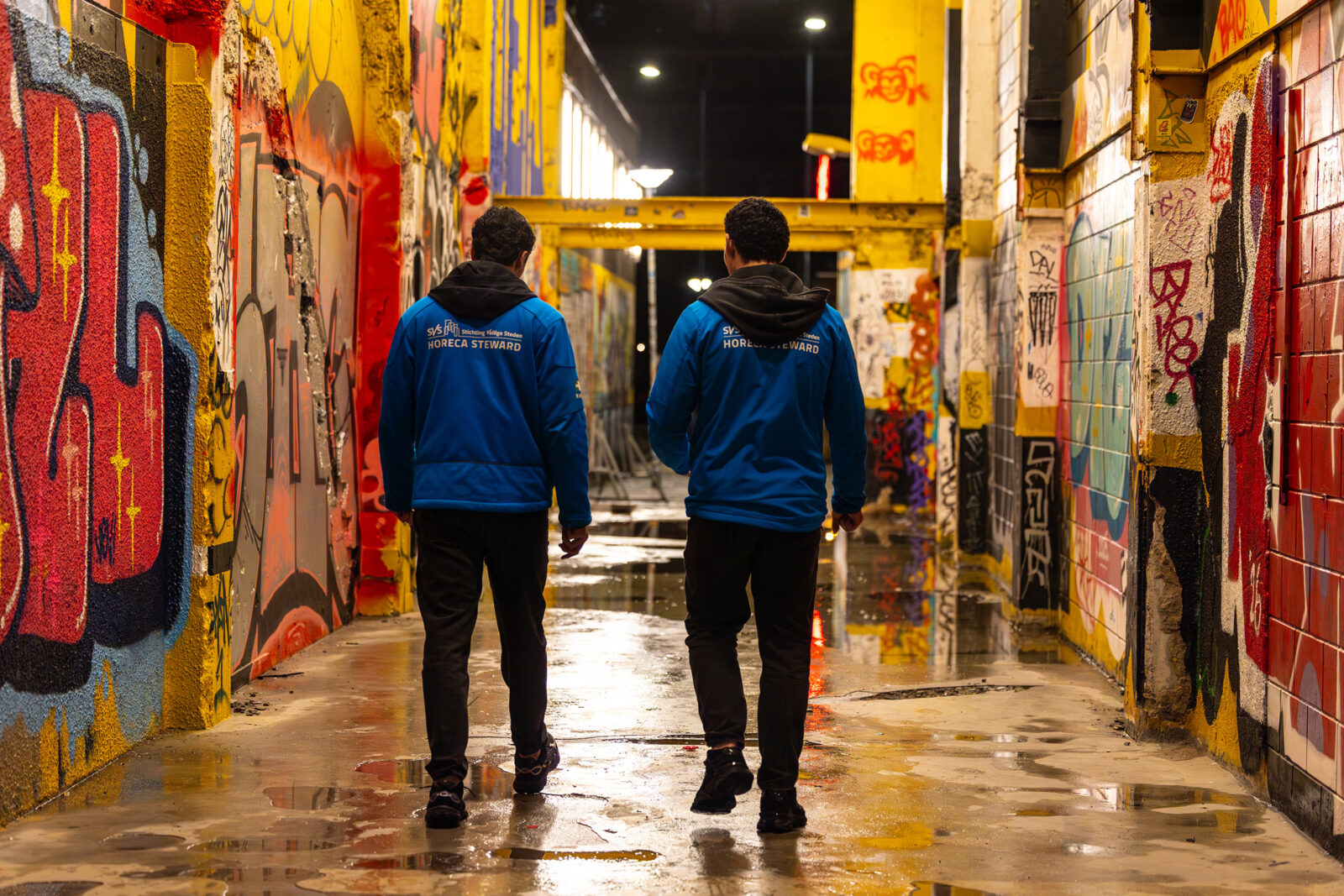
Image by: Pien Düthmann
The boundaries of going out are becoming blurred. “A nightclub is almost a thing of the past”, says Boer. “Almost every place where you can dance also has a restaurant or coffee bar, while restaurants and coffee bars can also put on a dance floor now and then. Dancing doesn’t necessarily happen at night any more. You can even do it occasionally in theatres and museums.” So figures showing that nightclubs are disappearing don’t always reflect how the places where people dance and drink are changing.
A nightclub is almost a thing of the past
One example of a new kind of night out is the listening bar, of which Rotterdam has gained three in the past year. These are places where relatively unknown music is played on high-quality speakers, and where people don’t dance. “A listening bar gives an artist or DJ the chance to play something different from what people expect to hear in a club”, says Boer.
Going out is changing: despite tough times for businesses and customers, there is still a range of options at night. Pilar advises everyone to go out and explore, especially first-year students: “Maybe you won’t like it, but if you don’t try, how can you be sure? We’re young: if you don’t experiment now, when will you?”
Een lijst met artikelen
-

The emotions of science (and scientists) are palpable during theatre performance DOPE
Gepubliceerd op:-
Culture
-
Science
-
Would you rather see EM than AI generated news in your search results? Add EM as a source in Google. Or just ignore the search engines and chatbots and use our mobile app instead.
De redactie
-
 Giselle Maria Timmers
Columnist
-
 Pien Düthmann
Photographer
Comments
Ad
Read more in Culture
-
The emotions of science (and scientists) are palpable during theatre performance DOPE
Gepubliceerd op:-
Culture
-
Science
-
-
With this theatre show, cybersecurity expert Bernold Nieuwesteeg hopes to finally wake everyone up
Gepubliceerd op:-
Artificial Intelligence
-
Culture
-
-

Art workshops and dance performances play important role during inaugural lecture The art of healing
Gepubliceerd op:-
Culture
-
Science
-


Leave a comment