Ad

Kids discover science at Maassilo

Kids got an opportunity to examine dinosaur bones up close and determine the species for themselves. And it wasn’t just replicas: they could actually marvel at real prehistoric examples from the collection of the Naturalis Biodiversity Centre.
Image by: Aysha Gasanova
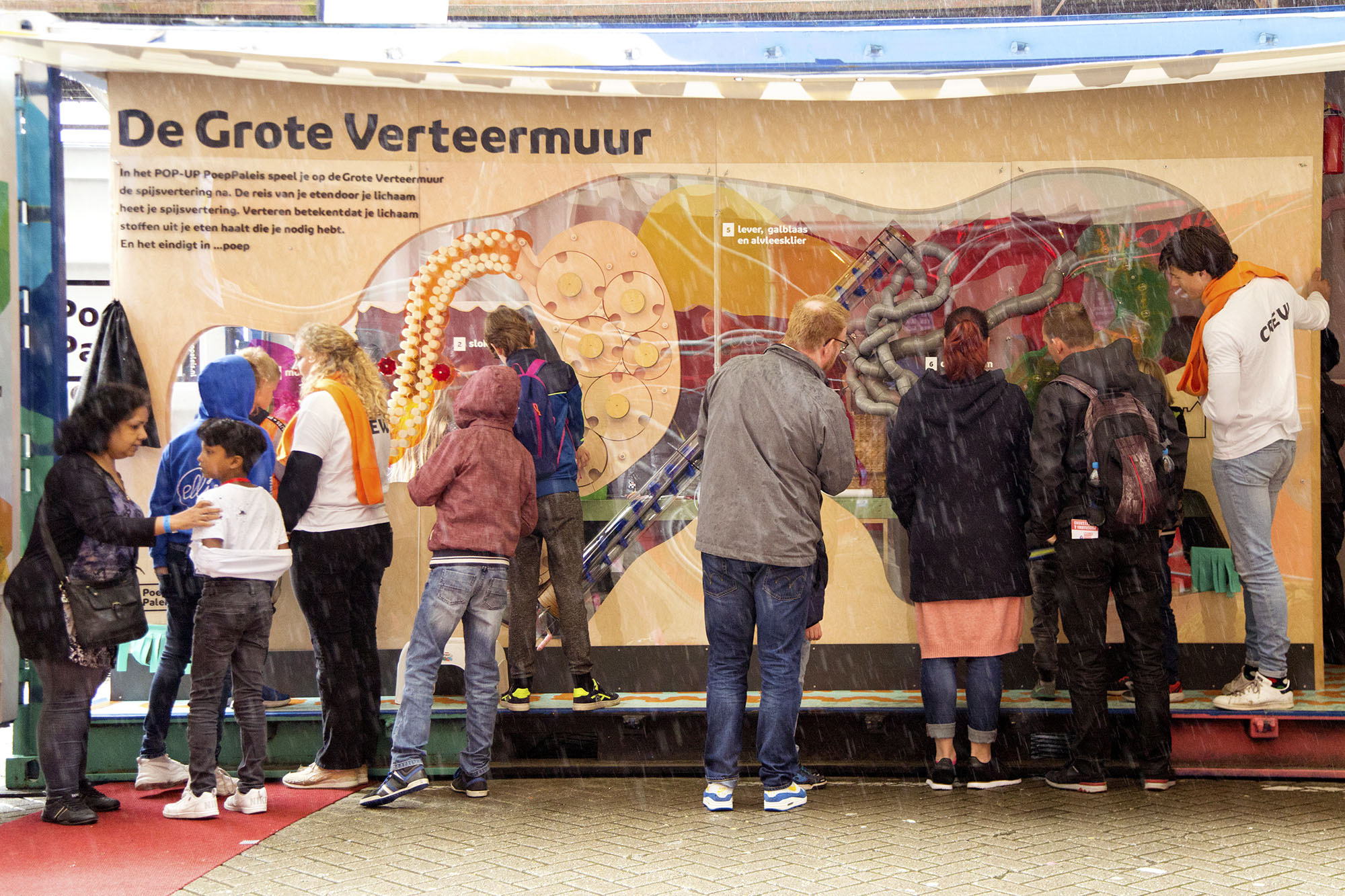
Children (and their parents, of course) could learn all sorts of interesting facts about food digestion by moving items around in the Great Wall of Digestion. And they could even manufacture a ‘glitter turd’ in the POP-UP Poop Palace.
Image by: Aysha Gasanova
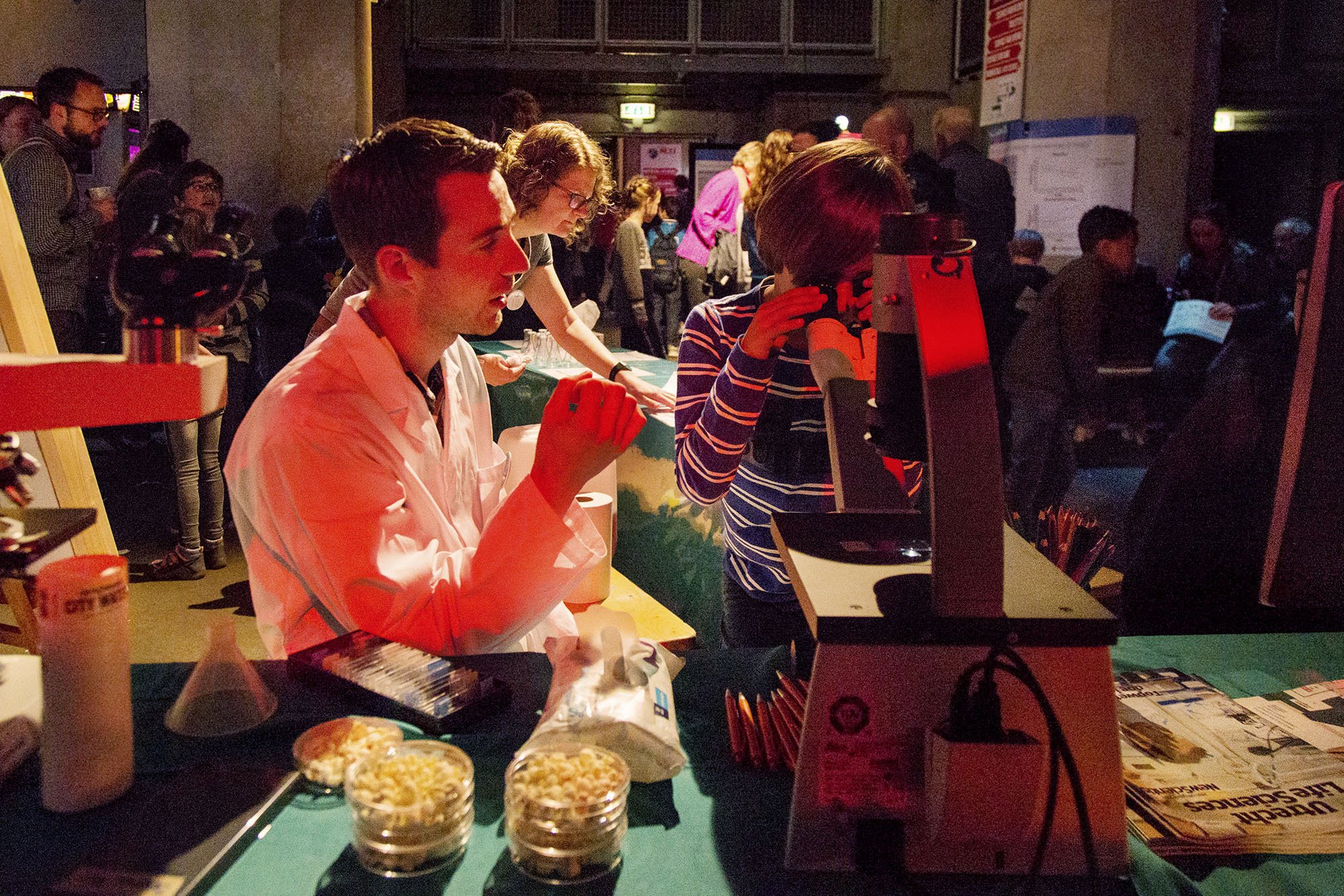
While kids studied cells under a microscope, one of the researchers of the Hubrecht Institute offered a basic introduction to stem cell research – by comparing it to heating popcorn. Several cells can be used to grow mini-organs like lungs or intestines.
Image by: Aysha Gasanova
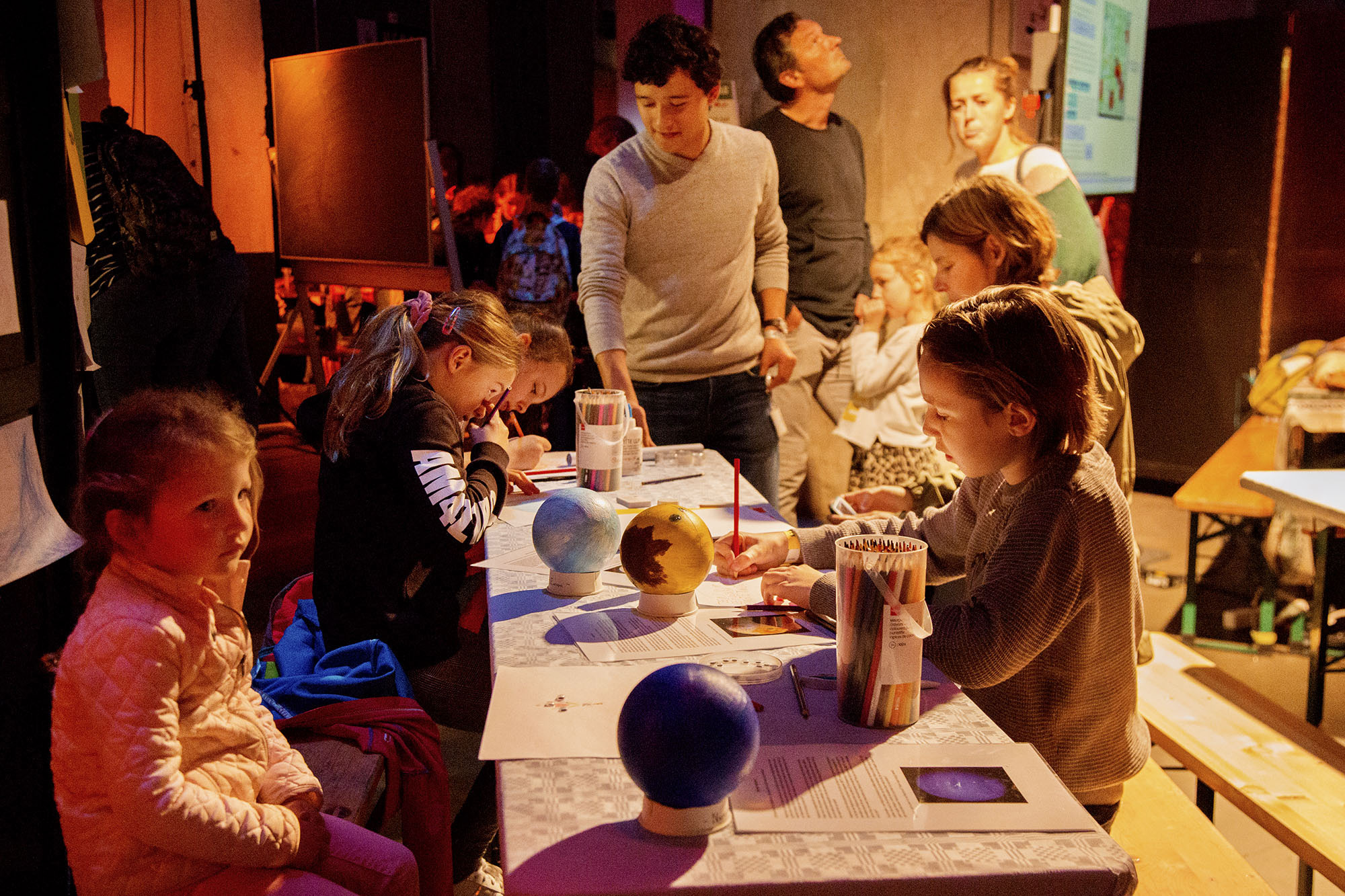
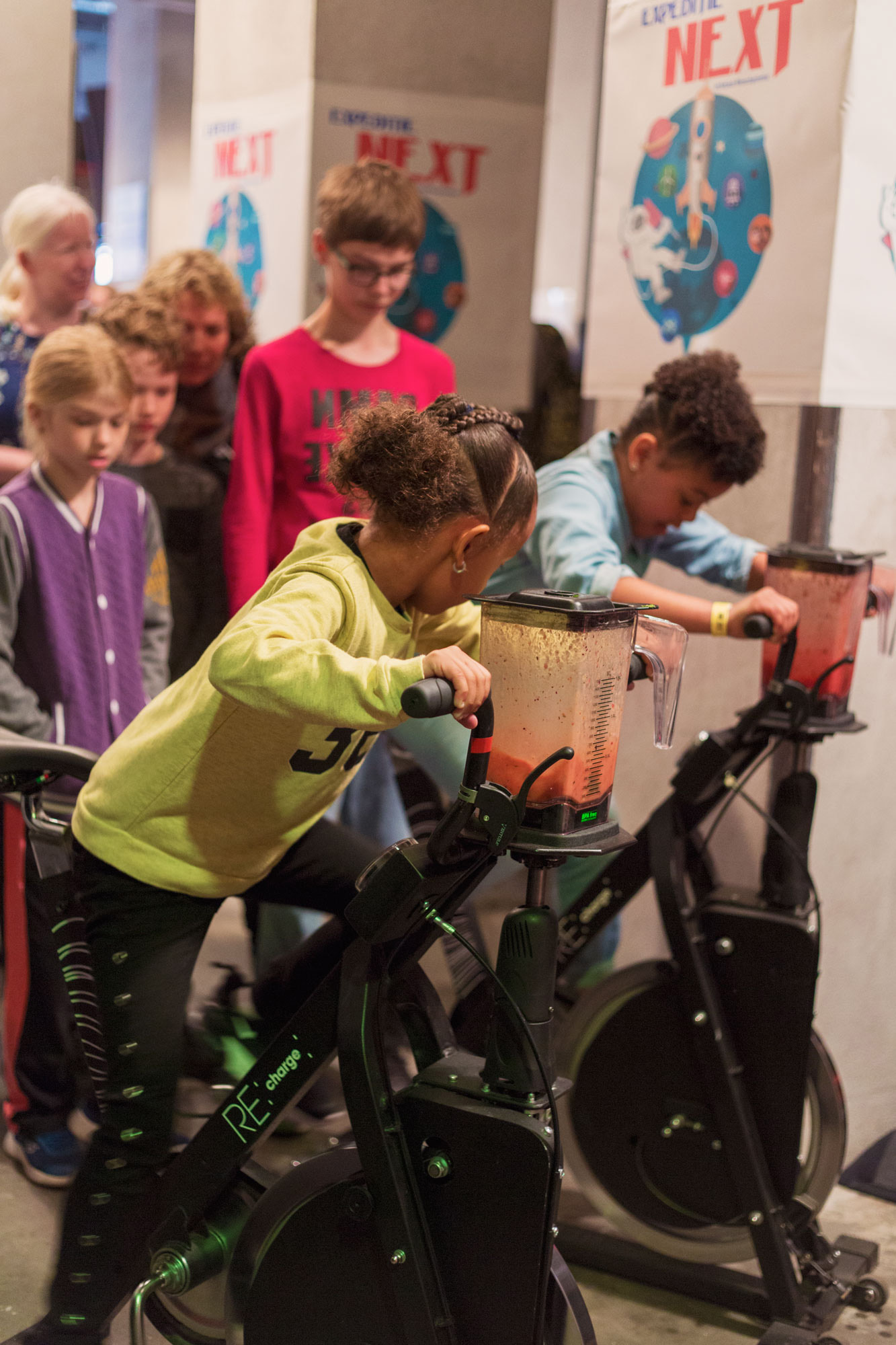
By pedalling hard on the Blenderbike set up at Maassilo by Science LinX, an initiative of the University of Groningen, you can turn frozen fruit into a smoothie. Afterwards, the kids were allowed to drink the results.
Image by: Aysha Gasanova
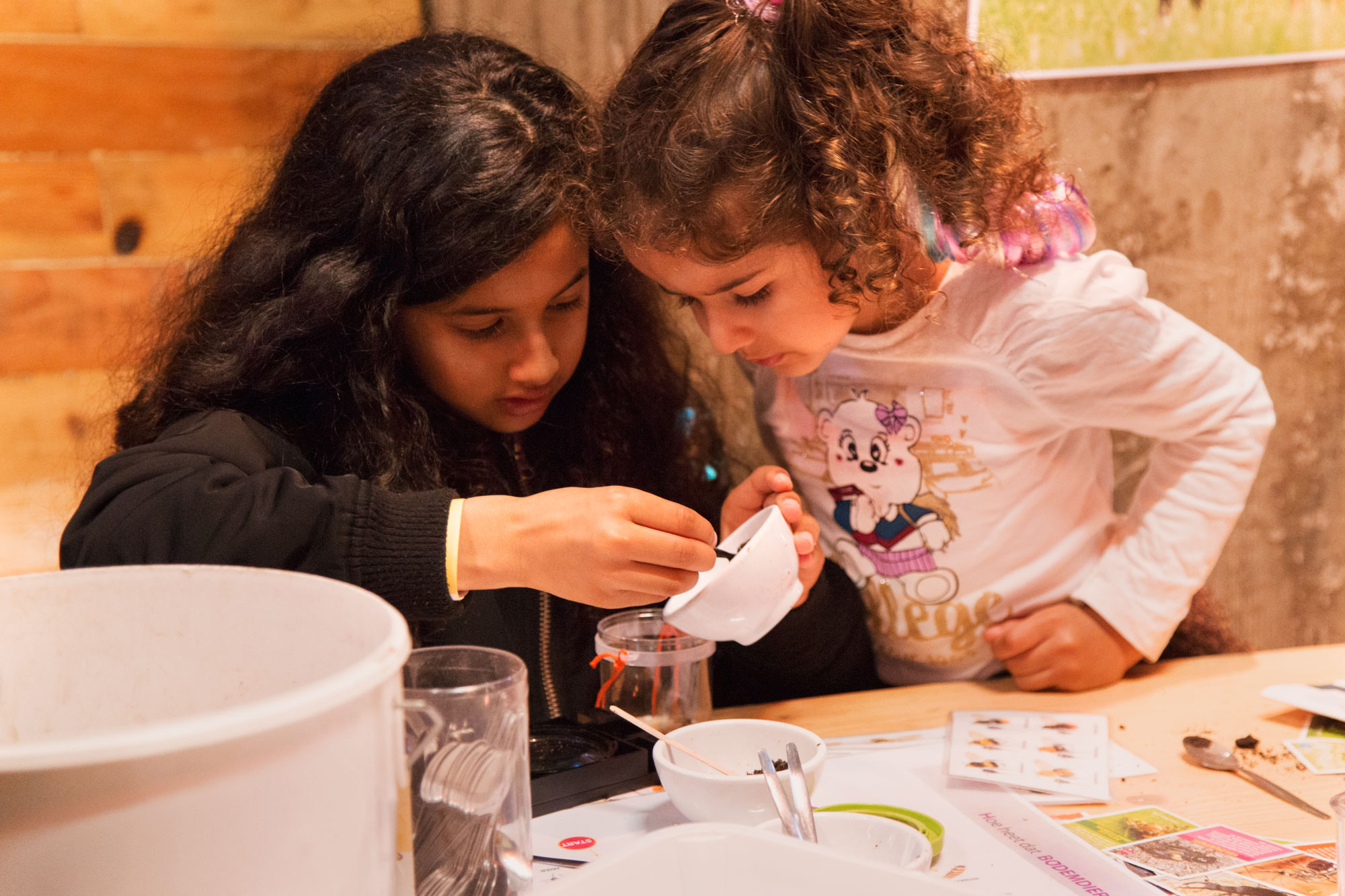
Recognise any of the little creatures creeping and crawling beneath your feet? Visitors to Naturalis’s Travelling Nature Lab were able to examine live insects living in the soil up close and compare them to each other.
Image by: Aysha Gasanova
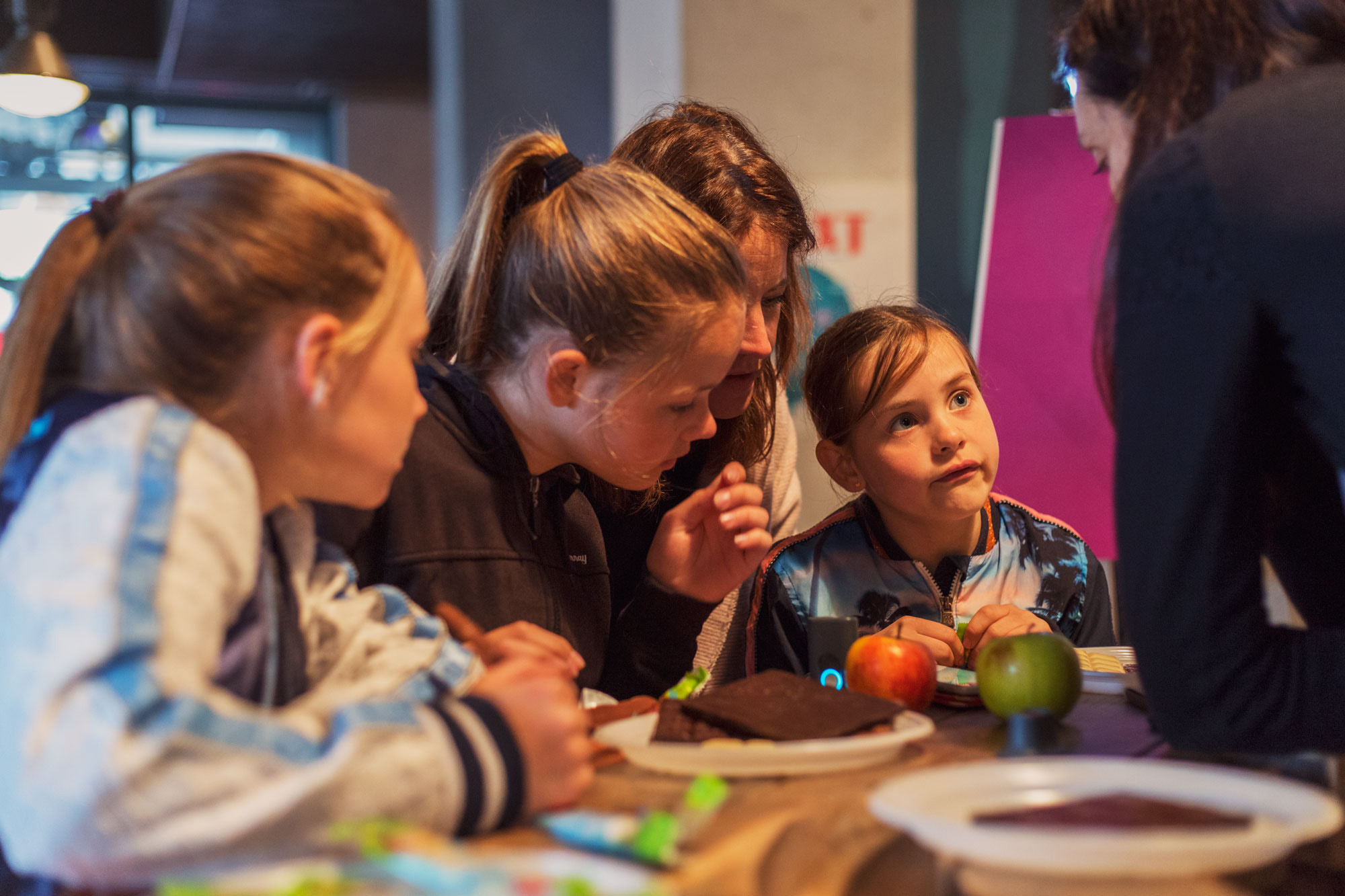
The researchers of RIVM study the ingredients of all sorts of products – medicine, for example. They use a molecular sensor for this, the same device kids got to use at Maassilo. The children could use a special app on their smartphone to check which percentage of an apple is actually water, or how much cocoa you can find in a piece of chocolate.
Image by: Aysha Gasanova
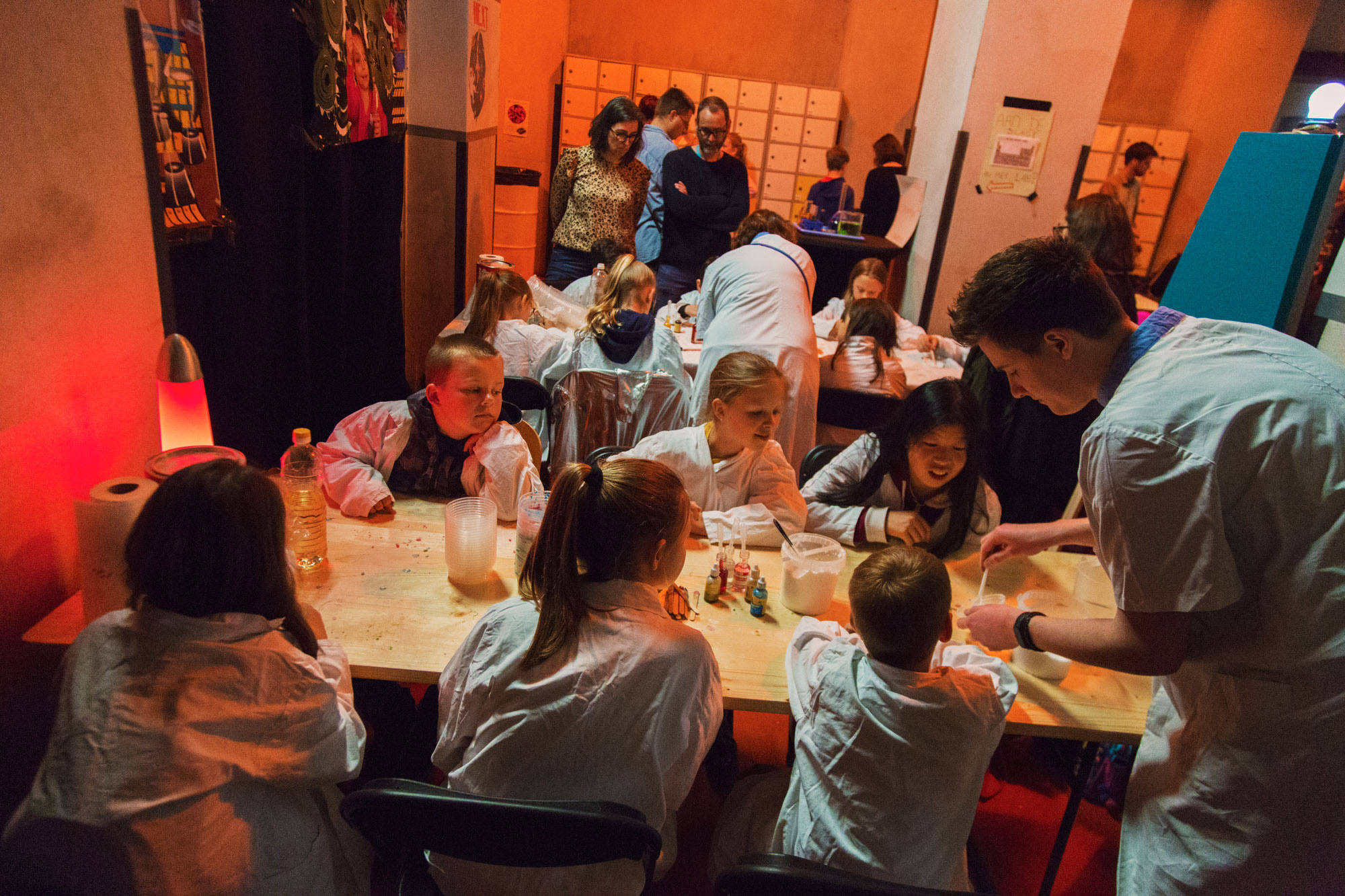
At the Test Factory, the children could do fun lab tests together with students from Delft University of Technology. And by the end, they were all set for Mother’s Day too: they were left with lovely fizzy balls that you can use as bath bombs.
Image by: Aysha Gasanova
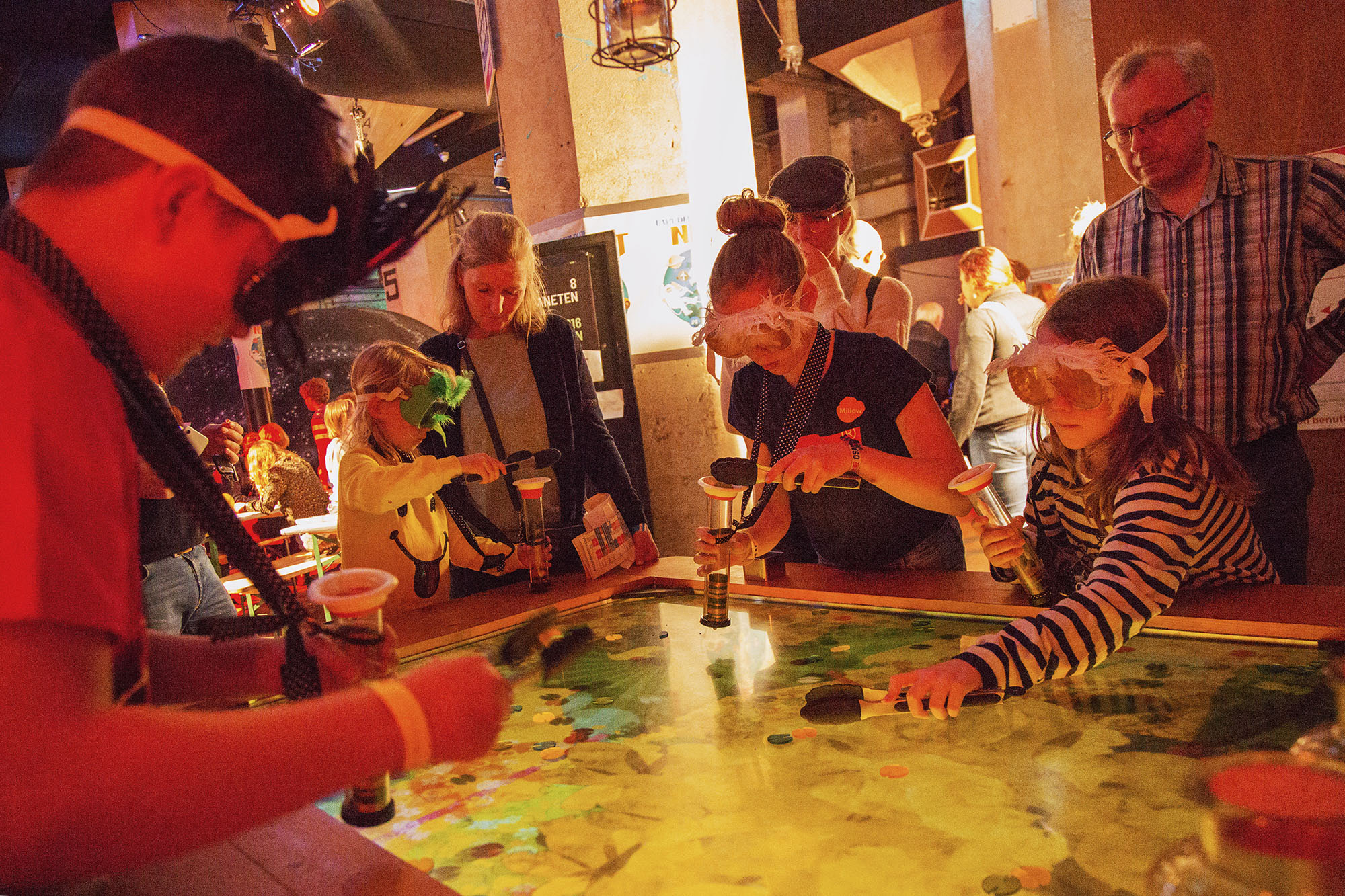
Dressing up as weird birds and foraging for food, the children could participate in a true hands-on lesson about evolution. Their environment actually changed as a result of other participants’ behaviour, and some species ultimately faced ‘extinction’. The game was developed by the University of Groningen’s Science LinX team.
Image by: Aysha Gasanova
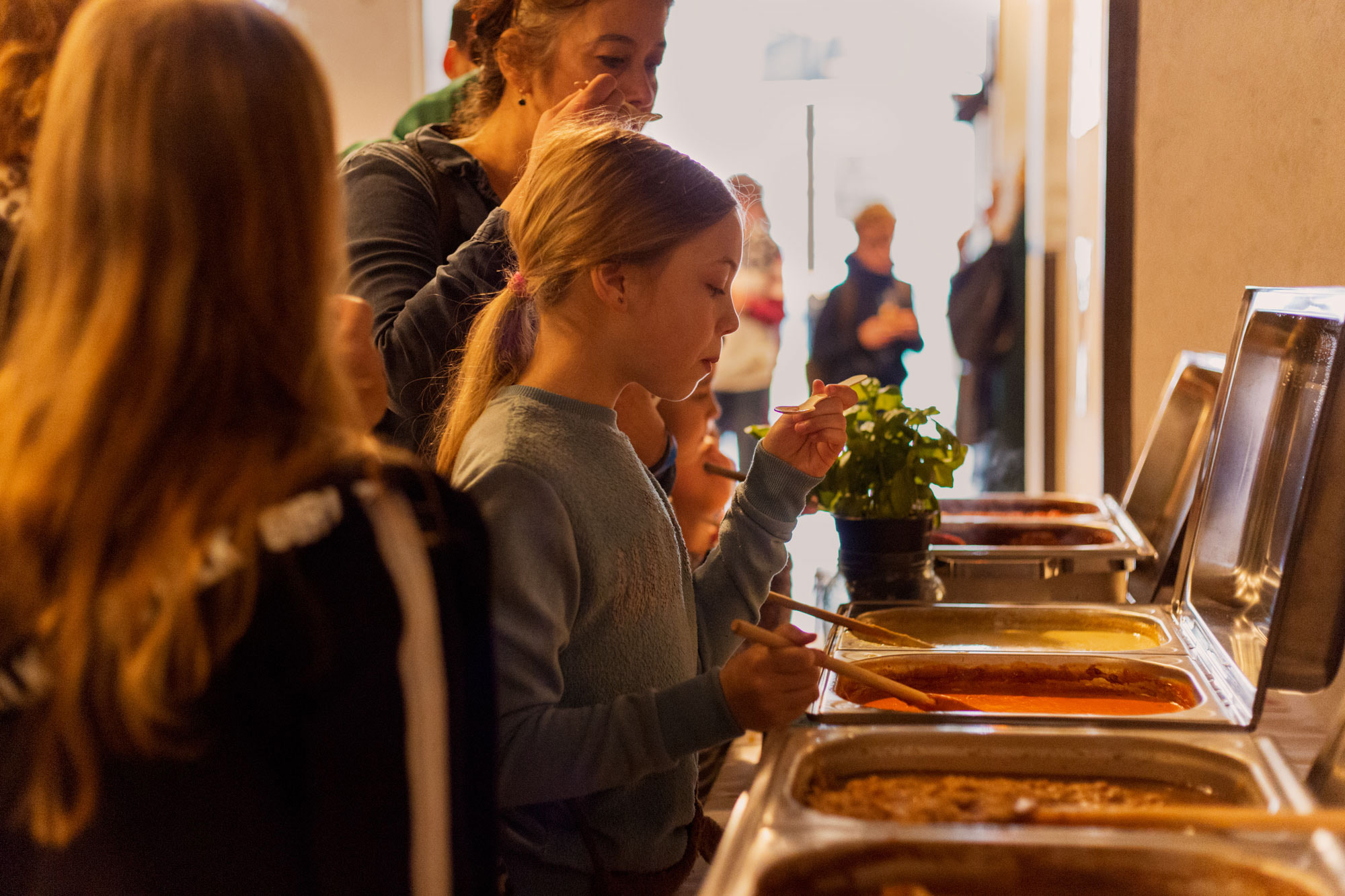
Many pre-packaged sauces contain too much salt and that is bad for your kidneys. By tasting a home-made alternative and giving the recipe home, the makers tried to inspire home cooking. ‘De Smaakmaker’ was developed by artists Chantalla Pleiter and Teackele Soepboer in collaboration with the University Medical Center Groningen.
Image by: Aysha Gasanova
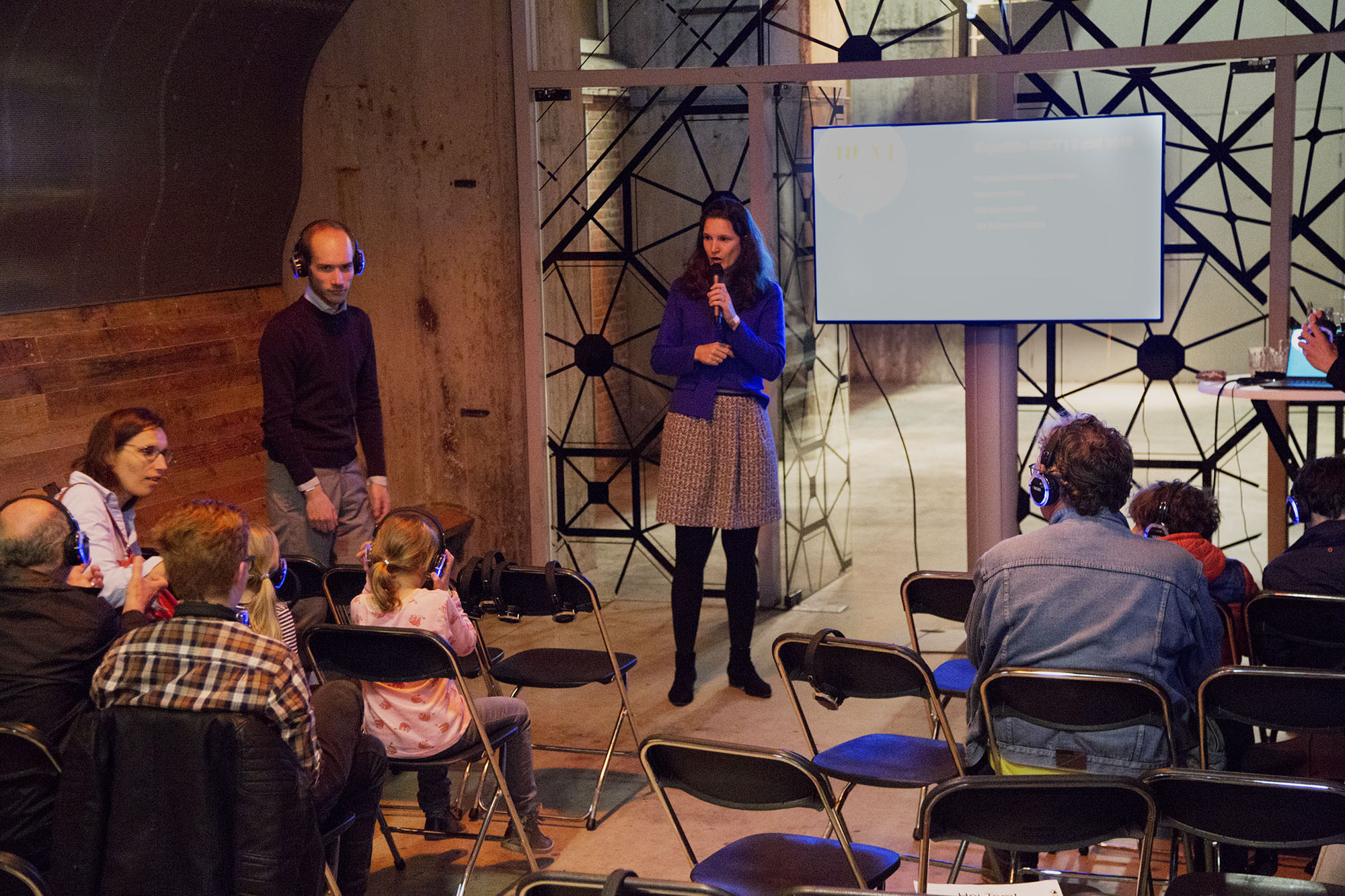
Erasmus University was also represented during Expedition NEXT. In the afternoon, professor of family sociology Renske Keizer gave a lecture about fathers. Cultural sociologist Julian Schaap, chronobiologist Bert van der Horst and sociologist Emiel Rijshouwer gave lectures during the evening program.
De redactie
-
 Lana van der Meer
Editor
Latest news
-
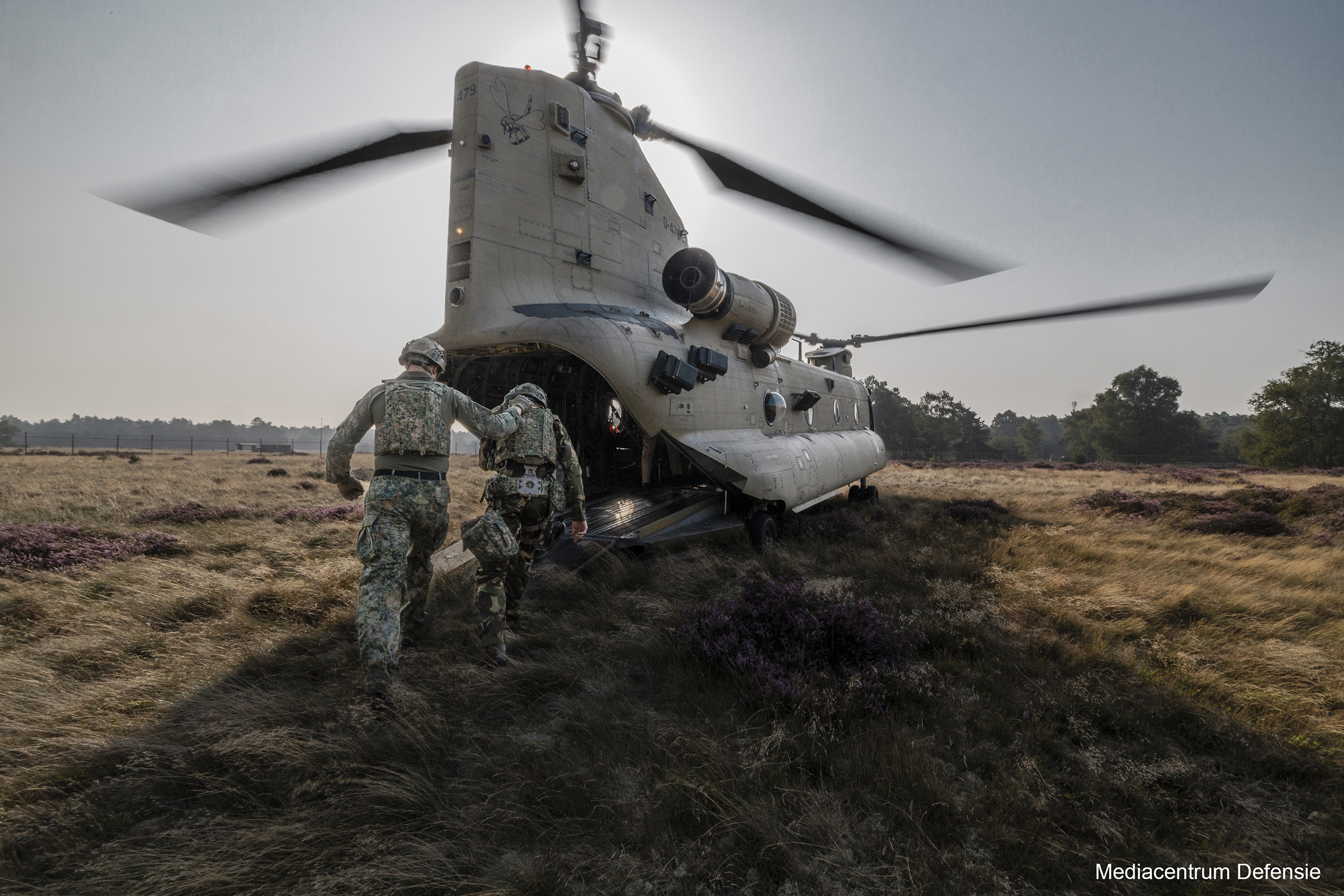
Universities want to work with Defence even more
Gepubliceerd op:-
Governance
-
Politics
-
-
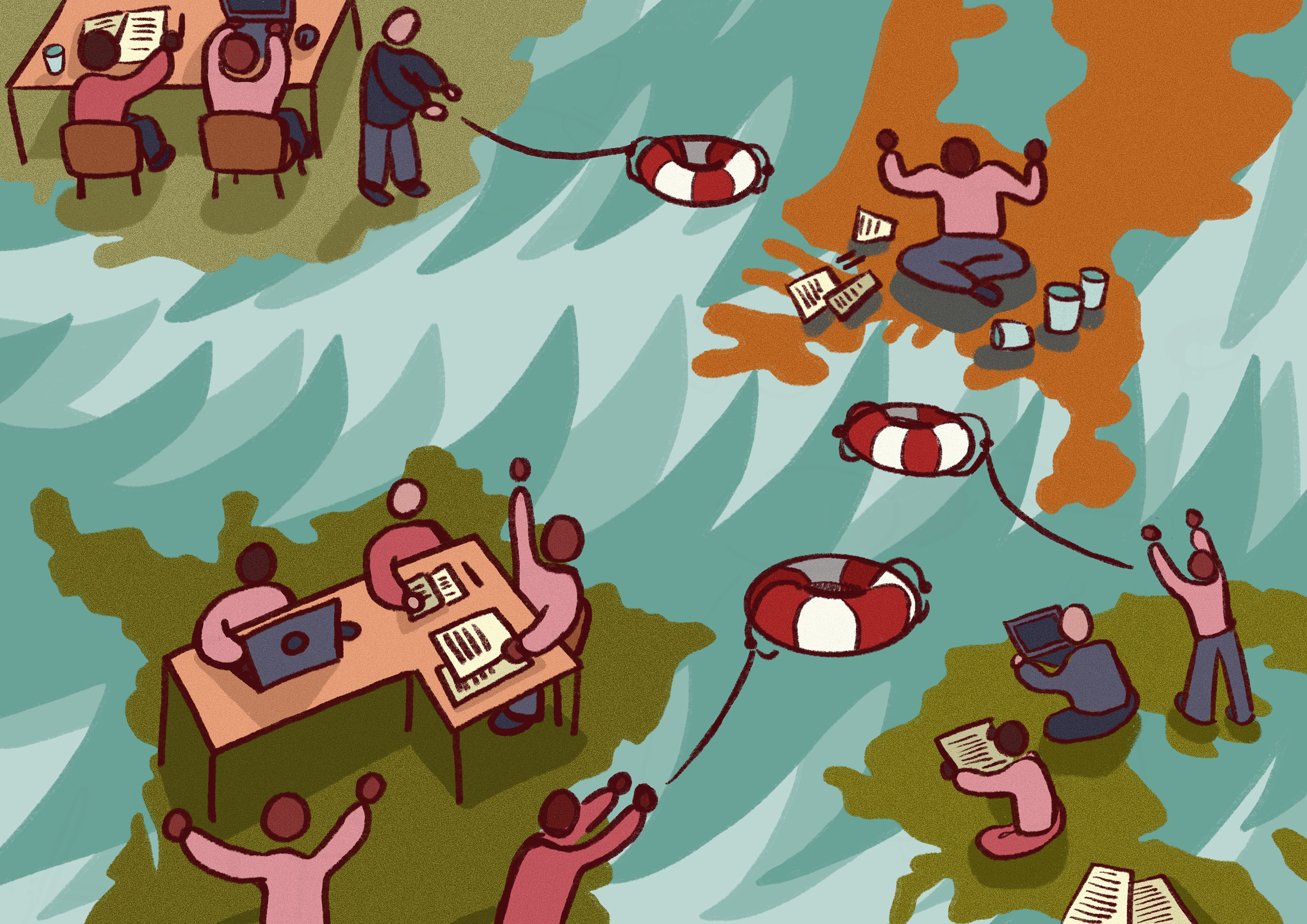
After Covid, students are once again more likely to go abroad for part of their studies
Gepubliceerd op:-
Internationalisation
-
-

EM TV newsflash: Shorter waiting time for medical interns, lively trade in graduation tickets and purchasing power increase
Gepubliceerd op:Article type: Video-
EM TV
-
Comments
Comments are closed.
Ad
Read more in In Pictures
-
Dancing in the rain, singing along and floor pizzas at the cantus
Gepubliceerd op:-
In Pictures
-
-
Freshmen take over the Binnenrotte
Gepubliceerd op:-
In Pictures
-
-
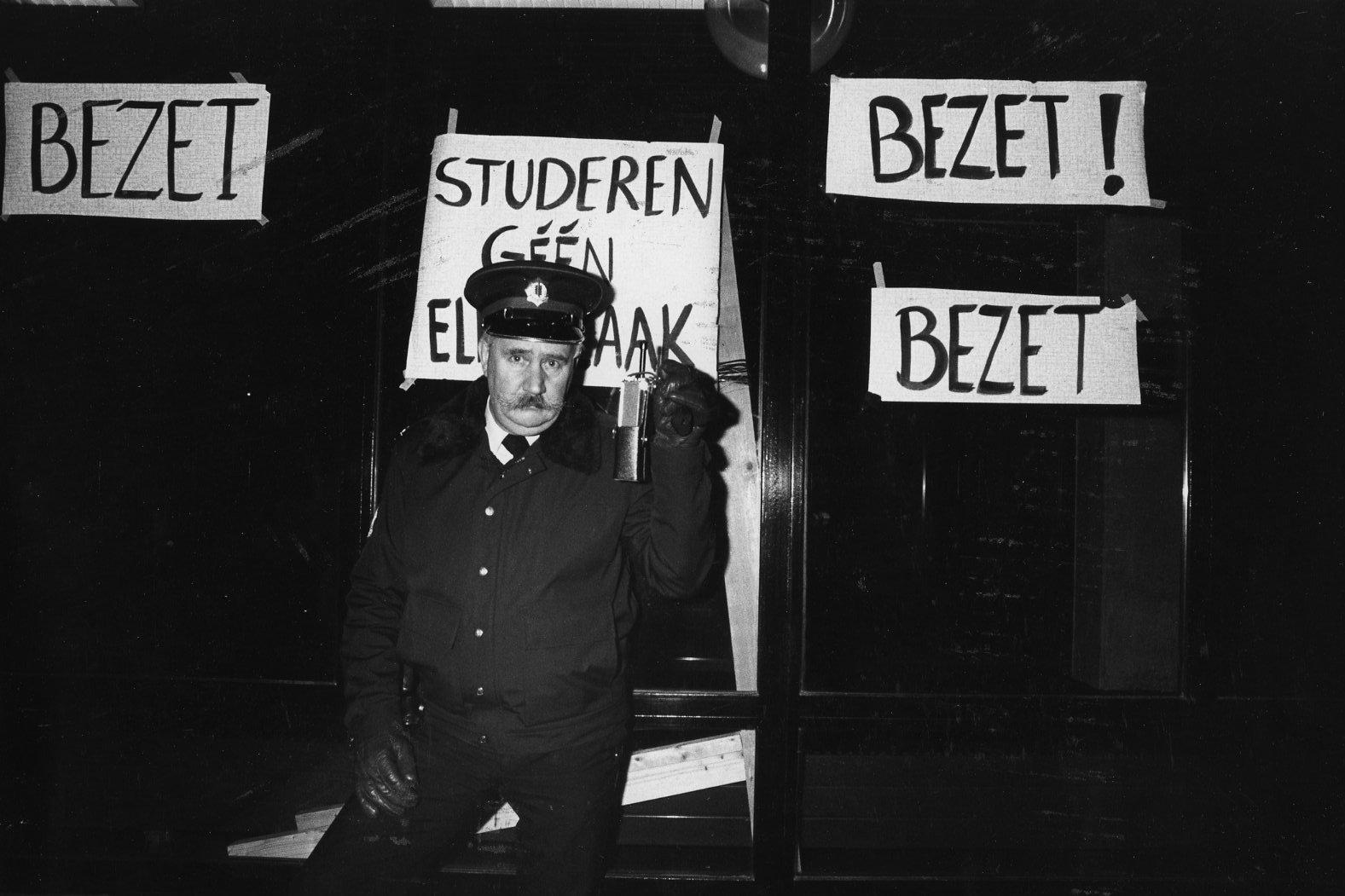
EUR anniversary: eleven decades of university life in eleven photos
Gepubliceerd op:-
History
-
In Pictures
-