Prosecution seeks thirty years and TBS for Fouad L., does not want him released without treatment
The Public Prosecution Service is also seeking thirty years in prison and TBS for Fouad L. on appeal. The prosecution says this would offer the best protection for society. The defence wants L. to be regarded as having substantially diminished responsibility.
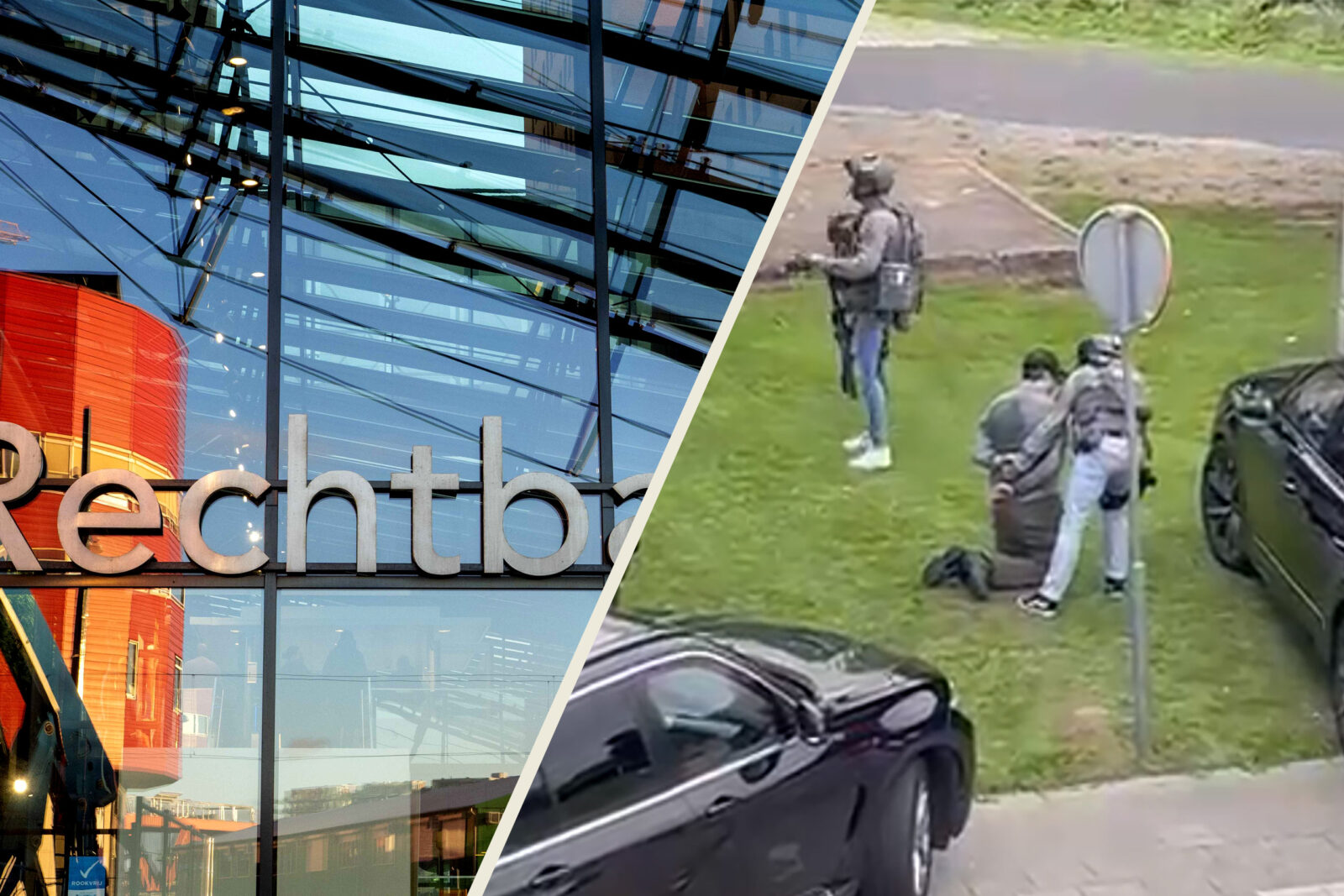
Image by: EM
A regular life sentence for former medical student Fouad L. is not an option for the Public Prosecution Service. After 28 years, a request for clemency would mean that ‘a passing politician’, as the prosecution service puts it, would decide on L.’s release. The minister of Justice, rather than a criminal court judge, would then decide whether to grant clemency. The advocate general argues that compulsory psychiatric treatment (TBS) after thirty years in prison is the best way to keep L. out of society.
L. was sentenced to life in prison last year. Both he and the prosecution appealed. It is established that he’s guilty of the murders of his neighbours Romy and Marlous and lecturer Jurgen Damen, as well as two arson attacks, making threats and possessing a weapon. The Court of Appeal must now decide what sentence he will receive.
Een lijst met artikelen
-
Experts assess risk of violence from Fouad L. to be higher
Gepubliceerd op:-
In court
-
‘Mad as a hatter’
One of the central questions during the appeal was: to what extent is Fouad L. criminally responsible? Researchers at the Pieter Baan Centre consider him to have diminished responsibility because his autism spectrum disorder and inability to cope with severe stress left him trapped in his own mind. The voice that L. says he negotiated with did not force him to do anything, but was part of him. The high levels of stress did, however, limit his ability to choose. The prosecution agrees with this assessment.
The defence argues that L. had substantially diminished responsibility. Lawyer Theo Hiddema said L. was a man ‘who had spent years walking on eggshells and eventually buckled under a state of mental decline and exhaustion’. One thought had kept him going: revenge for not receiving his degree. According to Hiddema, L. was ‘mad as a hatter’ at that point.
Life sentence or thirty years with treatment
The second central question was: what sentence is appropriate? At first instance, the court sentenced him to life in prison. “Public safety simply requires the imposition of compulsory psychiatric treatment (tbs)”, the advocate general said today.
Without tbs, L. would be released with very limited treatment. The prosecution says treatment is necessary because he is still angry. Hearings, L.’s statements and the assessment at the Pieter Baan Centre all indicate that L. is someone who broods: he bottles up his anger and cannot let go until there is ‘fire’ in his head. Several times, he named people he is still angry with. “These people should not have to worry about their future if Fouad returns to society without treatment”, the advocate general said.
The thought that L. might one day be granted leave while under the tbs order has caused distress among the bereaved families. Jurgen Damen’s sister said in her statement that she could not bear even the hypothetical discussion of it. It is not at that stage yet, the prosecution stressed. Leave would only be possible if treatment were successful. “If that is not the case, long-term care may be the next step.”
Een lijst met artikelen
-
Victims’ relatives to Fouad L.: ‘Thank God you never became a doctor’
Gepubliceerd op:-
In court
-
Some consolation
L. supports the thirty-year sentence because it offers some consolation to the bereaved families, Hiddema said. L. himself had the final word. He took his time to say that he still believes his lecturers ‘abused their institutional power’. L. also still believes he could have been a good doctor.
De redactie
-
 Tessa Hofland
Editor
Comments
Read more in In court
-
Effects of Erasmus MC attack still felt: ‘Fortunately, it has not broken us’
Gepubliceerd op:-
In court
-
-
Victims’ relatives to Fouad L.: ‘Thank God you never became a doctor’
Gepubliceerd op:-
In court
-
-
Experts assess risk of violence from Fouad L. to be higher
Gepubliceerd op:-
In court
-
Leave a comment