Ad

Academic, activist or both? Scholars struggle with the boundary between the academic and the personal
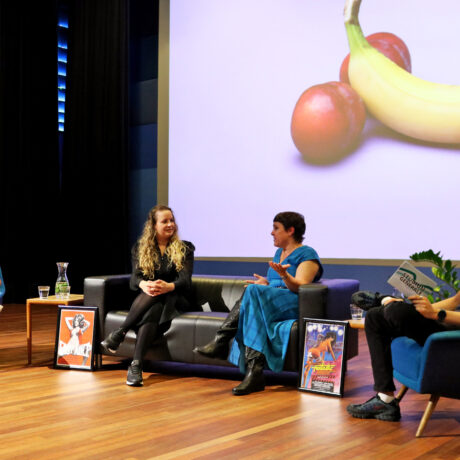
Academics and administrators are wrestling with the role of scholars in the public domain. That became clear on Monday during the third dialogue on academic freedom.
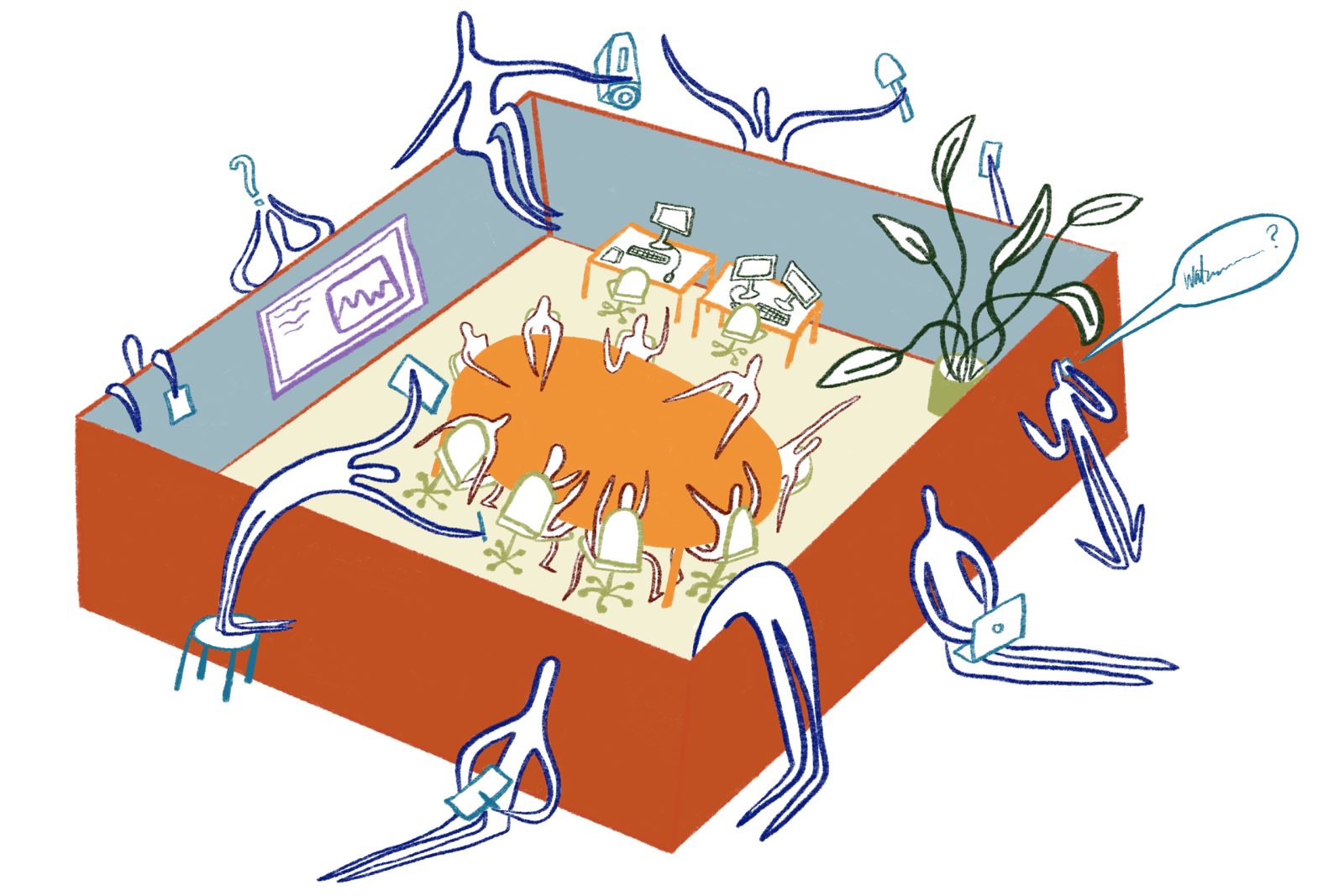
Image by: Sonja Schravesande
Do you, as a lecturer, speak out about the political situation in the US or about the issue between Palestine and Israel? Is wanting to remain neutral in public debate also a political choice? Can you, as a researcher, also be an activist, and if so, how? And who within the university can help you if you are struggling with these kinds of questions?
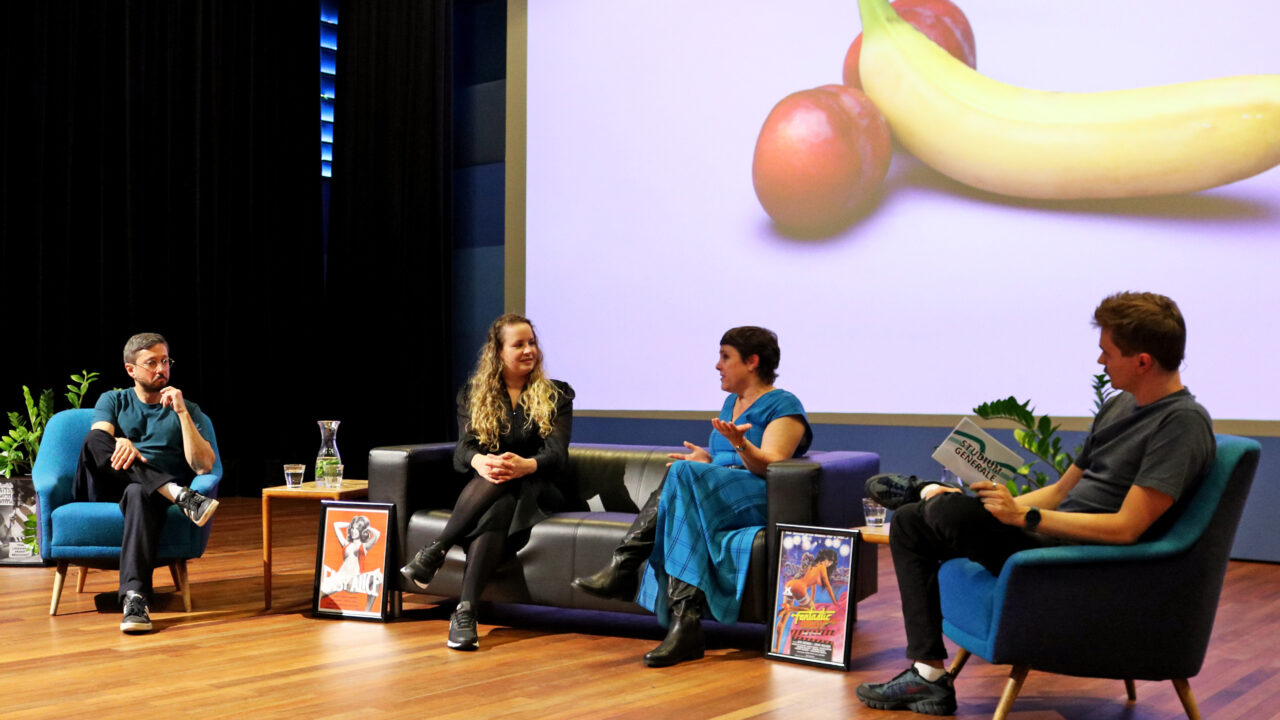
Just some of the questions that came up during the third dialogue on academic freedom last Monday on campus. On the table was the question: how does academic freedom affect your role in the public domain and vice versa?
The third dialogue on academic freedom on Monday 18 May focused on: the role and responsibility of academics in public debate. The first dealt with what academic freedom actually is. The second with academic freedom for an engaged university. Similar dialogues have been held at all Dutch universities in recent months. This coming Friday 22 May, representatives of all the universities will come together to discuss the outcomes of these university dialogues.
Speak up at the lunch table
Academics are struggling with the tension between the academic and the personal, as became clear from the discussion at one of the tables. One researcher explained that academic freedom is not boundless, much as that might be hoped. Quite simply because, as a researcher, you cannot just ‘dive blindly into a topic’ that interests you. Sometimes a choice of topic has consequences for someone’s safety or that of their family in a country where every form of freedom of expression is restricted, and as a supervisor you have to reject it. That means that difficult subjects are, sometimes, not researched.
Nor did all participants feel free to speak out in the media, in their own lecture hall or simply at the lunch table with colleagues. Do you challenge someone about certain political views, do you voice your opinion, or do you keep your head down so as not to risk being seen as an activist rather than an academic?
Blurry lines
Earlier that morning, both speakers who opened the dialogue emphasised these blurry lines between personal opinions and academic expertise, the ambiguity between academic and non-academic knowledge, and between freedom of expression and academic freedom.
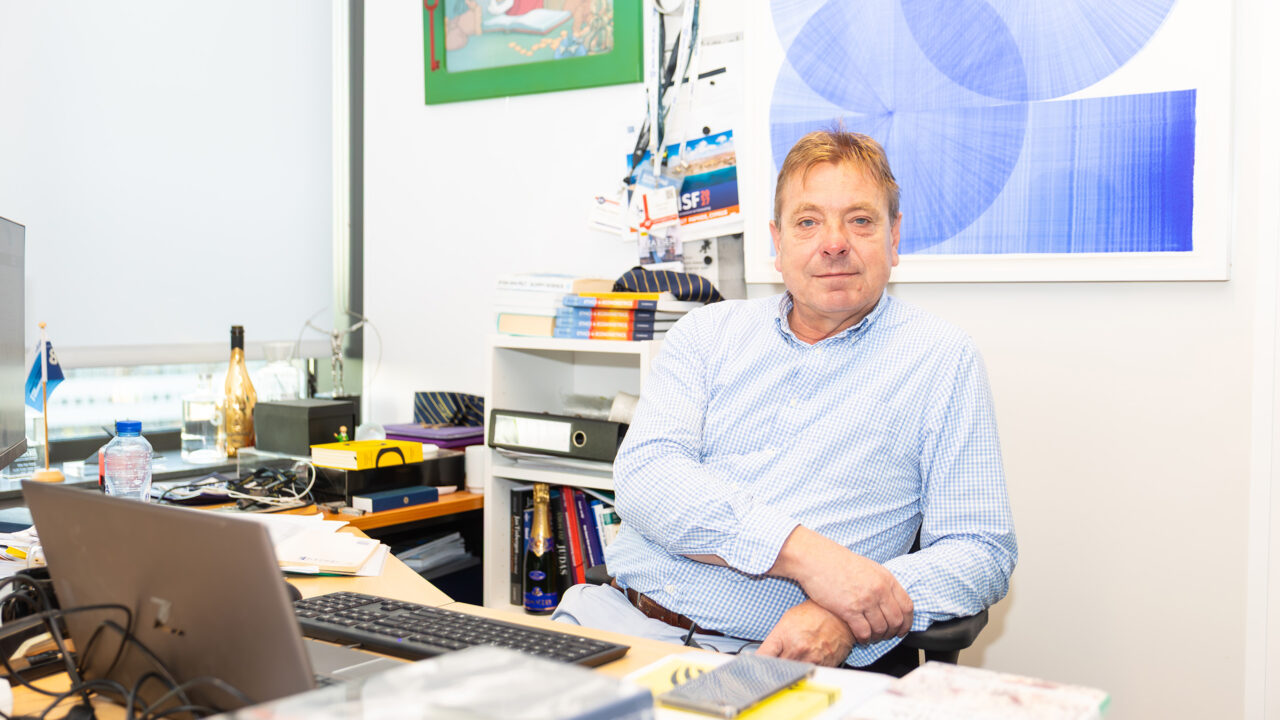
Jeff Handmaker, an associate professor of Legal Sociology at ISS, gives the first introduction and problematises what is often referred to as a scholar-activist. While expressing scepticism at the uncritical use of term because of the potential to blur different roles, he also expressed that the separation between these two roles can be made too strictly and can be potentially ‘artificial’.
Handmaker cites an example of climate scientists who speak out about climate change and pollution caused by fossil fuel companies, drawing on their expert knowledge: is that activism, or is it an expression of their academic freedom to present views based on their expertise? It is often difficult to draw a line between the two, but also important to be aware that there is a difference, Handmaker states.
To draw a line
So where do you draw the line between freedom of expression and academic freedom? Handmaker similarly considers that a line that is difficult to draw, but also crucial to problematise as they reflect different roles.
And as he previously illustrated, these roles are often intertwined, for example in relation to pro-Palestinian protests on campus over the past two years. Academics who protested against Israel’s attacks on Palestinians spoke out not only from a personal or political conviction, but also on the basis of their own academic research and of different knowledge and perspectives on the issue. Irrespective of where one would draw the line, he believes that universities must give their academics room for expressing these diverse views.
At the end of his talk, he advises it is important that as an academic you know of and be critical of your role. Are you giving your opinion as an expert, or are you expressing a personal view? If you speak as an expert, then substantiate your position with sources and be methodologically rigorous and careful in doing so. Yet also: be courageous, speak out, and above-all support your students who speak out on sensitive topics, while urging the importance of critical thinking and nuance.
For university administrators he offers, among other things, this advice: protect your researchers who speak out, especially now that academic freedom is under severe pressure, and do not be afraid to embrace uncomfortable topics.
'If we create the illusion that we can solve everything and then fail to deliver, that is bad for trust in the university'
No ready-made solutions
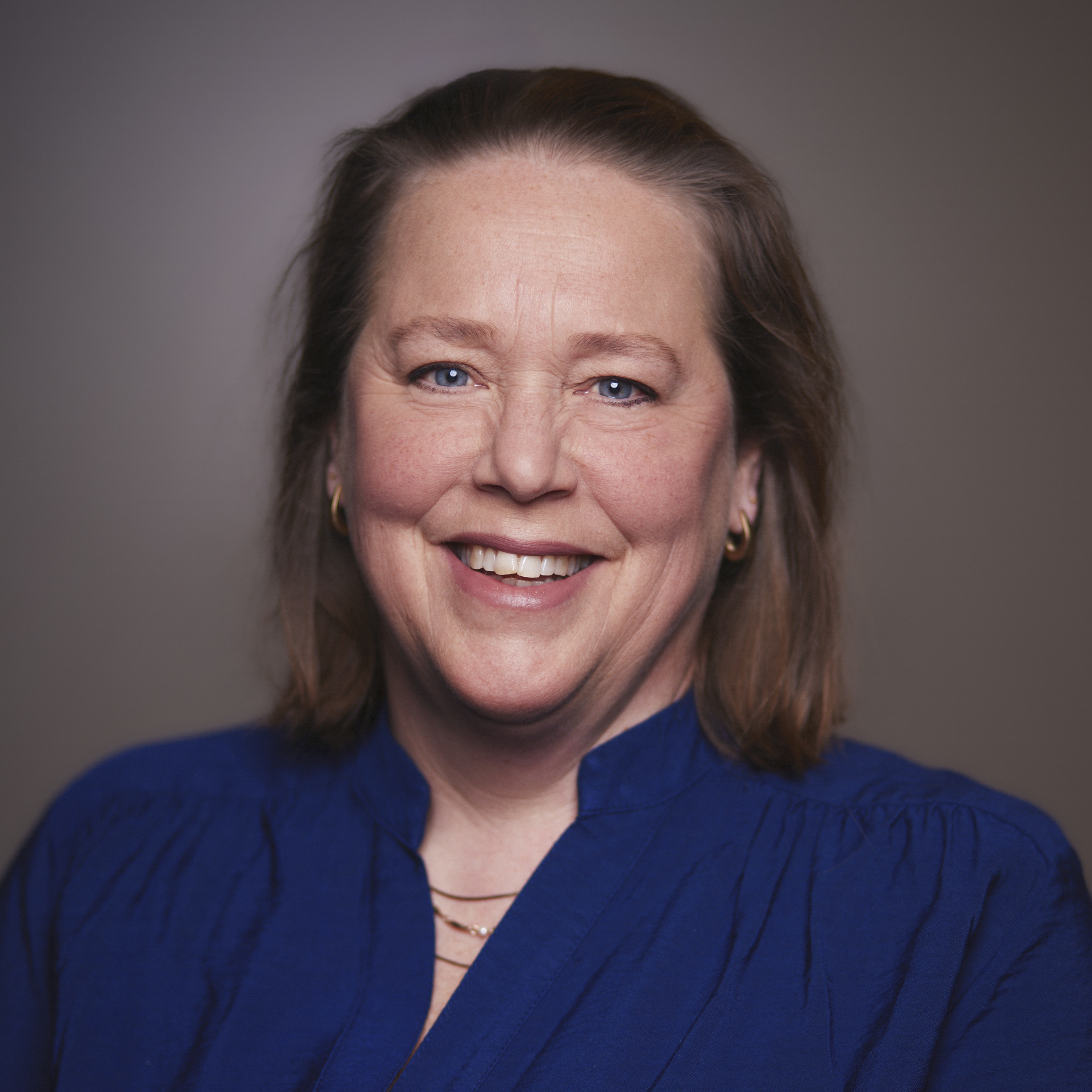
After Handmaker, the dean of Erasmus School of Philosophy, Liesbeth Noordegraaf-Eelens, gave her views on the university’s place in the public domain. She sees a risk in presenting the university as a place with an ‘overfocus’ on solving societal issues. She describes the university as ‘not a consultancy firm’. “It is about recognising the complexity of these issues and therefore precisely that there are no ready-made solutions. If we create the illusion that we can solve everything and then fail to deliver, that is bad for trust in the university. That does not mean we should do nothing, on the contrary. From an engaged university we may expect that it does not focus only on the solutions but also contributes to addressing and formulating societal questions.”
Noordegraaf-Eelens argues that the university should also see itself as part of society: “The position we take in what we think, do and teach has consequences for the society in which we live. We must justify and question that position, because it is not predetermined. Doing that is what academic freedom is about.”
Een lijst met artikelen
-

Laws, press freedom and an oath can protect academic freedom
Gepubliceerd op:-
Campus
-
-
Need for clarity emerges in dialogue on academic freedom
Gepubliceerd op:-
Science
-
De redactie
-
 Wieneke Gunneweg
Editor-in-chief
Comments
Comments are closed.
Ad
Read more in Science
-
Why Philip Hans Franses had students look in wallets at a DIY store
Gepubliceerd op:-
Eureka!
-
-
Nobel Prize for research into ‘stabilisation’ of the economy
Gepubliceerd op:-
Science
-
-
Porn in the Pavilion: vanilla sex is the favourite among viewers
Gepubliceerd op:-
Lecture
-
Science
-