Ad

Medical interns Pranet and Juulia in Kenya: ‘In West Pokot you are worth more than thirty cows if you undergo genital mutilation’
This summer, medical students Pranet and Juulia are giving information sessions in Kenya on genital mutilation, menstruation and contraception. They are also working at the local hospital. For EM, they are keeping a diary.
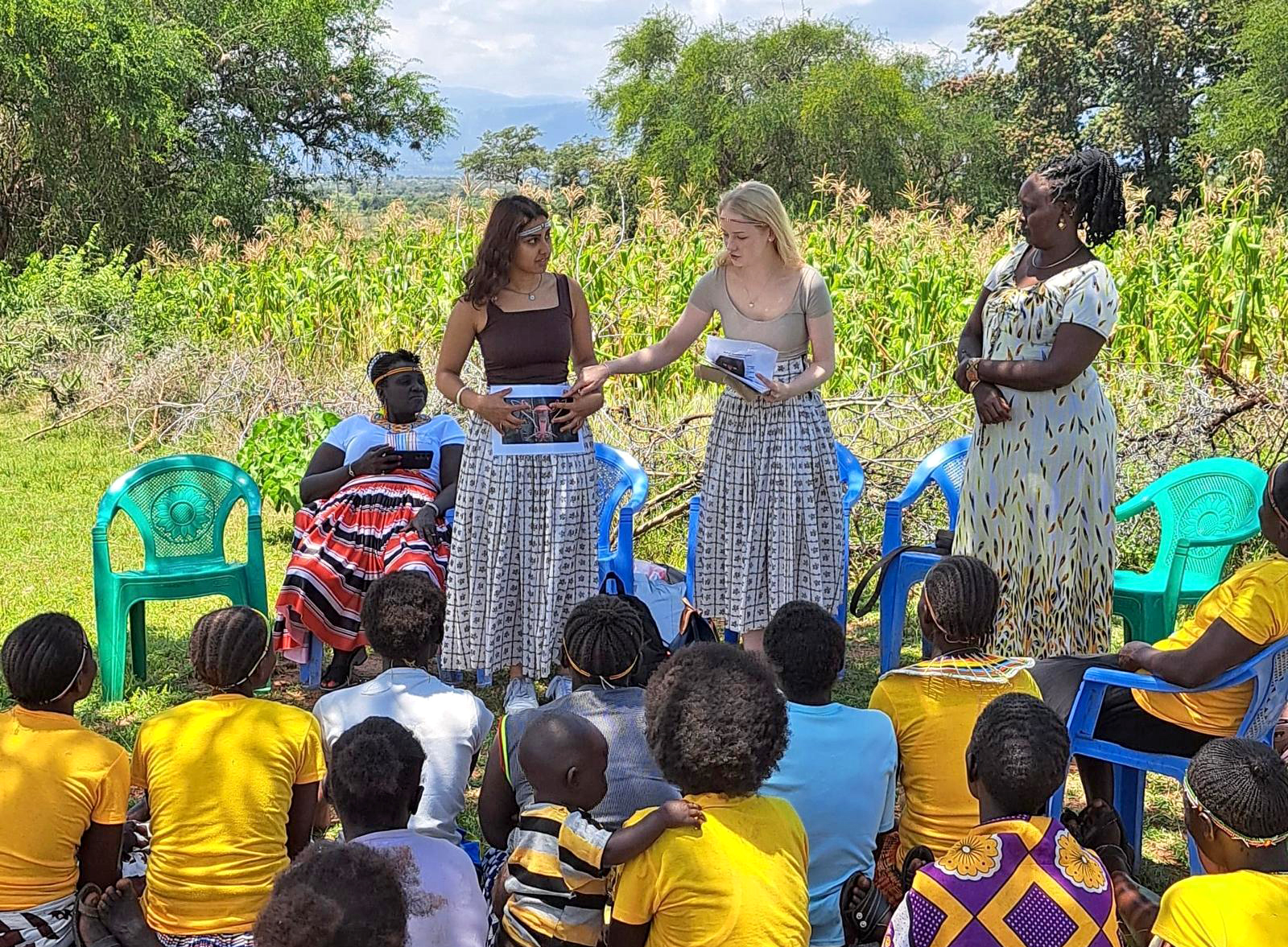
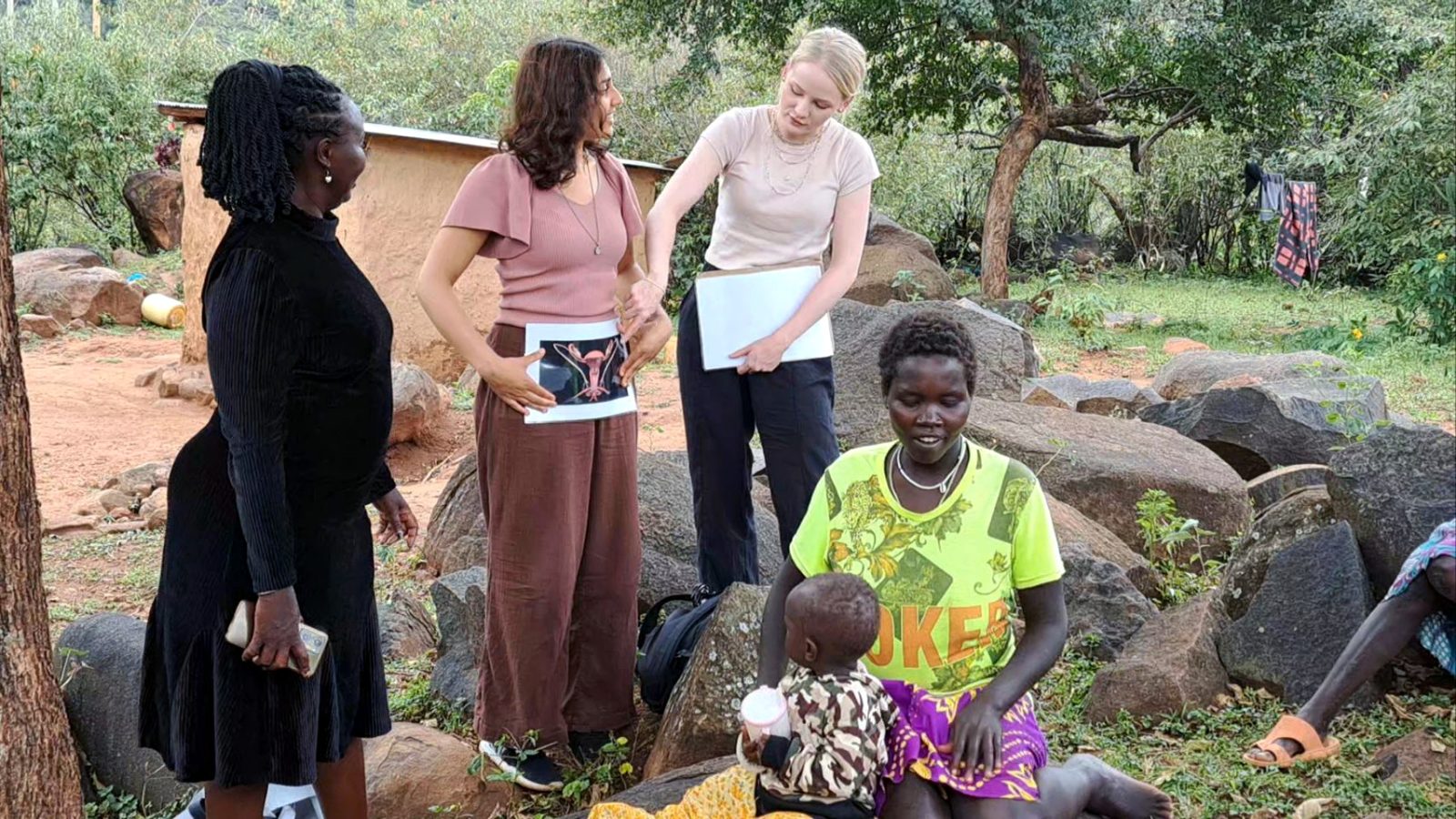
Pranet (left) and Juulia (center) provide information on anatomy, female genital mutilation, menstruation and contraception in West Pokot.
Image by: Pranet Chaudhary and Juulia Ferdinandusse
Day 1 – From Rotterdam to Kapenguria
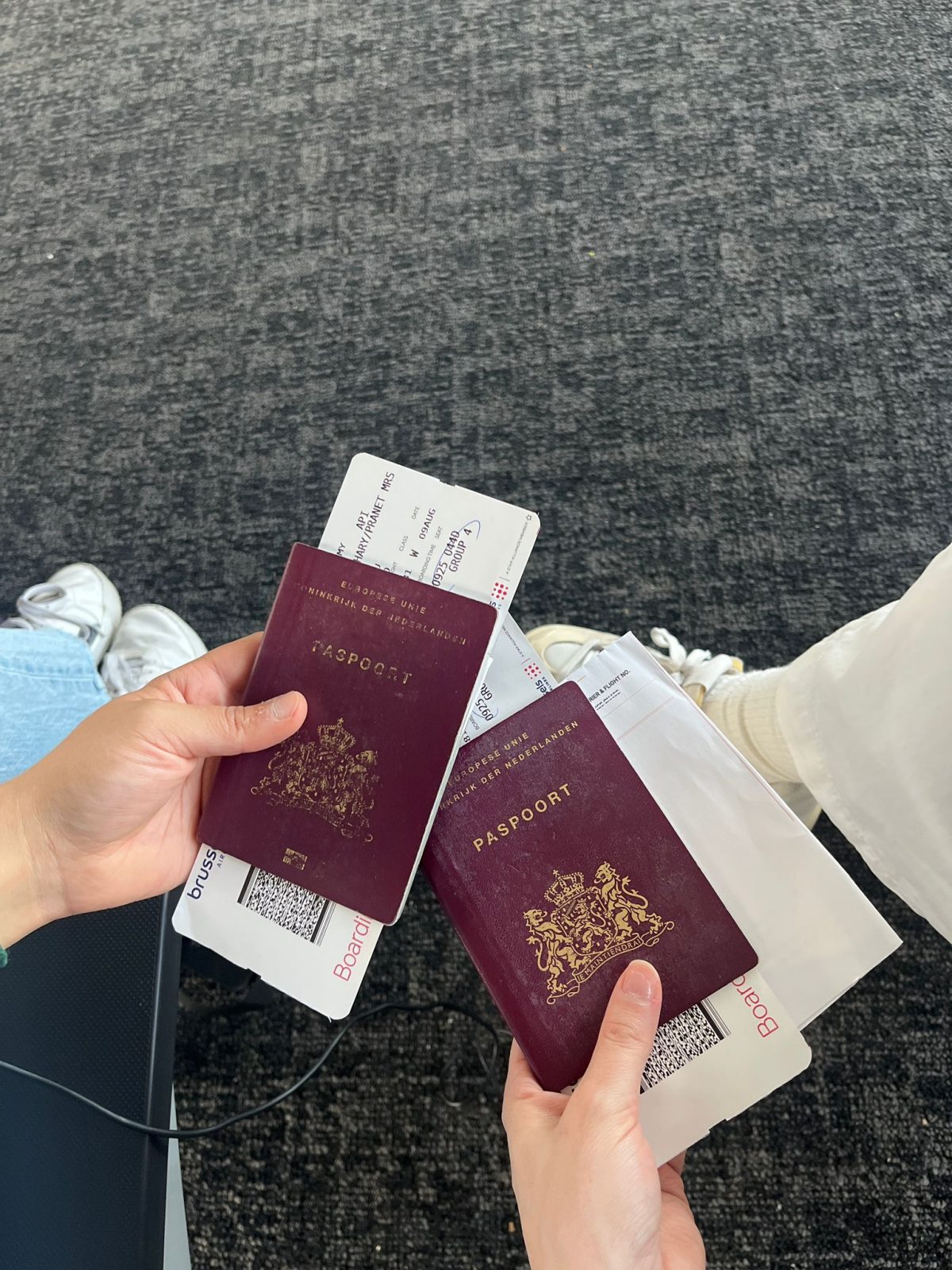
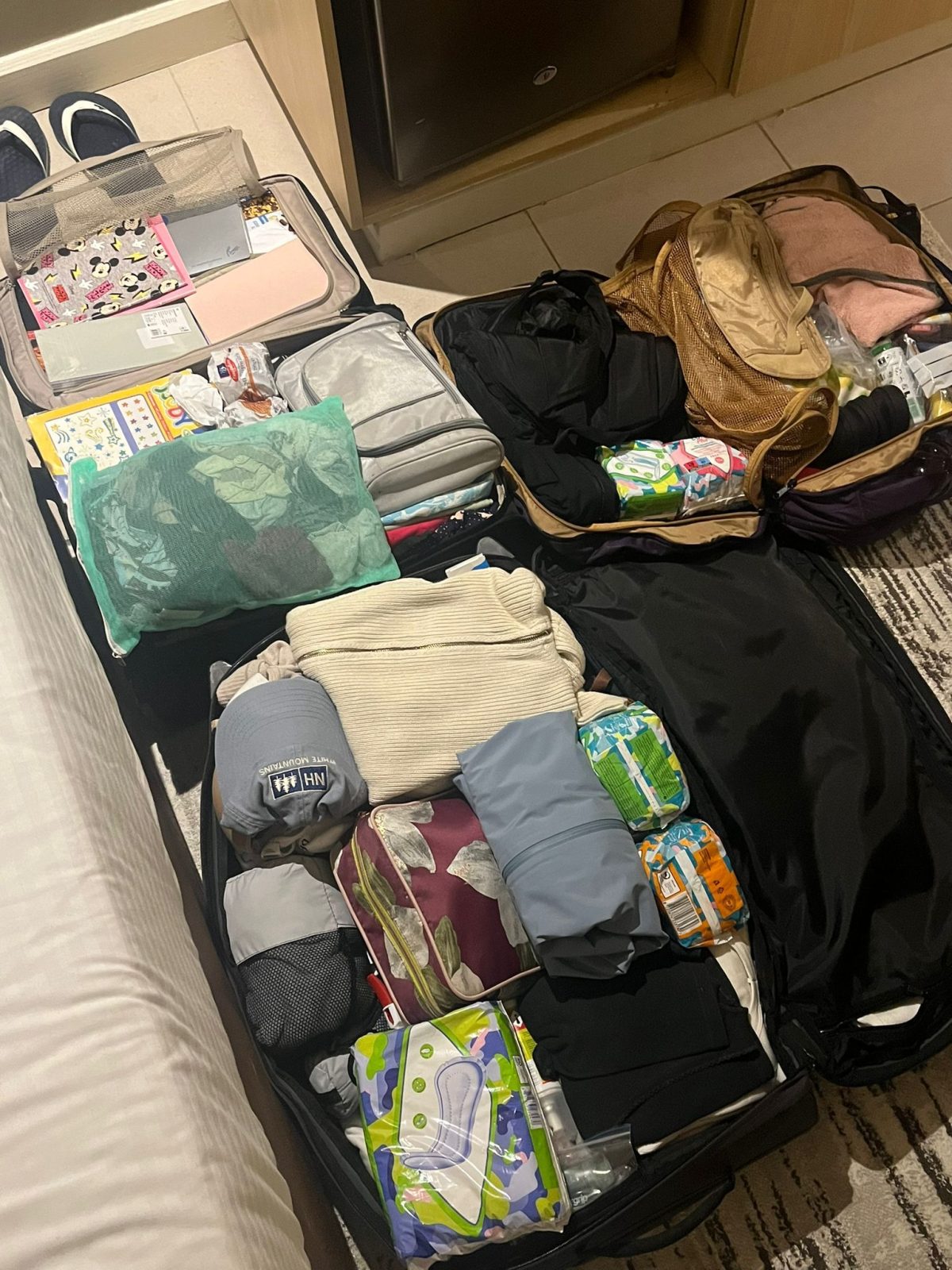
Our journey begins on an overcrowded tram to Rotterdam Central Station. Full of expectation – and nerves – we’ve stuffed our suitcases with menstrual products, four hundred paracetamol tablets, notebooks and plenty of stroopwafels.
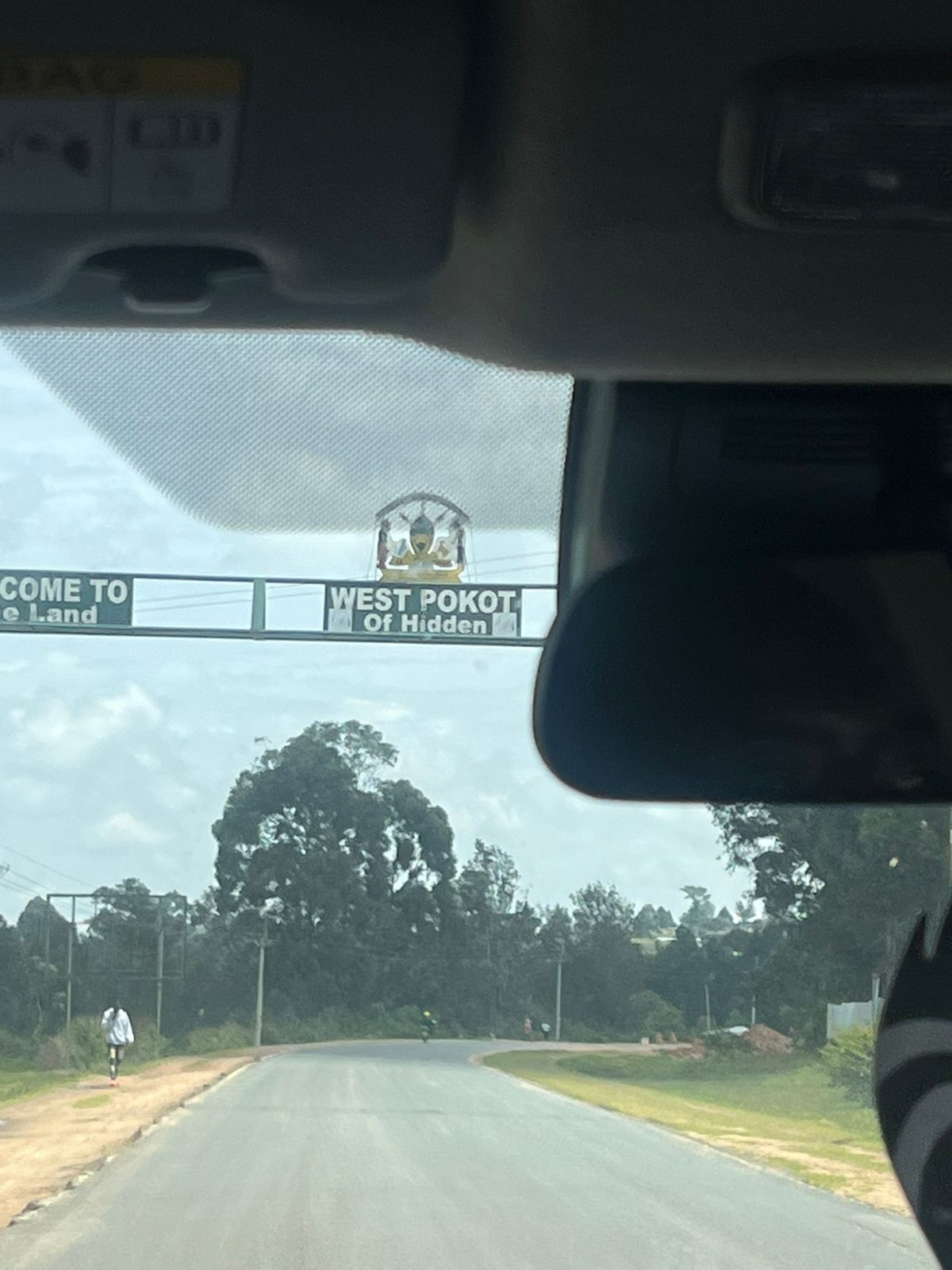
After a night at Juulia’s parents’ in Brussels, we board the plane. With quite a bit of turbulence, we land in Nairobi. The next day we travel on to Kapenguria, a village in West Pokot, in western Kenya near the border with Uganda. Along the road we see people, donkeys, pigs, goats and cows. Pranet feels transported back to the Indian countryside, while Juulia mainly takes lots of photos. What surprised us most was the lack of litter on the streets – something we’re not used to in Rotterdam. Apart from the brown tap water at Juulia’s and the broken bathroom lights at Pranet’s, we have a fine and above all safe place to stay in Kapenguria for the coming days.
Een lijst van afbeeldingen
Day 3 – Getting to know John and Terry
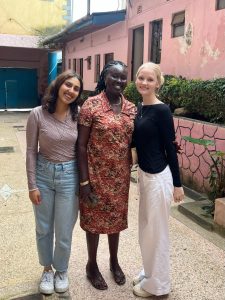
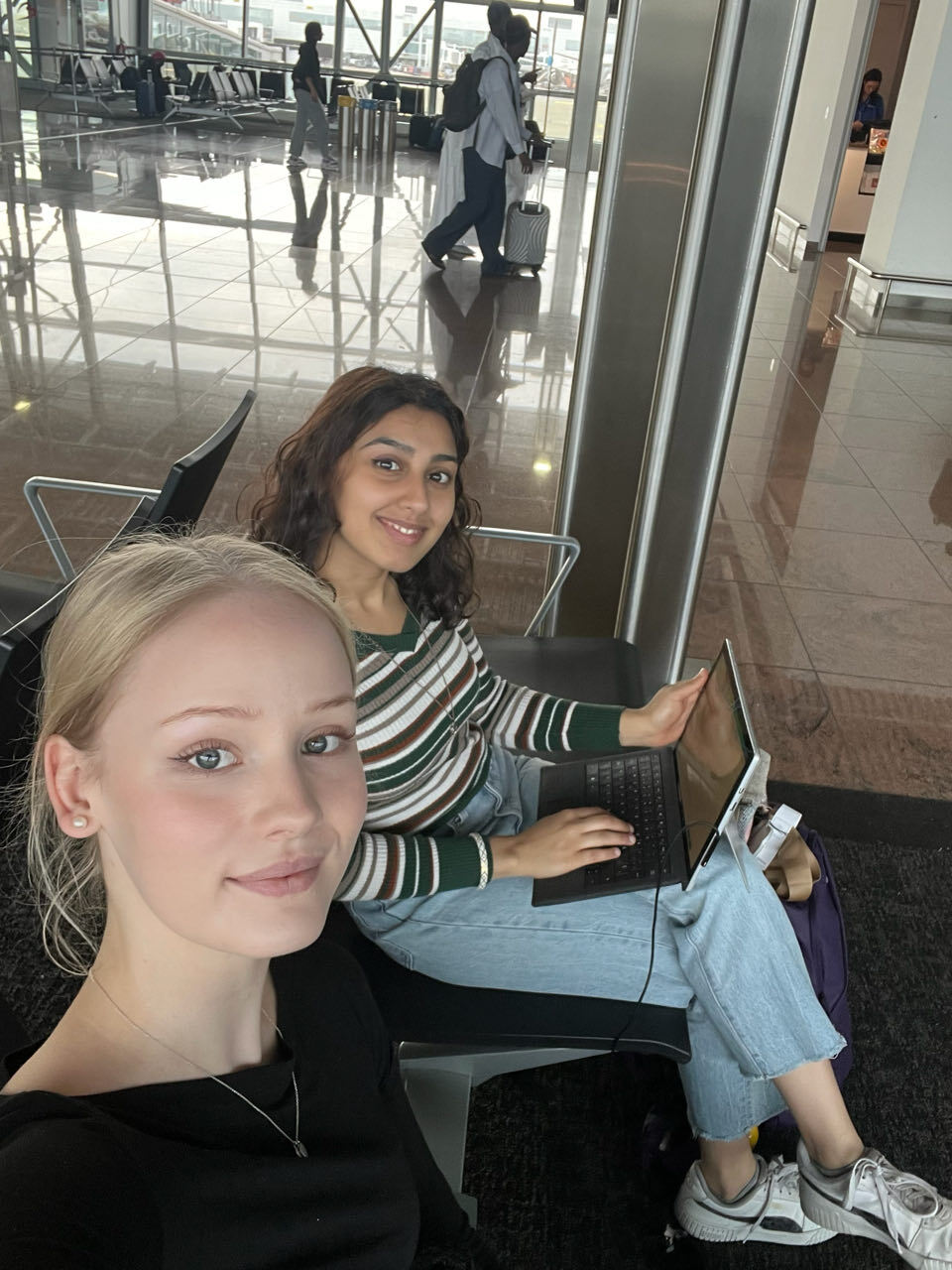
Pranet and Juulia with Terry.
Image by: Pranet Chaudhary and Juulia Ferdinandusse
Today we meet our mentors: John Lodomo and Terry Chepyatich. John has worked for years with Paul Mertens, our internship supervisor and chair of the Dutch Kenyan Health Foundation. Together they fight against female genital mutilation and support women who have undergone it. And we immediately crown Terry the girlboss of Pokot. She founded Pokot Women’s Health Rights (a grassroots organisation that defends women’s rights in the region). She fights against genital mutilation and child marriage, provides sex education and promotes women’s education. The Pokot people of this region are known for maintaining their traditions and customs, including female genital mutilation.
Our role in the coming days? To support Terry and John with medical knowledge and, oddly enough, with our ‘Western’ appearance, which brings a certain privilege: people tend to listen more quickly to muzungu, or white people.
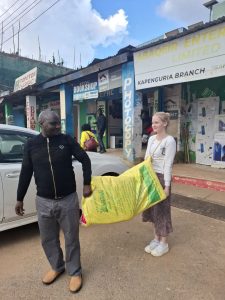
Juulia helps John with the menstrual products.
Image by: Pranet Chaudhary and Juulia Ferdinandusse
During a walk with them we overhear a conversation where someone asks: ‘Atta tich?’ In Pokot this means: ‘How many cows?’ We quickly discover this refers to a marriage proposal. Among the Pokot, the man does not pay a dowry in money but in cows. Ways to be worth more cows? Education, a job and, sadly, undergoing genital mutilation – in that case you are worth more than thirty cows.
As we walk down the street, people call us muzungu. John and Terry explain that Pranet is also seen as a white person, since very few foreigners come to Pokot. They do notice our difference in skin tone, though, so sometimes they ask if we come from the same country.
We also learn how special the Pokot names are: Pokot people are divided into different family lines, known as clans. Each clan is named after a totem, such as sun, moon, lion, frog, thunder and lightning. You inherit your clan name from your father, and you are not allowed to marry someone from the same clan or one of your parents’ clans. Women receive names beginning with ‘Che’, men with ‘Ki’. Terry decides to baptise us as Pokot girls: Chebet for Juulia (of the Chemket, the lion clan) and Chepkemoi for Pranet (of Cheptani, the elephant clan).
Day 5 – First day in the field
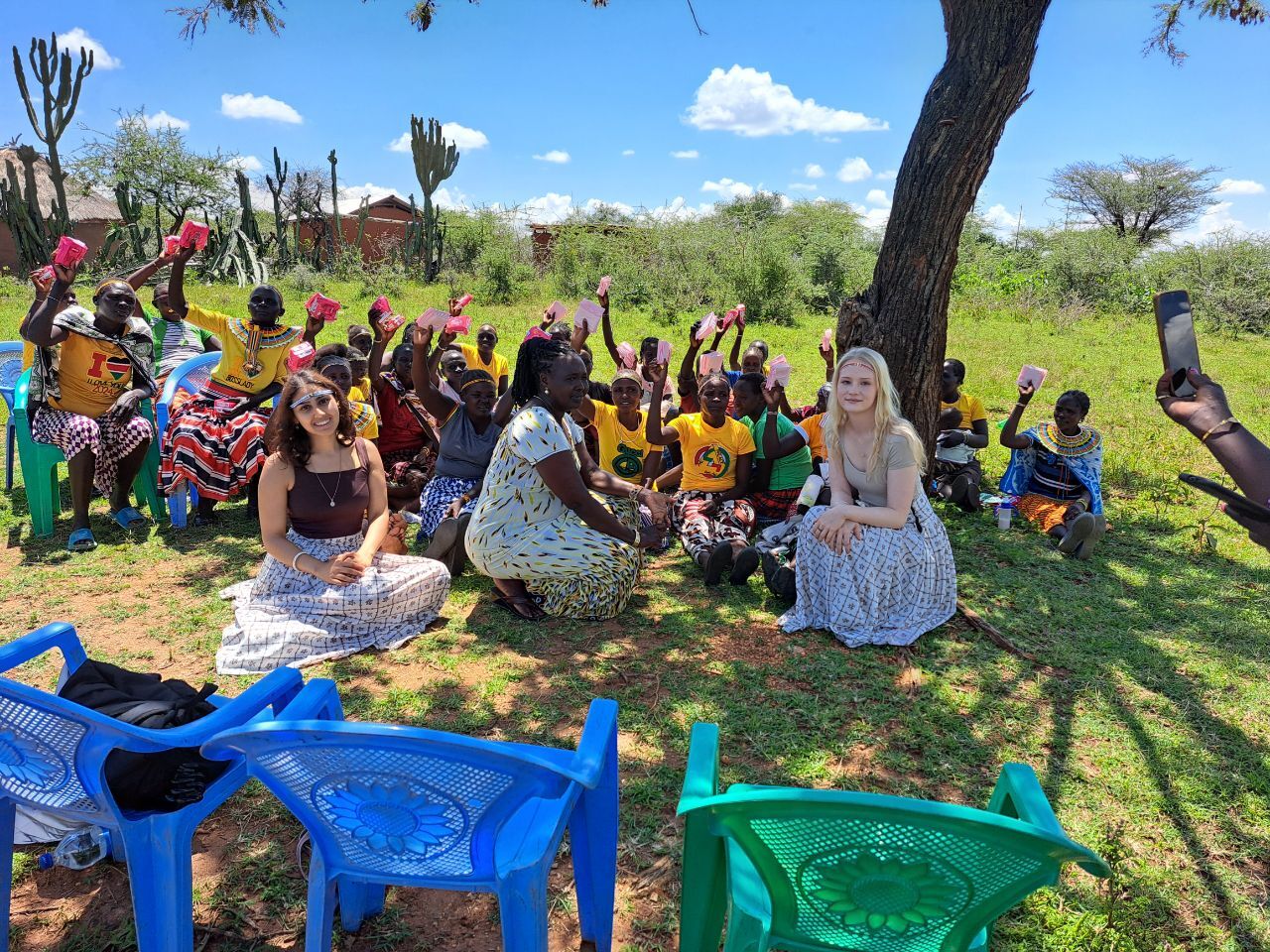
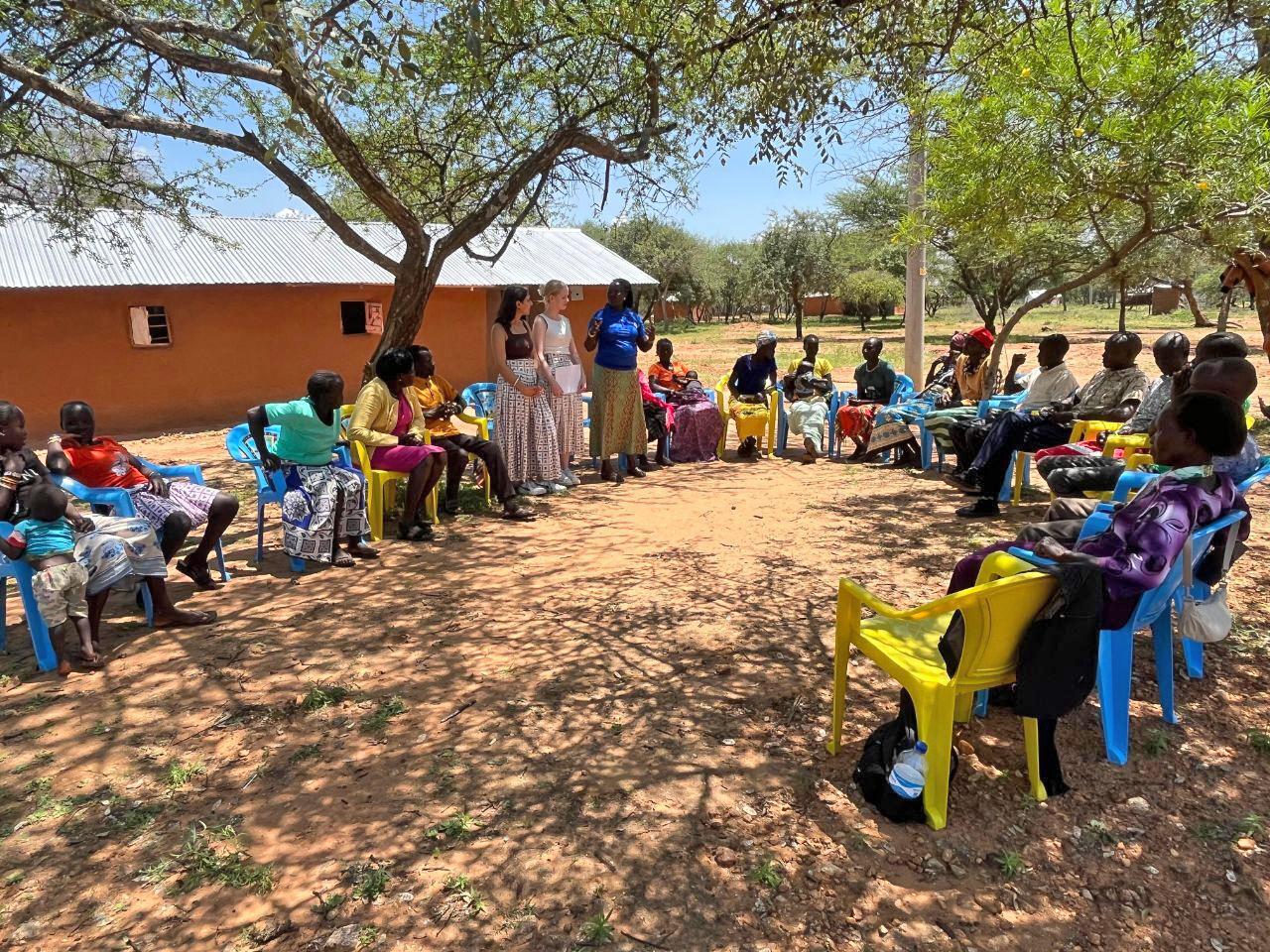
Our first field day is at the border with Uganda. We drive forty minutes to a small village where we meet a group of local Pokot. We start with a church ceremony of singing, clapping and jumping. Then comes an introduction round where everyone shares their Pokot and clan name.
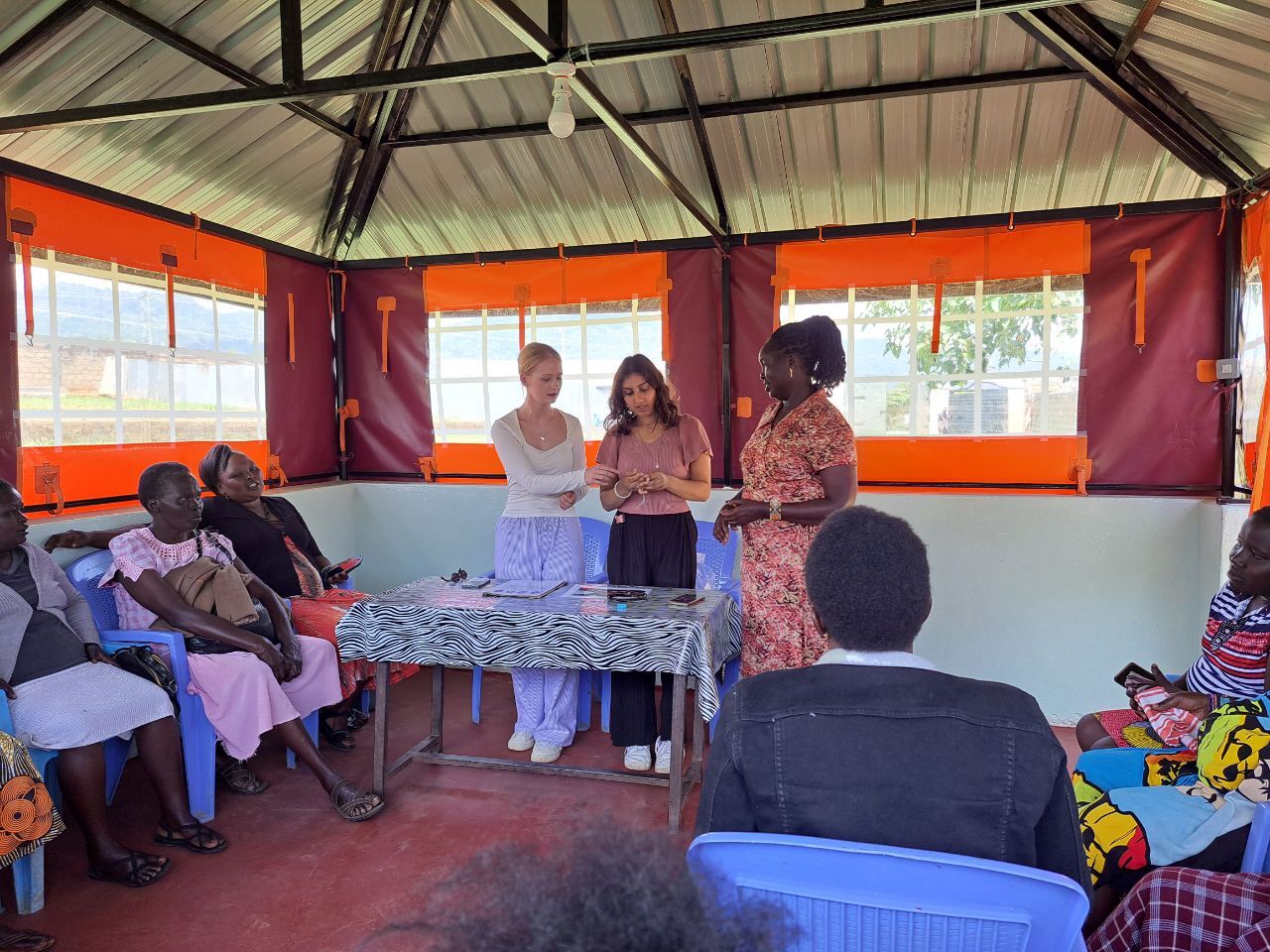
Together with Terry as interpreter, we talk to a group of 28 men and women about anatomy, female genital mutilation, menstruation and contraception. Among our audience are a 19-year-old breastfeeding her child, a 20-year-old with three children and four other young mothers aged 20.
The group is not enthusiastic about contraception. They know of the injection, and one man dares to mention condoms. The men do not want to use them, as they believe condoms are only used by sex workers. The women avoid contraception out of fear of infertility, the belief that pills accumulate in the stomach, and concerns about side effects such as stomach and back pain. We explain that these are all myths.
Menstruation is also a major problem. Girls use rags that they change regularly, which prevents them from going to school or work. They also have no pain relief. No one has heard of sanitary pads or tampons. We demonstrate how pads work and hand out a few, along with some paracetamol. We think this is too little, but according to John and Terry it is enough for them to try the products.
Een lijst van afbeeldingen
Then we discuss genital mutilation. Older women in the group perform a short play showing how the ritual used to be carried out:
A woman sits naked on a stone. A circumciser cuts away the clitoris – so roughly that not only the clitoris but often surrounding tissue is removed. The severed part is then picked up and thrown into the air.
The woman must remain in bed to prevent scarring. When urinating, she has to lie on the ground while another woman holds up her legs. Once healed, only a small hole remains in the vulva, through which urine and menstrual blood can pass. Before penetration after marriage, the vagina is reopened or stretched with a goat’s horn. This often creates a new wound.
Although we knew of more severe forms of genital mutilation, it is still shocking to see it performed in a play. It may have been seen as an honourable rite of passage to womanhood, but to us it would be dehumanising to sit naked on a stone while everyone watches as you are cut.
From a medical perspective we also find it horrific that such rituals cause so much unnecessary suffering and permanent damage. There is no anaesthesia, the same knife is used for several women, creating a risk of spreading infections such as HIV. Because of the small remaining opening through which urine and menstrual blood must pass, menstruation is very painful and infections are likely.
What saddened us even more was that just before or after marriage the opening is stretched again with a goat’s horn. Even then, intercourse remains painful. Childbirth brings further complications such as maternal bleeding, episiotomy and resorting to caesarean section. After childbirth, there is a high risk of vaginal, bladder and anal fistulas.
Fortunately, the women in the group proudly tell us that they no longer practise genital mutilation. It is now illegal in Kenya and even actively discouraged on the radio.
Day 9 – Adventure at Mount Mtelo
This weekend we stay at the EcoLodge in Mbara, an accommodation in the mountains overlooking Mount Mtelo, a well-known mountain in the region. The lodge is run by John and Angela and their six children.
At half past seven we set off with Casteline and Hobson, John and Angela’s children. After three hours slogging through mud, streams and steep paths we reach a plateau for the first stop, where Juulia is to wait with a book while the others continue to the summit.
But after ten minutes a heavy downpour begins. Casteline turns back to accompany Juulia to the lodge. On the way they get lost and have to give several children coins to point them in the right direction. And when they finally arrive, Juulia cannot get into the rooms because Pranet has the keys
Een lijst van afbeeldingen
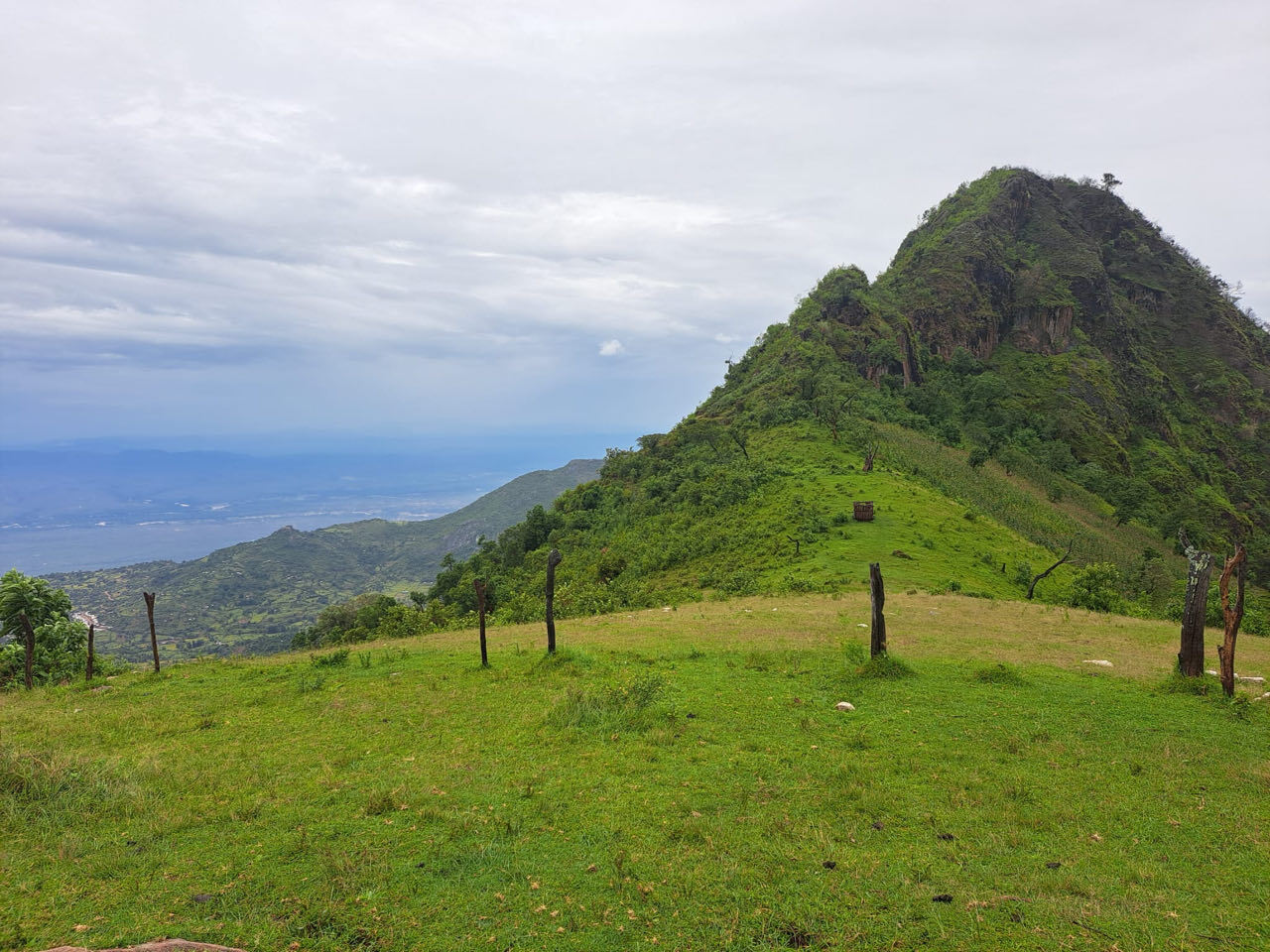
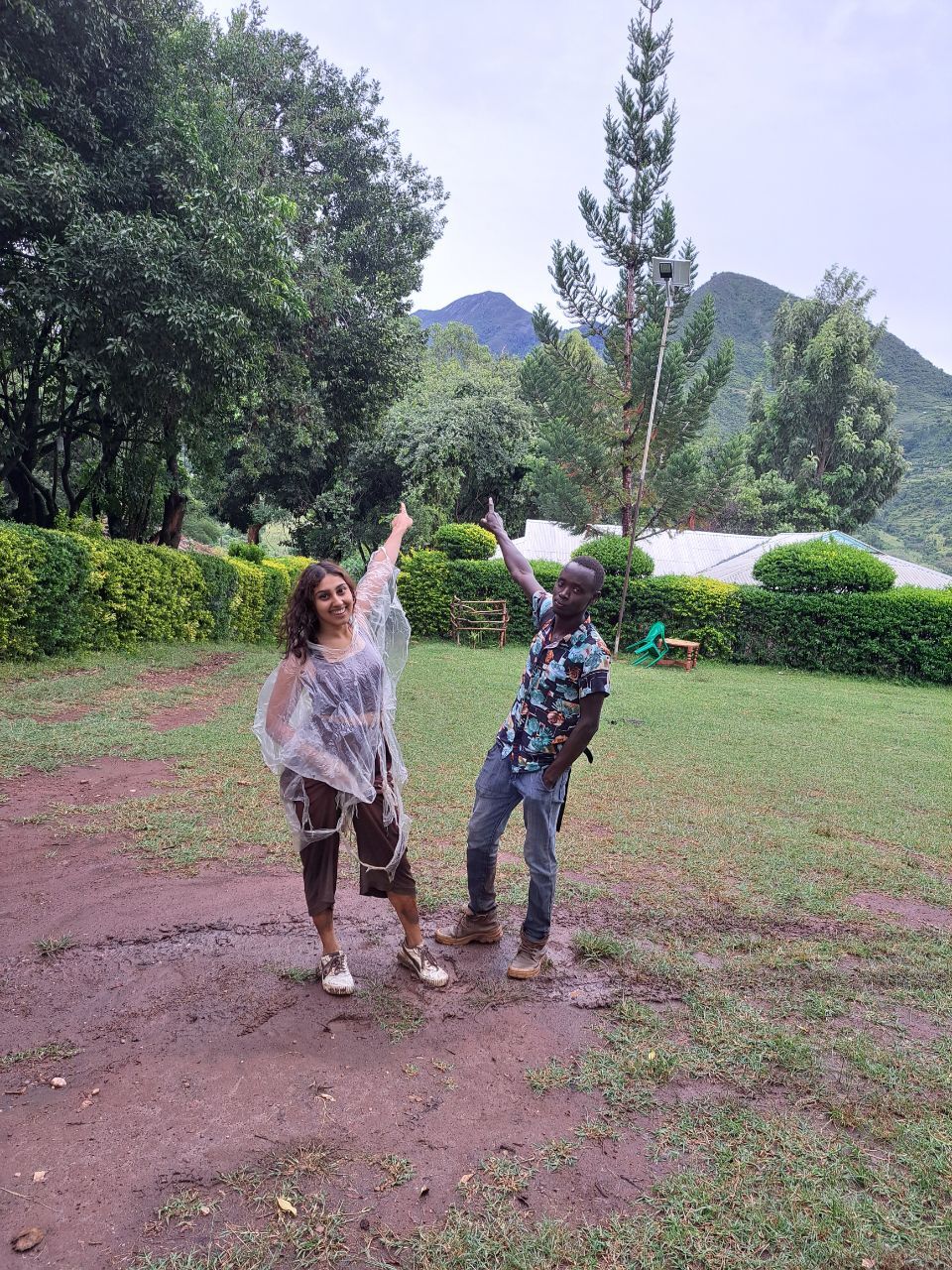
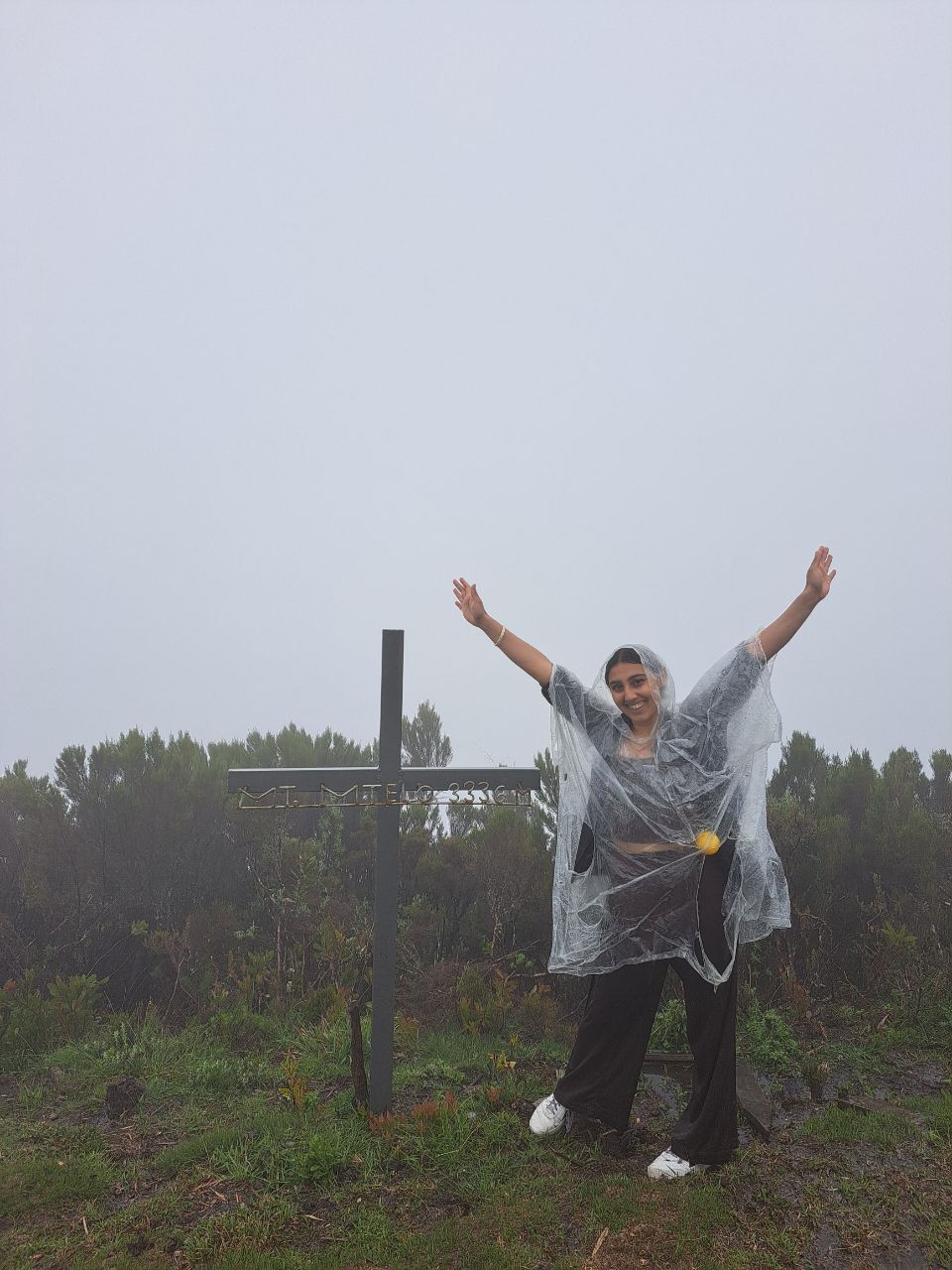
Meanwhile, after five hours of hiking, Pranet and Hobson reach the summit of Mount Mtelo (at 3,336m), drenched but happy. The view? A cross and white mist.
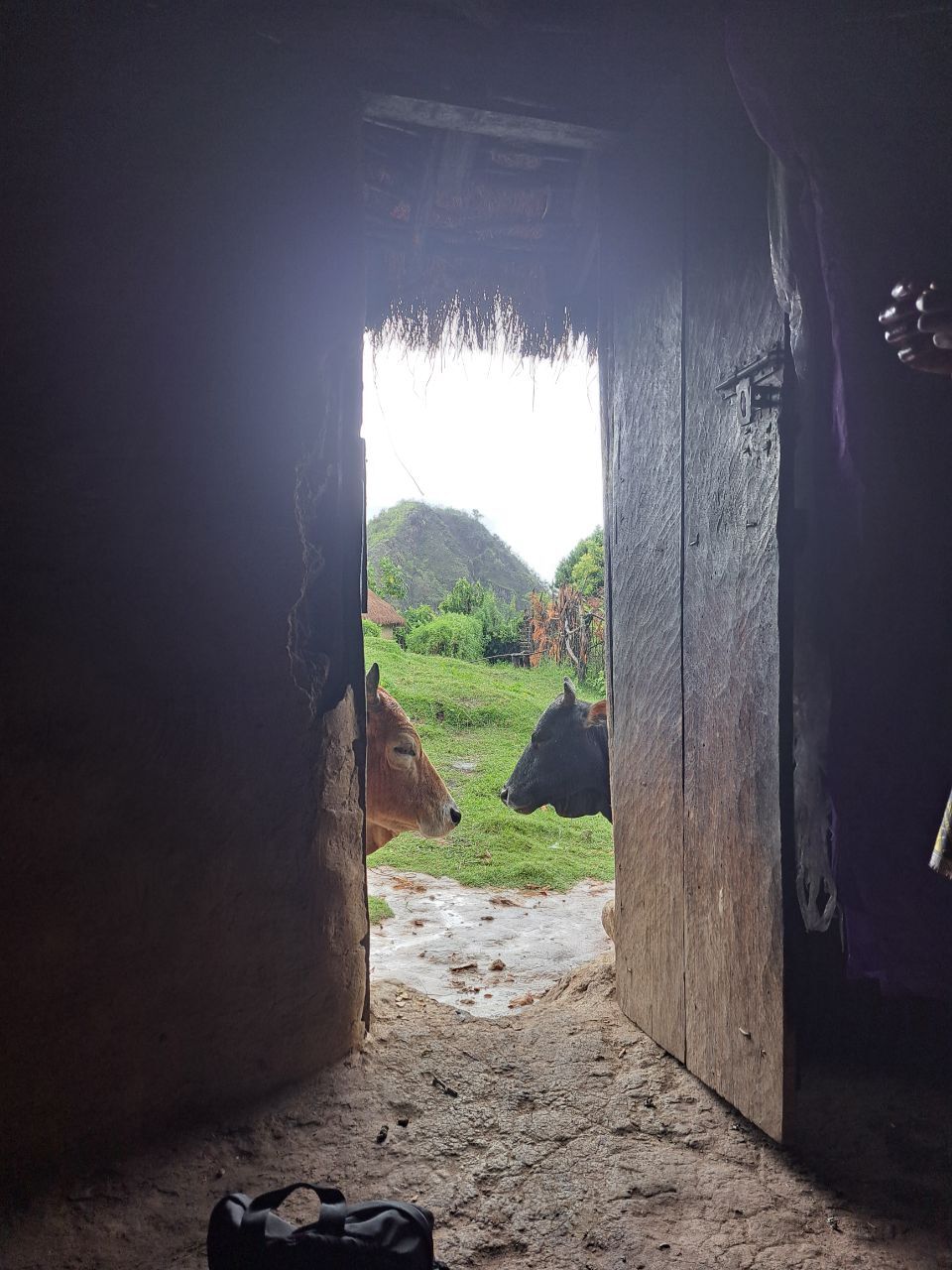
Twenty cows, ten falls, soggy muddy feet and cold stiff hands later, Hobson and Pranet find shelter on the way back at the hut of a woman and her daughter. They sit shivering barefoot by the fire among chickens and chicks scratching around. Occasionally a cow pushes its head inside. The woman lives entirely self-sufficiently, with a field and animals. Apart from clothing and the bed in the hut, she and her daughter have no other possessions.
As thanks for the hospitality, Pranet gives her some nut mix and the money she has with her (1,000 Kenyan shillings, about 6.70 euros, enough here for several meals). The woman was grateful for the gesture.
Back at the ecolodge, Pranet looks as if she has fought a lion (and won!), with mud and cow dung on her legs.
Read part 2 next week.
De redactie
Latest news
-
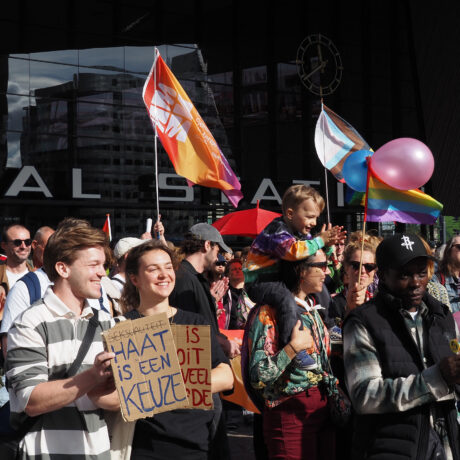
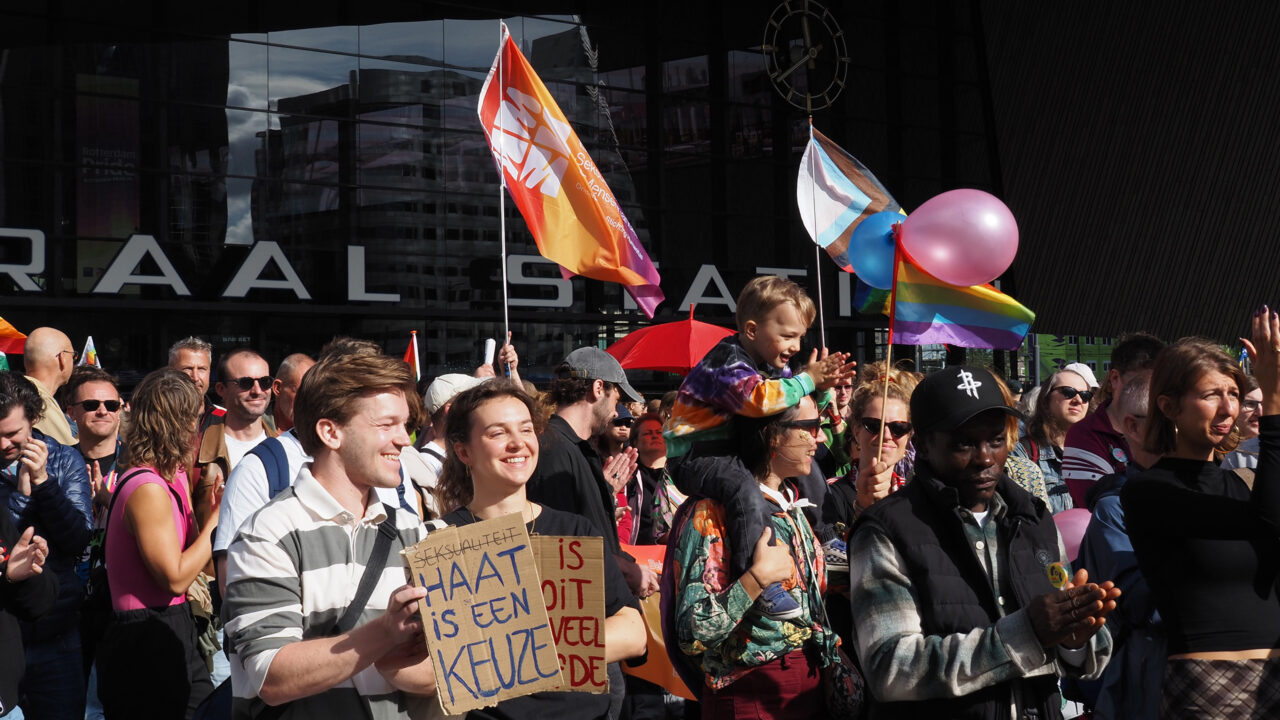
Students and staff join the Pride March: ‘We must stand up for this community’
Gepubliceerd op:-
Diversity
-
-
EM TV newsflash: Too many internationals, too many information platforms and more collaboration with the military
Gepubliceerd op:Article type: Video-
EM TV
-
-
18-year-old student dies after ‘hazing party’ in France
Gepubliceerd op:-
Student life
-
Comments
Comments are closed.
Ad
Read more in Student life
-
18-year-old student dies after ‘hazing party’ in France
Gepubliceerd op:-
Student life
-
-
Jasper has lost his carefree outlook since the attack on Erasmus MC, but the experience will make him a better doctor
Gepubliceerd op:-
Mental health
-
-
Government sets aside millions extra for student accommodation construction
Gepubliceerd op:-
Housing
-