Ad

Europe wants to double science budget and distribute it more fairly
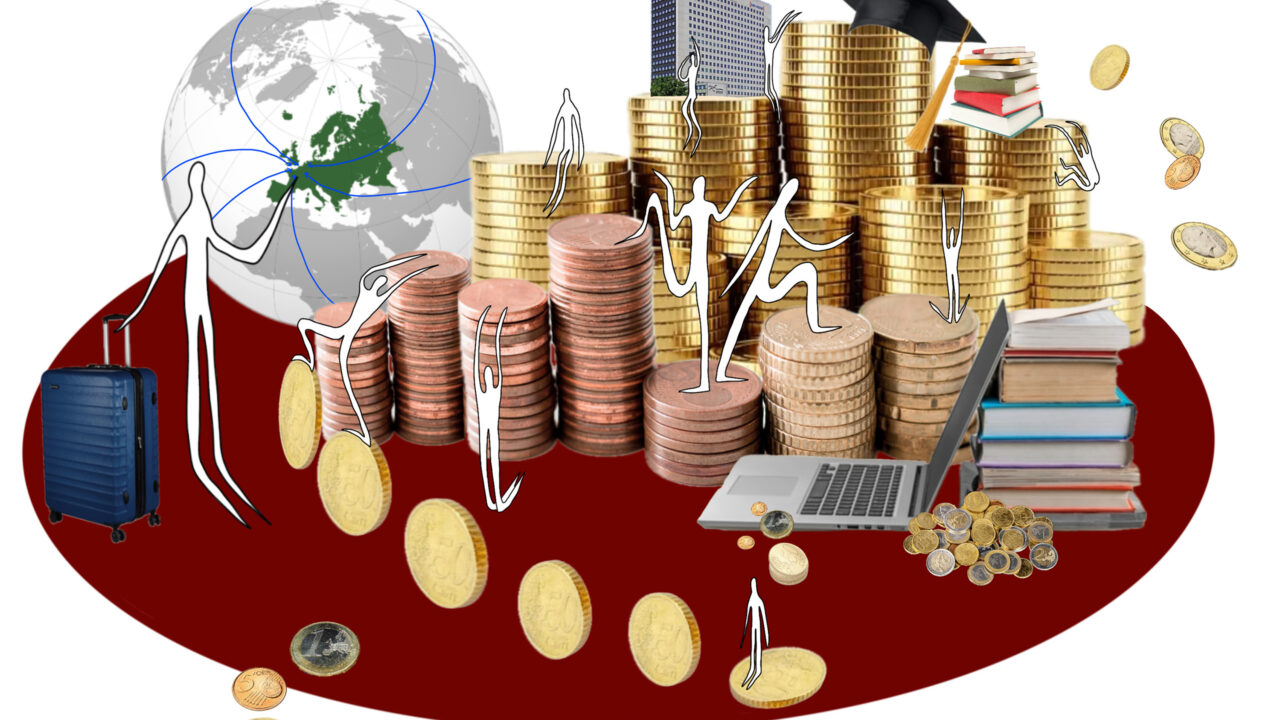
In the distribution of European research funding, candidates should be assessed solely on excellence, minister Letschert told her fellow EU science ministers. But she sees nothing in ‘anonymous’ grant applications. Nine questions and answers about the EU science budget.
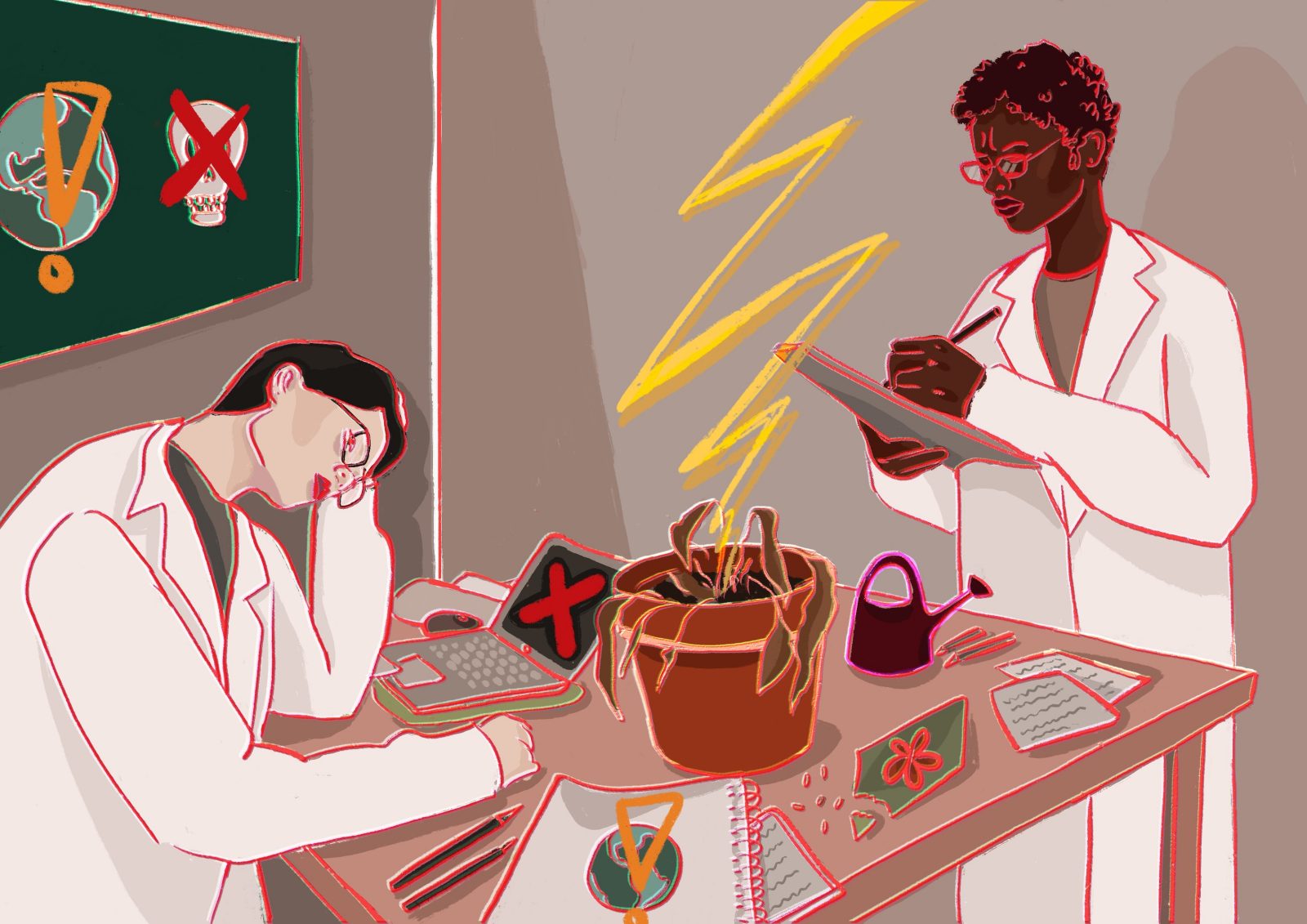
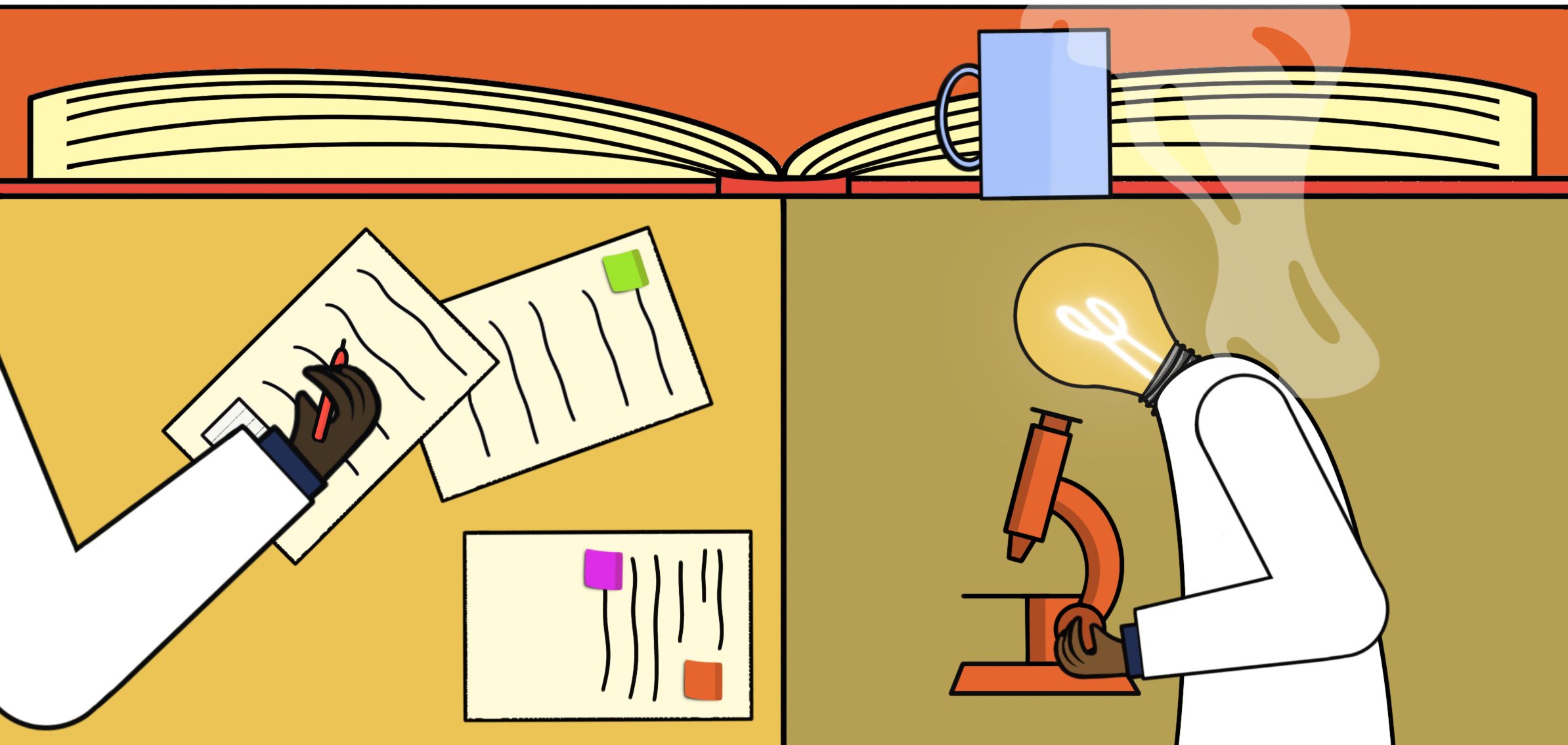
Image by: Josine Henneken
The European Commission wants to roughly double the research budget in the next multiannual programme. Governments will once again discuss the EU budget this week. Behind the scenes, there is intense negotiation over who gets what.
One of the key issues: how should the extra billions of euros in the Horizon Europe research programme be distributed? In European science, things are somewhat unbalanced: some countries receive almost nothing from the EU, while Dutch universities, universities of applied sciences and companies celebrated two weeks ago that they had already secured five billion euros from Horizon.
These billions are currently distributed mainly on the basis of ‘excellence’: only the best research proposals are rewarded. The Netherlands wants to keep it that way, minister Letschert said recently in a Brussels meeting with other science ministers.
At the same time – and that is striking – she sees nothing in ‘anonymous’ grant applications, meaning applications where the reviewer does not know which country they come from. Nine questions and answers about the Dutch position.
For whom could ‘excellence’ be a problem?
Applying for funding is a skill in itself. Excellent proposals mainly come from countries that have a lot of experience in successfully submitting proposals. The final distribution of the money is unfair, the European Research Council (ERC) recently concluded.
What is unfair about it?
The hope is that lagging countries will try hard and become stronger, but there is a risk that successful countries will simply become even more successful, as former ERC vice-president Eveline Crone once explained. It is conceivable that countries in a weaker position will then start to wonder why they are contributing to Horizon at all.
Crone already said this in 2021. Has nothing changed since then?
Yes, countries such as Greece, the Czech Republic and Poland have in fact become more successful. But countries such as Bulgaria, Latvia, Slovakia, Romania and ten other lagging countries are still nowhere near being able to compete with Western European countries.
What can the EU do about this?
The European Commission proposes reserving 5.3 billion euros of the Horizon budget from 2028 specifically for these ‘widening countries’. If these countries use the money to develop their research capacity, the whole EU will benefit, is the idea.
Sounds like a good plan, right?
The Dutch government agrees. But the European Commission adds an extra condition for accessing this fund: it requires countries to invest seriously in research and development themselves. This is causing a lot of debate. The Netherlands is a strong supporter of this idea, while eight widening countries oppose it. They call the extra condition ‘unacceptable’.
Isn’t this just a matter of negotiating and meeting in the middle?
A compromise is indeed being actively sought: EU chair Cyprus wants to conclude the negotiations this month. In doing so, the Netherlands (alongside ‘excellence’) is pushing for a definitive end to anonymous grant applications. And in general, the cabinet-Jetten believes less money should go to Europe.
What exactly are anonymous grant applications?
For a long time there has been a belief that successful countries keep being successful due to unconscious bias among those assessing grant applications. These reviewers may be inclined to judge proposals from successful countries more positively.
That is why the European Commission launched a pilot in 2023 with anonymous applications. In the first of two selection rounds, the name of the applicant and university was omitted. The list of top scientific publications was also removed in that round.
According to the Netherlands, the pilot achieved nothing except extra bureaucracy. The Ministry of Education said, when asked, that ‘no clear bias was found’. An official from the European Commission said something similar: blind reviews did not lead to widening countries receiving more research funding. The Commission has not provided data or figures, but considers the pilot to be finished.
Why is the Netherlands raising this issue then?
The chair of an ERC working group suggested this year that there may be a ‘postcode bias’ among reviewers, which could advantage successful countries. So the idea has not disappeared.
Does anonymous review make any difference if the Netherlands always scores well anyway?
We asked the Ministry of Education, Culture and Science about this. A spokesperson says that a ‘compromise is needed’ in Europe. We did not get much further than that, but it is possible that ‘anonymous submission’ is being used by the Netherlands as bargaining material in negotiations over the distribution of the budget.
Read more
-
Israel receives less and less European research funding
Gepubliceerd op:-
Science
-
De redactie
Comments
Comments are closed.
Ad
Read more in Science
-

Did your parents know what your sex life was like when you were eighteen?
Gepubliceerd op:-
Eureka!
-
-
Universities must demonstrate their economic value, says House of Representatives
Gepubliceerd op:-
Politics
-
Science
-
-
Leaving money to a university? Many people do not know it is possible
Gepubliceerd op:-
Science
-