Ad

Senior official foresaw mental harm to young people from Covid measures
The Covid measures hit students hard. Whether enough was done for them during the lockdowns is a difficult question, said senior official Roscam Abbing during his hearing in the House of Representatives.
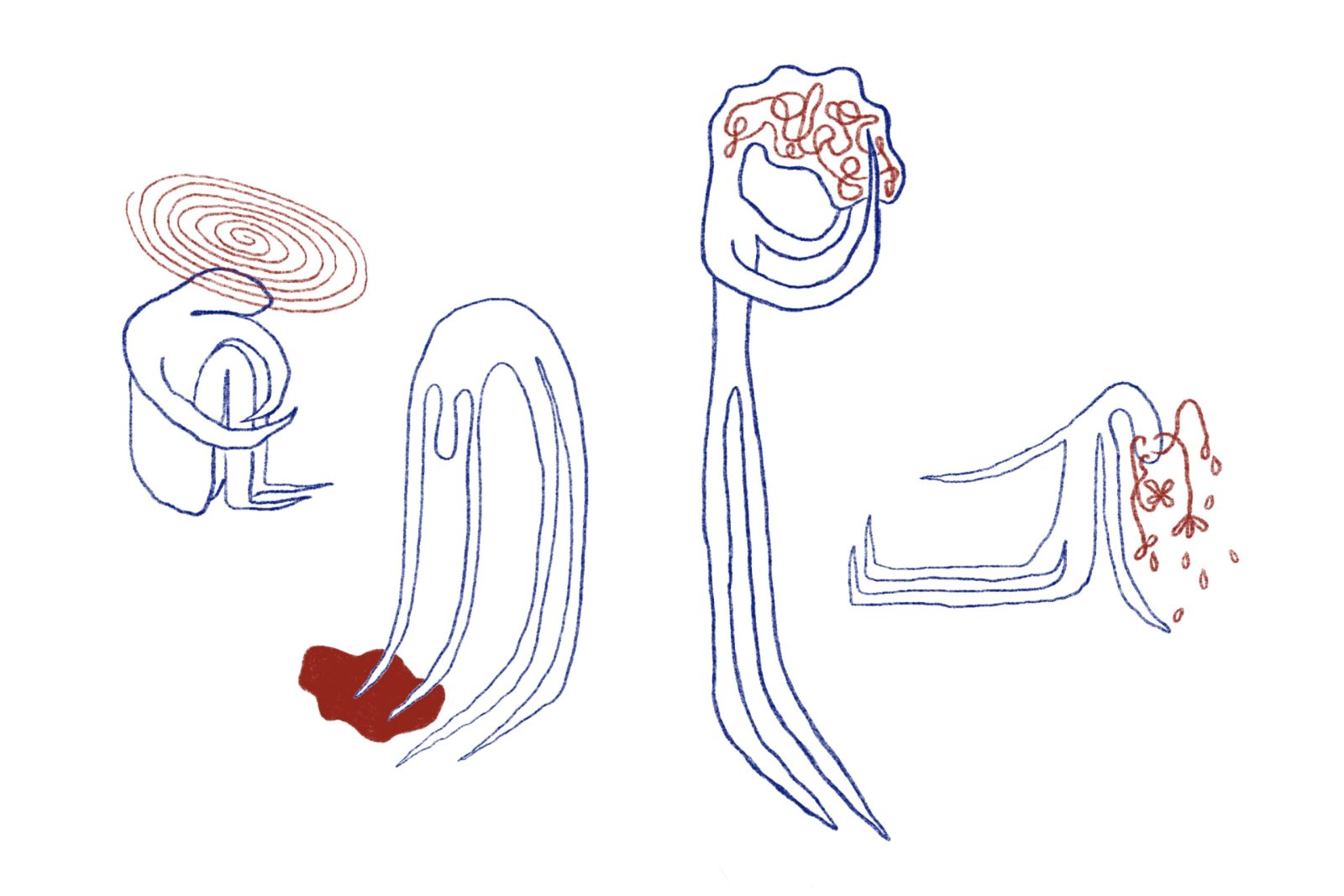
Image by: Sonja Schravesande
Classes and seminars moved online, society activities were cancelled, internships could not go ahead and students lost their part-time jobs. Contact with fellow students and lecturers decreased and loneliness grew.
There were major concerns about the position of young people during the Covid crisis, said Mark Roscam Abbing in his hearing on Monday. The negative consequences, he said, ‘did not so much come from the virus, but from the measures’. The closure of education ‘has caused the most structural damage’.
Roscam Abbing was appointed in October 2020 as ‘director-general society Covid-19’. He was tasked with addressing the social impact of the pandemic on society.
Looking back
He is one of many who are now being questioned by the parliamentary inquiry committee, which was set up to look back at the coronavirus policy and draw lessons for the future. The idea is that we will then be better prepared for a next crisis. Over nine weeks dozens of key figures are being heard, including former ministers and virologists.
When Roscam Abbing started his role in the autumn of 2020 the world was already deep in the coronavirus crisis. The hope was that we would slowly come out of it, he said. But that did not happen: stricter measures remained necessary.
Avoiding contact
According to Roscam Abbing it was clear that something had to be done for young people, ‘who actually had little to fear from the virus, but suffered a great deal from the measures’.
To curb the spread of the virus you want to avoid contact, but ‘young people in particular often have a great need for contact’. The closure of education led to learning delays and socio-psychological damage, according to Roscam Abbing.
He was asked whether it was known in advance that the closure of education would have this impact. “Yes, actually.” Earlier international research had already pointed to this.
Harrowing stories
Roscam Abbing heard harrowing stories from young people during the crisis: “They were convinced, and I believe them, that these measures caused far more damage than the virus could have”. Whether enough was done for this group he finds ‘a very difficult question’.
During the 2021 curfew research was carried out into the mental well-being of students. That found that two in three students felt emotionally exhausted. A quarter were life-weary and at times wished that they would never wake up again after falling asleep.
According to Roscam Abbing, complicated choices had to be made constantly. The closure of education or limiting hospital admissions ‘are decisions about life and death that you have to make at that moment’.
To mitigate the effects of the lockdowns on education and research, the cabinet made 2.7 billion euros available. Almost half of this amount was used to financially support students. The rest went to educational institutions. The coronavirus support was well spent, research showed last year.
The closure of education will be addressed in more detail in two weeks. That is the theme of week four of the corona hearings.
Een lijst met artikelen
-
Stop at all lectures and exams, EUR prepares online lectures
Gepubliceerd op:-
Education
-
De redactie
Comments
Comments are closed.
Ad
Read more in Mental health
-
Jasper has lost his carefree outlook since the attack on Erasmus MC, but the experience will make him a better doctor
Gepubliceerd op:-
Mental health
-
-
A quarter of academics suffer from symptoms of depression or anxiety, particularly young researchers
Gepubliceerd op:-
Mental health
-
Staff
-
-
With these five tips, you as a lecturer can immediately improve your students’ mental wellbeing
Gepubliceerd op:-
Mental health
-