Ad

Students want Erasmus MC to represent everyone in Rotterdam
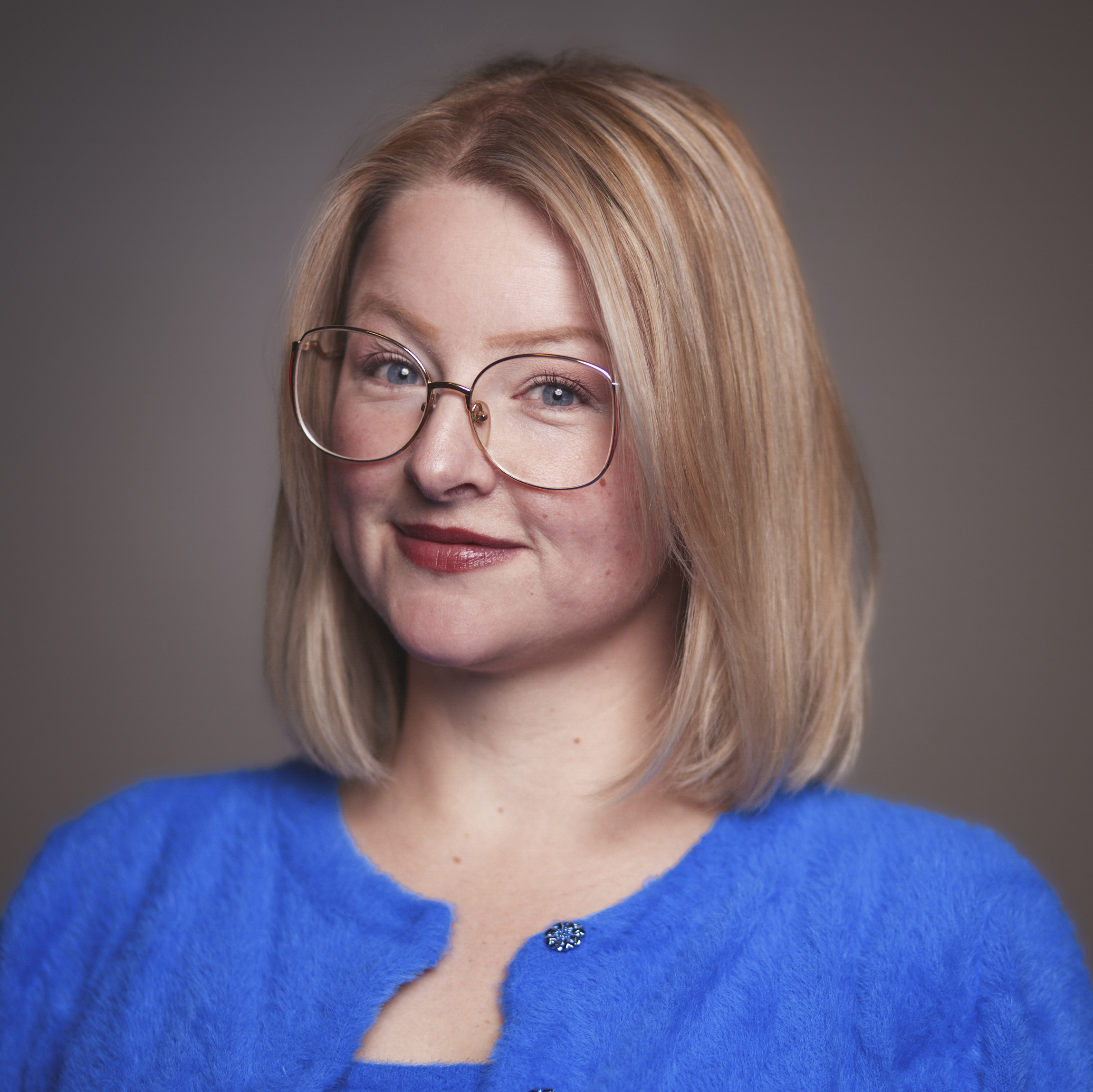
Two students at Erasmus MC intend to change the future of care. And they’ll be working toward this goal with a EUR 20,000 grant from ECHO, center of expertise for diversity policy. The provision of care needs to become more inclusive and diverse. And this means that education has to change as well. “Right now, we tend to be instructed in a single treatment method, but this isn’t always the best approach.”

Bo van den Berg en Nazir El Manouzi
Image by: Aysha Gasanova
“There wasn’t an immediate rapport, necessarily.” Nizar El Manouzi is quite frank about his experiences collaborating with Bo van den Berg. “We had a very different upbringing and come from very different backgrounds.” But after months of talking, sharing viewpoints and tinkering with their joint vision for a more inclusive care system, the two students have become a team. Together, they are the driving force behind Erasmus MC’s ‘Student Inclusion & Diversity Work Group’.
Een lijst met artikelen
-
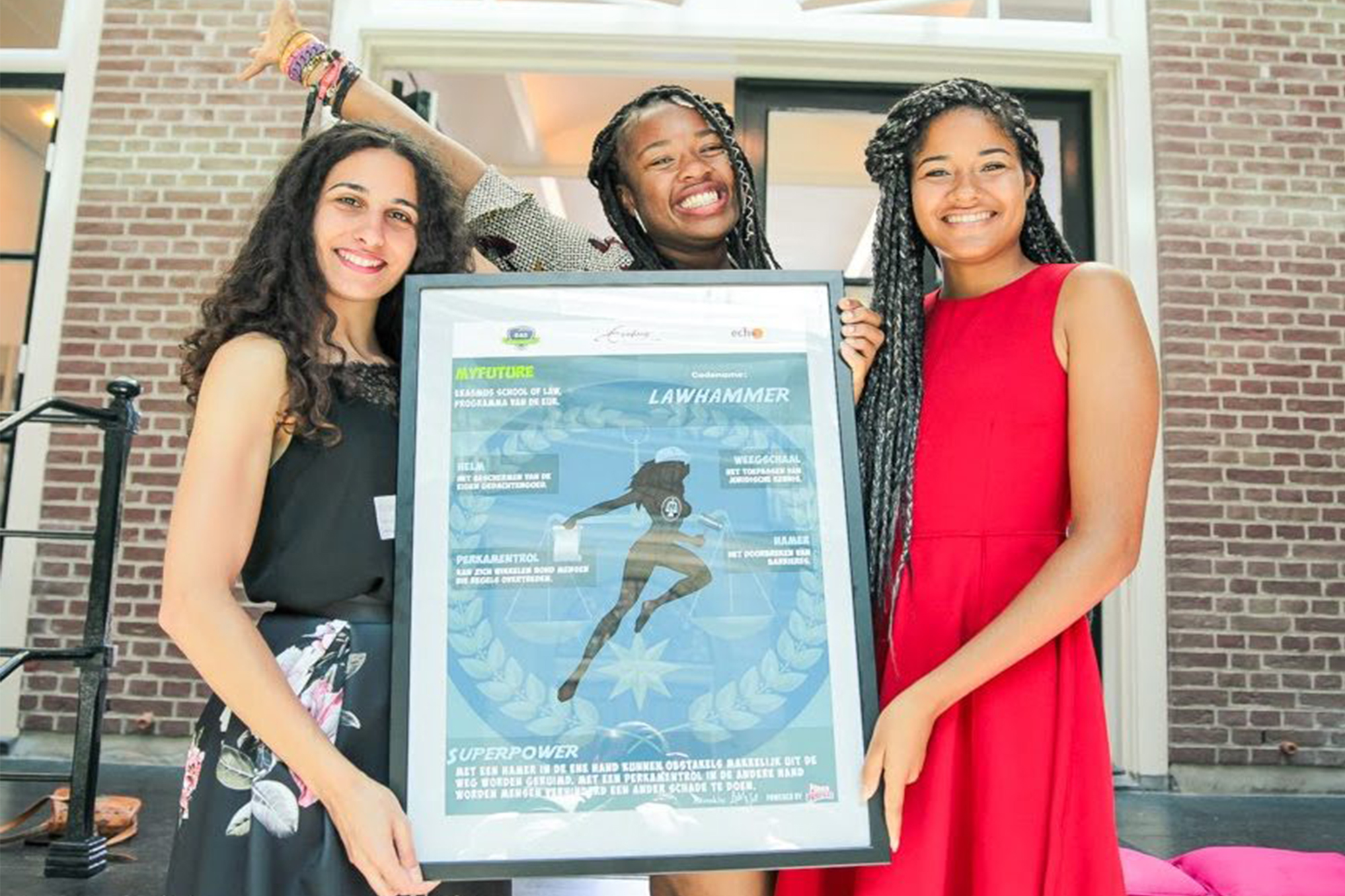
Huge grants for equal-opportunities projects
Gepubliceerd op:-
Diversity
-
Grandpa and grandma
In fact, that’s one of the things that El Manouzi (21, Medicine and Philosophy) and Van den Berg (23, Medicine) hope to promote: more discussion among students themselves. About different cultures, beliefs, domestic situations, sexual preferences and other ways in which people can differ from one another. While thinking about and dealing with diversity should be an integral part of any degree programme, the two note this aspect is often neglected in practice.
“While students do use each other for research purposes, they’re shy when it comes to talking about their differences below the surface,” says El Manouzi. “In which case, how can you deal with patients who come from a different background? A diverse team of physicians is a basic requirement in this town.” Rotterdam is a city of many cultures, backgrounds and other distinctions, but this isn’t reflected by its care systems and hospital staff, according to Van den Berg and El Manouzi.
“Right now, we tend to be instructed in a single treatment method, but this isn’t always the best approach,” says Van den Berg. She’s referring to how doctors communicate with patients, for example. Information is often shared in a very direct manner, but this isn’t necessarily the best tone of voice with many groups. This bedside manner is mainly geared toward white, well-educated heterosexuals whose income lies far above the minimum wage. This dominant method is too limited, in other words, and according to the two students it makes a lot of people feel left out. “In the case of my grandpa and grandma, who have a Moroccan background, you should actually be a bit more roundabout when explaining things,” adds El Manouzi. “It’s an entirely different approach to transferring information.”
Een lijst met artikelen
-
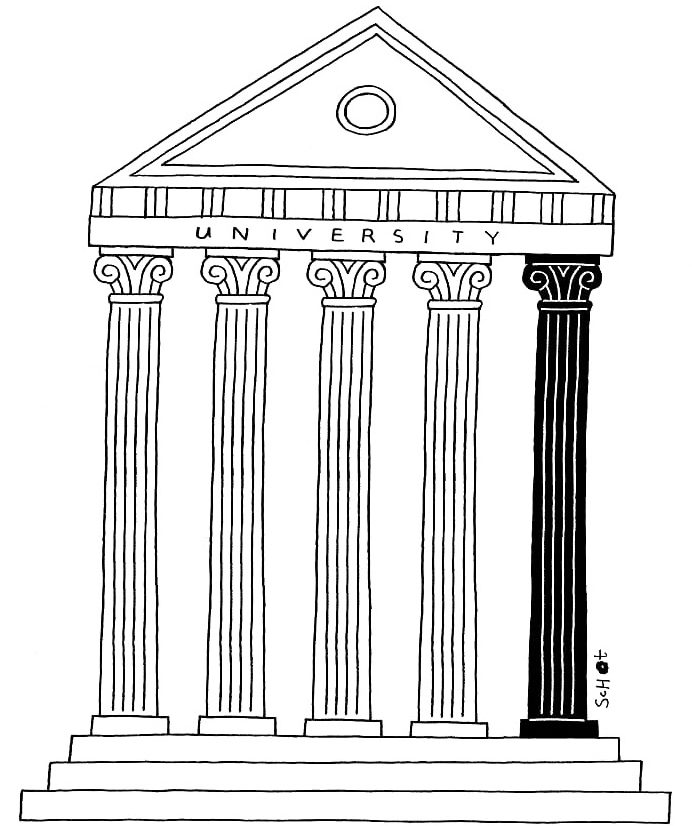
Is the university a segregation machine?
Gepubliceerd op:-
The Issue
-
Drinks
The two students aren’t just interested in making treatment methods more inclusive. In fact, it’s a change they hope to see throughout Erasmus MC’s organisation. And to achieve this, its entire workforce needs to become more diverse. All members of the staff and student body should feel valued and respected.
And there are a lot of loose ends in this area, as El Manouzi knows from experience. “As a first-year student, I never joined one of the associations here. I never felt completely comfortable. They’re all these little islands within a big Medicine bubble. A lot of students don’t feel at home in any of them.” Van den Berg adds: “Organising ‘drinks’, for example, is less inclusive than organising a ‘welcome moment’. The latter is more appealing to people who don’t drink alcohol. Addressing these kinds of details can already make a difference.”
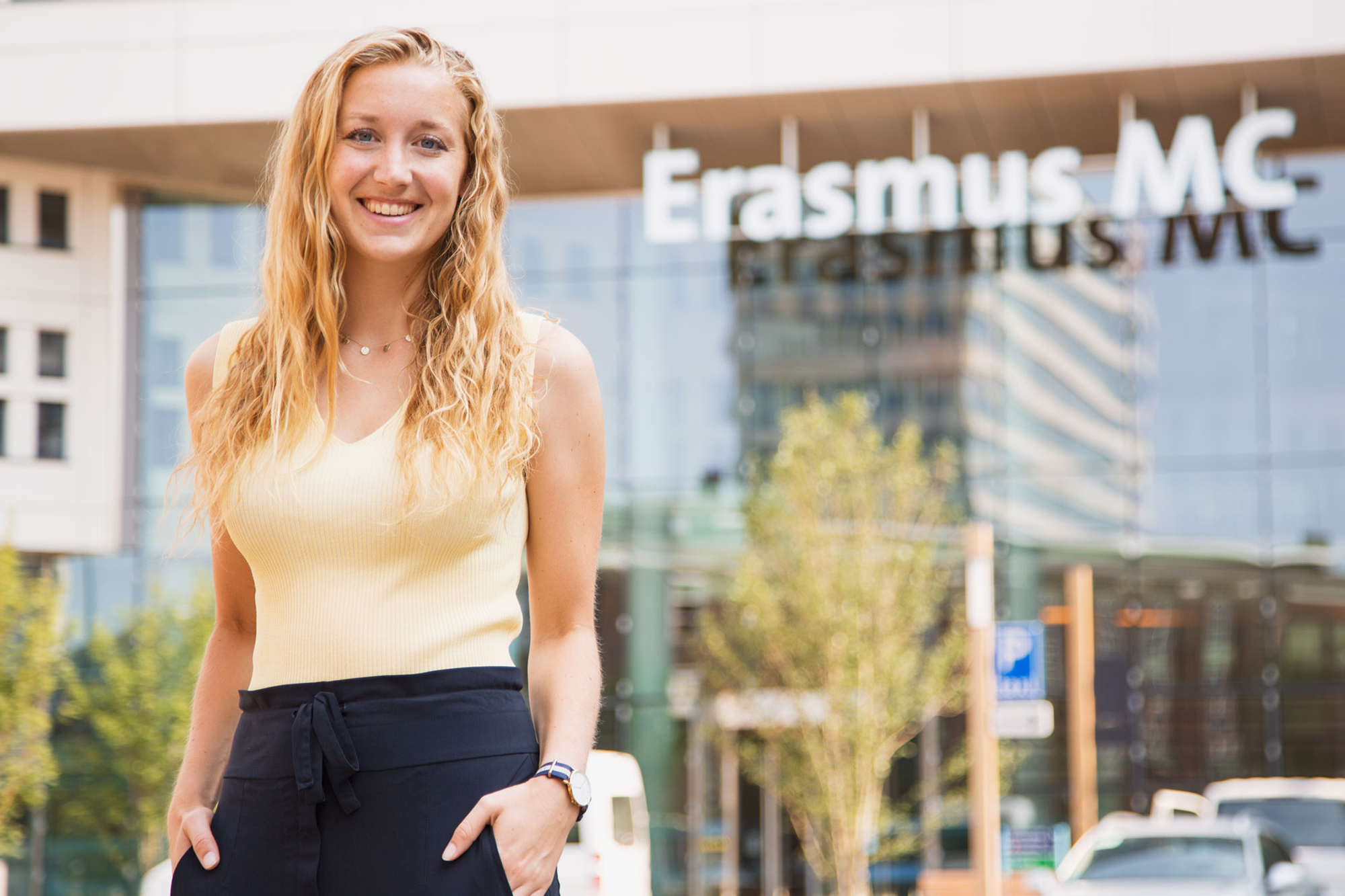
Bo van den Berg
Image by: Aysha Gasanova
Eye-opening
In the spring of 2017, Van den Berg helped organise the student-lecturer days as a representative of the MFVR study association. At the dean’s request, the theme that year was diversity. “Before then, I never gave diversity a second thought. A lot of the students walking around here are a specific type. And well, I fit the bill too,” says the medical student – white, blond hair. Preparing for the student-lecturer days, Van den Berg read a variety of accounts from e.g. students from a migrant background who didn’t feel at home in the hospital environment. An eye-opening experience, she says.
The two students hope that together, they can do something about these issues. “When you hear that students from a migrant background are given relatively lower marks during clinical rotation, you start realising that this isn’t something you can completely turn around within the space of a few years,” notes Van den Berg, discussing the current system.
El Manouzi and Van den Berg plan to use the grant for working visits, offering courses and eventually organising a large-scale symposium attended by every medical faculty in the Netherlands and Flanders. “We’ve been given two years to get things on track,” says El Manouzi. “By which time we hope to have set something up that Erasmus MC can’t afford to lose. The plan is for them to start bearing the costs from then on.”
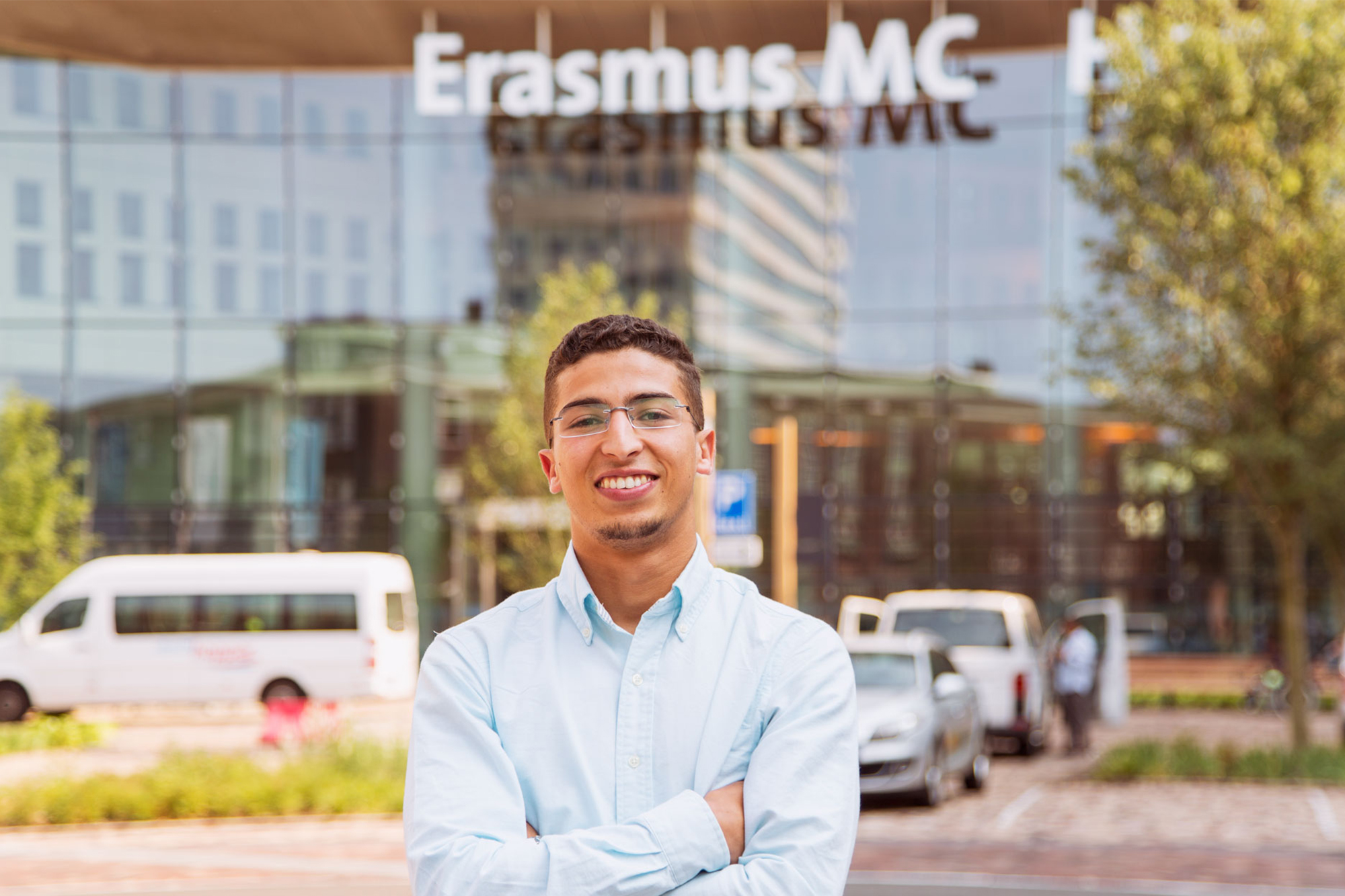
Nazir El Manouzi
Image by: Nazir El Manouzi
‘The penny will drop at some point’
While Van den Berg and El Manouzi are very aware that a change in thinking takes time, they have confidence in their plans. “The penny will drop at some point,” says El Manouzi. “We can do so much for the future of care. And this is important too. Otherwise, we risk losing knowledge and skills to other countries, even though we can definitely use them here, in our own city. Erasmus MC is Rotterdam’s largest employer. It needs to move with the times like everyone else.”
De redactie
-
 Tessa Hofland
Editor
Latest news
-
Clubs closing, expensive drinks and dancing with a matcha. How Rotterdam’s nightlife is changing
Gepubliceerd op:-
Culture
-
-
Powerhouses are like shoulder pads
Gepubliceerd op:-
Column
-
-

Seven EUR scientists receive a Vidi grant
Gepubliceerd op:-
Science
-
Comments
Comments are closed.
Ad
Read more in Diversity
-
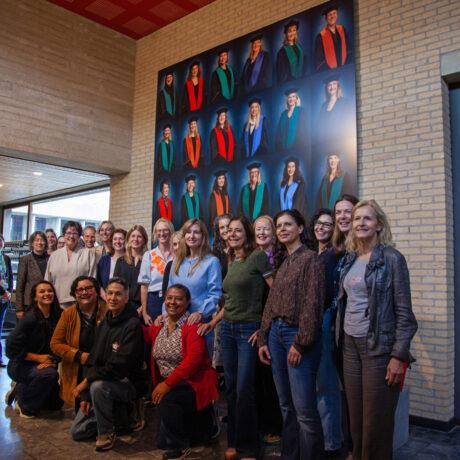
Erasmus Building gallery expanded with 48 portraits of female professors
Gepubliceerd op:-
Diversity
-
-
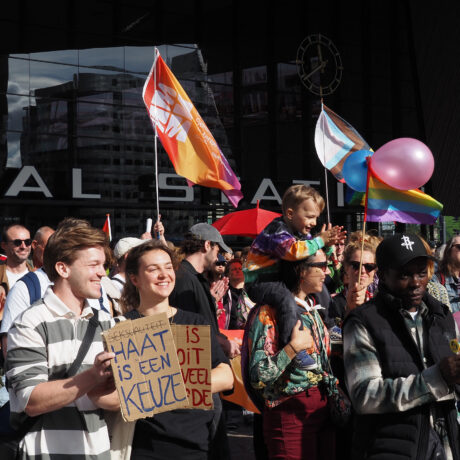
Students and staff join the Pride March: ‘We must stand up for this community’
Gepubliceerd op:-
Diversity
-
-
‘Broederliefde and the kapsalon are the cultural heritage of the future’
Gepubliceerd op:-
Diversity
-
Staff
-