Ad

Rector: ‘I truly feel betrayed by the corps’
According to the television programme Rambam, abuses took place during the RSC/RVSV hazing rituals. After viewing the footage last Friday, rector magnificus Huib Pols decided to suspend EUR’s ties with the association with immediate effect. “I find this kind of betrayal of confidence exceptionally annoying.”

Rector magnificus Huib Pols at the opening ceremony of the Eurekaweek
Image by: @erasmusuni
“If you were to ask me about the most unpleasant decisions I had to take during my term as a rector, this is definitely one of them,” says Pols. The university has revoked RSC/RVSV’s funding and grants for board activities and the fraternity/sorority’s representatives are no longer welcome at academic ceremonies or Eurekaweek. According to Pols, this is the ‘toughest sanction possible’ available to the university. “De facto, the revocation of these resources amounts to a suspension of our recognition of RSC/RVSV. But I do want to give them an opportunity to conduct a fact-finding investigation and convince me of the promised culture change.”
Also read
- ‘Deplorable incidents during RSC’s hazing activities’
- RSC/RVSV is sorry that ties have been severed and partially acknowledges its own failure
- University severs ties with RSC/RVSV, effective immediately
- ‘No changes to hazing practices in Rotterdam’
Were you shocked by the footage?
“I find it concerning. There are multiple testimonies of transgressive behaviour. It’s incredibly annoying that even though we say time and time again that physical contact is unacceptable, it happens nevertheless. Each time round we say: intimidating people is not allowed. Yet it happens anyway. We have even set up courses for people responsible for organising the introduction period that teach them how to reflect on that type of behaviour. And when they betray our confidence to this extent, they can count on the university taking the appropriate measures. I truly feel taken for a ride by the corps.”
According to RSC/RVSV, Rambam’s reportage is full of errors.
“But they have also indicated that they cannot rule out a number of incidents. You’ve read their statement and the interview in NRC Handelsblad: it effectively amounts to an implicit confession.”
One of the incidents referred to is a case where a student had to be taken to the hospital by ambulance. According to Rambam, he sustained a head injury when someone hit him and he fell against a post. RSC/RVSV attributes the fall to ‘physical and mental exhaustion’. Were you aware of this incident?
“RSC/RVSV immediately reported in August that one of the students had fainted and presented a report to the commissie Kennismakingstijd (Introduction Period Committee, KMT) commissie Kennismakingstijd (KMT) took place only 18 months ago. They should have been working on this already. And RSC/RVSV needs to offer more than just words and memorandums to convince me of a culture change. I won’t be satisfied with just a statement on the part of their Senate. I would also like to see this change reflected in the members’ behaviour.”
How do you plan to verify this?
“These measures need to be apparent during the introduction period. Of course, I won’t be taking part myself. I can imagine – although the association is free to decide which form this will take – that they can let independent observers monitor the proceedings, or set up an independent questionnaire that everyone is free to complete.”
‘No matter how many rules you draw up, ultimately, it comes down to the members’ behaviour’
Associations are independent bodies, and their members – barring a few – are all adults. Shouldn’t they be allowed to decide for themselves what goes on within their little club?
“Yes, of course they are responsible for their own affairs. But on the other hand: we’re talking about students here, enrolled in our university, and in this sense, we have a duty of care. This is expressed via our commissie KMT and by maintaining close ties with the students’ social organisations. And we agree that an introduction period needs to comply with a number of regulations, in view of this duty of care.”
Some universities have a code of conduct in place for initiation ceremonies. Why not Rotterdam?
“We have decided to formulate specific points of attention. In effect, this list of points of attention amounts to a kind of covenant or code of conduct. But no matter how many rules you draw up, ultimately, it comes down to the members’ behaviour.”
Last year, you said that you didn’t see any reason to adapt the hazing rituals.
“That isn’t quite the way I put it: I didn’t use the term hazing rituals. I didn’t find it necessary to change the regulations regarding the introduction period. We have specific agreements in place via the commissie KMT and very short lines of communication with the associations themselves. This starts with a spring consultation meeting, during which we examine whether possible measures taken in response to issues flagged during previous introduction periods have been effectively and visibly implemented. And in August, we meet to discuss the plan of action for the introduction periods. We add notes to this playbook and make adjustments. In addition, the associations are required to keep medical journals and logbooks. These are provided to the committee and discussed by its members. If they reveal any dubious goings-on, the committee can order an investigation and I can impose sanctions where required.”
‘I’m not here to police people. This is very explicitly the responsibility of the associations themselves.’
And this presents sufficient guarantees for safety?
“I see this as an important effort on the part of the university to ensure that people are treated decently and respectfully during the introduction period. I’m not here to police people. I’m not in the position to either. This is very explicitly the responsibility of the associations themselves.”
You see no reason for adapting the existing agreements?
“Do you see any shortcomings in our current agreements?”
I’d prefer you answer that question.
“I don’t think so. And as you can see: when our confidence is betrayed, we don’t hesitate to take action.”
De redactie
-
 Tim Ficheroux
Desk editor
Latest news
-
Desperate medical students are offering each other money to start their internships earlier
Gepubliceerd op:-
Education
-
-
Still a shortage of 20,000 student homes
Gepubliceerd op:-
Housing
-
-

‘With gadgets like Meta Glasses, we pay to be surveilled’
Gepubliceerd op:-
The Issue
-

Comments
Comments are closed.
Ad
Read more in Student life
-
Still a shortage of 20,000 student homes
Gepubliceerd op:-
Housing
-
-
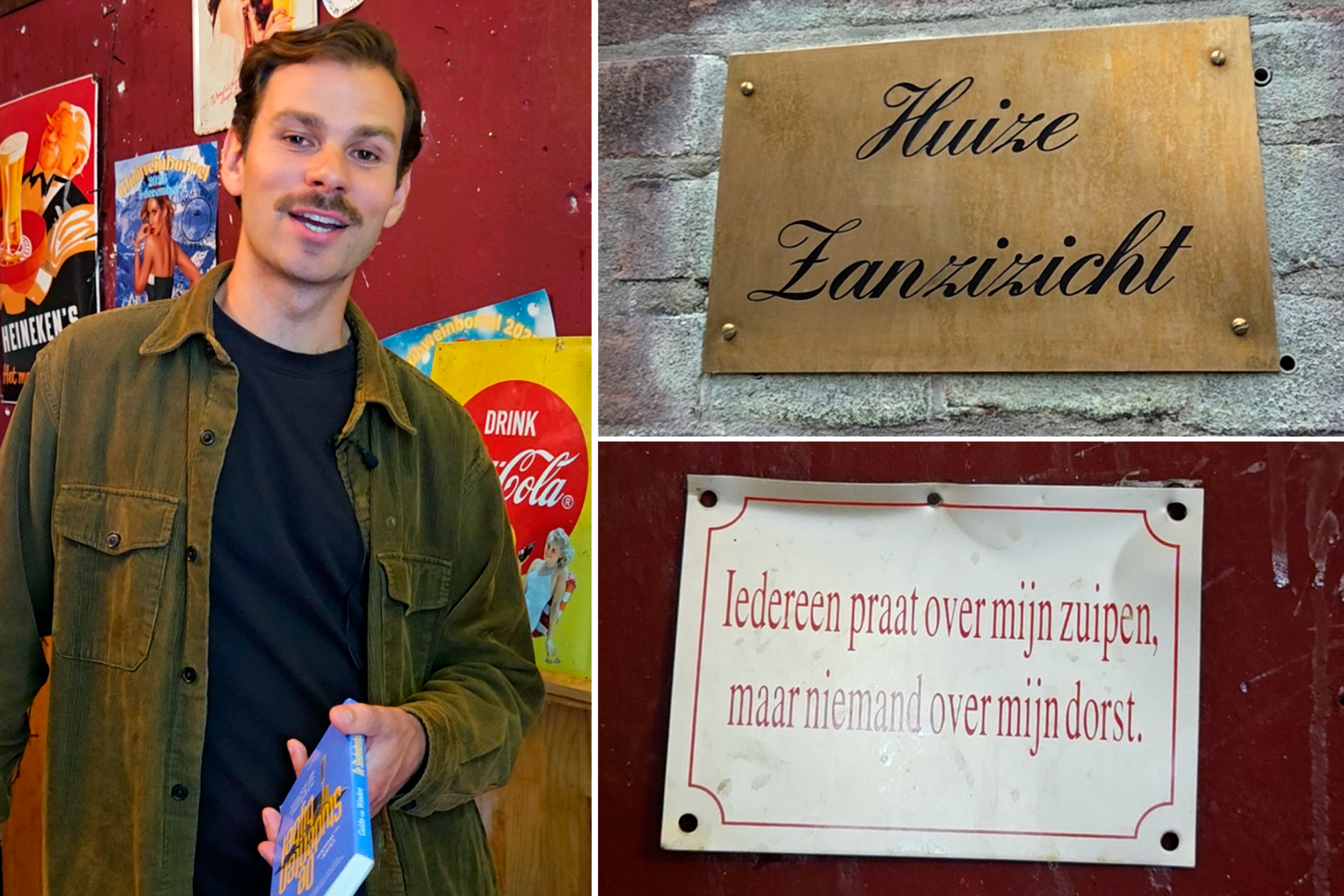
Former RSC president wrote a book about his student days: ‘Only afterwards I realised what aridiculous time it was’
Gepubliceerd op:-
Student life
-
-

Six in ten student rooms too expensive, municipalities rarely intervene (except Rotterdam)
Gepubliceerd op:-
Housing
-