Ad

The sad anniversary of powerless staff and students
Thirty years ago, the then minister for Education, Jo Ritzen, abolished democracy at universities. Columnist Chris Aalberts laments the resulting lack of debate and discussion at university.
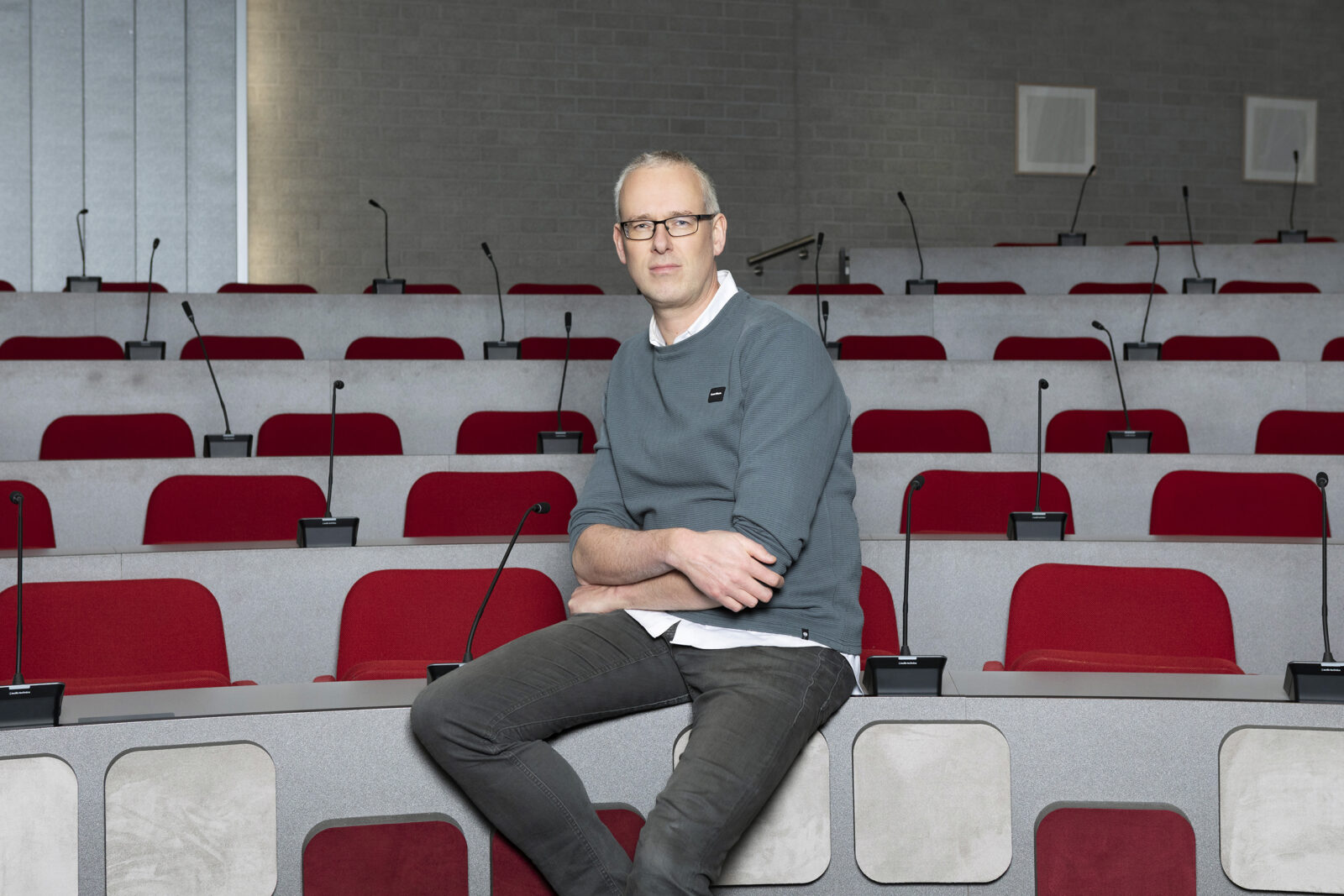
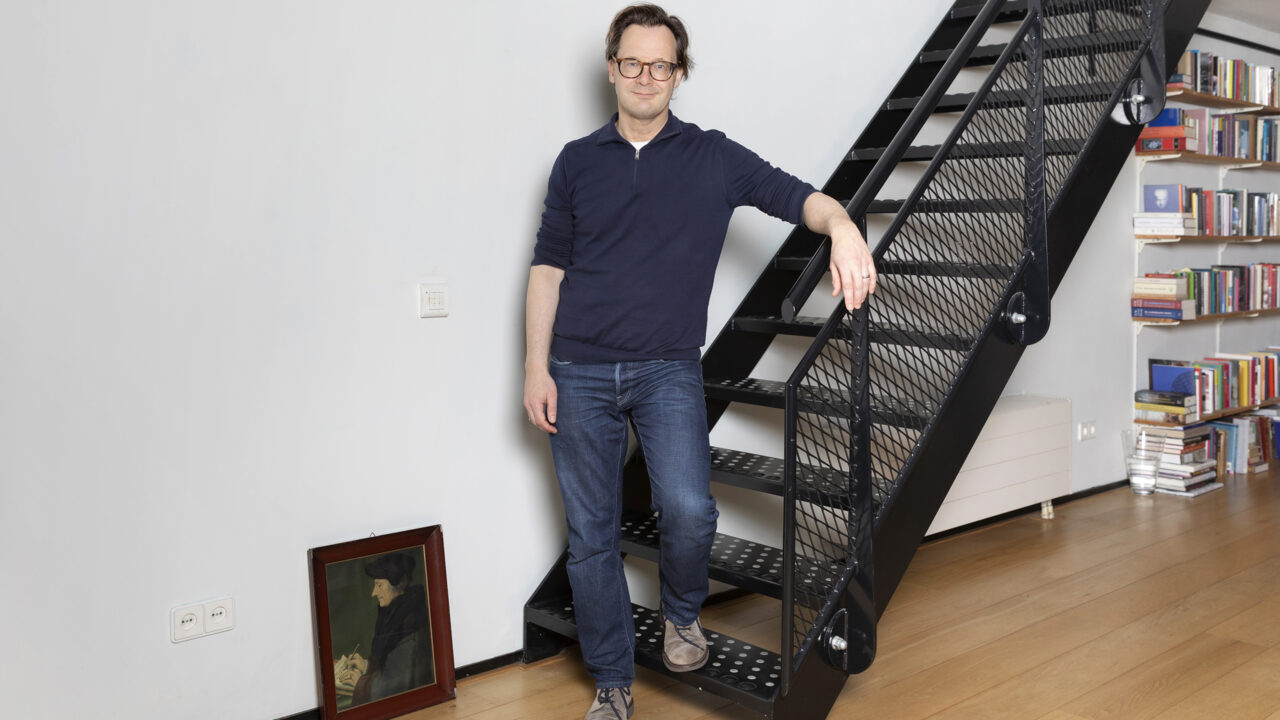
Image by: Geisje van der Linden
There was a time when the university was a democratic organisation, but by now almost no one can remember that. Universities had a university council and faculty councils in which staff and students jointly governed. It is thirty years since this shared governance was replaced by the current system: the executive board and the deans decide, students and staff have to make do with representation. A sad anniversary.
As it happens, the instigator of all this has just published his memoirs: former minister of Education Jo Ritzen (Partij van de Arbeid). How does he himself look back on this reorganisation? In his book he reflects on the policies of the governments in which he was a minister: Lubbers III and Paars I. Looking back, you can see that he regards today’s social discontent at least partly as a consequence of the policies of that time: a more businesslike approach, market forces, internationalisation, and with that a smaller public sector and more migration.
It is good to see such honesty from a former minister, but his book does not deal with the consequences of the university governance model he introduced. That is strange, because the policy towards universities was plagued by exactly the same trends: no more internal democracy but top-down management, more internationalisation because competition was assumed always to be good. Ritzen’s silence is all the more odd because after his time as minister he worked within his own system as head of Maastricht University.
‘Participation at best provides some obstructive power’
The main effect of these changes is not hard to guess: a broad undermining of the engagement of staff and students with the university organisation. The connection with institutions was already weakening because of increased mobility, and on top of that came the loss of power for staff and students. Their experiences carry little weight nowadays for the simple reason that they no longer need to be taken into account. Participation at best provides some obstructive power.
Anyone who does not believe this should simply look at everyday practice at our own university. The Executive Board openly talks about a reorganisation plan that must not be called that. Soon we will be working in powerhouses, which amount to a merger of faculties. Units within the organisation will become larger than they have ever been. A human scale is more appealing for staff and students, so you can ask yourself whether a University Council thirty years ago would have agreed to such a proposal.
Grand plans and hardly any public debate, that is Ritzen’s legacy. Most students and staff just shrug their shoulders. In a few years I will be gone from here anyway, you hear many think. Where is the forum for open discussion about major organisational changes? Why is there not a flood of debates and meetings? Why is the number of opinion pieces about such a ‘future scenario’ minimal? Why are there no petition campaigns to demand a say?
The University Council cannot replace that lively debate, if only because it operates almost by definition out of the spotlight. The worst part is that this was predictable, because if you take away people’s say in decision-making, many will sooner or later conclude that being involved is fairly pointless. Why would Ritzen not reflect in his book on the governance model he introduced? To ask the question is to answer it.
Een lijst met artikelen
-
The president of the Executive Board hopes scientists will draw energy from hot air
Gepubliceerd op:-
Column
-
De redactie
-
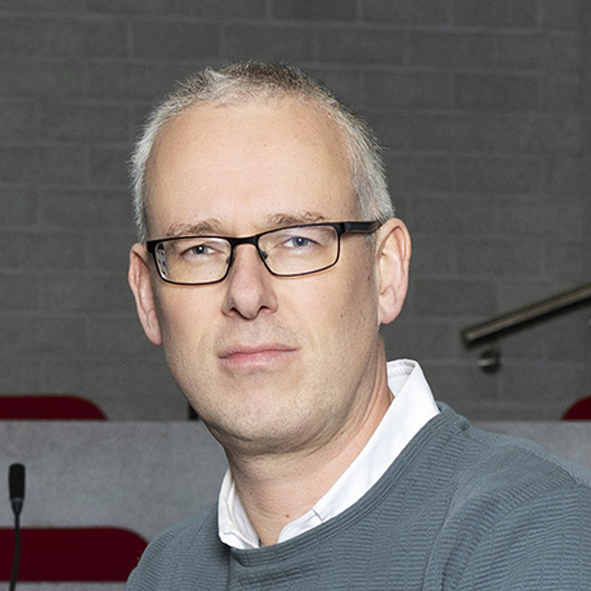 Chris Aalberts
Columnist
Comments
Ad
Read more in Column
-

Tea, theory and a healthy dose of procrastination
Gepubliceerd op:-
Column
-
-
The drama of Jason Arday
Gepubliceerd op:-
Column
-
-
The president of the Executive Board hopes scientists will draw energy from hot air
Gepubliceerd op:-
Column
-

Leave a comment