Ad

The president of the Executive Board hopes scientists will draw energy from hot air
"A reshuffling of organisational units and a lot of management-speak." Chris Aalberts gets little energy from the plan to cluster faculties into 'academic powerhouses'.
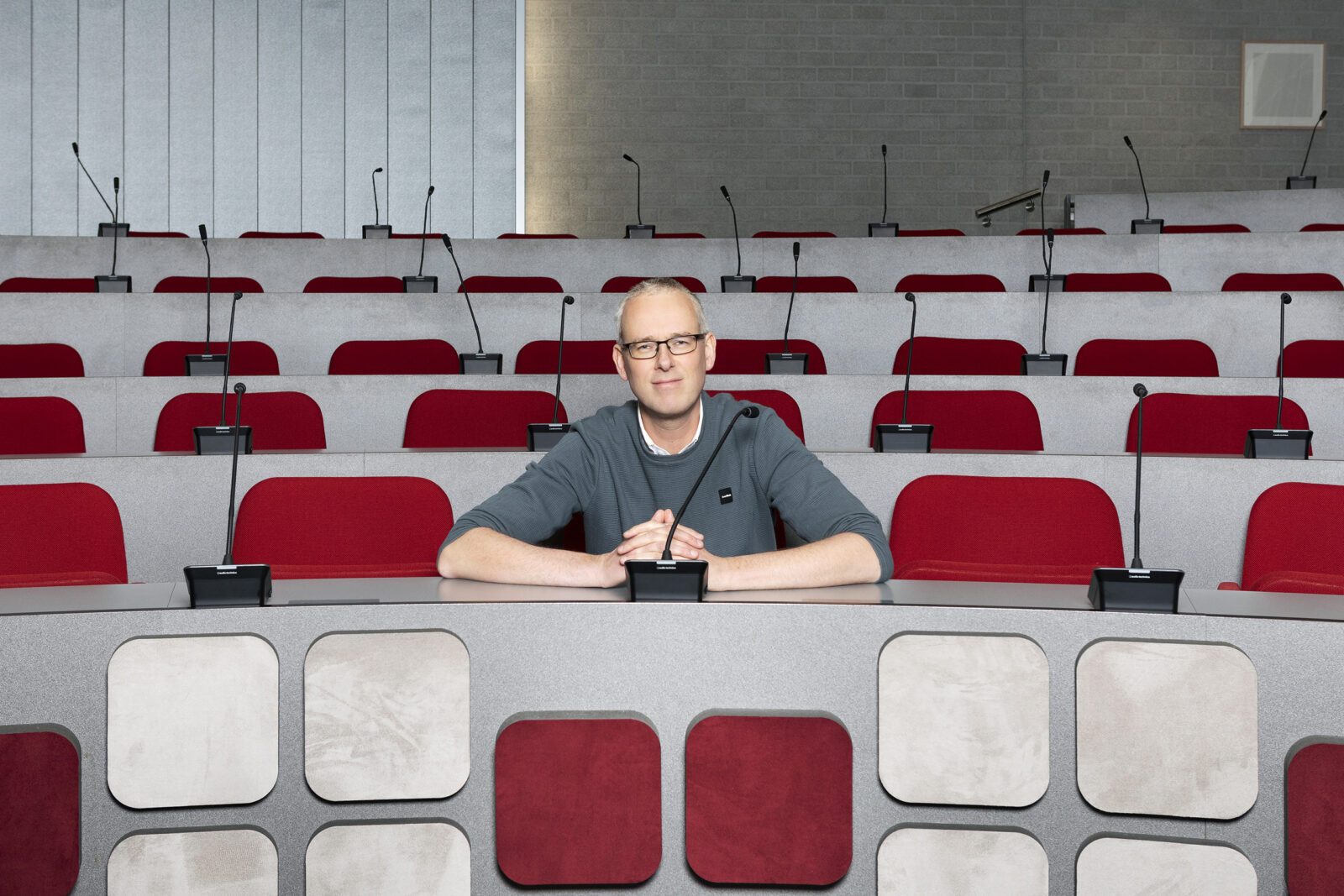
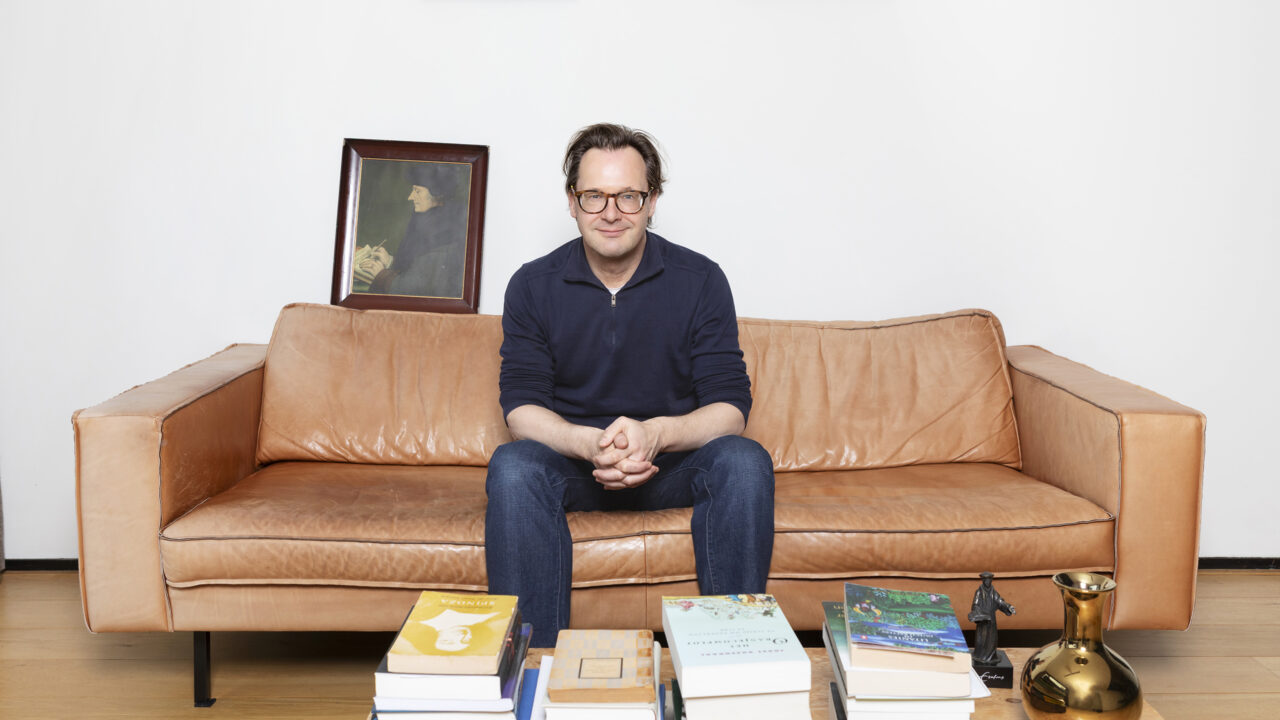
Image by: Geisje van der Linden
The most worrying announcement appears below the article: the Boston Consulting Group is helping the Executive Board map out the facts and figures. These are needed for the exploratory phase of… well, of what exactly? I suspect it is a major reorganisation, but in the Frequently Asked Questions about EUR’s ‘future scenario‘, I read that this is precisely not the case. They are merely exploring how we can work together more effectively.
President of the Executive Board Annelien Bredenoord has all sorts of ideas about this that sound rather forceful. That’s a bit odd, because the exploration has apparently just begun. It concerns the development of ‘academic powerhouses’. It is no coincidence that the term comes from the consultancy world: it sounds very powerful while meaning almost nothing at the same time. Let’s take another look at the consultancy language itself: “We are exploring how we can work together more effectively”, the Executive Board writes. “The people who work here are the movement.“
So apparently we are moving towards powerhouses, although nobody knows what they are. There will be three of them, but this is not a merger of faculties. At the same time, no additional management layers are to be introduced. Let’s think this through: there is to be greater efficiency, but there will also be a collaborative structure that ‘explicitly does not add bureaucracy‘, is not a merger but is nevertheless a clustering. Still with me?
We have a president who hopes scientists will get energy from this because they can think: “Great, the themes I work on actually fit very nicely with an impact domain in the strategy or with my faculty’s powerhouse.” I myself always feel very happy when I can link my work to whatever has sprung from the minds of our university administrators. Especially when those ideas have been developed in collaboration with consultants.
'I myself always feel very happy when I can link my work to whatever has sprung from the minds of our university administrators'
The more you read about this future scenario, the worse it gets. EUR needs a stronger profile, greater recognition and more authority. According to Bredenoord, there is currently ‘a certain degree of fragmentation.’ It is currently not that easy to explain how EUR is organised, says the dean of RSM. The fact that virtually nobody ever wonders about that is apparently irrelevant. If these powerhouses really come about, will the EUR actually be easier to explain?
We need to make choices before others make them for us, says Bredenoord, who then comes up with some kind of matrix. There are two perspectives running through the three powerhouses, so that everything still fits within the new organisational structure, meaning that in fact no choices are made at all and nothing is discarded, while the Executive Board is setting this whole story in motion because contraction will take place within a few years and a sharper profile is therefore needed.
So that profile is being created through a reshuffling of organisational units and a lot of management-speak. According to Bredenoord, this is ‘necessary renewal’. Otherwise we will become a kind of Nokia, which always thought it was a frontrunner, but whose brand nobody now remembers ever existed. I will leave it to you to decide whether this is a logical comparison. What you think is not relevant anyway, because you cannot have your say at this stage: the deans are still meeting.
Fortunately, they know very well what gives you and me energy.
Een lijst met artikelen
-
The academic boycott of Israel is creating a culture of fear
Gepubliceerd op:-
Column
-
De redactie
-
 Chris Aalberts
Columnist
Comments
Ad
Read more in Column
-

Notes on your phone
Gepubliceerd op:-
Column
-
-

Looking back without anything weighing on you
Gepubliceerd op:-
Column
-
-
Academics allow themselves to be used by politicians
Gepubliceerd op:-
Column
-


Leave a comment