Ad

Researcher Alex Huang: The corporate world is often better for queer people of colour than this university

Employers can and must do more for queer migrants and queer people of colour, says ESSB researcher Alex Huang. These people still too often face microaggressions and discrimination. “Some companies are doing better in terms of inclusivity than we are at this university.”

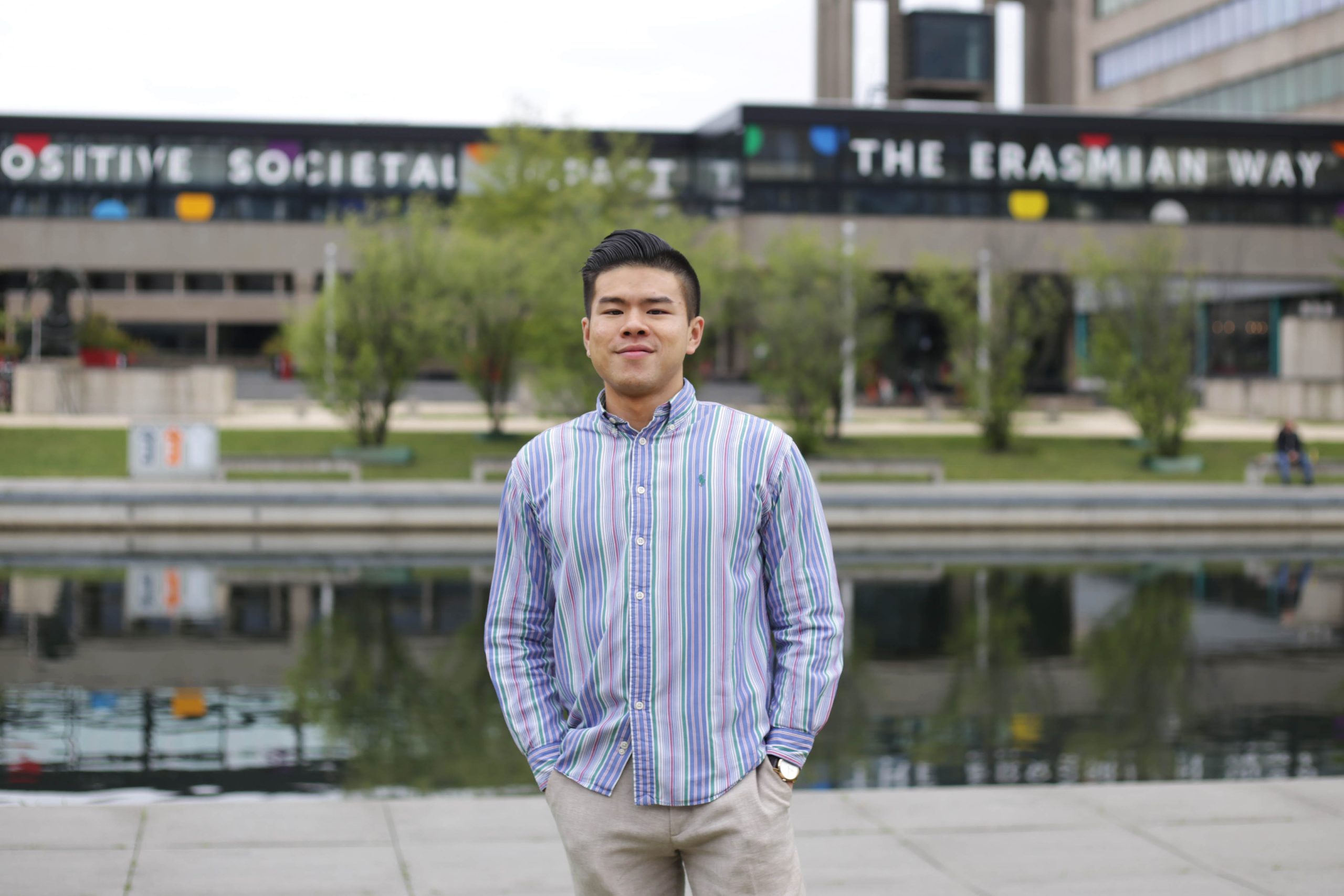
Image by: Ami Rinn
A look at the figures from Erasmus University’s most recent staff survey reveals differences between people born in the Netherlands and international staff. There are also divergences between the results for men and women on the one hand, and non-binary people or those selecting ‘none of the above [genders]’ on the other. This group experiences more pressure, less safety, less appreciation and fewer development opportunities. The same applies to staff members of non-Dutch nationality. Whether or not someone is LGBTQIA+ makes little difference, although it is striking that queer people experience less psychological safety within Erasmus University.
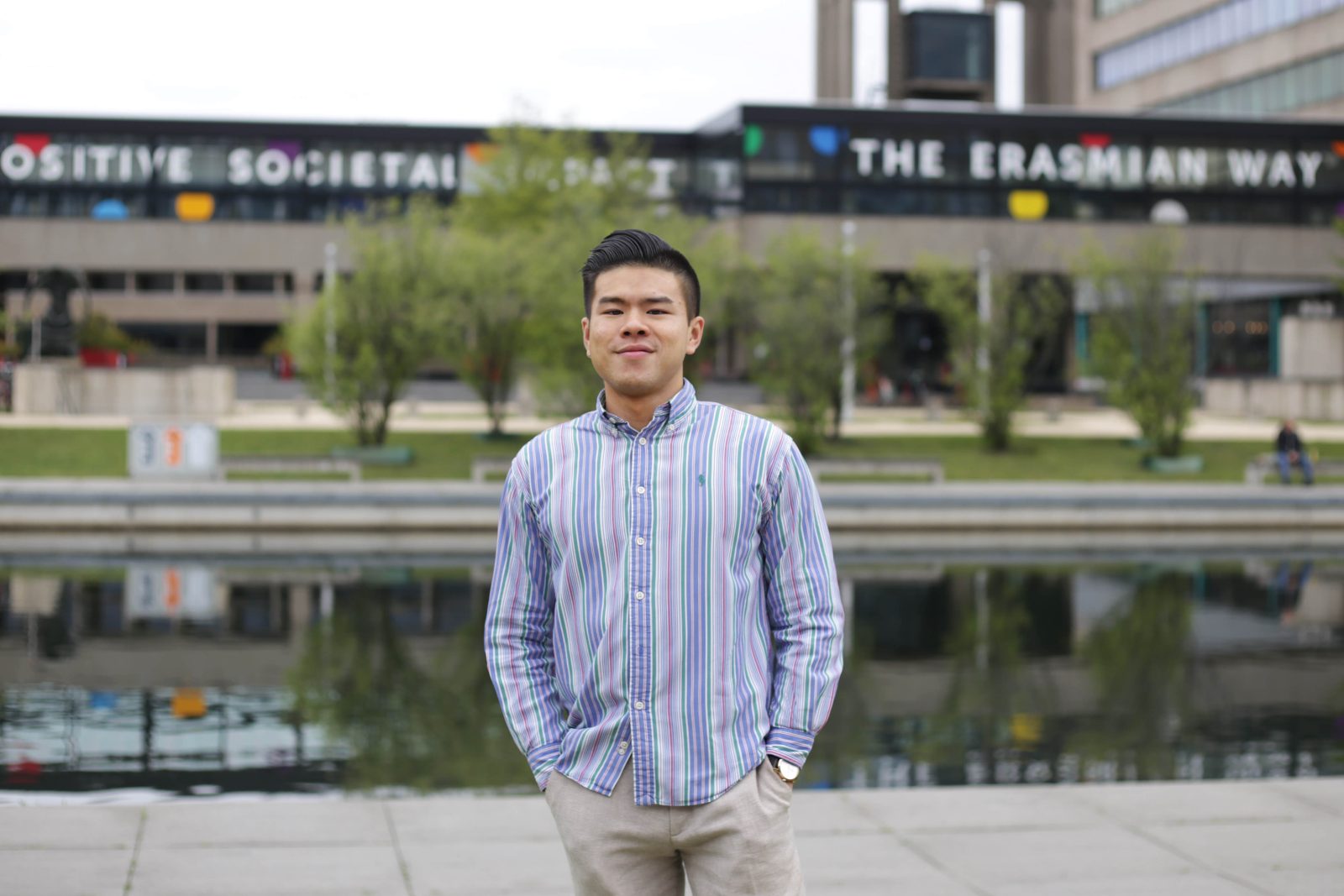
Alex Huang
Image by: Thanh Nguyen
These figures come as no surprise to researcher Alex Huang of the Erasmus School of Social and Behavioural Sciences. “All marginalised groups score lower in most categories”, he concludes. As a queer migrant, first here as a student and now as a staff member, he himself experienced microaggressions (subtle, often unintentional remarks that are hurtful), the feeling of not quite belonging, having to come out again and again, and finding it difficult to talk about one’s ethnic background and race.
“Not much research has yet been done, either within or outside the university, into the experiences of queer staff of colour”, says Huang, who was born and raised in Taiwan. “Nor has there been much research yet into how to quickly change these people’s working conditions so that they feel more comfortable. We need to rethink how we make policy.” He took the first step towards such research himself. Together with Workplace Pride he organised three dialogues with a total of sixteen people from various European countries. In these, he recognised many of his own experiences. In his vision paper, Alex summarised his conclusions and recommendations.
Being part of the team
The main conclusion is that race is the most difficult topic to discuss in the workplace, says Huang. “The moment you want to talk about race, they kind of just shut down, or they’re scared to say something wrong and stay silent. But it’s important to be able to discuss your background. Conclusions are drawn based on how you look. What I hear and see myself is that, for example, people who are Muslim are often assumed to be anti-queer – even if they are openly queer. You really have to come out all over again at work, and you need to feel safe enough to do that first. That isn’t inclusive at all.”

Image by: Ami Rinn
The threshold for raising or discussing microaggressions can be high, is another of the conclusions. That threshold rises further when you do not see managers who look like you. “You see more openly gay leaders, more women too, but everyone is white. That sends a signal about who does and who doesn’t belong in those leadership roles. Representation matters. We queer people of colour and queer migrants are not just debating with heterosexual white men. We are also debating with gay white men. They also don’t know what our challenges are. Even within the Erasmus University’s LGBTQ+ Employee Resource Group, we have to again fight for our own place.”
'You see more openly gay leaders, more women too, but everyone is white. That sends a signal about who does and who doesn’t belong in those leadership roles'
Those who report microaggressions or racism are not always supported, or not sufficiently so. Huang goes a step further: leaders themselves should notice this, and that is often not the case. “You get that sense of belonging through everyday experiences. That you’re supported, that it won’t happen next time, that you’re given equal opportunities. Those moments are far more important than symbolic gestures like flying rainbow flags during Pride.”
Een lijst met artikelen
-
‘If I wasn’t queer I would be an asshole.’ Diversity officer Alex just wants to make students feel at home
Gepubliceerd op:-
Student of the Year election
-
Leadership matters
Good leadership is essential for change, says Huang. In the dialogues, he heard time and again how they can make a difference. “Some companies – really large companies from the traditional, hierarchical business world – are doing better in terms of inclusivity than we are at this university.” Huang cannot say which companies he is referring to, they remain anonymous in the paper. “If the board at such a company says: this is now policy, then people will listen to that. That’s not how it can work at a public institution, and certainly not at a university where open discussion must be possible. It does, however, clearly show that leadership really does matter.”

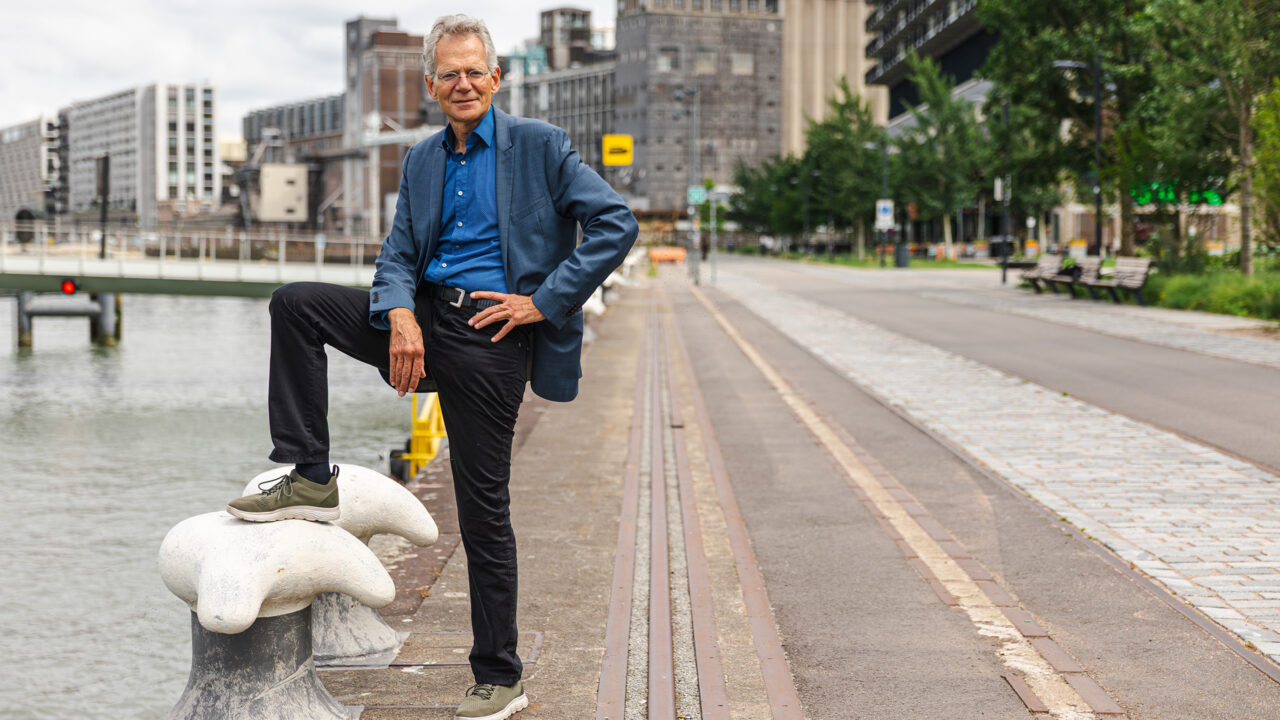
Image by: Ami Rinn
That is why it is important for managers to receive the right training. It is one of the recommendations Huang makes in his paper. Provide training that focuses on scenarios involving gender identity, being queer and having a migrant background. By discussing these or experiencing them with actors, leaders can become aware of issues such as microaggressions and how to make these topics discussable within a team. “Training alone is not enough. Good leadership ultimately shapes inclusive policies, which in turn strengthens workplace culture and community. In the paper, I argue that all three need to move together.”
A large part of your life
Don’t forget how important the workplace is to people, Huang concludes. “The role of workplaces is also becoming increasingly important now that being queer – let alone being a migrant – is once again under pressure in global politics.” If you’re not welcome at home because of your sexual orientation and you don’t feel like you belong in a lot of social spaces, it’s more important that other places are safe enough, Huang knows. He himself was kicked out of his home by his father when it became clear that he was attracted to men. “But your work is such a big part of your life. You should be able to be yourself there, at the very least.”
De redactie
-
 Tessa Hofland
Editor
Comments
Comments are closed.
Ad
Read more in Diversity
-
Erasmus Building gallery expanded with 48 portraits of female professors
Gepubliceerd op:-
Diversity
-
-
Students and staff join the Pride March: ‘We must stand up for this community’
Gepubliceerd op:-
Diversity
-
-
‘Broederliefde and the kapsalon are the cultural heritage of the future’
Gepubliceerd op:-
Diversity
-
Staff
-