Ad

Contact point for knowledge security may soon be allowed to work with names and personal data

Please do not pass on names to us, says the contact point for knowledge security when someone knocks on the door for advice on international scientific collaboration. A new bill is intended to remove this privacy constraint.
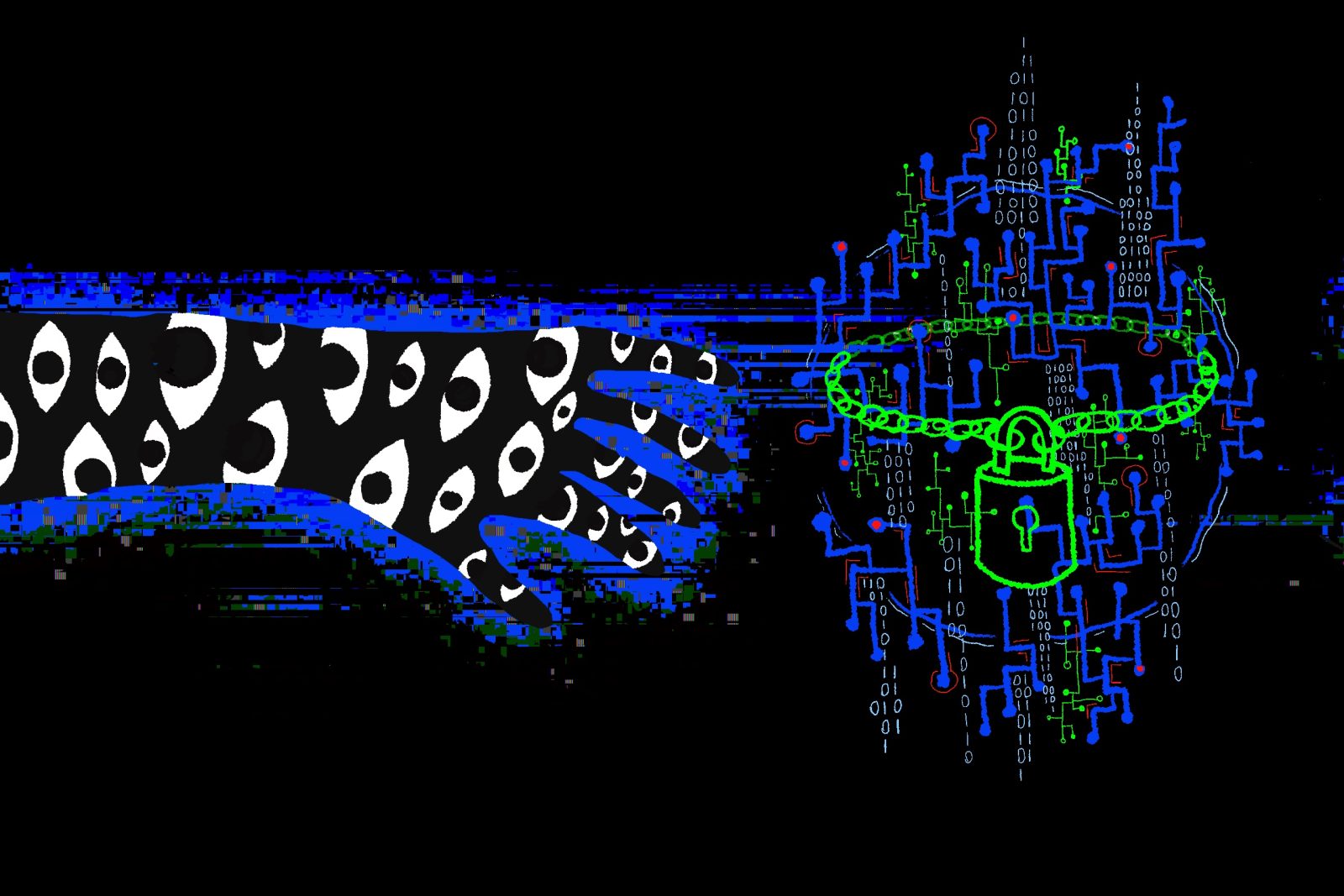
Image by: Eva Gombár-Krishnan
How can we prevent sensitive knowledge leaking abroad? Or Dutch knowledge being misused to strengthen the militaries of China, Russia or North Korea?
Universities and other knowledge institutions (or individual researchers) must assess for themselves on each occasion whether knowledge security is at risk when collaborating with researchers from abroad. And that’s easier said than done.
After a series of sensational revelations about cooperation between European universities and military universities in China, concerns about knowledge security grew, after years of hailing the benefits of collaboration.
Clear out the attic
Then education minister Robbert Dijkgraaf (D66) said in 2022 that higher education had been naive. Universities and universities of applied sciences had to clear out the attic, as he put it. His ministry also wanted to screen foreign researchers coming here.
But for now the institutions must steer by their own compass. For questions about international collaboration they can turn to the government desk Loket Kennisveiligheid (contact point for knowledge security), which opened in January 2022. It is consulted more than a hundred times a year.
And it quickly concerns individuals. Yet the desk does everything it can to hear as little as possible about those people. “Do not send direct personal data to the Loket”, states on the website. “For example data such as name, address, e-mail address, telephone number, publications, CV or photo.”
New bill
You are not even allowed to send indirect personal data. Those are data that, in combination, quickly point to a single person. Research fields are small and everyone knows each other.
But if the information remains so vague, how can you advise? The cabinet has received ‘signalen’ that the desk sometimes does process personal data after all. The cabinet is therefore drawing up a bill that would formally give Loket Kennisveiligheid the authority to work with such personal data.
It will also be possible to process personal data of a ‘criminal nature’. So if the desk becomes aware that a particular researcher has been prosecuted for espionage or theft of trade secrets, that information may be used in future.
The bill is now online for an internet consultation. Anyone may submit criticism. With that criticism in mind the cabinet can adjust the proposal before it is submitted to the Council of State. After they have considered it, it goes to the House of Representatives.
Een lijst met artikelen
-
Knowledge Security Helpdesk receives almost 150 queries
Gepubliceerd op:-
Science
-
De redactie
Comments
Comments are closed.
Ad
Read more in Science
-
Did your parents know what your sex life was like when you were eighteen?
Gepubliceerd op:-
Eureka!
-
-
Universities must demonstrate their economic value, says House of Representatives
Gepubliceerd op:-
Politics
-
Science
-
-

Leaving money to a university? Many people do not know it is possible
Gepubliceerd op:-
Science
-