Ad

How to take care of your health during your student years

More freedom, more stress, more responsibility, more parties, more choices. You are increasingly in charge of your own physical and mental health. That learning process can be a bumpy ride, one that hopefully leaves you with nothing more than a small bruise. Read our tips and take care of yourself.

Image by: Sonja Schravesande
Oh, your student years – they could well be the best years of your life. But that picture isn’t entirely accurate. National research shows that 44 percent of students struggle with depression and anxiety. 56 percent say they experience a great deal of stress. According to research at Erasmus University, more than half of students (58 percent) have mild feelings of loneliness, and almost 21 percent severe loneliness. The pressure of your studies and those ‘best years’ take their toll. Fortunately, there is support and advice to help you look after both your mental and physical health while at university.
Help is never far away
It’s wise to register with a GP quickly, as there is a shortage of doctors in the region and many practices have waiting lists or are closed to new patients. You can look for a GP via this website. Jans Huisartsen in Kralingen works with Erasmus University and also accepts international students from the university. For international students in particular, it can take some getting used to that a Dutch GP often says: “Take a paracetamol and some rest, and call back if the symptoms persist.” Still, it’s always better to call, ask questions and make an appointment if necessary. That is what your GP is there for.
You can also seek help at the university, especially for mental health issues. Feeling stuck? Not feeling great for a while? Talking helps. The university employs psychologists to support students. It’s easy to arrange a consultation, either online or on campus Woudestein. These psychologists are there specifically for mild psychological, social or emotional problems. Thoughts such as “other people have it worse”, “I shouldn’t complain” or “it will pass” are unnecessary. Just make the appointment. Again: that is what these people are there for.
Read more
-
ROOM: Erasmus University’s new app to help reduce stress
Gepubliceerd op:-
Mental health
-
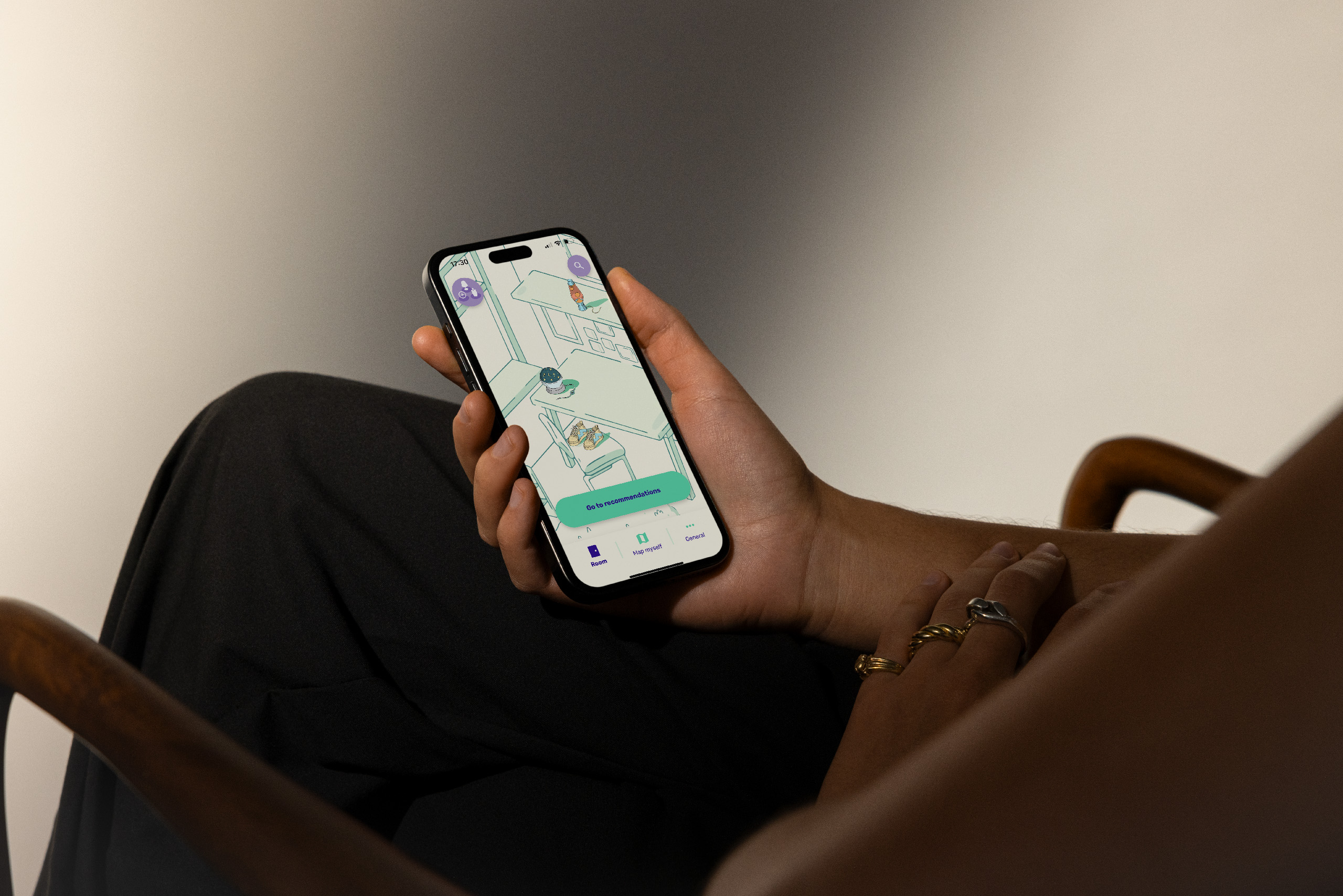
Another option is the app Room. Developed by Erasmus University, its purpose is to give easy access to tools for personal development and mental health. It is scientifically backed – of course, as it comes from a university. You can also take part in a range of training courses and workshops on campus, from building a CV to coping with exam stress.
Stay hydrated
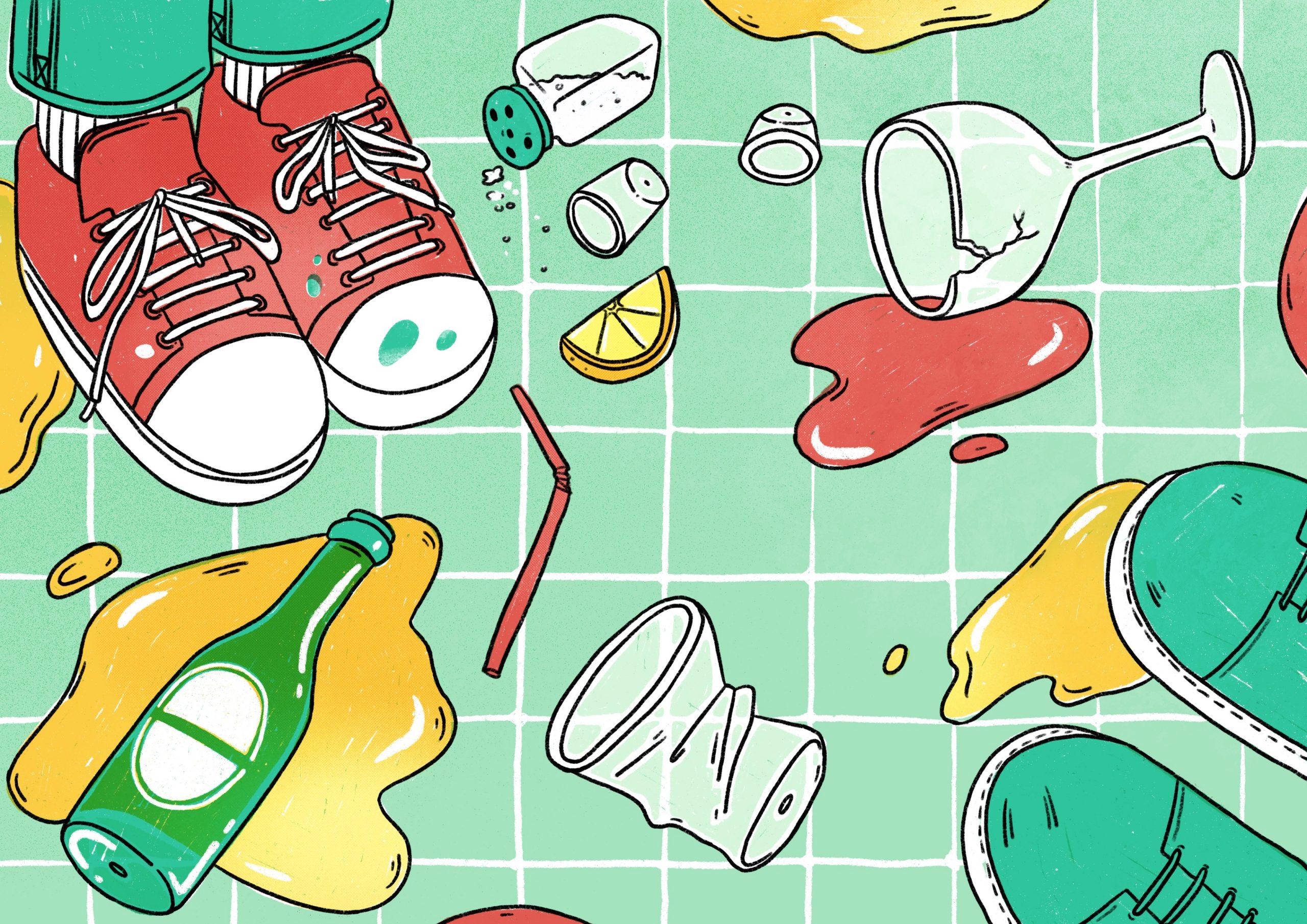
It sometimes happens that students enjoy an alcoholic drink during introduction week and in later years. In fact, they tend to drink quite a lot. Dutch students drink more than most of their European peers – only Irish and Danish students drink more. A word of warning: your brain is still developing until the age of 24. Alcohol, especially in large amounts, can hinder that development. What counts as a lot? Drinking five alcoholic drinks in one evening already qualifies as binge drinking. And no, sticking to beer instead of shots won’t save you from a hangover. Your body needs an hour and a half to break down a single drink, whether it’s wine, beer or a gin and tonic.
If you do plan to drink heavily, make sure you’ve had a good, carbohydrate-rich meal with the recommended 250 grams of vegetables a day. The more food in your stomach, the slower alcohol is absorbed into your bloodstream. Drink plenty of water to restore hydration. Water is always good for you, even without alcohol. The advice is one and a half to two litres a day.
Read more
-
Why the word ‘beer’ isn’t allowed anymore. Five questions and answers on the university’s alcohol policy
Gepubliceerd op:-
Analysis
-
Alcohol and dehydration make your sleep lighter and more restless. Combined with the effects of heavy drinking, this can leave you with headaches, fatigue and nausea. It’s a good idea to keep ibuprofen or paracetamol at home to ease the hangover. Eating healthily the next day also helps – eggs, bananas, avocados, leafy greens, oatmeal, broth, miso soup, all aid recovery. Your body may crave fried food, but greasy meals are tough on your already battered stomach and digestion.
That said: if you don’t want to drink alcohol, then don’t. Whether it’s for a day of balance or always, ‘no’ is a perfectly fine answer. No explanation is needed.
Move, exercise, relax
There’s nothing wrong with an evening slouched on the sofa – especially when you’re tense with stress. Take that rest, but also: get up, move, exercise. Stress produces stress hormones, and exercise helps your body process those hormones and feelings. It helps you recover faster from a busy day. You don’t have to go full beast mode at crossfit. Walking, cycling – so-called moderate exercise – is already enough.
Regular movement is also beneficial. If you’re studying, take a short walk after half an hour or go get coffee from a floor up. It gets your muscles working briefly and gives your brain a break.
Want to tackle stress even more? Sleep well. What helps with a good night’s sleep? Exercise. Research shows that people who exercise regularly fall asleep faster, and sleep deeper and longer. Win-win.

A student on the tennis court at Woudestein campus.
Image by: Ronald van den Heerik
And an extra win, making it a win-win-win: enough exercise reduces the risk of cardiovascular disease by 20 to 30 percent. You also build fitness, your muscles grow stronger, and that reduces the risk of all sorts of conditions. Blood pressure, cholesterol, circulation, clotting – everything improves with regular exercise.
At Erasmus Sport, students can buy a sports pass for 150 euros a year, or 250 euros if you also want access to the gym. Otherwise, you can join group lessons and use sports fields and courts (such as the tennis courts). Earlier this year, these reduced prices were under threat. Universities and universities of applied sciences subsidise their sports facilities, and the education minister considered this unfair towards commercial gyms. Without subsidies, a pass could cost 500 or even 700 euros. Fortunately, the student discounts remain in place.
Oops
Another form of exercise that’s usually good for you takes place between the sheets (or wherever you like, really). Still, we need to have the talk.
‘Whoopsie, made an oopsie’, to quote Doechii. With unprotected sex – without a condom – there’s a risk of STIs. And STI rates in the Netherlands are on the rise. In 2024, HIV diagnoses rose by 26 percent to 178, mostly among men who have sex with men. Gonorrhoea increased across all groups. Chlamydia is now only tested for if you show symptoms, such as bleeding or a burning sensation when urinating.
An STI test at the GGD is free for anyone under 25. You can also go to your GP, though you may have to pay. Self-tests are also available. Various websites sell reliable kits – follow the steps, send the sample to the lab, and wait for the results. Waiting is always required: STIs can only be detected two weeks after infection.
U kunt deze ingesloten inhoud bekijken nadat u akkoord bent gegaan met cookies van YouTube.

No means no
‘No’ has always been a perfectly clear answer if you don’t want to have sex with someone. No one has the right to touch you without consent. Since 1 July 2024, the new sexual offences law has come into force. Victims of assault or rape no longer need to prove that they were forced.
In the Netherlands, you can get help in different places, including the police, the Centre for Sexual Violence, and Victim Support. Sometimes you may not want to press charges but do want to talk to someone. That is also possible, and the university also offers support in the form of confidential advisers.
Itchy
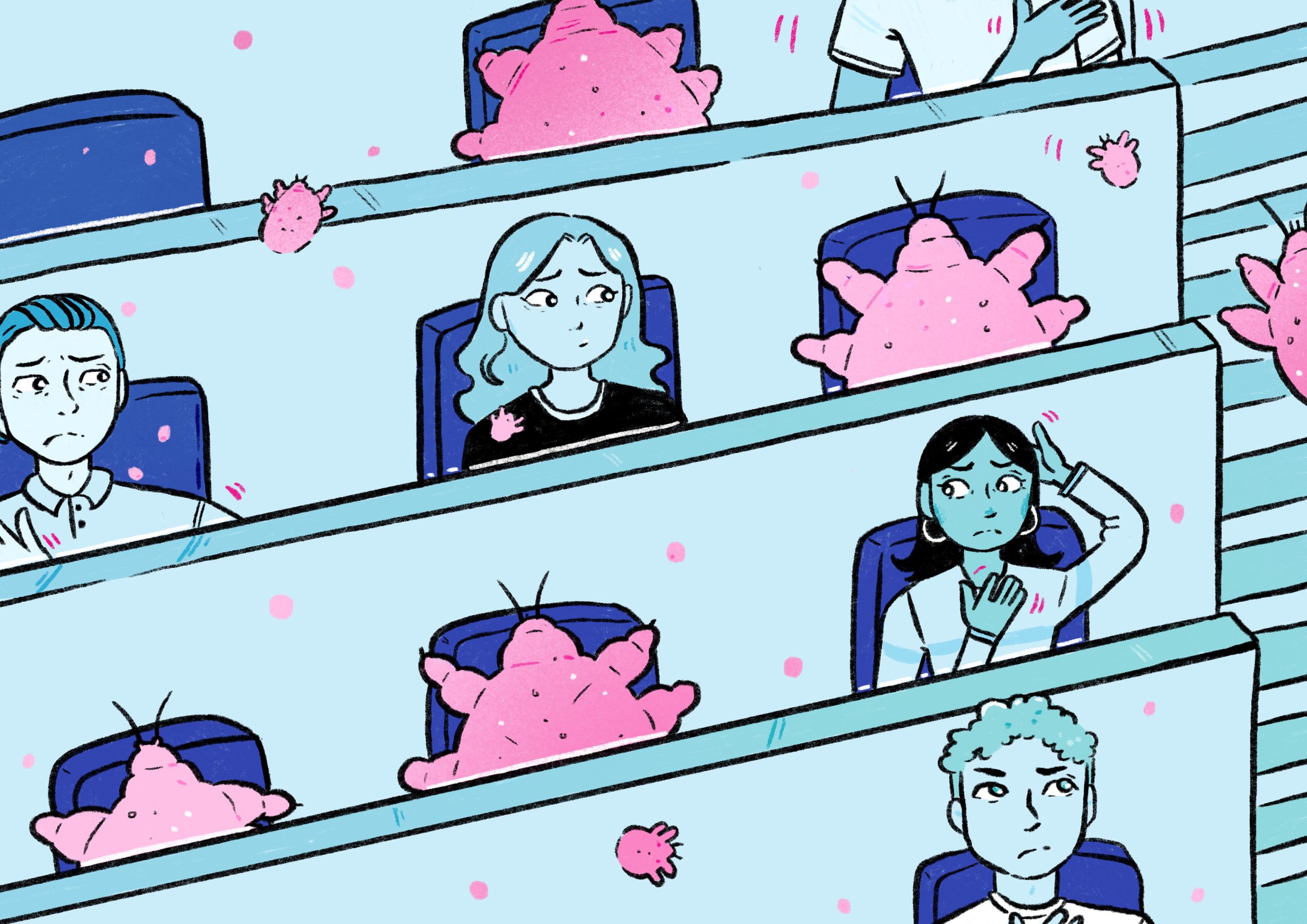
And finally, a last itchy warning: beware of scabies. This skin condition is caused by mites and is becoming increasingly common among Rotterdam students.
Tiny creatures burrow under your skin and lay their eggs there. The result: intense itching that is difficult to get rid of. The mites spread through bedding, towels and clothing. Scabies can be transmitted via sex, but also through cuddling or sharing a sofa. Because students often have multiple sexual partners and live closely together with many housemates, they are more at risk of contracting scabies than others.
Read more
-
Number of young people with scabies on the rise, GGD researches Rotterdam students
Gepubliceerd op:-
Student life
-
De redactie
-
 Tessa Hofland
Editor
Latest news
-

New code of conduct for science emphasises ‘distinctiveness and autonomy’
Gepubliceerd op:-
Science
-
-

Executive Board regularly uses AI for speeches and LinkedIn posts
Gepubliceerd op:-
Artificial Intelligence
-
Governance
-
-

TU Delft may not favour women in admissions to courses
Gepubliceerd op:-
Education
-


Comments
Comments are closed.
Ad
Read more in Student life
-

RSC/RVSV accused of poo stunt targeting student houses in Utrecht
Gepubliceerd op:-
Student life
-
-

Carolina could wake up ten minutes before her lectures
Gepubliceerd op:-
Housing
-
-

No joint introduction week for vocational, applied sciences and university students for now
Gepubliceerd op:-
Eurekaweek
-