Ad

Dumped bulky waste a recurring problem: ‘Easily thirty fines to students in one day’

Piles of bulky waste, dozens of fines in a single day, and a flood of complaints. The student moving peak has just ended, and residents in Kralingen have certainly noticed. It’s a regular occurrence, but Wim van Tiggele from the Municipality of Rotterdam believes it can be more sustainable and better managed. “You’d expect future leaders to have a broader view of the world.”

Image by: Hilde Speet
It’s like an anti-advert for IKEA. In the middle of Lambertusstraat, there are mattresses, bed slats, drawers, and a bed frame. The cardboard boxes are already completely soaked. You can’t always be sure, but it strongly looks like dumped waste from a student house, says Wim van Tiggele, manager of the Neighbourhood Cleaning Team in Crooswijk and Kralingen. “In the past, students often had old furniture from home or family, but now we mainly see new items from IKEA.”
Read more
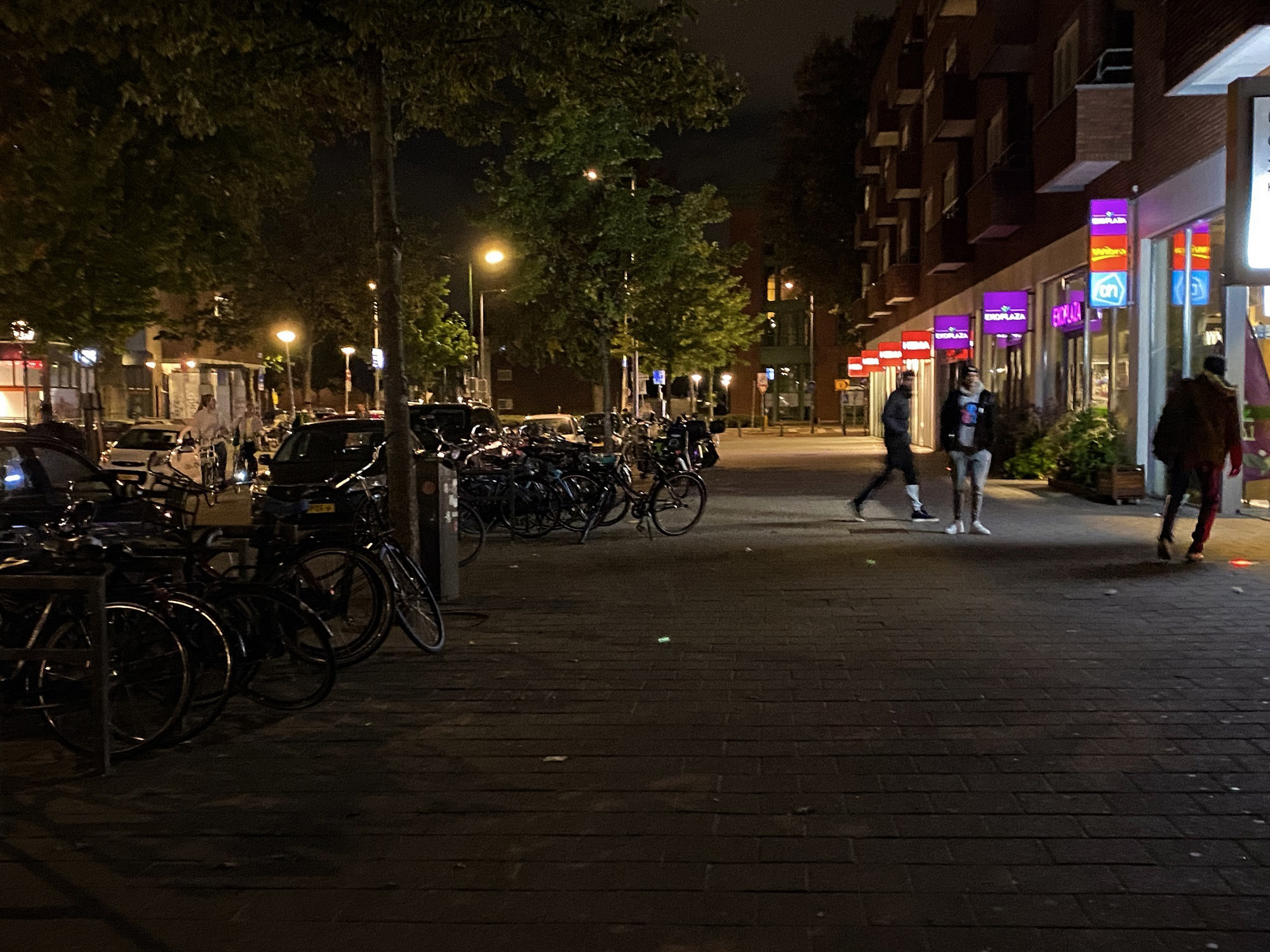
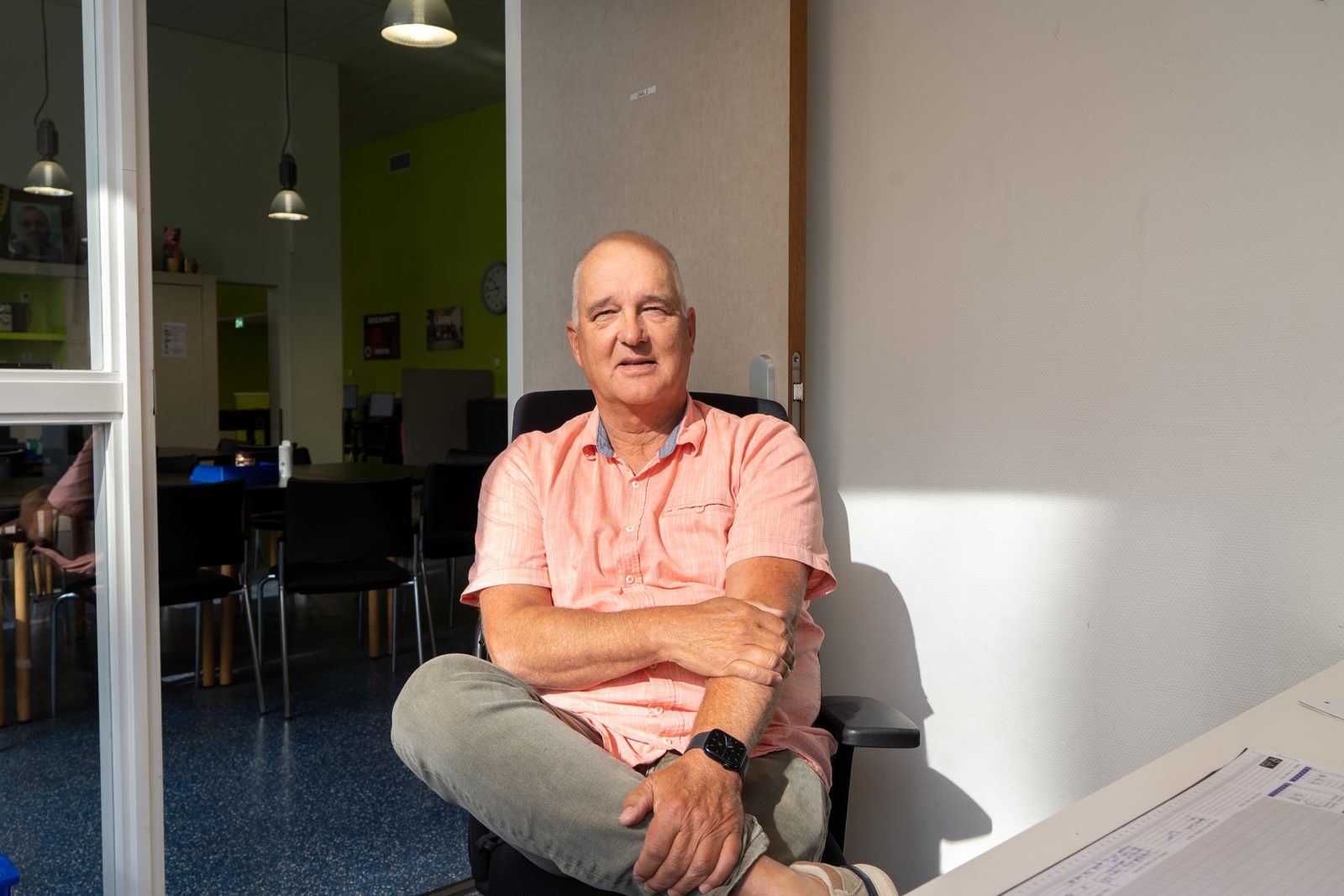
Complaints from Kralingen residents about students range from noise and late-night parties to rubbish on the streets. The latter is something the Clean City department of the Municipality of Rotterdam recognises, especially from mid-August to mid-September when most students are moving. “We’ve noticed several regular hotspots. Struisenburgstraat and around the campus are yearly occurrences, but there are others. You mainly see lots of boxes and furniture,” says Van Tiggele from his office with a large window on Boslaan.
This is how you do it
Van Tiggele understands that students might not always know how to deal with waste. When he was young, he didn’t know either. “When I was 24 – quite a few years ago now – I moved in with someone. Every Tuesday morning, I saw the rubbish truck neatly pass by.” So, he put his building waste on the pavement, assuming it would be picked up. “Then the environmental police rang the doorbell to issue a fine.”
The most sustainable way to dispose of your bulky waste is to take it to a collection point, where it gets recycled. You can also make an appointment for collection, and it will be picked up in a large truck. “You’d expect future leaders to have a broader view of the world,” says Van Tiggele. “To think about how waste can be processed as sustainably as possible. As a student, you’re also part of the city. We all contribute to liveability and safety.” Litter and bulky waste are bad for the streetscape and the environment. “The plastic soup starts here.”
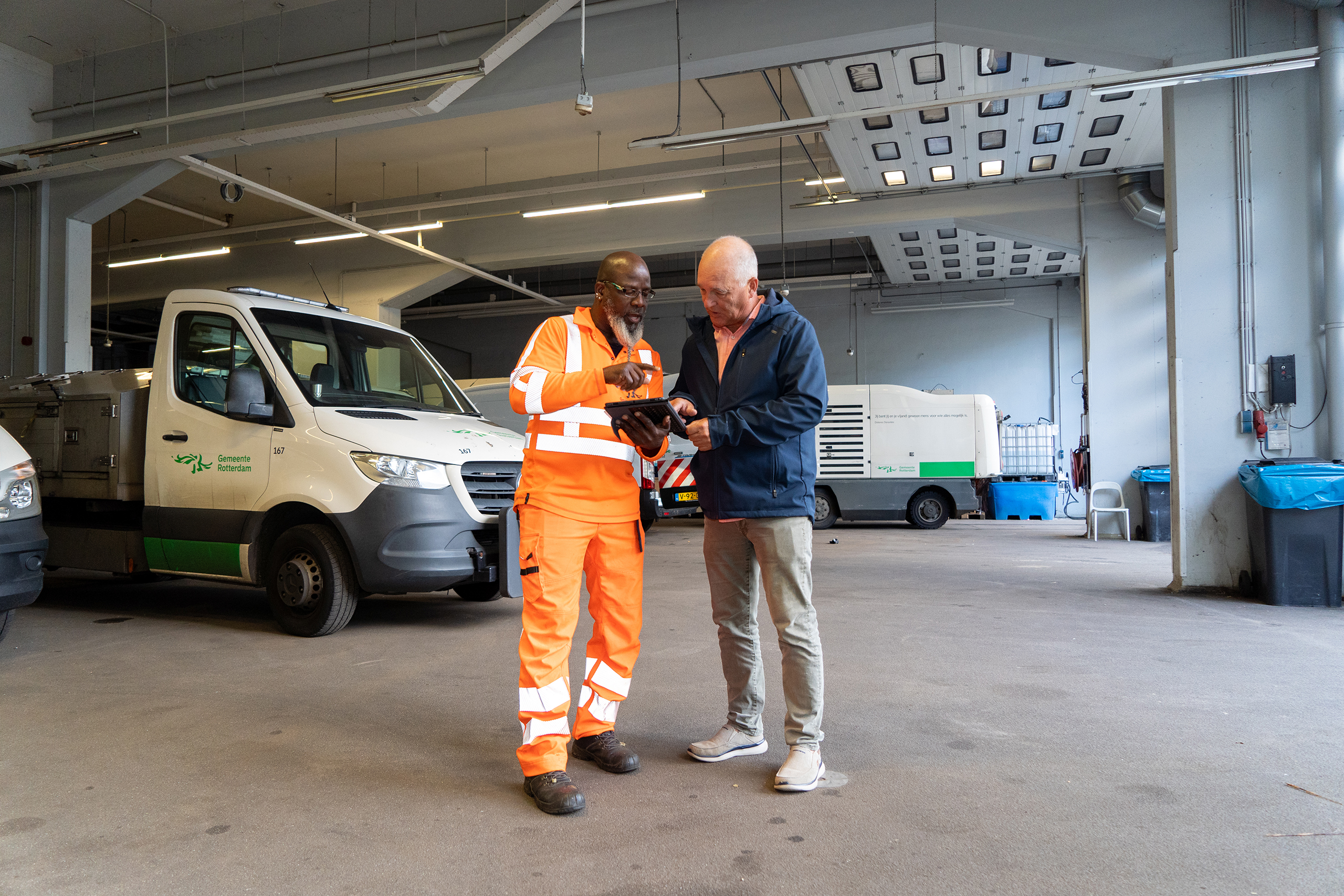
Wim van Tiggele (right) with Humphrey Martina. On the tablet, they can see reports of waste in the neighbourhood.
Image by: Hilde Speet
The ‘bright minds’ at the university can contribute to a better world, says the Neighbourhood Cleaning Team manager. “We need creative solutions for dealing with all kinds of waste sustainably. Feel free to contact me. We’re getting more and more data, now we just need solutions to the problems.”
As an example of a previously implemented solution, Van Tiggele mentions the four thousand reports of nitrous oxide waste. Four thousand was too much to handle. Since it’s drug-related waste, not everyone is allowed to clean it up. Now that many staff members have received additional training and are permitted to deal with it, the problem is manageable. “When I look at the system now,” Van Tiggele says, “I see 27 open reports of nitrous oxide canisters.”
Een lijst van afbeeldingen
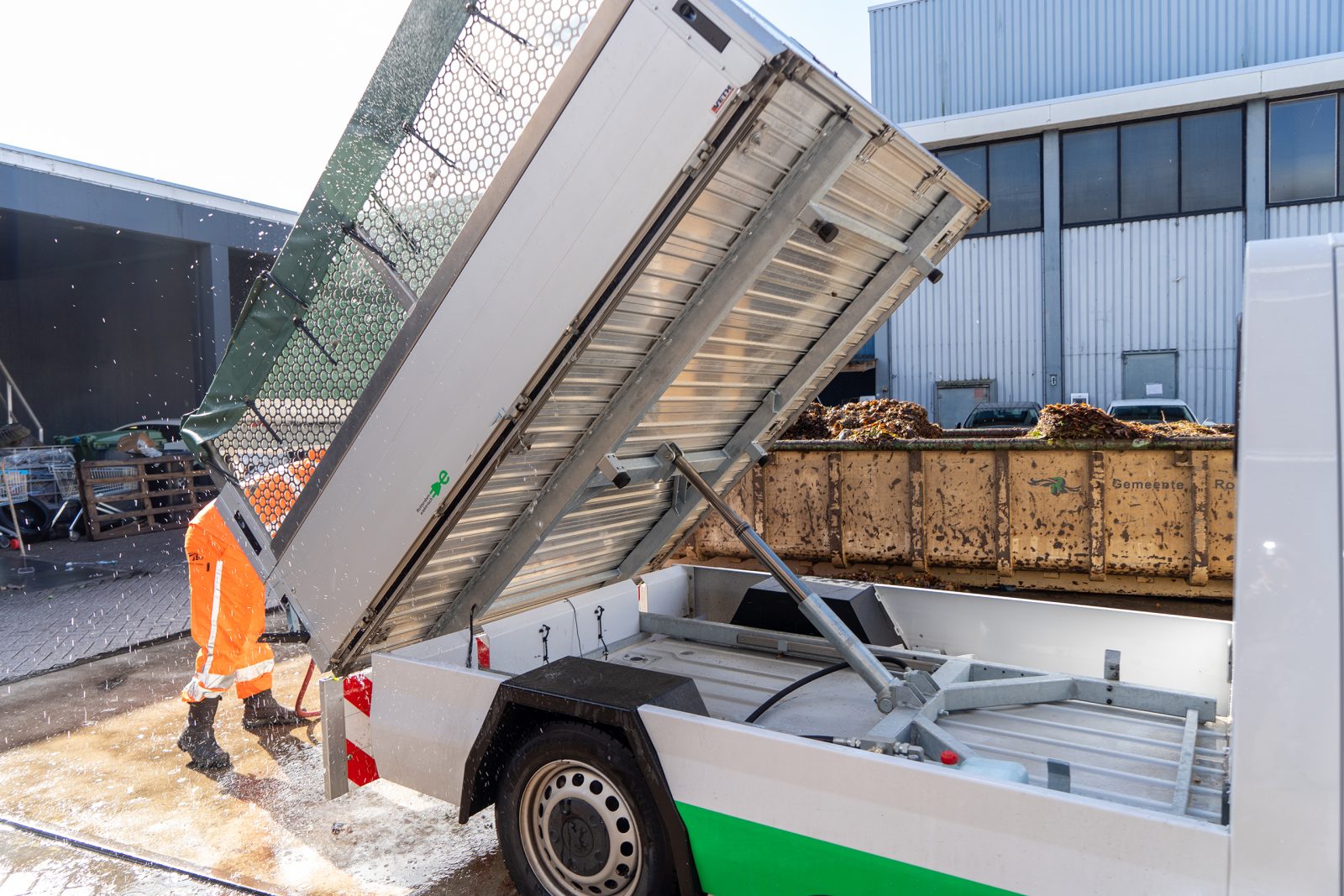
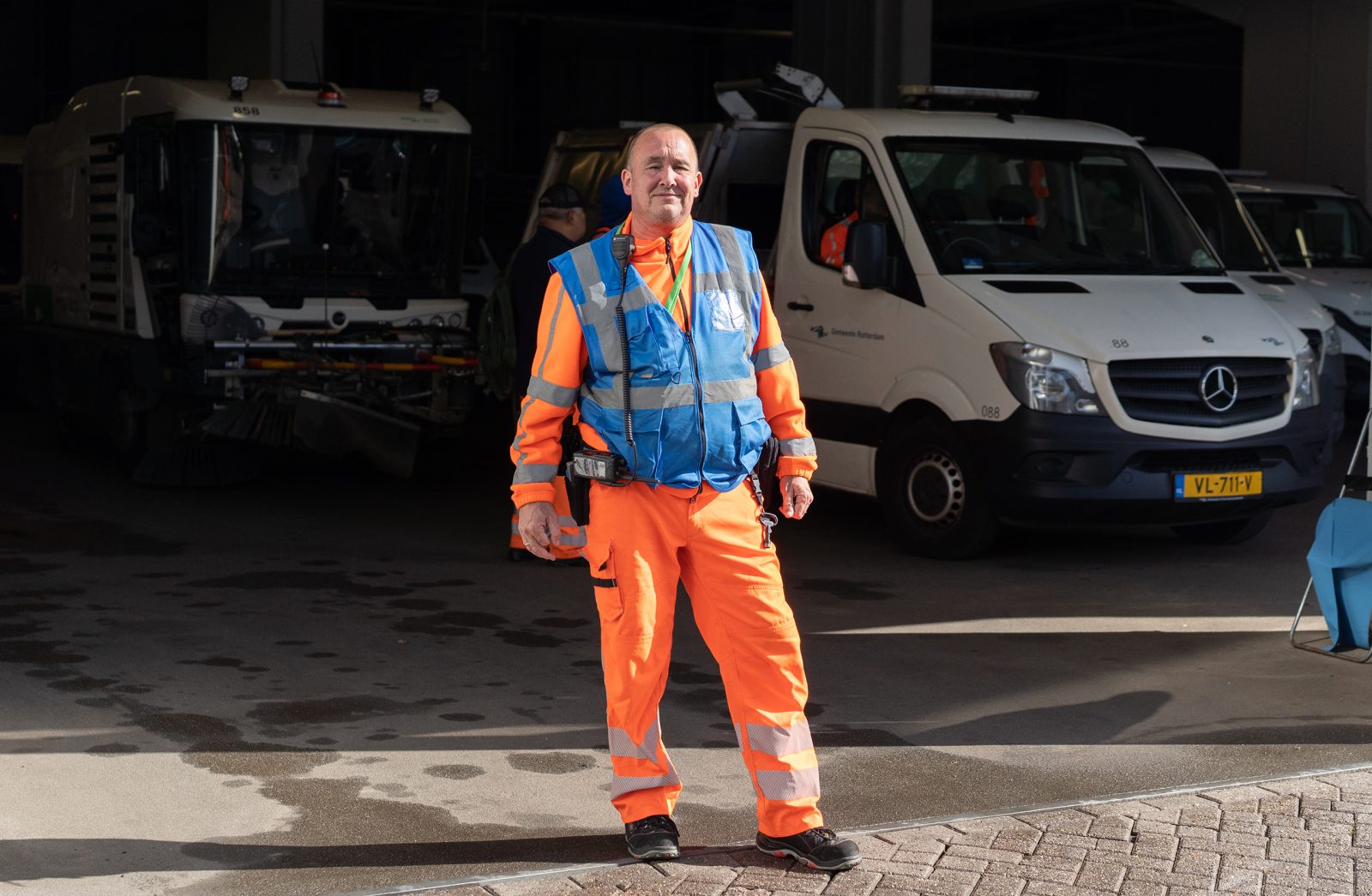
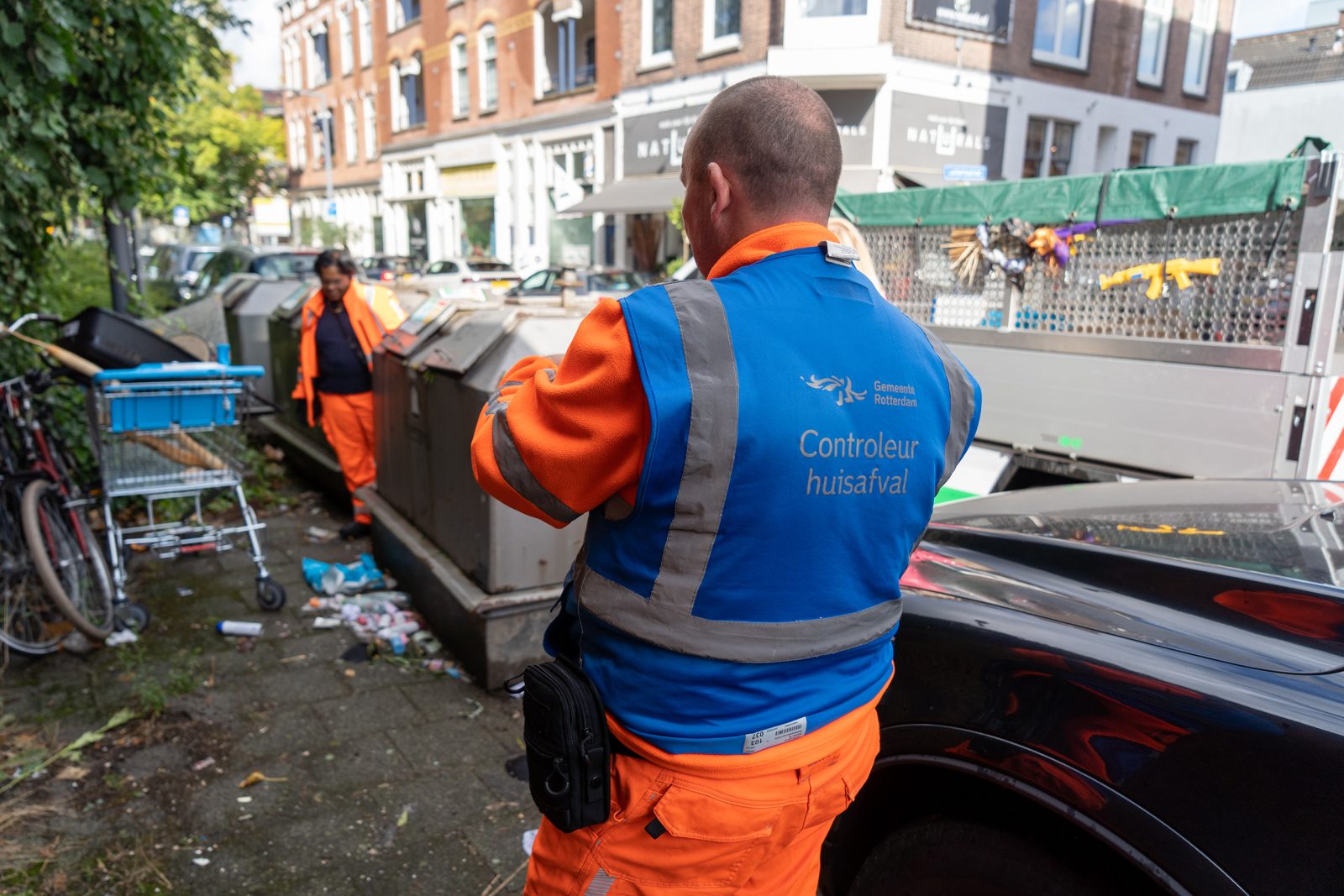
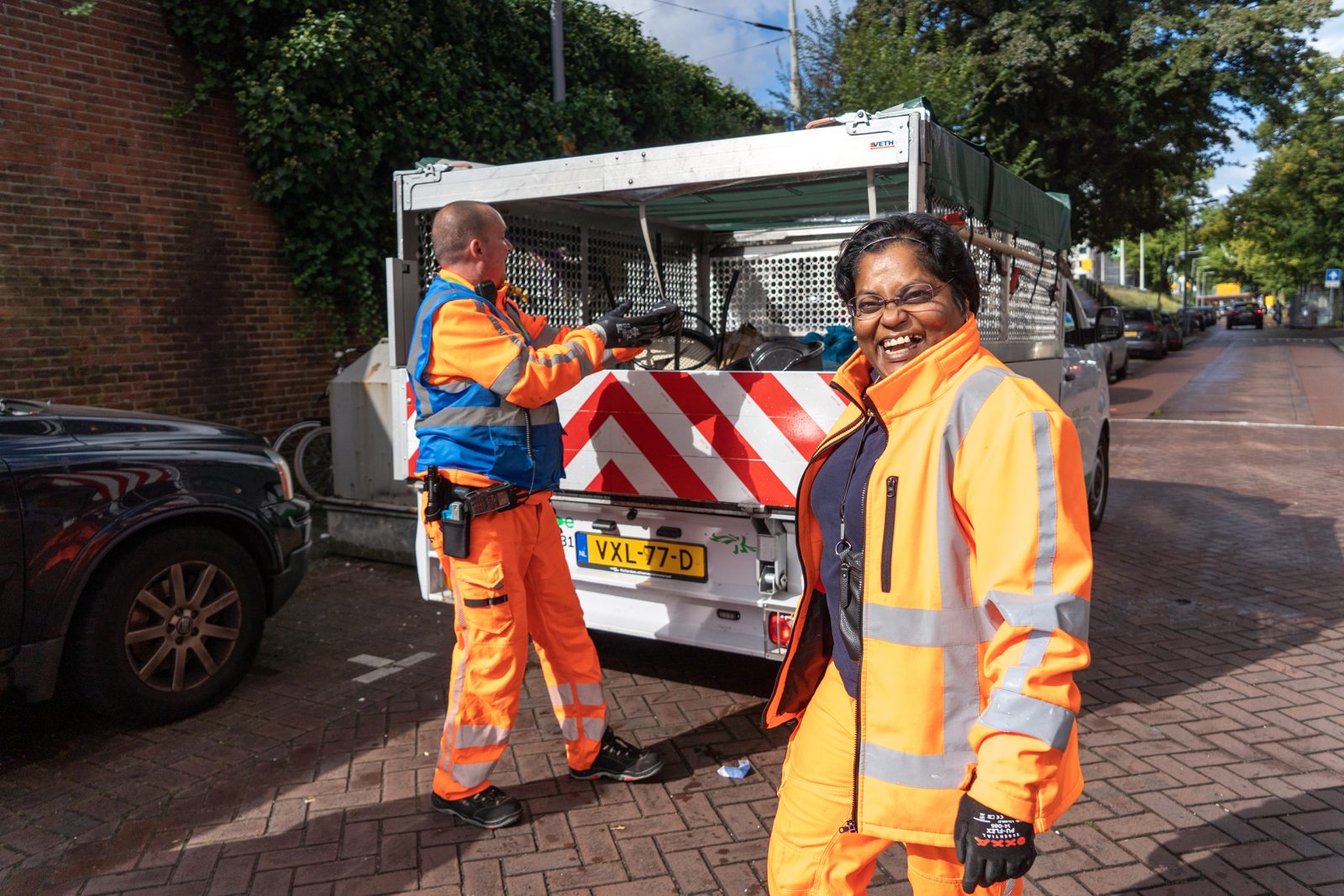
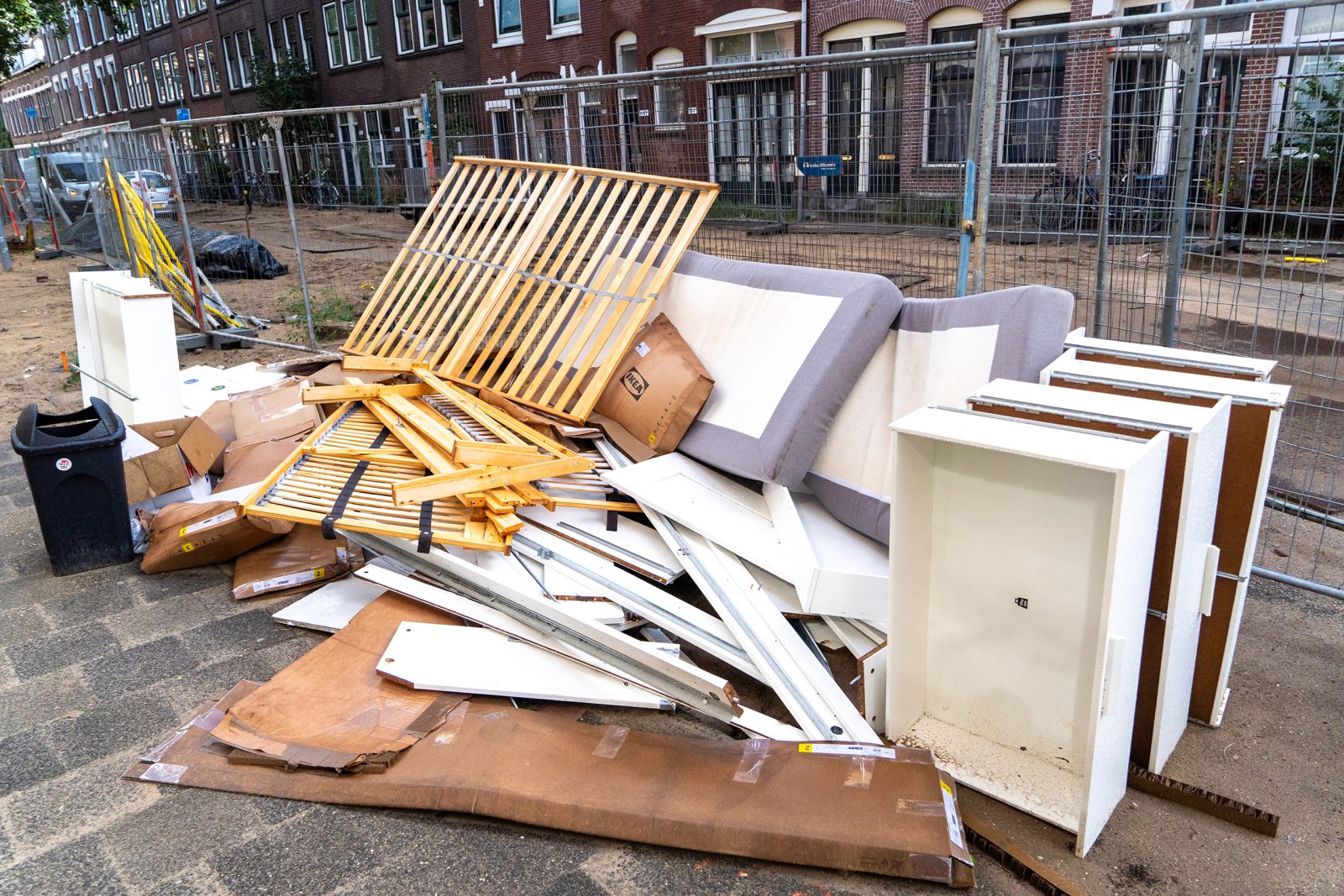
In the same system, he sees a report for the pile of bulky waste on Lambertusstraat. Rosa (“is a surname really necessary?”) and Remco, bulky waste inspectors, go to check it out. Since most of Lambertusstraat is currently under construction, the large truck can’t access the area. From their base on Boslaan, they head out in smaller vehicles. The broken chair, the long dried vegetable from Suriname (Rosa recognises it immediately), and more rubbish behind the container opposite the street are all taken away. The mattress, slatted frame, and other items on the street under construction will have to wait for the large rubbish truck.
“Students often throw away perfectly good stuff,” says Rosa. “We see it a lot”, confirms her colleague Remco. As an inspector (recognisable by his blue vest), he’s authorised to issue fines. “On a busy day, you can easily issue thirty fines to students.” These fines aren’t always easy to hand out, but if the inspector catches you… You’ll be fined on the spot.
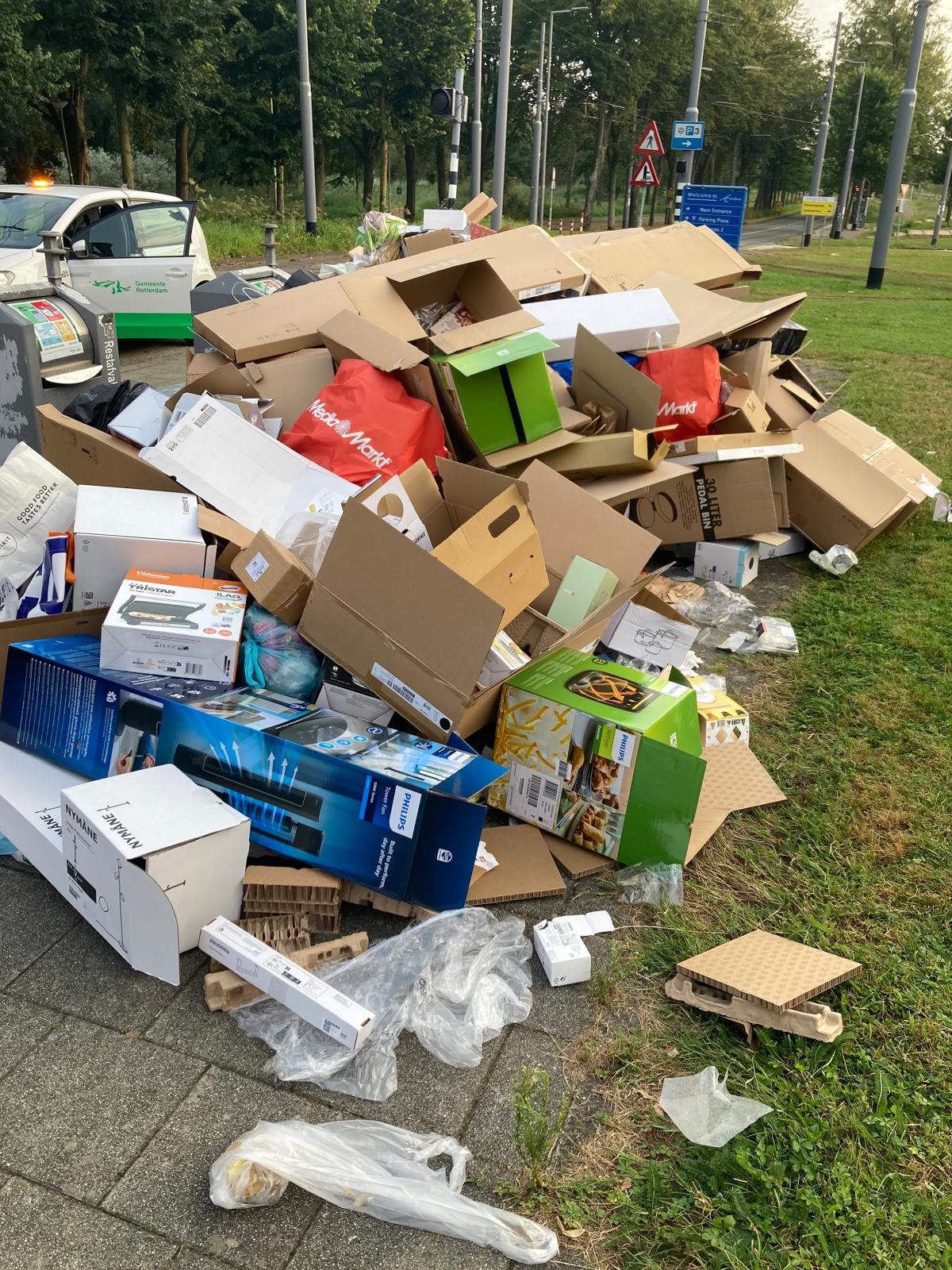
"At the Burgemeester Oudlaan", Wim van Tiggele sends over this pile via WhatsApp. "Lots of material dumped. You see a lot of boxes from Ikea, airfryers, coffee makers and vacuum cleaners among them."
Image by: Wim van Tiggele
Van Tiggele has another example of such a busy day. At the end of August, just before Eurekaweek, he took a photo at the corner of the campus. In the photo, you see a huge pile of empty boxes. “Boxes for coffee makers, vacuum cleaners, air fryers,” says Van Tiggele. “Coffee to immediately give to the helpers, a vacuum cleaner to tidy up, and an air fryer for easy cooking.” This trio is often seen around the student moving peak.
De redactie
-
 Tessa Hofland
Editor
Latest news
-
TU Delft may not favour women in admissions to courses
Gepubliceerd op:-
Education
-
-

Hate campaigns and political pressure: KNAW wants legal protection for academic freedom
Gepubliceerd op:-
Science
-
-
Signing up for a Dutch course ‘feels like a race’, no more places available for now
Gepubliceerd op:-
Internationalisation
-

Comments
Comments are closed.
Ad
Read more in Sustainability
-
EUR and UvA are the only universities where fossil fuel companies are no longer welcome at career days
Gepubliceerd op:-
Sustainability
-
-
Campus food companies aim for 50 per cent plant-based by 2030
Gepubliceerd op:-
Sustainability
-
-
Students cut, cook and compost correctly during Sustainability Days
Gepubliceerd op:-
Sustainability
-