Ad

There’s more in the university library’s ‘sea of nourishment’ than you might think

Fish, brightly coloured dragonflies, a bunch of blossoming lilies, and micro-organisms. The pond at the university library is an oasis of flora and fauna. And it is all mostly thanks to a pipe.
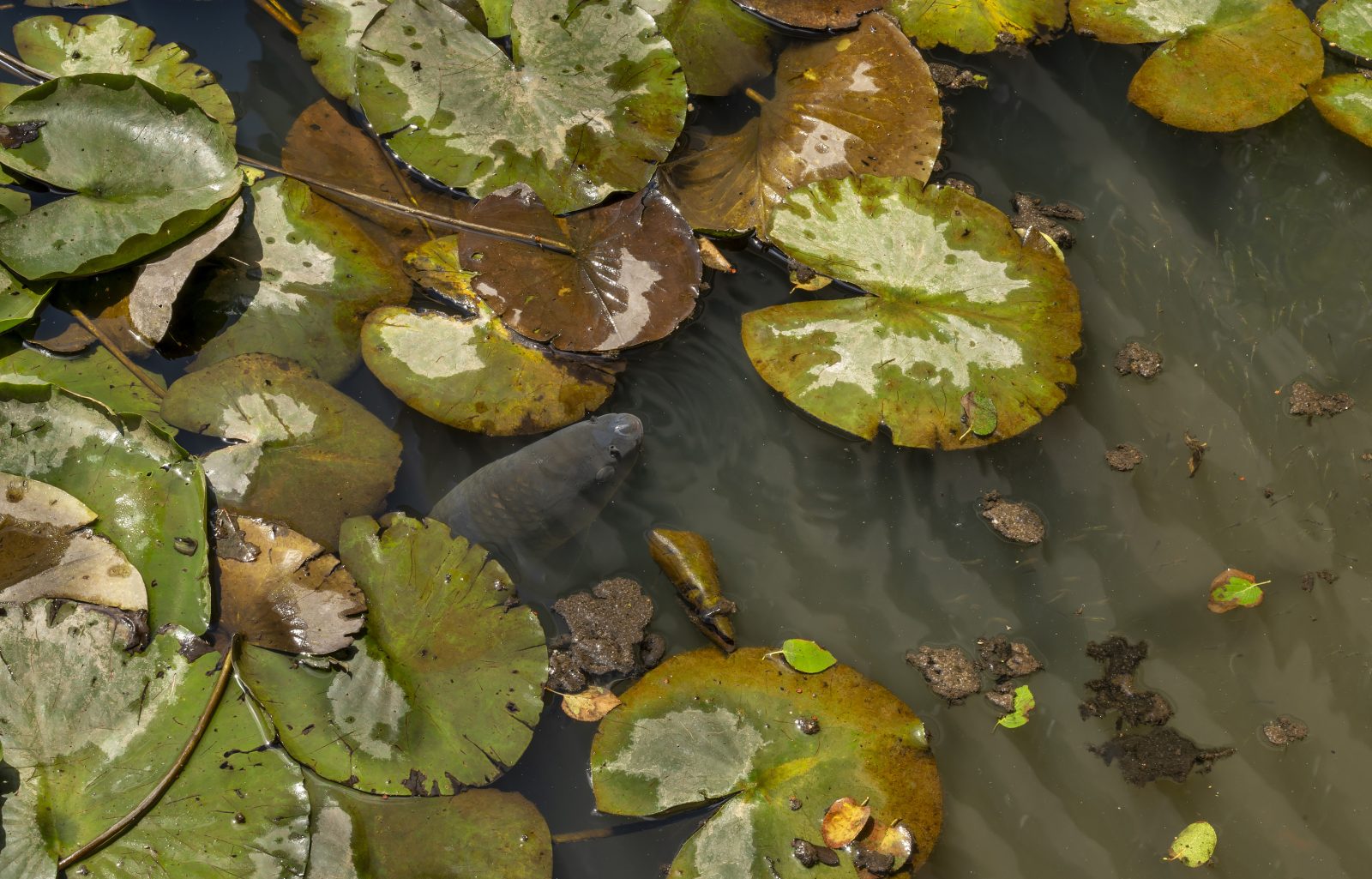
The carp has no natural predators in the pond.
Image by: Ronald van den Heerik
Among the blooming white lilies, a carp’s moustache occasionally pokes out above the water’s surface. Moorhens (with yellow beaks and red foreheads) bob around them, while a coot (with a white beak and forehead) sits by her nest. Hovering just above the water’s surface are red-eyed damselflies – light-blue damselflies with deep red eyes – and other small insects. A moth rests on the shore among typical Dutch swamp plants, including the yellow iris. Ecologist Garry Bakker from Bureau Stadsnatuur (the Rotterdam Urban Ecology Unit) breaks open the seed pod – ‘a kind of green bean’ – allowing the seeds to fall onto the green shore.
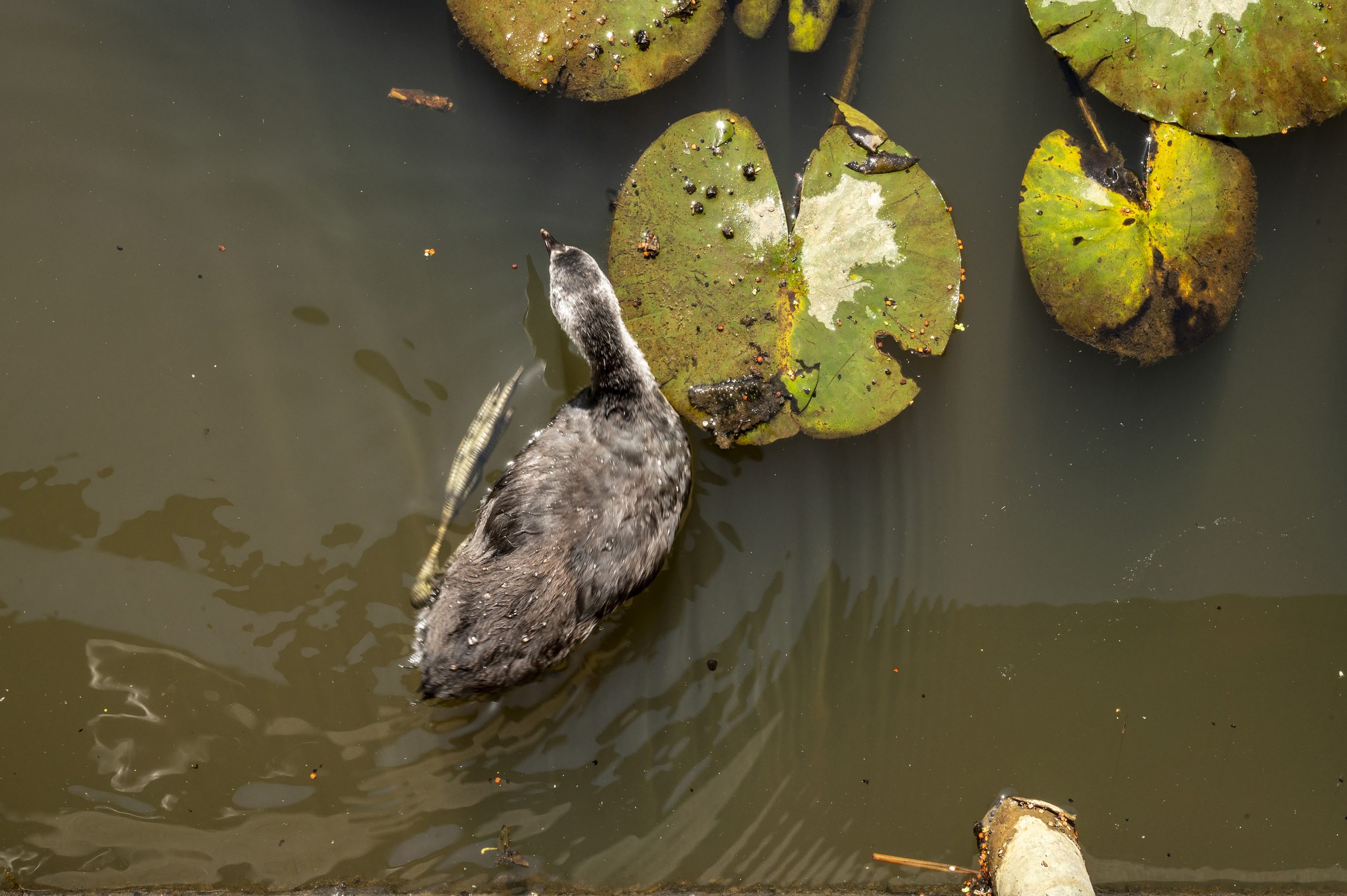
The coot regularly makes a nest in the pond.
Image by: Ronald van den Heerik
In 2018, the pond at the university library was drained and dozens of fish died. Now, however, the pond attracts a wide variety of animals and plants. Bakker calls the water a “sea of nourishment”, full of plankton, algae (the brown, sludgy layer floating on top) and other micro-organisms. The pond’s fecundity is largely due to a pipe that connects the pond to a nearby ditch: organic material and fish larvae slip through the pipe onto campus, and end up in this “rich reservoir of water.” The carp can grow here in peace and safety, where they have no natural predators.
Read more
-
Erasmus MC has a family of peregrine falcons roosting 120 metres up
Gepubliceerd op:-
Nature
-
Although the murky brownness may suggest otherwise, the water here is not polluted. The soft humming of the mosaic darners is evidence of the lack of contaminants, as these insects – named after glaziers who once carried glass on their backs – avoid waters used as a dumping ground for unnatural toxins. But don’t panic if they vanish next month: they appear early in the year and disappear in August, unlike many other dragonflies that are still on their way at that time.
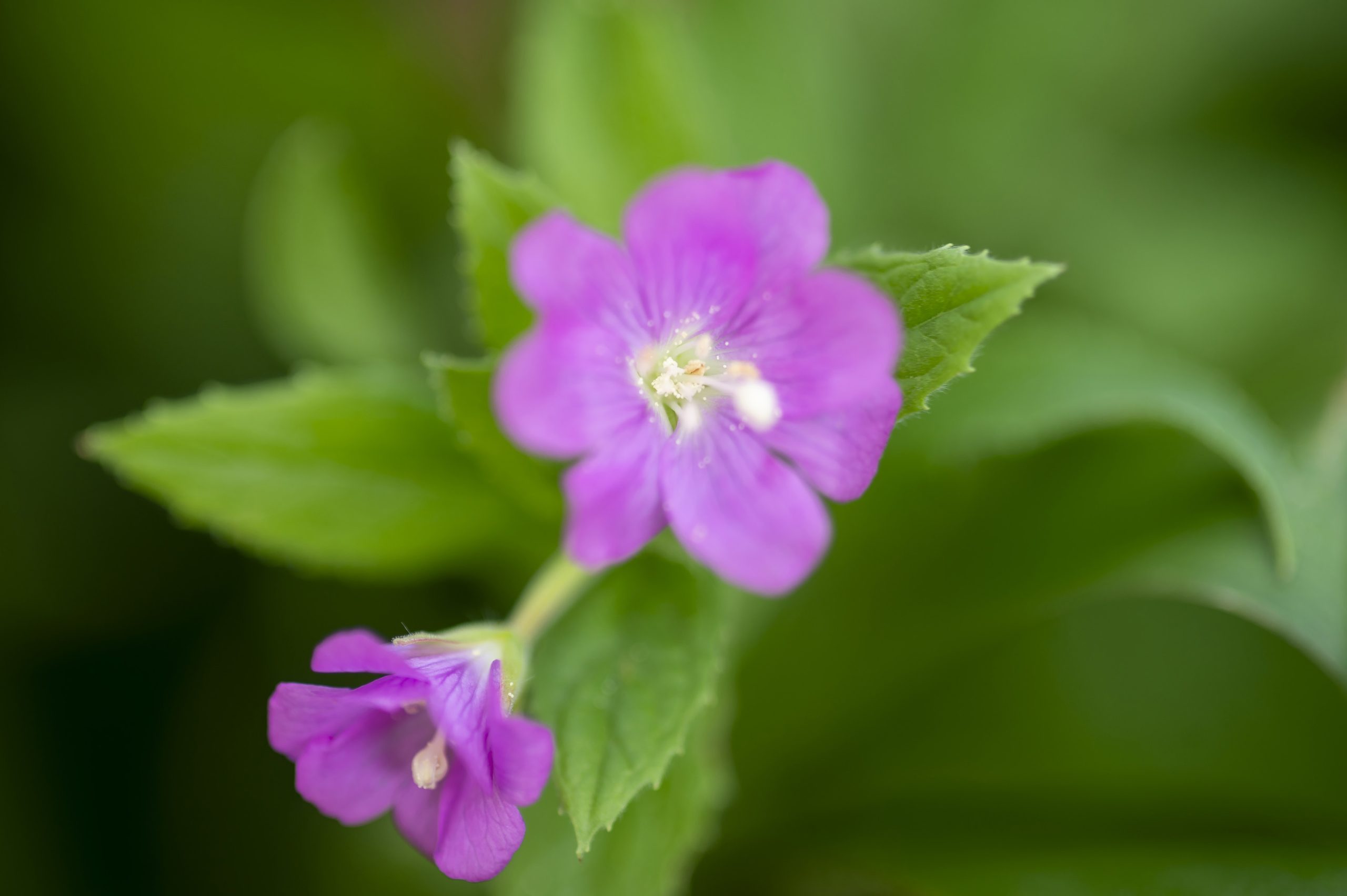
Hairy willowherb grows along the pond.
Image by: Ronald van den Heerik
Humans, on the other hand, should probably not swim in the water, says Bakker. Rats are also regular visitors to the pond and use it as a toilet, so it’s probably not very hygienic for humans. Thankfully the moustached carp is not bothered at all.
De redactie

Latest news
-
TU Delft may not favour women in admissions to courses
Gepubliceerd op:-
Education
-
-

Hate campaigns and political pressure: KNAW wants legal protection for academic freedom
Gepubliceerd op:-
Science
-
-

Signing up for a Dutch course ‘feels like a race’, no more places available for now
Gepubliceerd op:-
Internationalisation
-

Comments
Comments are closed.
Ad
Read more in Nature
-
From office to garden: staff grow vegetables at work for the edible campus garden
Gepubliceerd op:-
Nature
-
-
The Tinbergen building is one enormous bat enclosure
Gepubliceerd op:-
Nature
-
-
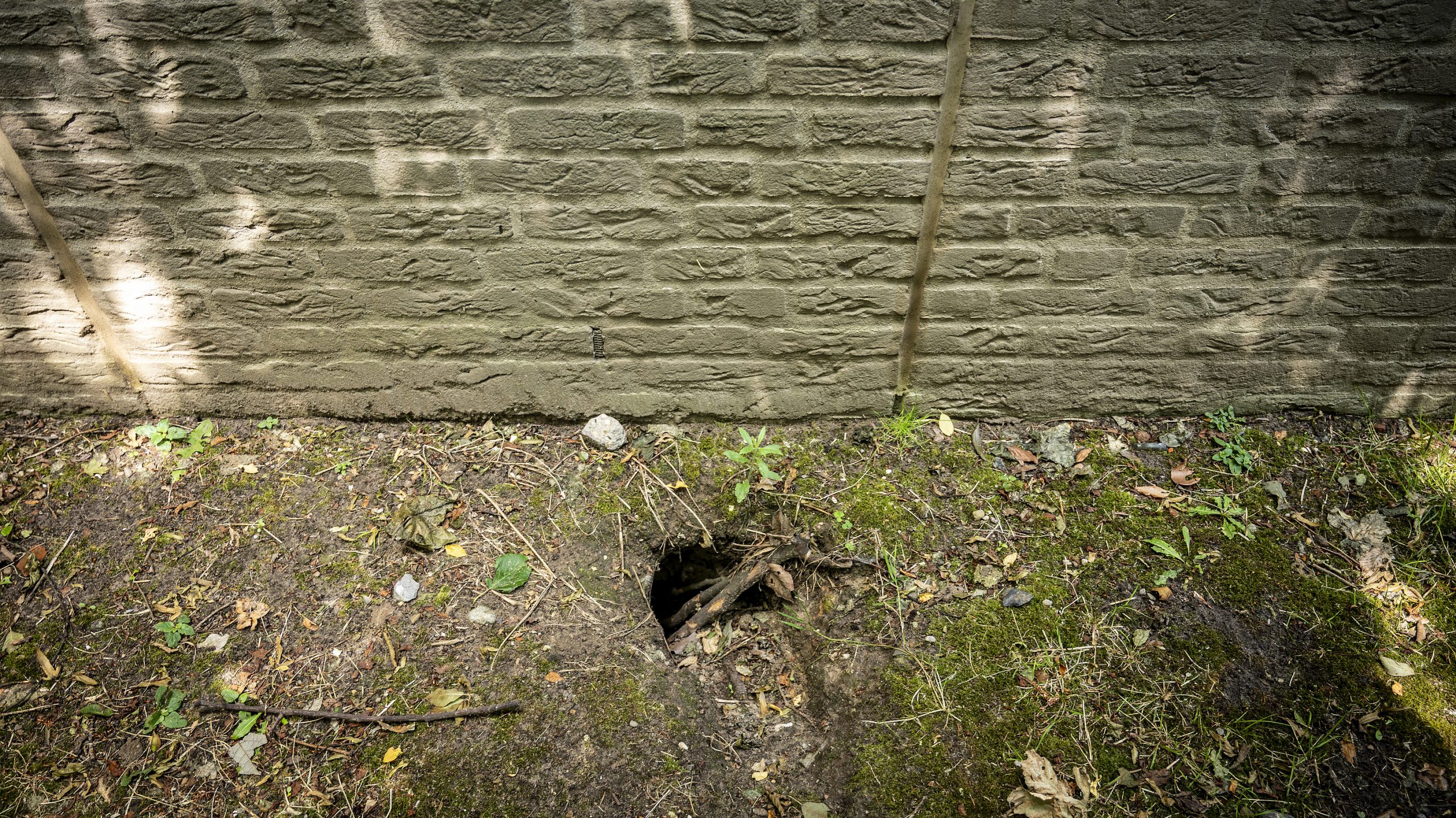
The burrow might be abandoned, but the greenery behind the exam rooms is ideal for foxes
Gepubliceerd op:-
Nature
-