Ad

The burrow might be abandoned, but the greenery behind the exam rooms is ideal for foxes

Rumour has it that there are foxes on campus. The signs are there, and the location is ideal. Will we be able to spot them?
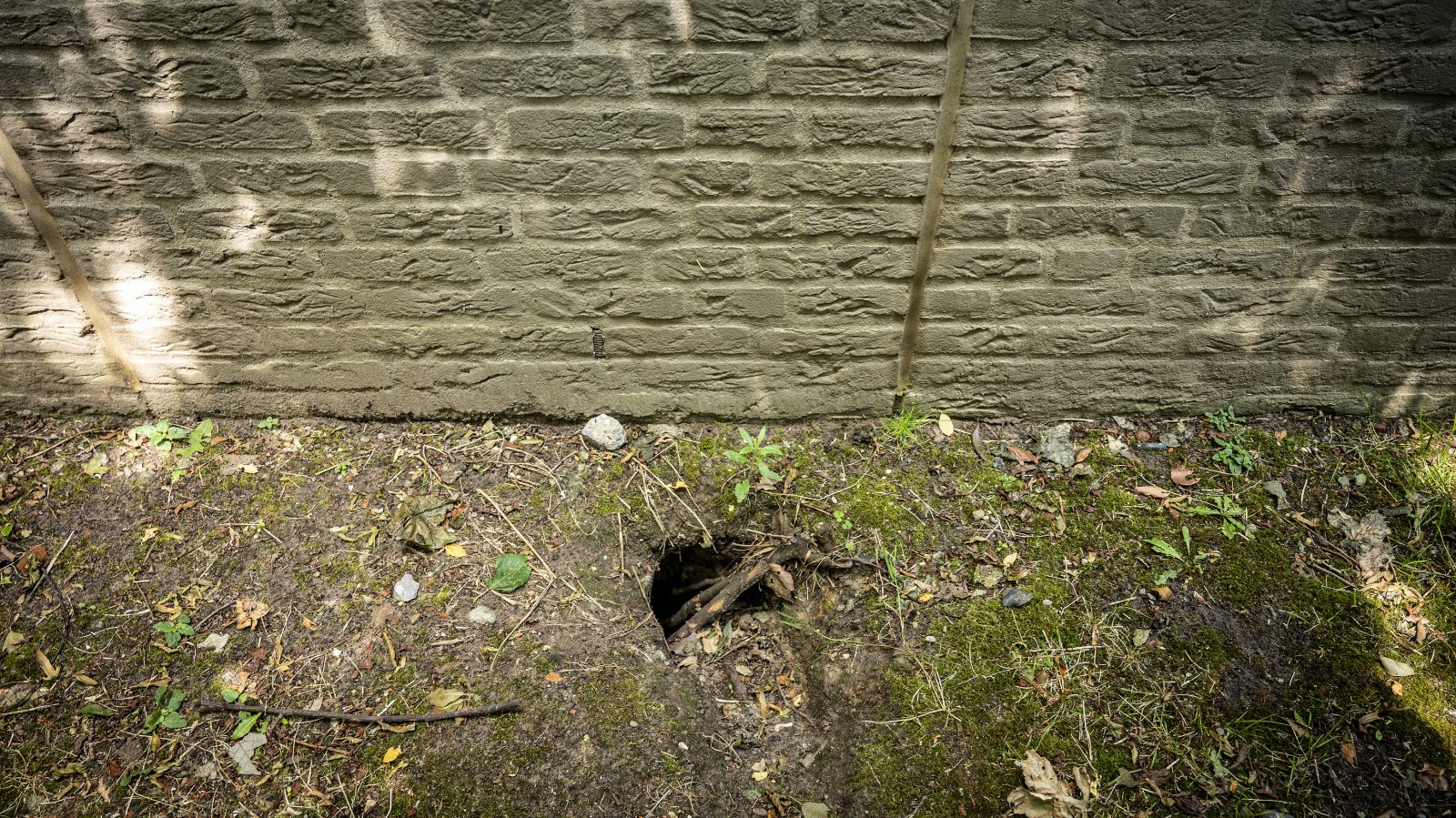
The branches in front of the entrance hint at it: it has been a while since there was a fox here.
Image by: Ronald van den Heerik
With a long snout, a white-tipped tail and an orange-brown or brownish-grey coat, there are signs that some are living on campus. If you spot what looks like a big red cat or a smallish fluffy dog, take a closer look. Seen it twice? Then it’s likely no fox – they can run up to 50 or 60 kilometres per hour. Also, they are usually out and about at night.
There seem to be fox burrows behind the Van der Goot building, making it the perfect spot to spot foxes. They are often hard to hear in the hubbub of the city. Foxes can make shrill barking or clucking sounds, but occasionally they even sound like peacocks – not that peacocks are that common on campus, but perhaps a proud professor has left a window open.
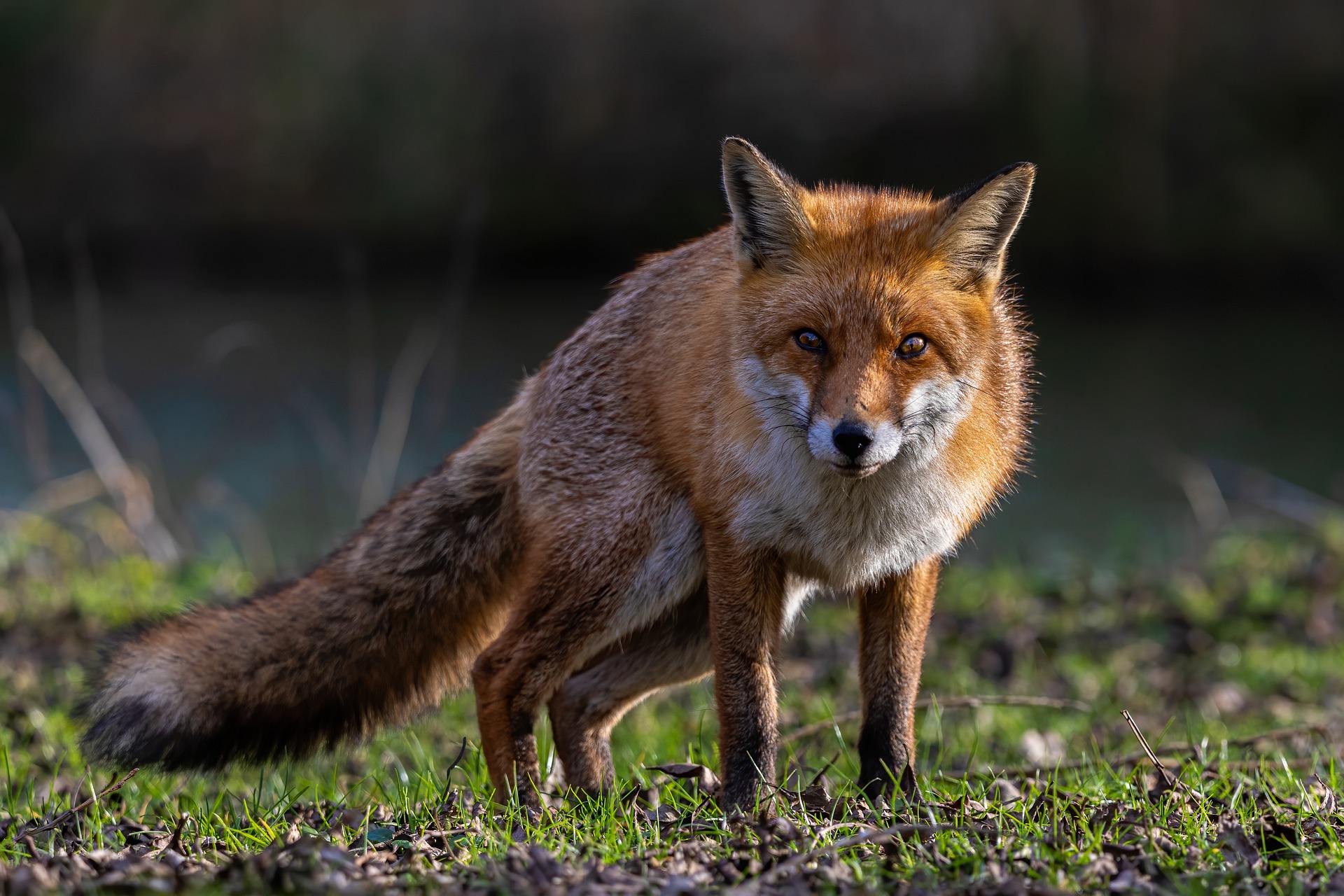
The fox is easily recognised by its orange-brown fur. The chances of seeing the animal are not very high, this nocturnal animal can run very fast.
Image by: PIxabay Jon Pauling
Ecologist Garry Bakker from Bureau Stadsnatuur creeps along the rear of the exam rooms towards the fox burrow. Will there be anyone home? He’s as quiet as can be – so as to disturb neither the examinees nor the fox. There are twigs lying in front of the burrow. Unfortunately this is not a clever technique employed to protect it – they are a sign that the burrow is uninhabited.
Why the foxes have left their homes is unknown to Garry. Perhaps the animal wanted new digs, or it could have been run over – not inconceivable, here right beside Abram van Rijckevorselweg. But there is no need to be concerned about occupancy rates on campus: foxes are happy to reuse existing burrows. Digging an entirely new hole is a hassle, so why not? A largish rabbit warren will do nicely.
Read more
-

‘Dusty field of weeds’ behind Langeveld is a paradise for insects and native plants
Gepubliceerd op:-
Nature
-
So how will we know whether there are really foxes about? “Easy”, says the ecologist. “Foxes are fairly predictable animals.” This green strip running along the campus forms an ideal link between the city and the surrounds, and sightings in town are on the rise. Which is fine unless if you plan to keep chickens on campus, then they should be kept under lock and key. Chickens do make nice bait for spotting foxes, although a nature webcam is another good idea.
De redactie
-
 Tessa Hofland
Editor
Latest news
-

Interest on student debt at highest level in 17 years
Gepubliceerd op:-
Money
-
-

Behind on repaying your student debt? DUO may soon pass the details on to your municipality
Gepubliceerd op:-
Politics
-
-

Extra funding for higher education does not keep pace with inflation
Gepubliceerd op:-
Education
-
Politics
-

Comments
Comments are closed.
Ad
Read more in Nature
-

From office to garden: staff grow vegetables at work for the edible campus garden
Gepubliceerd op:-
Nature
-
-
The Tinbergen building is one enormous bat enclosure
Gepubliceerd op:-
Nature
-
-

There’s more in the university library’s ‘sea of nourishment’ than you might think
Gepubliceerd op:-
Nature
-