No to sexual misconduct: how student societies and nightclubs want to make nightlife safer
Are students still dancing? Clubs are closing, going out is becoming increasingly expensive and students seem to be drinking less. In a series of stories, EM explores how Rotterdam's nightlife is changing.
Four in five women are sometimes touched at times without their consent when they go out. Sexual misconduct remains a problem in nightlife. But several student associations and nightlife venues are gradually bringing about change.
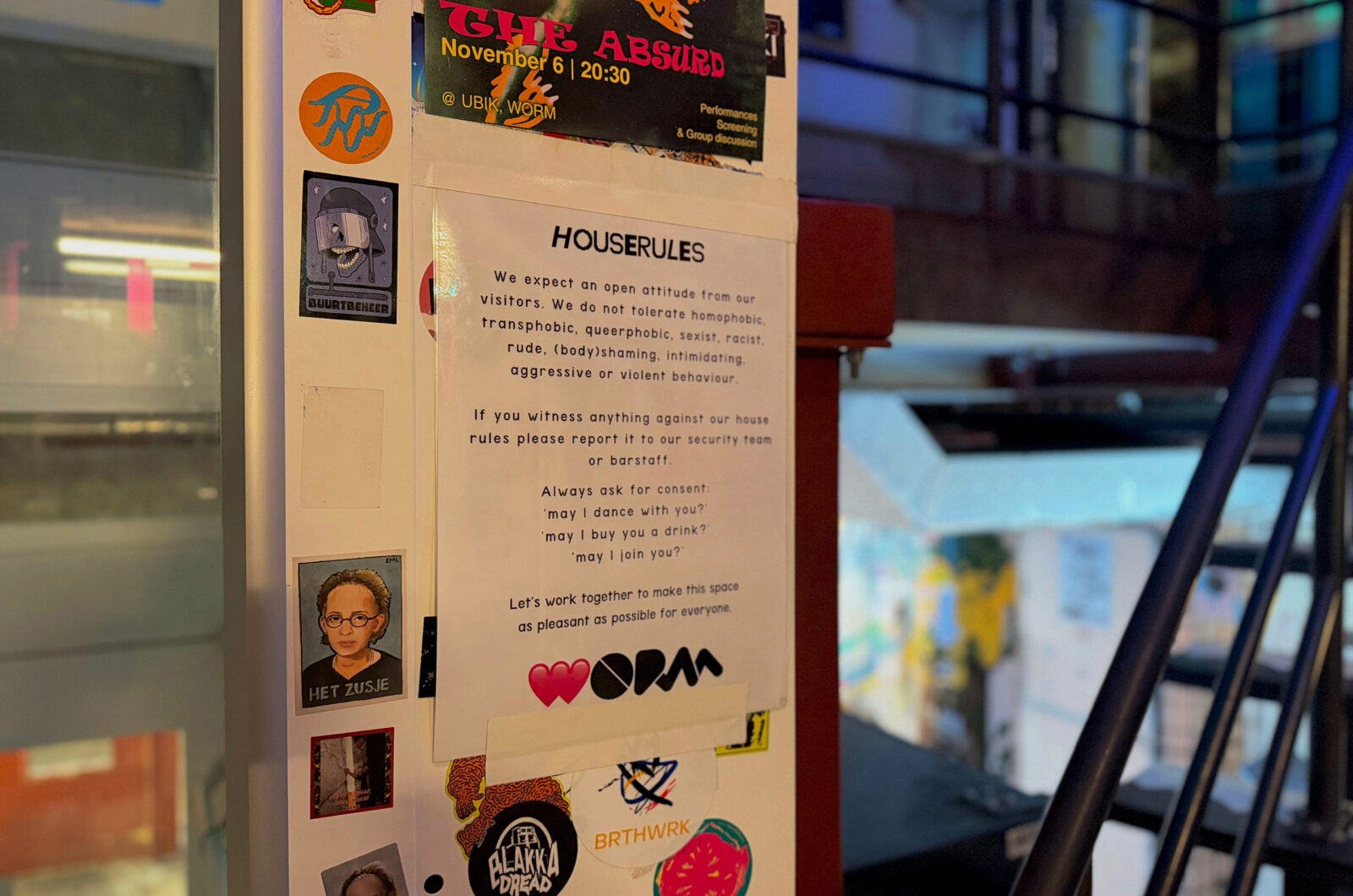
People going to WORM are immediately met with the houserules.
Image by: Deniz Tamerk
As soon as you walk in, you know this is a place where consent is a requirement, discrimination and aggression are absolutely not tolerated, and help is available if anything does go wrong. Just past the entrance to WORM nightclub, among countless colourful stickers, a poster sets out the house rules for everyone coming in.
In this series, freelance journalist Giselle Maria Timmers explores the state of Rotterdam’s nightlife. Are students still dancing? Is it true that people are drinking less? And how is nightlife being made safer?
Posters setting out house rules are increasingly being used to promote sexual and social safety in nightlife. Rotterdam nightclubs, societies and other organisations are taking safety more seriously: they are not turning a blind eye, taking preventative action and making it easier to talk about unsafe situations.
Sexual misconduct remains a problem in nightlife. More than 80 per cent of women who go out are touched without their consent each year, and a quarter of them are kissed against their will. That is according to a study of nightlife by the Trimbos Institute. Many men, both heterosexual and LGBTQ+, are affected too. Aggression and discrimination in nightlife also continue to occur systematically.
Three characteristics of nightlife
Although sexual misconduct happens mainly at home and online, it is also a reality in nightlife. It happens differently in that context, says professor Daphne van de Bongardt, so it requires a tailored approach. Van de Bongardt specialises in how young people learn about love and sexuality through the social contexts in which they live, and leads the T@CKLE research project on sexual misconduct.
“There are three specific features that make nightlife distinctive”, she explains. “It is literally dark. That makes it very different, both objectively and in terms of how it feels. Secondly, alcohol and other substance use are still normalised in the Netherlands when people go out. That plays a huge role. And lastly, a different group dynamic comes into play. It is very common for young people not only to follow their own instincts, but also to get swept up in group dynamics on a night out.”
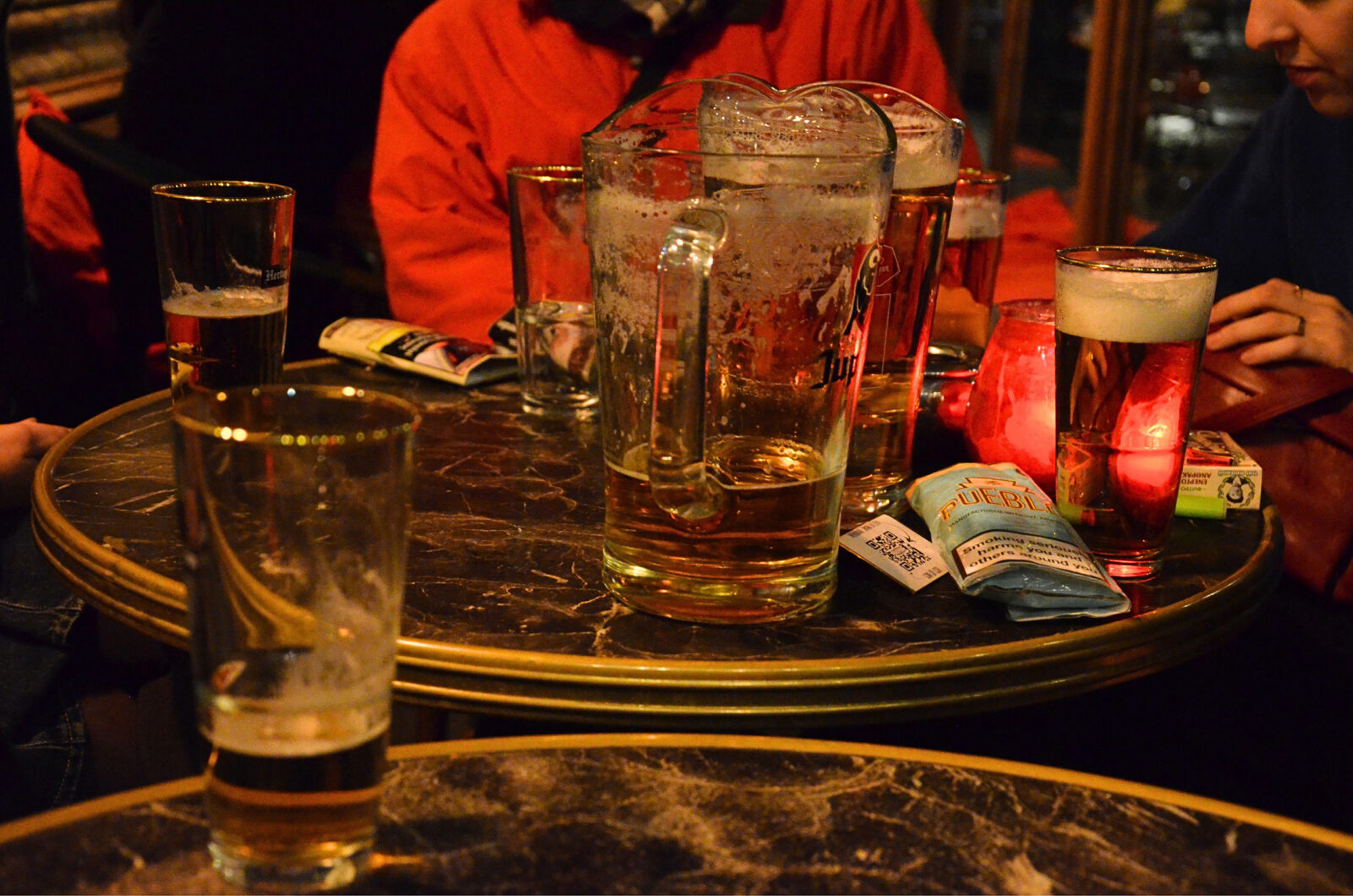
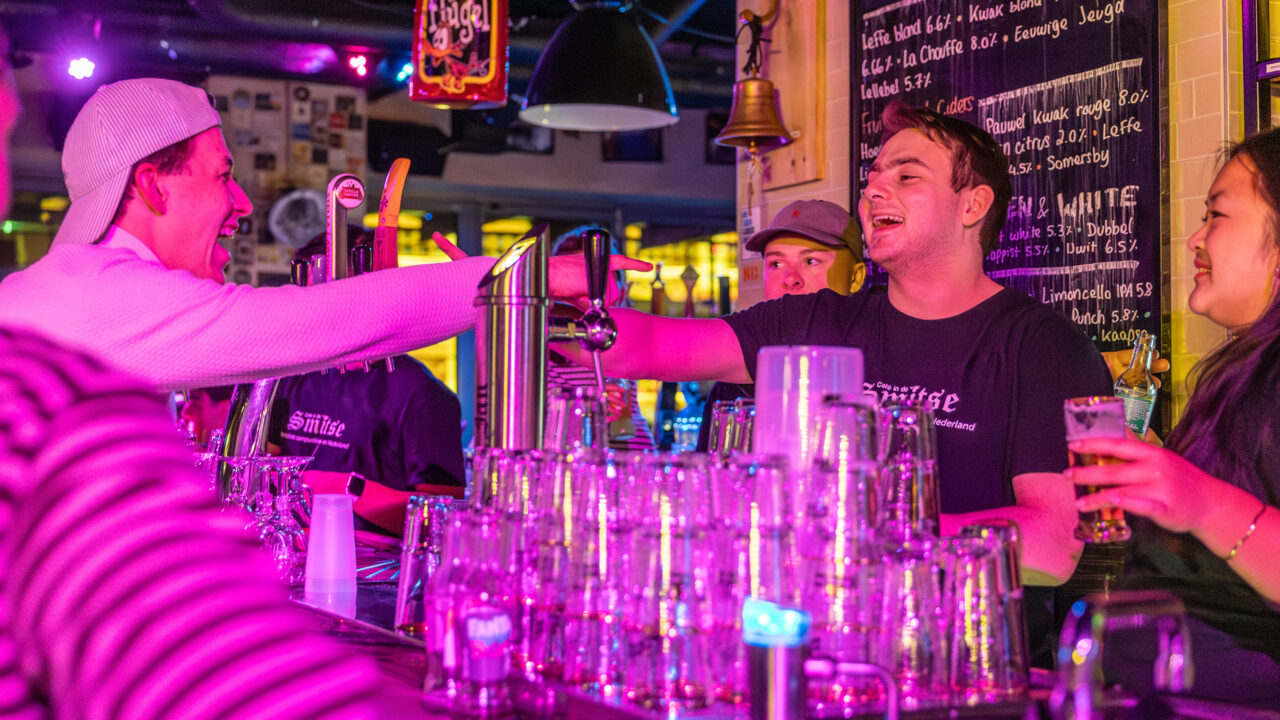
Alcohol and other substance use make people behave differently when they go out.
Image by: Deniz Tamerk
Because young people behave differently when they go out, nightclubs and student societies are promising settings in which to intervene and bring about change. “Sexual misconduct has existed for millennia”, says Van de Bongardt. “The question is: why can’t we seem to stop it?”
Prevention was missing
Juliëtte Beerenhout, president of the Rotterdam School of Economics Study Association (EFR) in 2025–2026, says she noticed at the start of her year on the board that something was missing from the policy of the Erasmus School of Economics study association. “We had a zero-tolerance policy that only said what was not allowed: for example, no drugs or unwanted intimacy. But we had no idea what to do if someone did cross a line. And we had two confidential counsellors, but people hardly ever approached them.” She discussed this with board members of other study associations and found that most of them also had few concrete plans in place.
'We had no idea what to do if someone did cross a line'
“But we are a large study association, with around 200 active committee members each year, so it can’t be the case that nothing ever goes wrong at a drinks event or ski trip”, says Beerenhout. “We felt it was important to draw up a protocol that would actually be useful to our members.”
EFR was eventually able to take part in a pilot project run by Gelijkspel. The organisation works to make everything around flirting and sex as safe as possible. It often works with student societies, but explored the options for study associations with EFR. “Together with Gelijkspel, we drew up a protocol so that we can respond if anything inappropriate happens.”
One example of this protocol is the new independent Ethics Board: “If a complaint comes in – which, fortunately, has never happened – two former EFR confidential counsellors and an external psychology student will look at the situation. They can decide whether someone should be suspended, for example, meaning they can no longer attend career or social events.”
Een lijst met artikelen
-
Gen Z still drinks, but no longer considers it normal
Gepubliceerd op:-
Culture
-
Getting home safely
EFR’s move was inspired by a wider shift among student societies. Working with organisations such as Gelijkspel has helped take another step towards a safer culture in recent years, according to Tom Rijkens, president of the RKvV, the umbrella organisation for Rotterdam’s five social student societies. As well as drawing up a protocol, Gelijkspel provides training for boards and gives younger students information about sexual safety.
Student societies take sexual misconduct seriously by starting conversations about safety during the introductory period. Rijkens says: “Confidential counsellors come in person, and there is a very clear explanation of what you can do if you feel unsafe. And what sanctions you can expect when you misbehave? You could be expelled from the association.”
The close-knit culture of a society means things rarely go that far. “Every evening at the society, you are surrounded by people you know well”, says Rijkens, who is a member of SSR. “That makes it easy to spot unpleasant situations and step in straight away.” At drinks events held by his society, sober students are always on hand to keep an eye on things. Anyone who can no longer get home safely on their own is escorted back to their housemates on foot, by taxi or even in a cargo bike.
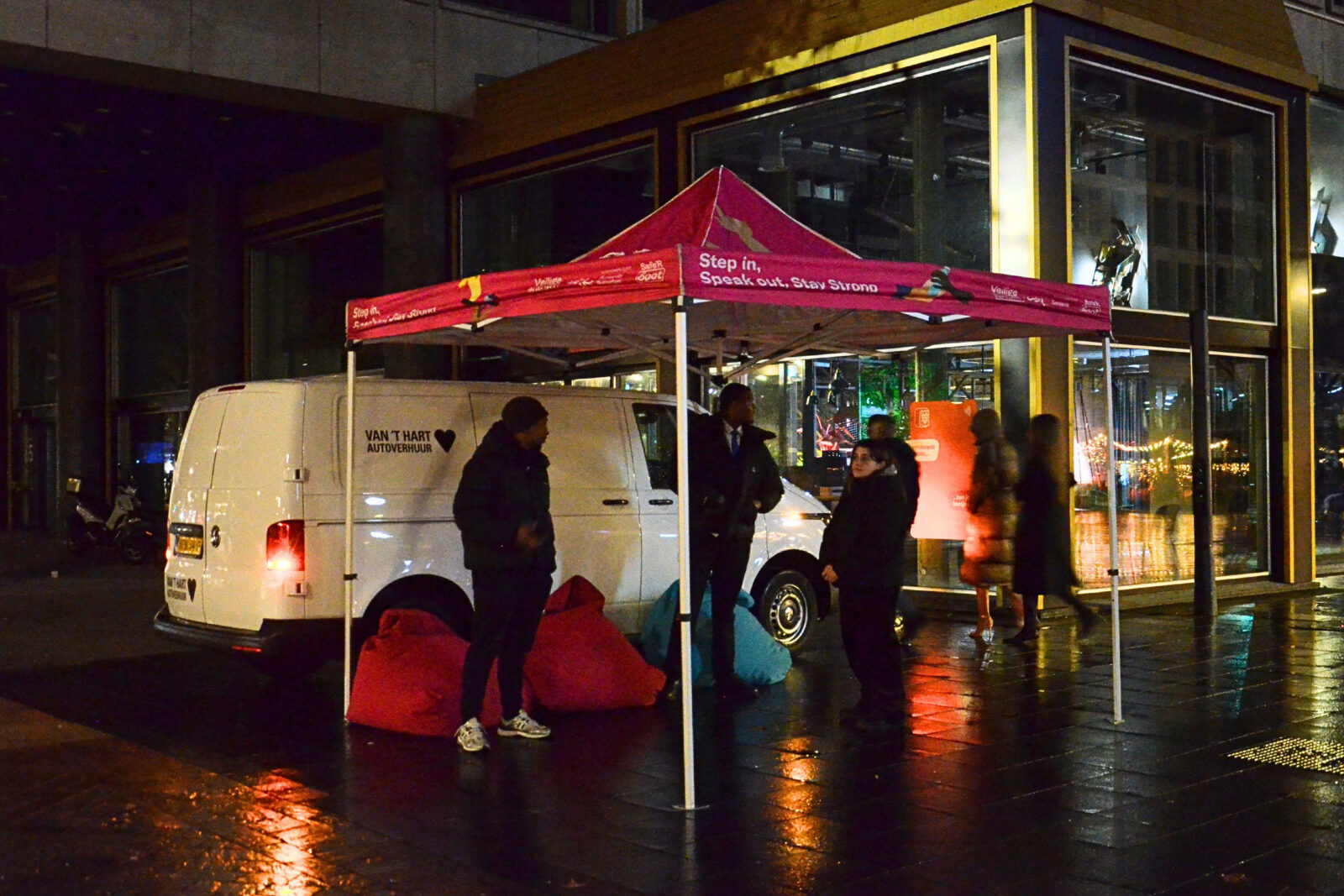
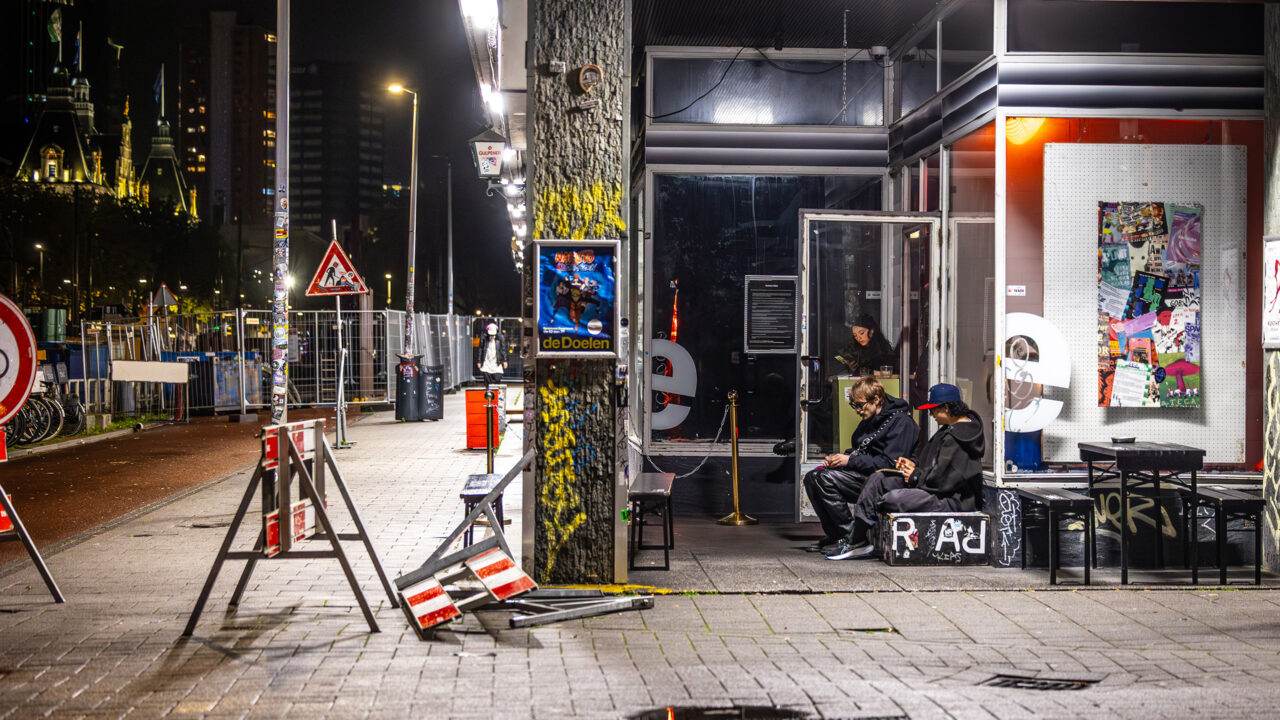
On Stadhuisplein there’s a van with support workers on Friday and Saturday nights.
Image by: Deniz Tamerk
The city council is also working to make nights out safer. On Friday and Saturday nights, a van staffed by support workers is stationed on Stadhuisplein. People who are feeling unwell while out can go to this so-called Safe’R Spot, whether they have had too much to drink, are being harassed or simply need someone to listen. Hospitality stewards patrol busy nightlife areas, keeping an eye on things and stepping in to de-escalate situations if necessary. And the night bus, which returned last year, helps people get home safely on weekends, even if they live in outlying parts of the city.
Intersectional awareness
Nightclubs are making greater efforts to ensure people can dance without being mistreated. At techno club Export, a dedicated awareness team looks after people’s safety. Phone cameras are covered at the door, and everyone is shown the house rules. These include: ‘ask for consent’, ‘discrimination and hate are not tolerated’ and ‘look out for one another’. The rules ask guests to be as aware as possible of the impact of their behaviour on those around them. Trained staff are present on the dancefloor to help maintain a good atmosphere and support anyone who is, for example, too drunk or in need of someone to listen.
'An all-white, cisgender team may not always be able to gauge how serious certain situations are for queer people of colour'
For Export, safety goes beyond sexual safety and also involves discrimination and social safety. Samantha Dineo Moon Julca, head of awareness at Export, therefore makes sure their team is as diverse as possible. “An all-white, cisgender team may not always be able to gauge how serious certain situations are for queer people of colour. It is very important to me that awareness work is intersectional.”
The nuances of a night out
Frederik Teixeira, cultural nightlife programmer at WORM, knows how hard it can be to pin down what makes a club safe. “You can’t measure atmosphere objectively”, he says. “Nightlife is nuanced. People who use drugs, people who drink and people who are sober can all have a great time together. Sometimes things can go wrong and someone may cross a line.”
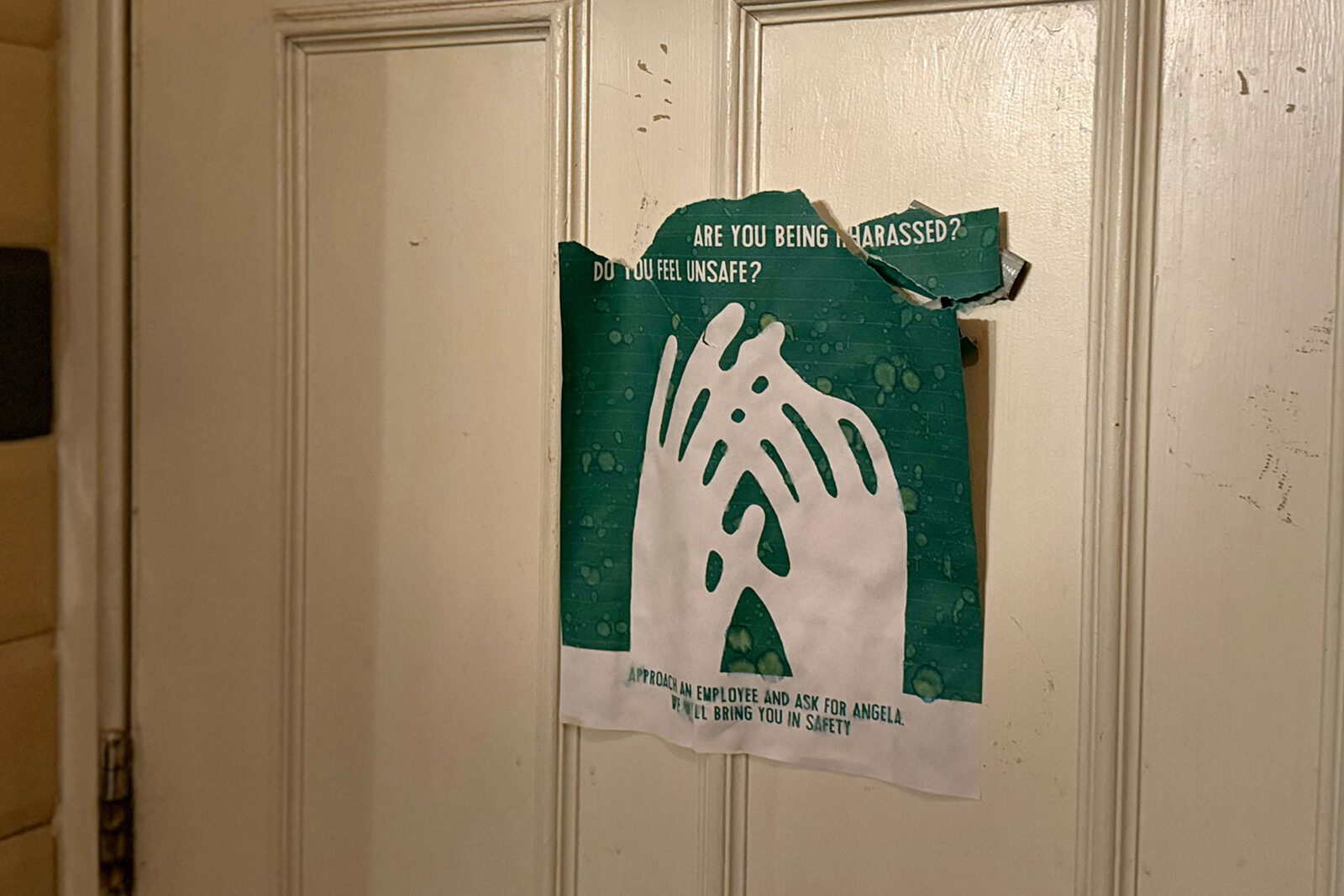
At many bars and clubs you can ask the staff whether Angela is working. They then know that you feel unsafe.
Image by: Deniz Tamerk
WORM tries to prevent this by making sure everyone who works there, from managers to bar staff and security, understands the nuances of a night out. It is not always possible to say in black-and-white terms which behaviour is acceptable and which is not. A sexual act that feels clear and enjoyable to one person may seem unclear and unwanted to another.
“Anyone who feels unsafe can speak to any member of staff”, Teixeira stresses. Anyone who cannot ask for help openly can do so discreetly by asking whether Angela is working. Angela is a code word that tells every member of staff that someone feels trapped in an unsafe situation.
'We have only just begun'
A culture shift begins
Teixeira is glad that sexual and social safety are now receiving so much attention, because that was not always a given. He has worked in nightlife for more than ten years and has seen awareness slowly grow. “Certain groups have always had more unpleasant experiences, and have been harassed or excluded”, he says. “But because people weren’t talking about it, the issue was much less visible.”
“We have only just begun”, says Van de Bongardt of the growing attention to sexual and social safety, both in nightlife and beyond. “You can see the beginnings of a culture shift, with systematic efforts to address this complex problem. But a culture shift takes a very long time: ten to twenty years, perhaps even generations. We have to keep going. It is important that politicians continue to invest in this field, in research and in prevention, because we are not done yet!”
Een lijst met artikelen
-
Clubs closing, expensive drinks and dancing with a matcha. How Rotterdam’s nightlife is changing
Gepubliceerd op:-
Culture
-
De redactie
-
 Giselle Maria Timmers
Studentcolumnist / freelancer
Comments
Read more in Culture
-
With oysters, time pressure and a Shakespeare line, students make a film in just one weekend
Gepubliceerd op:-
Culture
-
Student life
-
-
Gen Z still drinks, but no longer considers it normal
Gepubliceerd op:-
Culture
-
-
Clubs closing, expensive drinks and dancing with a matcha. How Rotterdam’s nightlife is changing
Gepubliceerd op:-
Culture
-
Leave a comment