Ad

Seven EUR scientists receive a Vidi grant
The Dutch Research Council (NWO) is awarding Vidi grants to 109 talented scientists this year. Seven of these grants will go to Erasmus University Rotterdam. The recipients will receive up to 850,000 euros for their research.
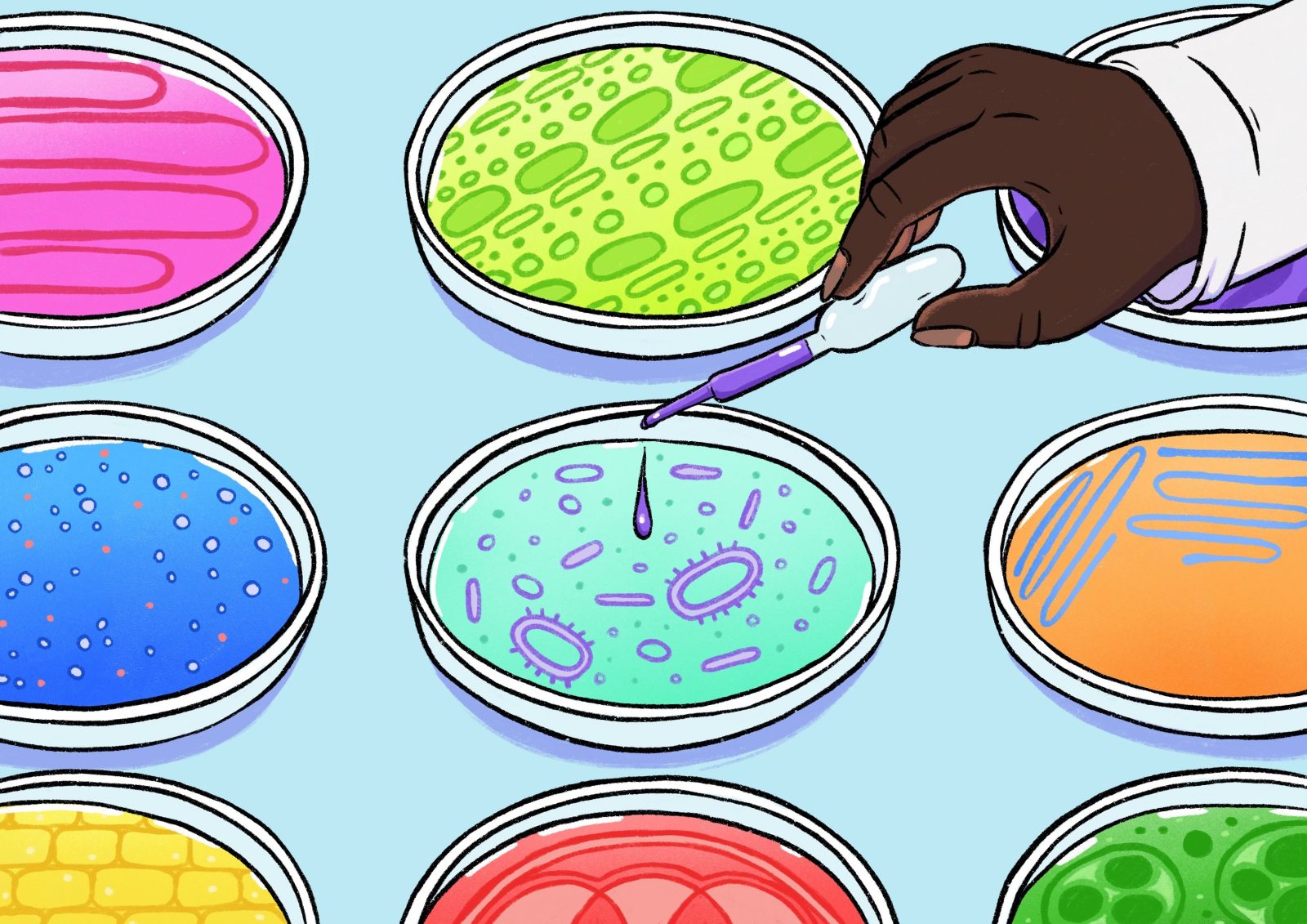
Image by: Femke Legué
A total of 712 candidates applied for this round of Vidi grants, of whom 265 were allowed to submit a full application. In the end, 15 per cent of applications were successful. This is slightly lower than last year, when NWO increased the budget to award more grants.
Most grants go to researchers in the natural and physical sciences (42), followed by the social sciences and humanities (35), health sciences (19) and applied and technical sciences (13). The winners will receive up to 850,000 euros to conduct their research.
Female researchers applied for grants slightly less often, but were more successful: 19 per cent of their applications were successful, compared with 12 per cent of applications from men.
Seven Vidi grants for Erasmus
Erasmus University Rotterdam and Erasmus MC have secured a total of seven grants. Jana Cahlikova (Erasmus School of Economics), for example, will investigate why some people discriminate more than others. Chen Li (also at ESE) will use her grant to study how emotions influence beliefs, cooperation and negotiation.
Een lijst met artikelen
-

Nobel Prize for research into ‘stabilisation’ of the economy
Gepubliceerd op:-
Science
-
Five researchers at Erasmus MC have been awarded grants this year. Using artificial intelligence, Rintje Agricola is developing methods to detect osteoarthritis at an earlier stage. Chahinda Ghossein-Doha is also working on prevention: she is developing new tests to detect pre-eclampsia, a condition that can develop during pregnancy and may lead to heart damage.
Els Mansell’s research aims to develop new drugs for acute myeloid leukaemia, an aggressive form of blood cancer. Christiaan Meuwese is studying cardiogenic shock, a severe form of heart failure. He is working on a new method to improve personalised treatment for the condition. Esther Warnert is developing a new MRI technique to measure oxygen levels in the liver.
Strokes
Delft University of Technology secured the most grants this year. One of the successful scientists will develop a portable blood-testing device that can detect strokes in an ambulance, rather than only after a patient arrives at hospital.
Another TU Delft researcher will investigate whether mixing hydrogen with kerosene can reduce harmful emissions from aircraft.
The Vidi grants are part of NWO’s Talent Programme, alongside the Veni and Vici grants. They are intended for scientists at different stages of their careers.
Een lijst met artikelen
-

Hate campaigns and political pressure: KNAW wants legal protection for academic freedom
Gepubliceerd op:-
Science
-
De redactie
Comments
Ad
Read more in Science
-

New code of conduct for science emphasises ‘distinctiveness and autonomy’
Gepubliceerd op:-
Science
-
-
Hate campaigns and political pressure: KNAW wants legal protection for academic freedom
Gepubliceerd op:-
Science
-
-
Why Philip Hans Franses had students look in wallets at a DIY store
Gepubliceerd op:-
Eureka!
-


Leave a comment