Ad

New code of conduct for science emphasises ‘distinctiveness and autonomy’

Universities and universities of applied sciences should protect their researchers from pressure and interference. Scientists should exercise caution when using AI. That is what the new code of conduct for research integrity says.
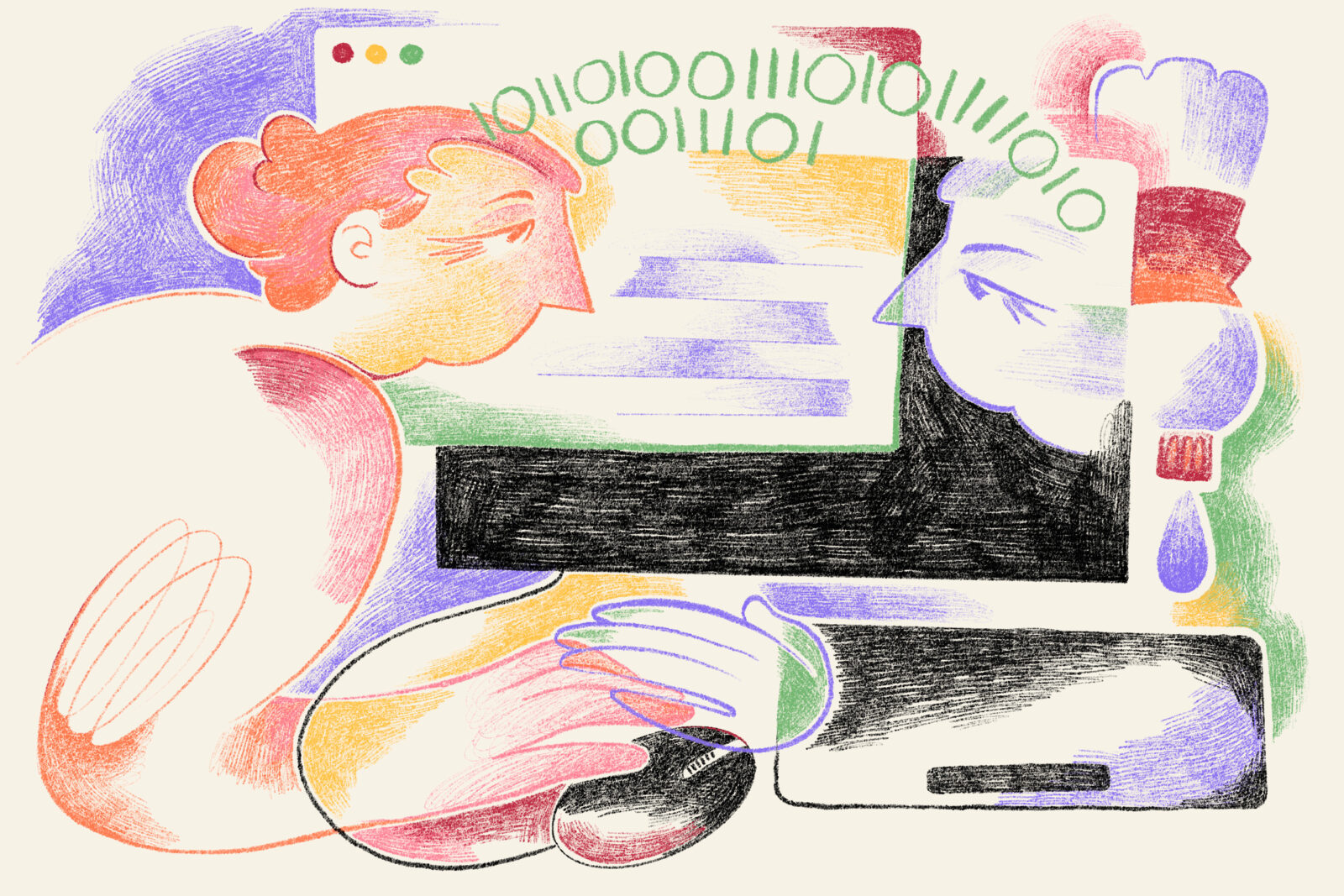
Image by: Ami Rinn
The code of conduct for research integrity has been revised after eight years. A draft version was already shared last year. Today, the Royal Netherlands Academy of Arts and Sciences (KNAW) is presenting the final version.
The core principles remain the same. For example, scientists shouldn’t fabricate data or sources, be guided by political or commercial interests, or fail to ensure that their research can be followed and verified.
But something has changed too. The authors of the code write that political and public involvement in research ‘has increased in recent decades’. It is therefore important that all parties involved respect ‘each other’s distinctiveness and autonomy’.
Just last week, the KNAW concluded that academic freedom should be protected by law.
Pressure and interference
Research institutions, such as universities of applied sciences and universities, are given greater responsibility under the new code. They must protect their scientists ‘against undue pressure and interference, both from within and from outside the institution’.
Researchers must also take care when sharing their work: for example, they should not publish in journals that do not adhere to the principles of research integrity.
AI tools
As was already clear from the draft version, the new code pays more attention to technology. The rise of AI is particularly prominent. The wording remains broad, however: the use of technology must be in line ‘with the principles and standards set out in this code’.
The precise details are left to the scientists themselves. However, research institutions are urged to draw up clear guidelines. These should state which technologies, and therefore which AI tools, may be used.
Open science
The new code also emphasises the importance of open science. Data and research should be made public and accessible as far as possible, ‘unless there are sound reasons not to do so’.
The new code of conduct comes into force on 1 January 2027 and applies to researchers at universities, universities of applied sciences, academic hospitals and other research institutions.
Een lijst met artikelen
-
RTL: More than half of master’s theses contain AI-generated text
Gepubliceerd op:-
Artificial Intelligence
-
Education
-
De redactie
Comments
Ad
Read more in Science
-

Hate campaigns and political pressure: KNAW wants legal protection for academic freedom
Gepubliceerd op:-
Science
-
-

Why Philip Hans Franses had students look in wallets at a DIY store
Gepubliceerd op:-
Eureka!
-
-
Nobel Prize for research into ‘stabilisation’ of the economy
Gepubliceerd op:-
Science
-


Leave a comment