Ad

Why Irene van Oorschot prefers to focus on what she does not yet know
Books tell stories. Based on a book that inspires them, EUR staff tell about their lives.
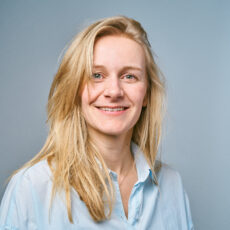
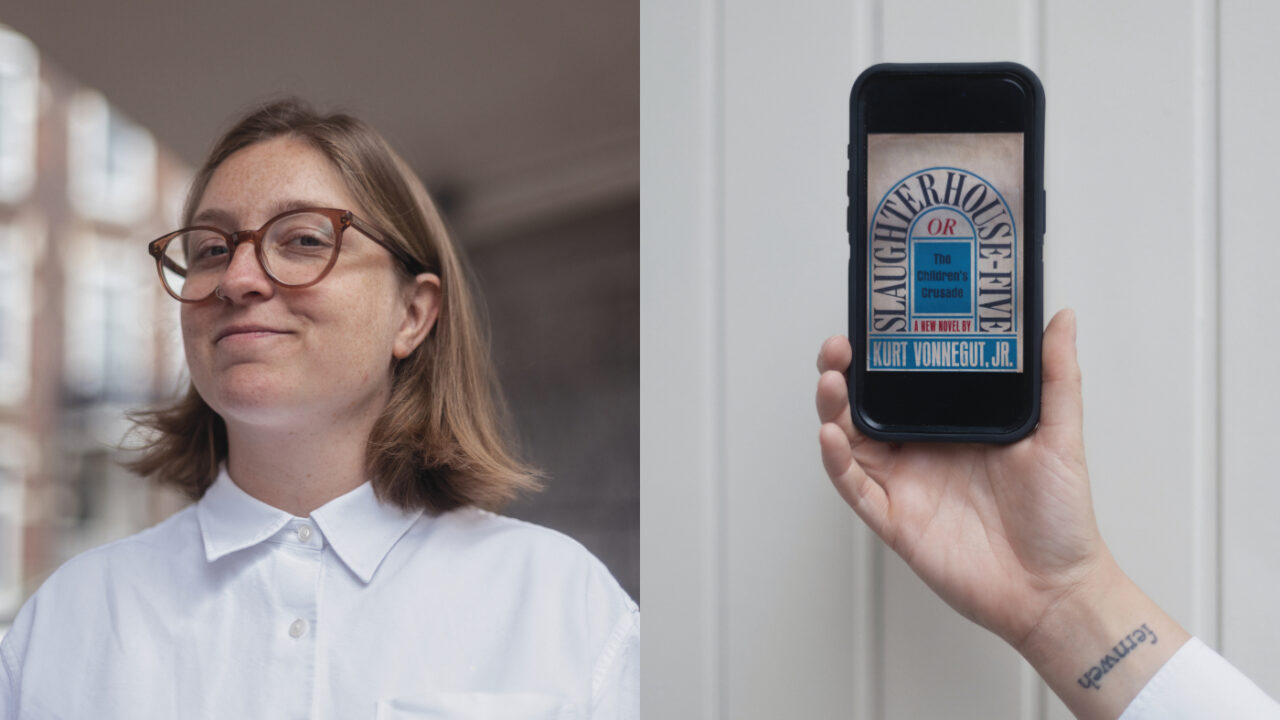
Sociologist Irene van Oorschot loves to read, and reads a lot. Now that she is rereading Hilary Mantel’s Wolf Hall trilogy, she realises that the struggle for land has been going on throughout history. “It is marginalised groups that shape history.”
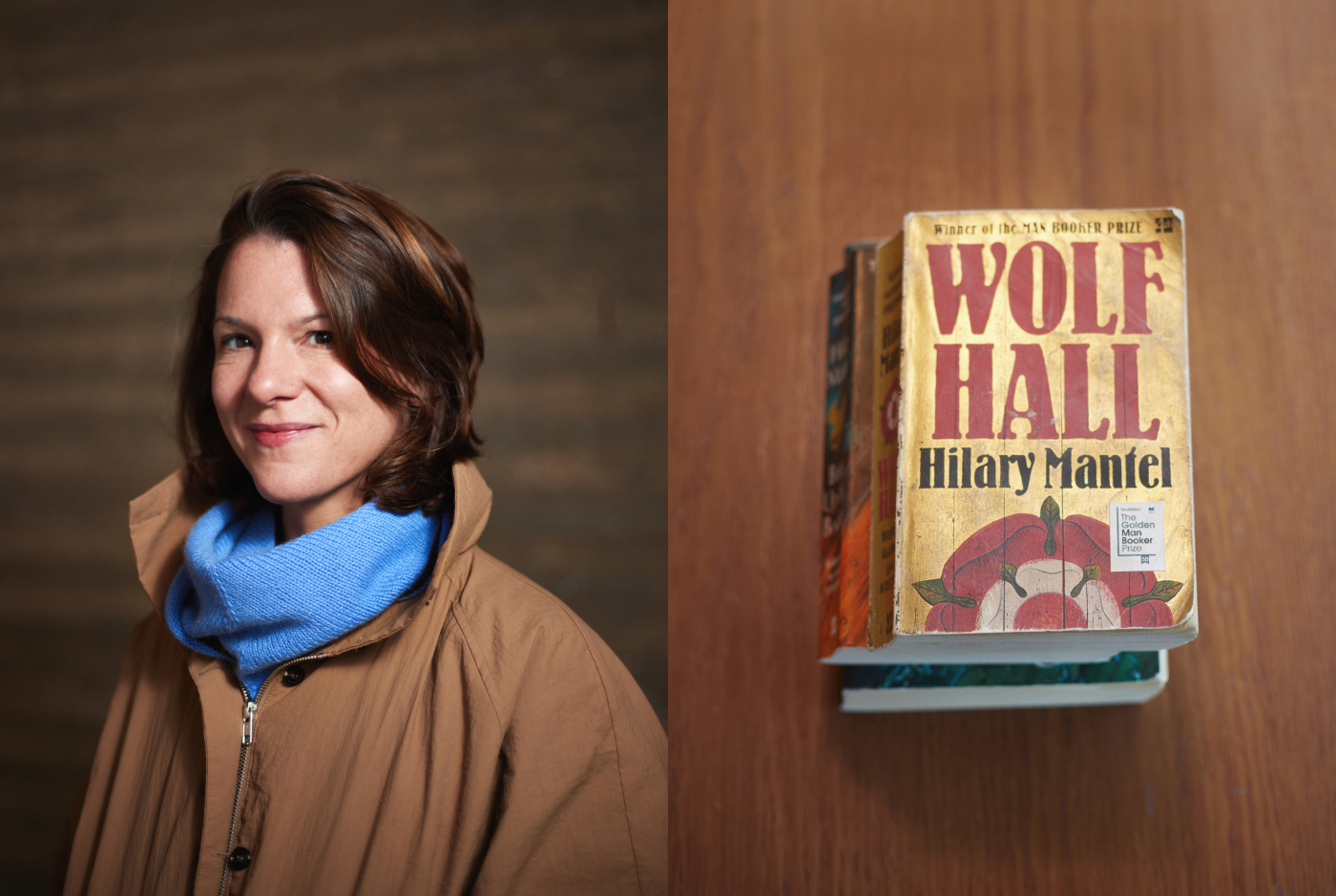
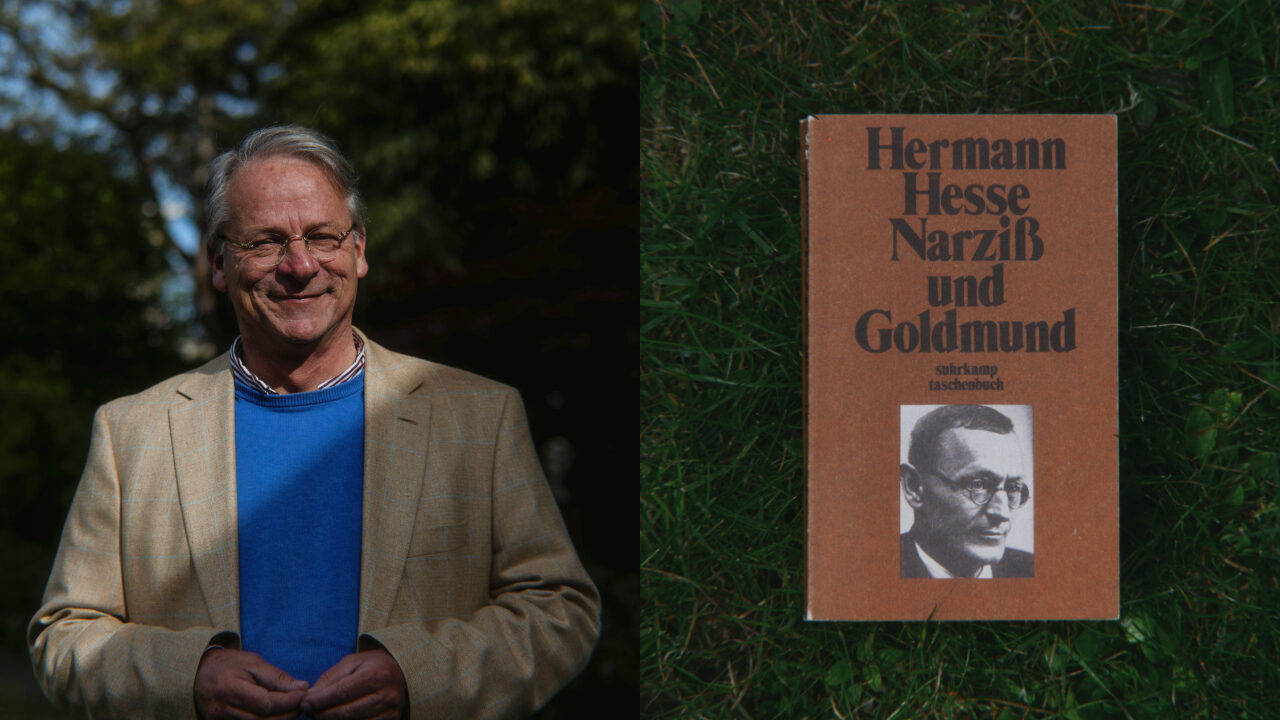
Image by: Leroy Verbeet
She says this with some hesitation, and Gerard Reve is an exception to the rule for her, but sociologist Irene van Oorschot would rather read books by writers from the margins than yet another book by a white man. “That perspective is everywhere already”, she says, “the best reading experiences are the moments when my way of thinking is unsettled.”
Irene van Oorschot is an assistant professor in the Public Issues and Imaginaries team at ESSB. Her work is inspired by pragmatist philosophy, science and technology studies, and feminist and decolonial perspectives. She is guided by the question of how climate change is understood and experienced, and the uncertainties, improvisations and anticipations it gives rise to in a range of contexts – from nature management to urban life.
Reading is learning
Aimé Césaire’s book Discourse on Colonialism was one such book that shook up her thinking. “It demolishes Europe’s claims to civilisation and the moral superiority the continent ascribes to itself. When you read that book, you realise how absurd those claims are.” Discourse on Colonialism is just one of the books discussed in the conversation with Van Oorschot. For her, reading books is a way to examine her own perspective and see the world as she has known it so far through different eyes.
“I have to read. It’s a character trait”, says Van Oorschot. She reads to learn and for inspiration. Just as books sharpen her mind, she hopes her classes can have the same effect on students. “If, at the end of a course, students realise there is an alternative to the existing order, then I’ve done my job.”
One and a half degrees is genocide
Van Oorschot is interested in how climate change is understood and experienced, and the uncertainties and adaptations it gives rise to. She looks for points of tension.
And there is tension, for example, in the Pacific. If it is agreed in Paris that the Earth must warm by no more than two degrees, and preferably by no more than one and a half, that would spell the end for the Pacific island nation of Tuvalu. As a result of global warming and the associated rise in sea levels, the country will disappear beneath the sea. “For the people of Tuvalu, the agreed warming of one and a half degrees amounts to genocide. For whom, then, is one and a half degrees of warming acceptable?”
The forest belongs to everyone
Van Oorschot will spend the coming period building her own research team. She recently received a European Starting Grant to study the resilience of European forests to wildfires, insect infestations and other climate-related risks. The question arises: who does the forest actually belong to? The state, industry, ecologists or communities? Who claims ownership of it, and with what consequences for people and nature?
She reread Hilary Mantel’s Wolf Hall trilogy and was reassured to realise that the struggle for land has been going on throughout history. The books are about Thomas Cromwell, who rises from being the son of a blacksmith in 16th-century England to become an important adviser to the unstable and narcissistic King Henry VIII. At the time, wealthy nobles claimed common land for wool production, driving farmers from their land. The result was poverty and uprisings.
'Pessimism does not help us answer the question of how we should care for life on Earth'
“It is ordinary people, marginalised groups, who shape history”, says Van Oorschot. “The land beneath our feet has always been a source of resistance throughout history.” We are still seeing struggles over our shared land today. Nitrogen damage is also affecting the forest. At the same time, industries expect trees to continue supplying timber, while the state values the forest as a store of CO2. You could say that the struggle that existed in the 16th century is still not over. Are we really making progress?
“Pessimism is not an option”, says Van Oorschot. She finds it difficult to deal with. “Pessimism does not spur us to act, nor help us answer the question of how we should care for life on Earth.” In her research, she wants to study not only where things go wrong, but also where the climate crisis leads to new experiments in how things could be done differently. She writes too. Next year, a book of aphorisms she has co-written with Marguerite van den Berg will be published: “This book will be an invitation to treat our broken world with love and care.”
Number of books per year: “One book a week.”
Main motivation: “Reading is learning is escape.”
Favourite genre: “It varies. I enjoy reading historical novels and science fiction, something that allows for speculation. Anything goes. I can also enjoy a good theoretical book, if it has the potential to unsettle things.”
Most recently read: Funny Weather by Olivia Laing
Een lijst met artikelen
-
Kindred spirits are closer than you think, Lara Fizaine knows
Gepubliceerd op:-
Page-turners
-
Would you rather see EM than AI generated news in your search results? Add EM as a source in Google. Or just ignore the search engines and chatbots and use our mobile app instead.
De redactie
-
 Maartje Braam
Editor
Comments
Ad
Read more in Page-turners
-
Kindred spirits are closer than you think, Lara Fizaine knows
Gepubliceerd op:-
Page-turners
-
-
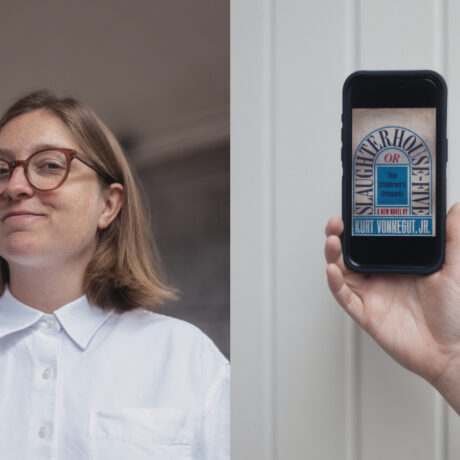
Once you have found what suits you, things fall into place, says Lenya Slierendrecht
Gepubliceerd op:-
Page-turners
-
-
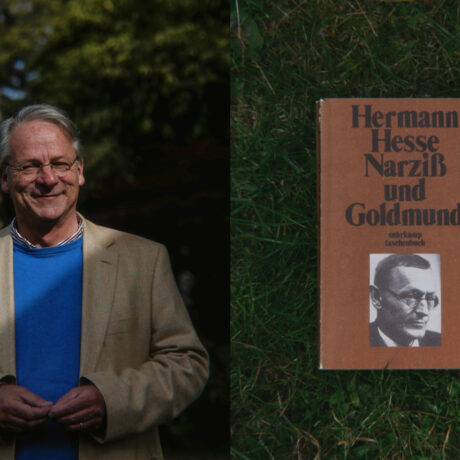
Feeling and thinking must go together, Paul van Geest knows
Gepubliceerd op:-
Page-turners
-
Leave a comment