Ad

Kindred spirits are closer than you think, Lara Fizaine knows
Books tell stories. Based on a book that inspires them, EUR staff tell about their lives.
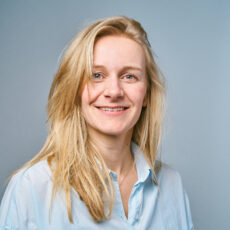
Norms exclude people, PhD candidate Lara Fizaine knows. She turns her attention to people outside the standard mould. However lonely it can sometimes be there, people often share their experiences with someone else. She read about this in the book Lotgenoten by Sabrine Ingabire.
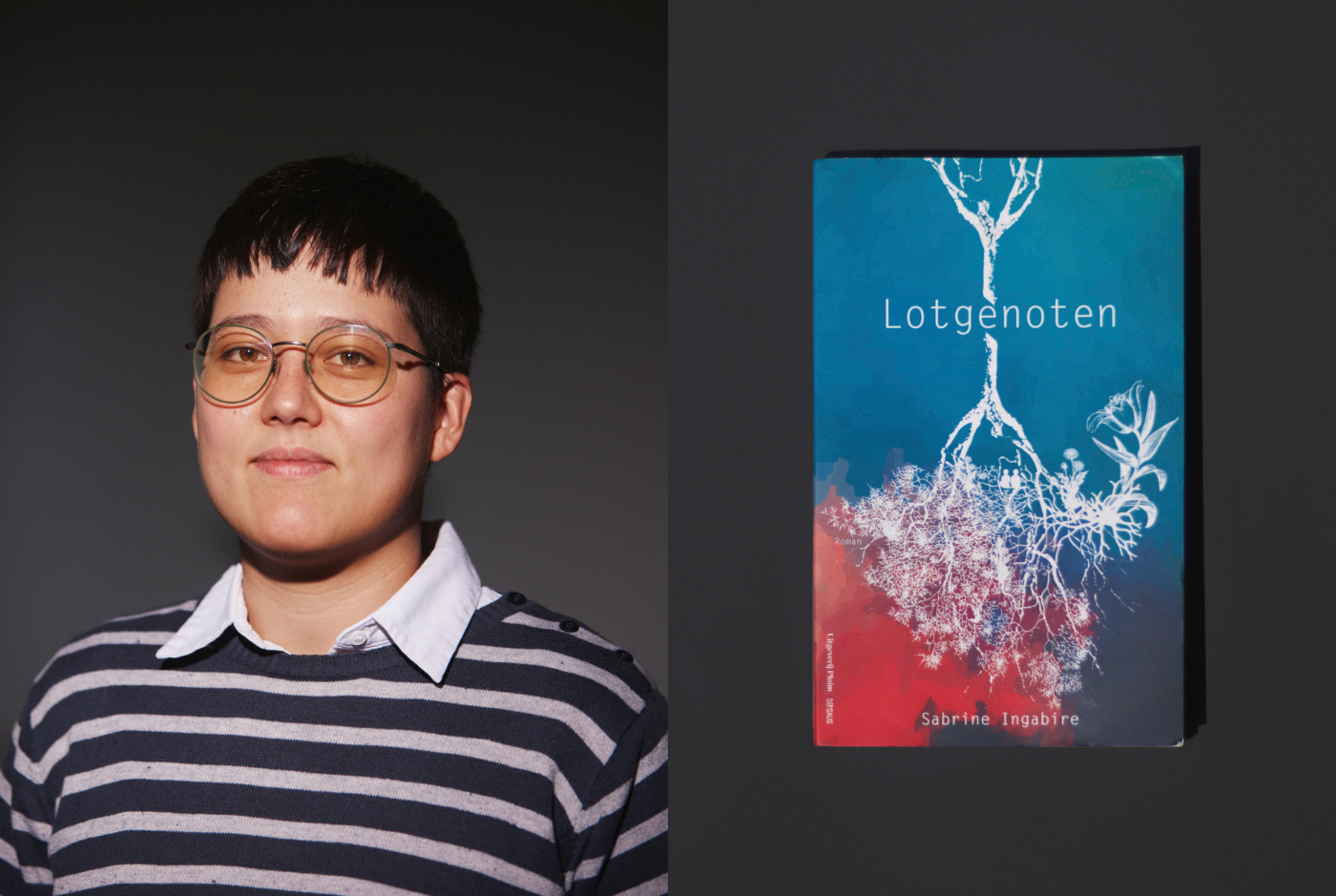
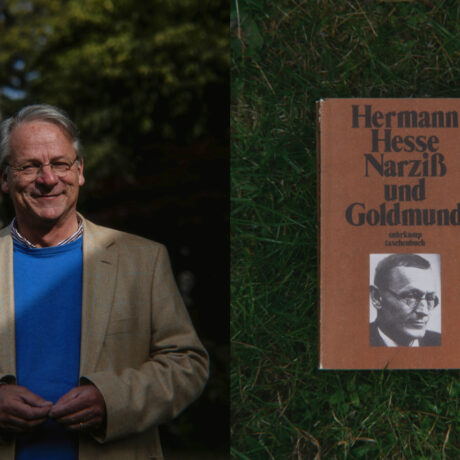
Image by: Leroy Verbeet
As far as Lara Fizaine can tell, there is no comparable word to lotgenoten in English or French. At least, not such a concise, independent word as there is in Dutch. The word loosely translates to peers, fellow sufferers or kindred spirits, but the meaning comes closer to a mix of the three. Dutch is her third language, and Lotgenoten was one of the first books she read in Dutch. She was born in Hong Kong, lived in the United States for a while and went to the French-speaking part of Belgium at around the age of twelve, where her family still lives. She moved to Amsterdam for her studies about eleven years ago, where she describes what moved her about Sabrine Ingabire’s book.
Lara Fizaine is doing her PhD as part of the interdisciplinary research project Dilemmas of doing Diversity, focusing on diversity policies and practices in elderly care. She completed two master’s degrees: Social Policy and Public Health and a research master’s in Social Sciences.
Alone in the world
The main character, Ajali, is a Rwandan Belgian teenager in her final year of secondary school in Flanders. She is the only member of her family to have been born in Belgium. She lacks the natural connection her parents and brother have with other Rwandans in Belgium and feels alone. At school, she is one of the few pupils with a migration background and struggles with depression – a state of mind that is not considered normal in the Rwandan community. In the context in which she was raised, the prevailing idea is that depression is something experienced by white and Western people.
At first glance, Ajali cannot see herself in anyone, but after a great deal of time and courage, she dares to open up. Her outlook broadens and her perspective gradually widens, leading her to discover that her own brother, the boy she had been connected to all along, is struggling with similar dark thoughts. “I think it’s part of growing up to really turn towards another person, to realise that the world does not revolve around you, but to come to understand that other people go through things too”, says Fizaine, “the book is a beautiful coming-of-age story.”
What also moved her is the fact that people’s development does not happen in sync. In her life, Ajali discovers her first kindred spirit, her friend Rose. At the same time, she realises that she is not Rose’s first kindred spirit. Rose is further along and has already received support from other kindred spirits. “Everyone lives at their own pace. For some people, things come to the fore earlier; for others, it takes more time to become aware of something”, says Fizaine.
You do not belong
Lotgenoten ultimately is also about norms, about who belongs and who is left out. This is a theme that concerns Fizaine both personally and professionally. As the daughter of an adopted father from South Korea and as a queer person, she has first-hand experience of being ‘different’; she knows that norms can be coercive. “Everyone who falls outside them is expected to find a solution themselves. Yet norms are created and difference is constructed. So let’s also think together about how we deal with people who do not meet the standard.”
'I think it is part of growing up to really turn towards another person'
During her research master’s in Social Sciences in Amsterdam, she examined what it means to grow older as a queer person in the capital. Her master’s research developed into the PhD project she is completing this year. In recent years, she has focused on how elderly care deals with marginalised groups. This does not make her optimistic, but it does give her hope. “There are many good intentions. There are care providers who are aware of the importance of diversity, but practice is stubborn.”
We share our differences
People with a migration background do not all have the same experiences and lives. While one person may feel insulted if a care provider does not speak Dutch to her, because she has worked hard to master the language, someone else may associate Dutch precisely with coercion. A third person may not speak the language and may lose their way within the care system. “Care providers often do not have the time and attention to really see individuals.”
Nevertheless, Fizaine has also seen hopeful initiatives by care workers who organised discussion groups themselves. “Not for social media, not to meet targets, but simply for the people in a care home themselves. People with a migration background came together in the discussion group. Kindred spirits. Because people share a migration history, the differences within the group of migrants become visible.”
Reading habits
Number of books per year: 30
Motivation: “Travel. When you travel, you see a different world, but when you travel, you are a tourist. When you read, you can see a completely different life. I also find kindred spirits in fiction. When I read Audre Lorde or Gloria Wekker, I realise that, including throughout history, there have been people working on the same themes as I am. And that a great deal of work has already been done.”
Favourite genres: Fiction
Most recently read book: “I am currently reading an old lesbian crime novel. I do not know the title and it does not really matter. My hobby is looking for and finding old lesbian mysteries in second-hand shops. I have a nose for them.”
Een lijst met artikelen
-
Once you have found what suits you, things fall into place, says Lenya Slierendrecht
Gepubliceerd op:-
Page-turners
-
De redactie
-
 Maartje Braam
Editor
Comments
Comments are closed.
Ad
Read more in Page-turners
-
Why Irene van Oorschot prefers to focus on what she does not yet know
Gepubliceerd op:-
Page-turners
-
-
Once you have found what suits you, things fall into place, says Lenya Slierendrecht
Gepubliceerd op:-
Page-turners
-
-
Feeling and thinking must go together, Paul van Geest knows
Gepubliceerd op:-
Page-turners
-