Ad

Far-right extremists use campuses to normalise their ideas
Far-right extremists are trying to ‘normalise’ their ideas through student associations such as GNSV, the AIVD and NCTV warn. To gain wider support, they deliberately present themselves as more moderate than they are.
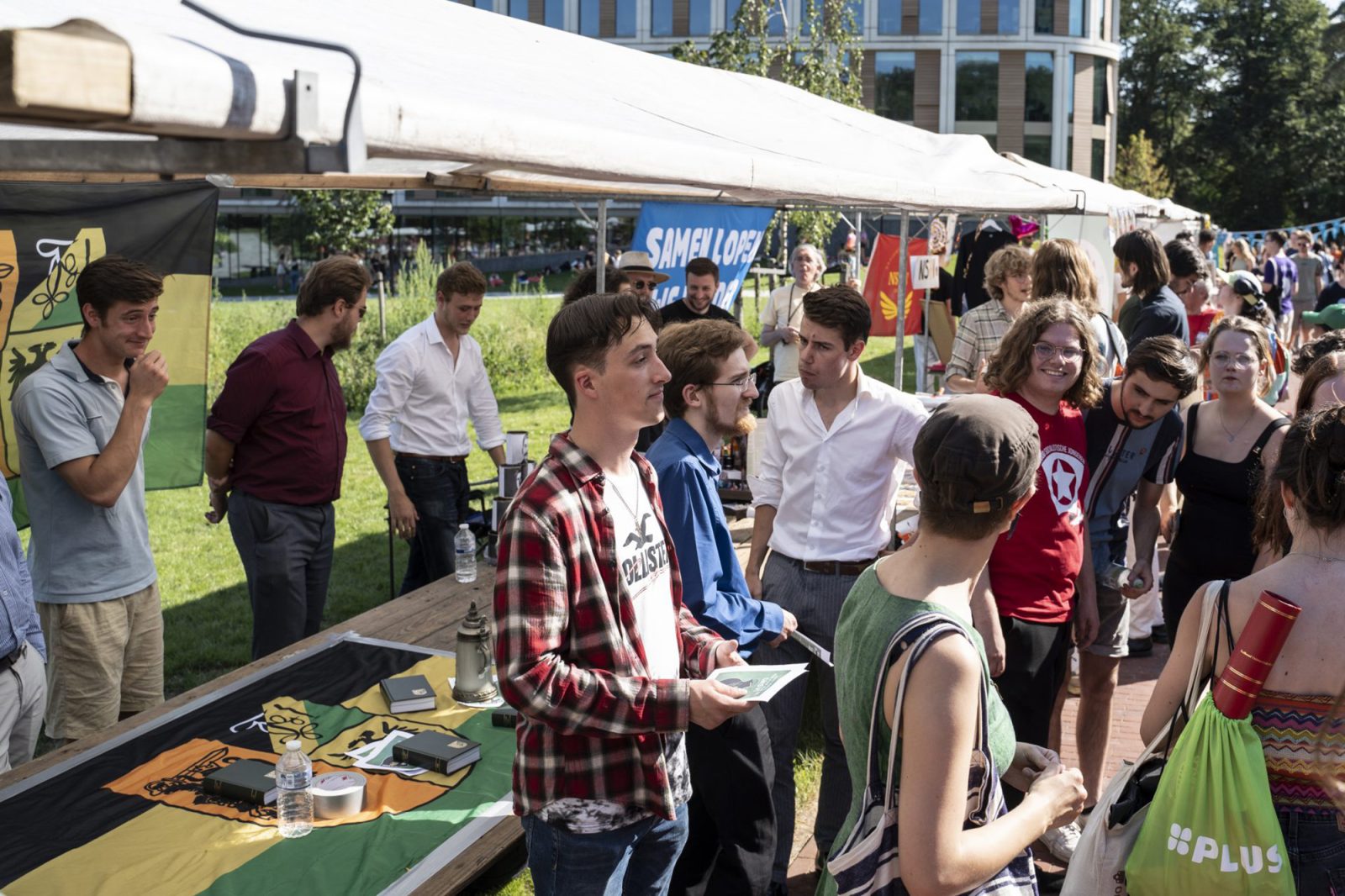
Students of GNSV hand out fliers at the Nijmegen first-year market.
Already back in 2018, the General Intelligence and Security Service (AIVD) noted a ‘slight resurgence’ of right-wing extremism. And last year, the National Coordinator for Security and Counterterrorism (NCTV) called attention to the ‘increasing online radicalisation among young people’.
Now the agencies have issued a joint warning: they have observed right-wing extremists trying to normalise themselves by presenting themselves as more moderate than they are. This is happening online, at demonstrations, through political parties, and on university campuses.
In a report published on Tuesday, the agencies name the Groot-Nederlandsche Studentenvereniging (GNSV). The GNSV’s presence at the universities of Leiden and Nijmegen has caused considerable controversy for years. Utrecht has also had a branch since last year. This year, the group was barred from Nijmegen’s introductory fair ‘for safety reasons’.
Disguised
The GNSV describes itself as a conservative association for right-wing students ‘with a sense of national identity’. With this message, the association ‘doesn’t present a publicly extremist profile’, the agencies observe. In reality, however, many members hold ‘deeply racist views’. For example, they advocate the ‘remigration’ of people with a non-Western migration background.
The agencies write that the GNSV ‘is aware of the importance of presenting its ideas as acceptably as possible in order to appear as moderate as possible’. This gives the association ‘room on university campuses to recruit members and organise activities’.
Hate and racism
‘White supremacy’ and ‘hatred of people with a migration background and of those who think differently’ are central to the ideology of right-wing extremists. In public, however, they tend to talk about ‘cultural differences’ or threats to ‘Dutch identity’. This makes them appear acceptable to a wider group.
The agencies also warn that not everyone who uses such terms is necessarily a right-wing extremist. In an open, democratic society, people are free to say a great deal, they explain. But that is precisely where the problem lies: right-wing extremists ‘abuse’ this freedom to achieve their broader goal, namely ‘to dismantle the democratic constitutional order and ultimately establish a white ethnostate’.
Justice minister David van Weel has called in a response for society to become more resilient. “It is important to recognise the strategy of right-wing extremists and curb their influence.” Since 2024, the government has had a ‘national strategy on extremism’.
Een lijst met artikelen
-
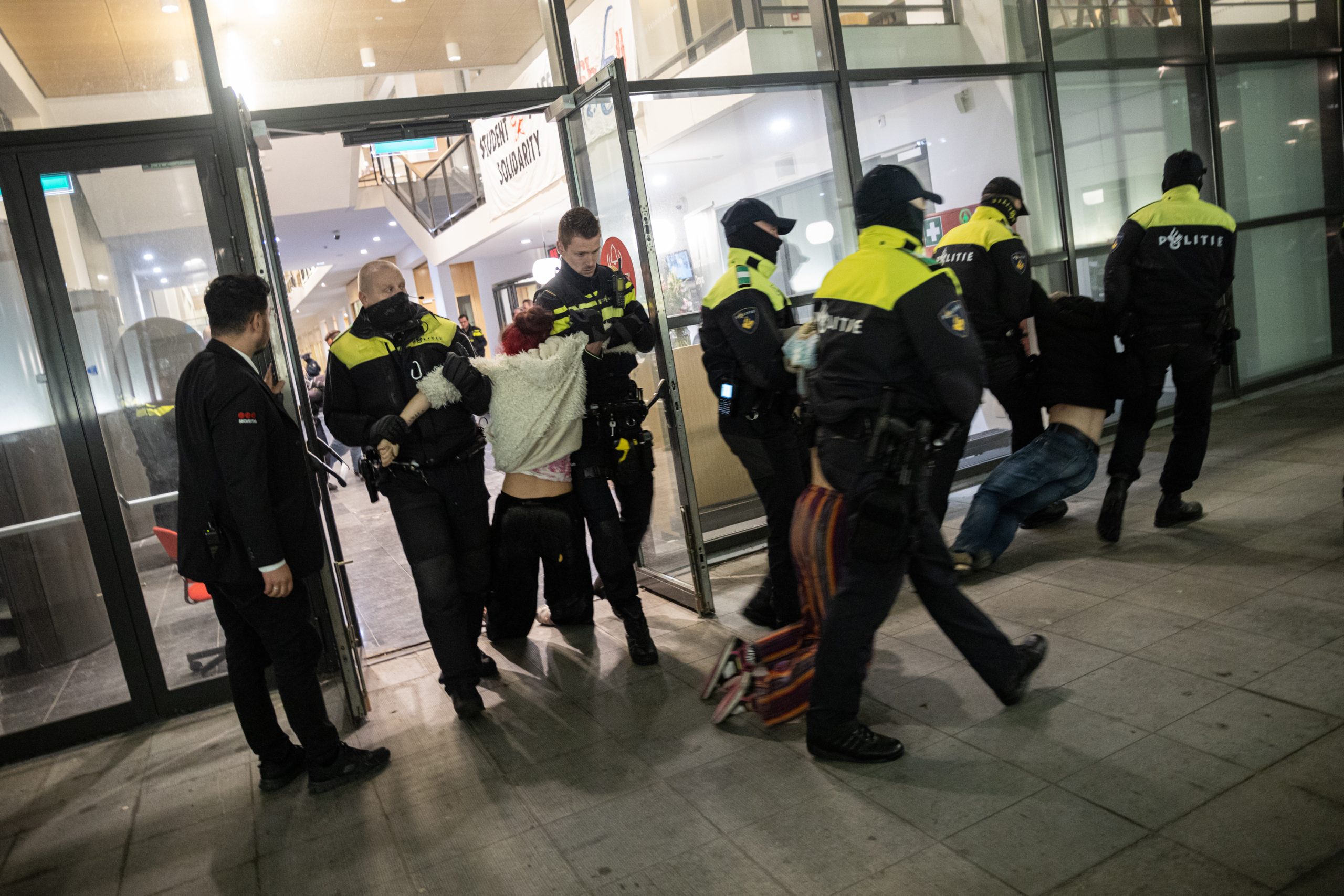
Students will still be allowed to occupy a building, but perhaps not while masked
Gepubliceerd op:-
Politics
-
Protest
-
De redactie
Comments
Ad
Read more in Politics
-
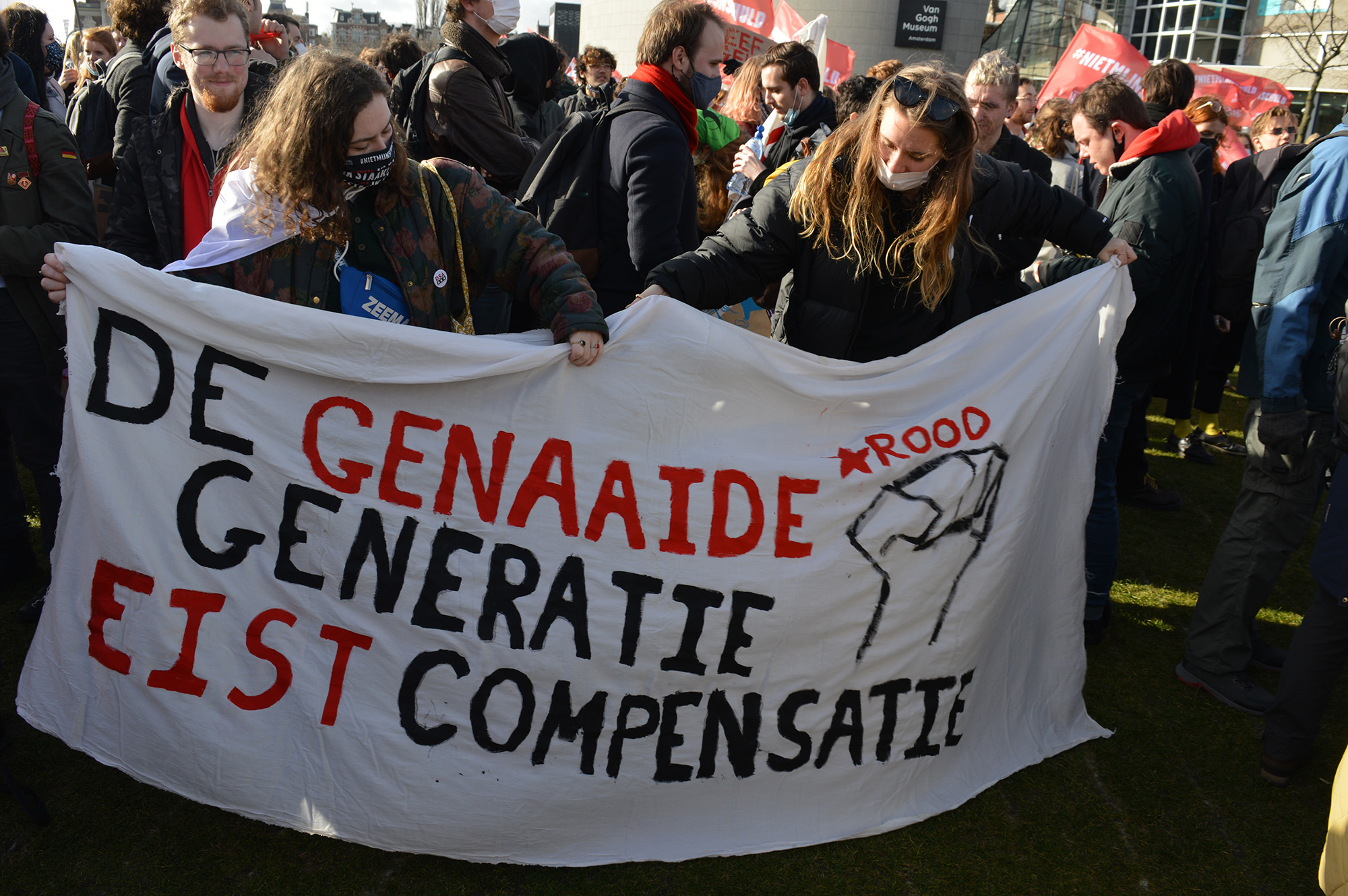
After a second compensation payment, that must be it for students who missed out
Gepubliceerd op:-
Money
-
Politics
-
-

Prime minister Jetten sees potential for AI to improve education
Gepubliceerd op:-
Artificial Intelligence
-
Politics
-
-

Universities want to work more with Defence
Gepubliceerd op:-
Governance
-
Politics
-

Leave a comment