Ad

Did your parents know what your sex life was like when you were eighteen?
Eureka! Every scientist contributes a small amount to the sea of knowledge that humanity already possesses. It always starts with wonder, followed by research, discovery and results. In this series, scientists talk about their eureka moments.

Who knows better how a young person with autism experiences sexuality: the young person themselves or their parents? Until recently, researchers only asked parents about this. Psychologist Linda Dekker turned that perspective around and asked young people themselves about their experiences. They differed less from their peers than anyone had thought.
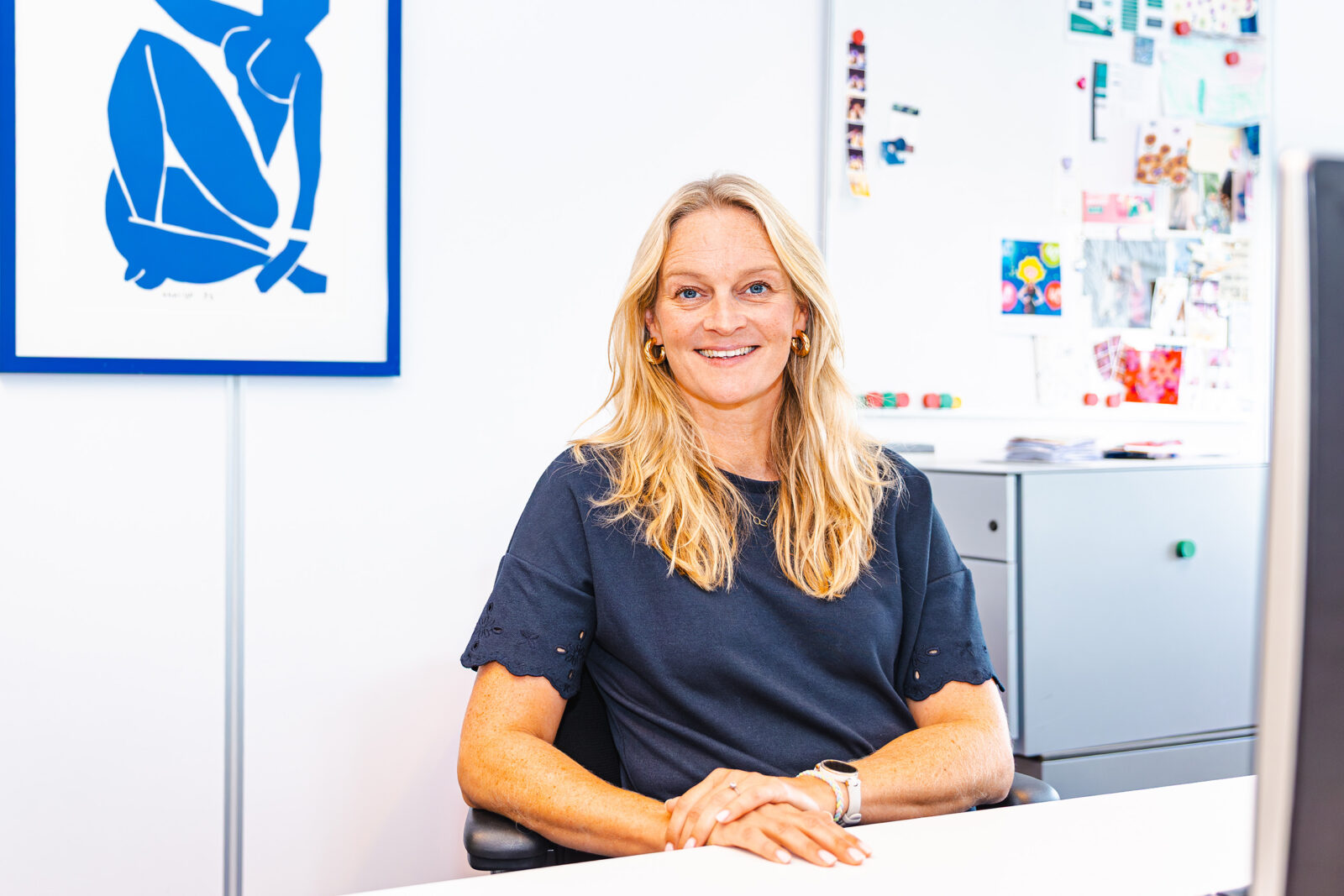
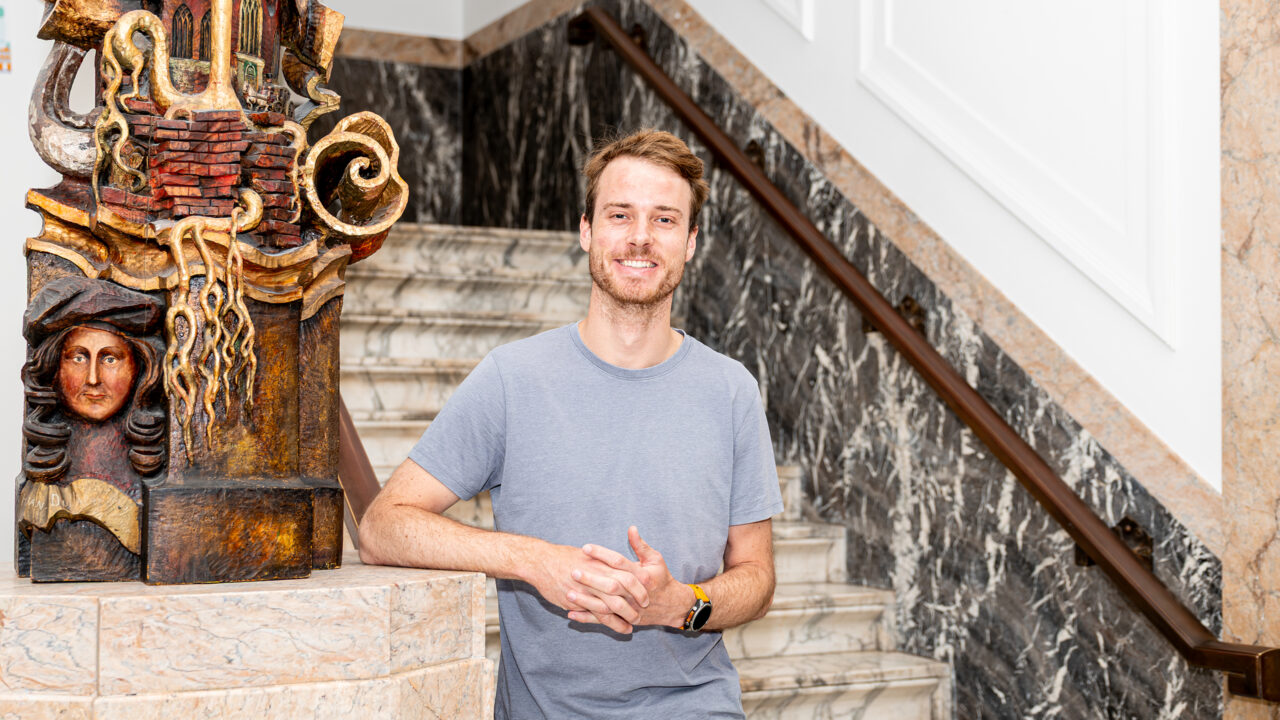
Image by: Pien Düthmann
The wonder
“Even if you do not have sex, sex plays a role in your life. It is about relationships, intimacy and setting boundaries. Every aspect of life is tied up in it. And yet many people find it very difficult. Parents find it hard to discuss, while studies show that teenagers do benefit from talking about it. That is why I particularly enjoy researching taboo subjects. There is still little known about them, and there is much to be gained by dispelling fears and concerns.
“After my master’s thesis in psychology at Sophia Children’s Hospital, I gradually became involved in the world of autism. People with autism are often less concerned with social conventions or with what constitutes a ‘proper’ answer. That leads to very candid conversations.”
Linda Dekker is an assistant professor of Clinical Child and Adolescent Psychology at the Erasmus School of Social and Behavioural Sciences. She researches psychosexual behaviour among young people, focusing on vulnerable groups and topics such as autism and sexually inappropriate behaviour at school and in sport. This year, she received a Veni grant for follow-up research into how young people, including those from vulnerable groups, experience digital sexuality and how sex education can better address this.
The eureka moment
“When I started my research, about ten papers had been written on sexuality and autism. So there was very little research, and it focused mainly on risks and problems. You see that more often in research on vulnerable groups, and it is also somewhat inherent to sexology. Nobody had yet investigated whether young people with autism approach sex differently or have different experiences. Those studies had also questioned the parents, not the young people themselves. Did your parents know exactly what your sexual experiences were like when you were eighteen? I doubt it.
“I realised that we need to approach this differently if we want to respond adequately to this group’s needs. We need to speak to young people themselves. And not only about what goes wrong, but also about how they experience sex and relationships and navigate the risks.”
The research
“I developed the Teen Transition Inventory: a comprehensive questionnaire about sexual development and the transition from childhood to adulthood. It covers not only falling in love, relationships and sex, but also physical development, friendships, self-image, online behaviour, leisure activities and expectations for the future.
“For the study, I questioned two groups of young people. One group consisted of young people who had previously been seen at Sophia Children’s Hospital because of concerns about social communication, some of whom were diagnosed with autism. The other group was a comparable group without autism.
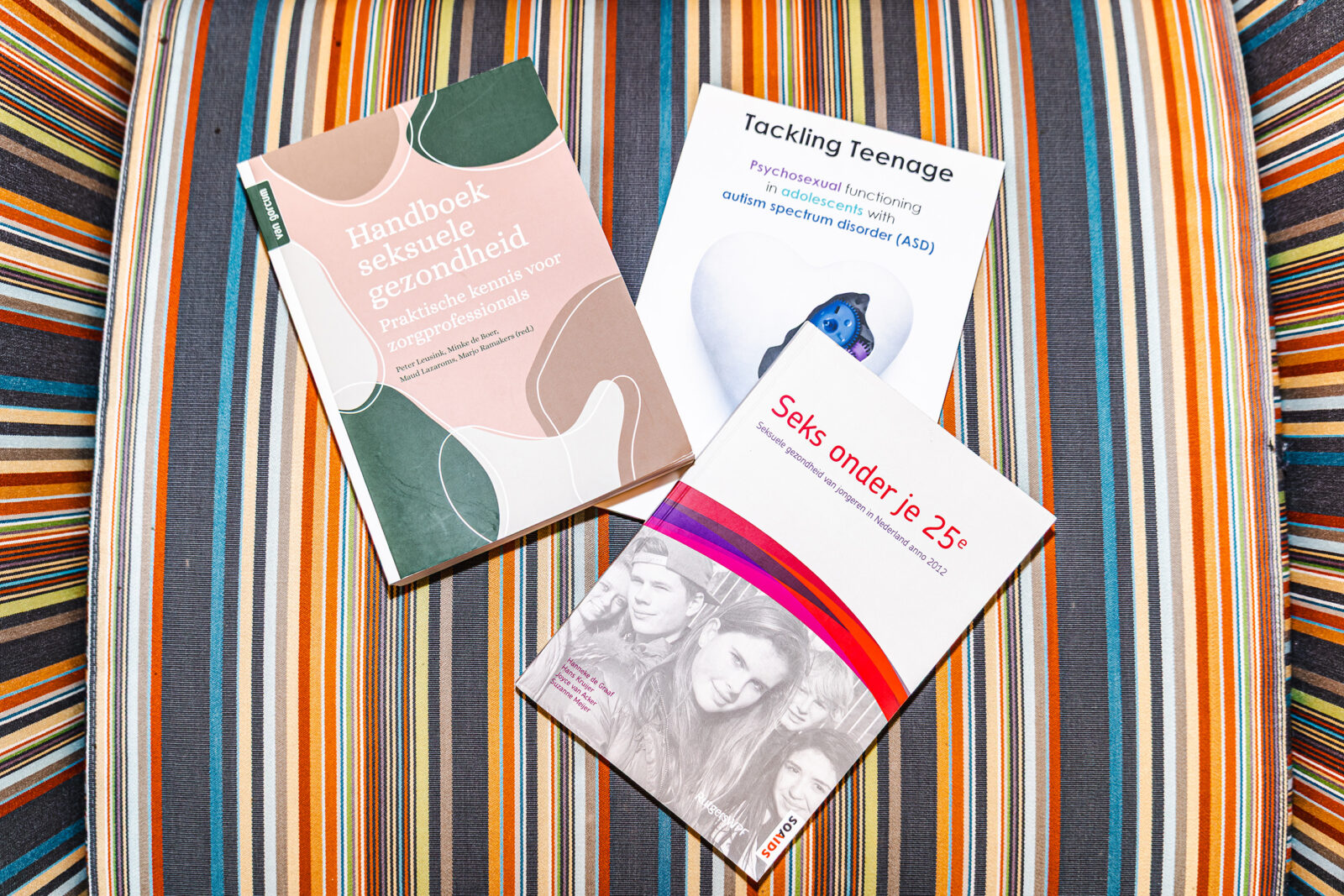
Image by: Pien Düthmann
“I found differences: young people with autism more often felt less accepted by their peers, had less confidence in forming relationships and, on average, had fewer relationship experiences. There were also notable similarities. For example, the age at which young people first had sex and their sexual experiences as teenagers differed little between the two groups. Another important finding was that it matters who you ask the questions. Parents more often reported risky or problematic sexual behaviour, while the young people themselves differed hardly at all in this respect from peers without autism. This showed how important it is to give young people themselves a voice in research.”
The aftermath
“I still receive requests to share the questionnaire from my doctoral research. It is therefore still being used, including abroad. A version for adults has now also been developed. It is of course wonderful to see that my research continues to help researchers and practitioners.
“I also want my research to inform practitioners. It shows that sex education for young people with autism needs to be much more explicit, using less figurative language. Having ‘butterflies in your stomach’ is alarming to someone who interprets everything literally. In addition, we often mainly tell young people what they should not do, whereas it is much more important to explain how they can assess situations and what choices they have in them. In treatment, for which I have conducted a successful pilot, social situations are therefore made very concrete: how do you recognise mutual interest, what does consent mean, or how do you deal safely with sexting? Good sex education responds to what someone needs, at the moment that knowledge becomes relevant.”
Read more
-

How a thousand women recognised a pattern that science did not see
Gepubliceerd op:-
Eureka!
-
De redactie
-
 Manon Dillen
Editor
Comments
Ad
Read more in Eureka!
-
How a thousand women recognised a pattern that science did not see
Gepubliceerd op:-
Eureka!
-
-
How seals adapt their language to one another, and what that tells us about humans
Gepubliceerd op:-
Eureka!
-
-
How Unilever survived the Second World War
Gepubliceerd op:-
Eureka!
-
Leave a comment