Ad

Liminal times
Sometimes a word sticks with you, provoking irritation and curiosity at the same time. That was the case for editor-in-chief Wieneke Gunneweg with the term liminal times. Is it newspeak or can words also lead to action?
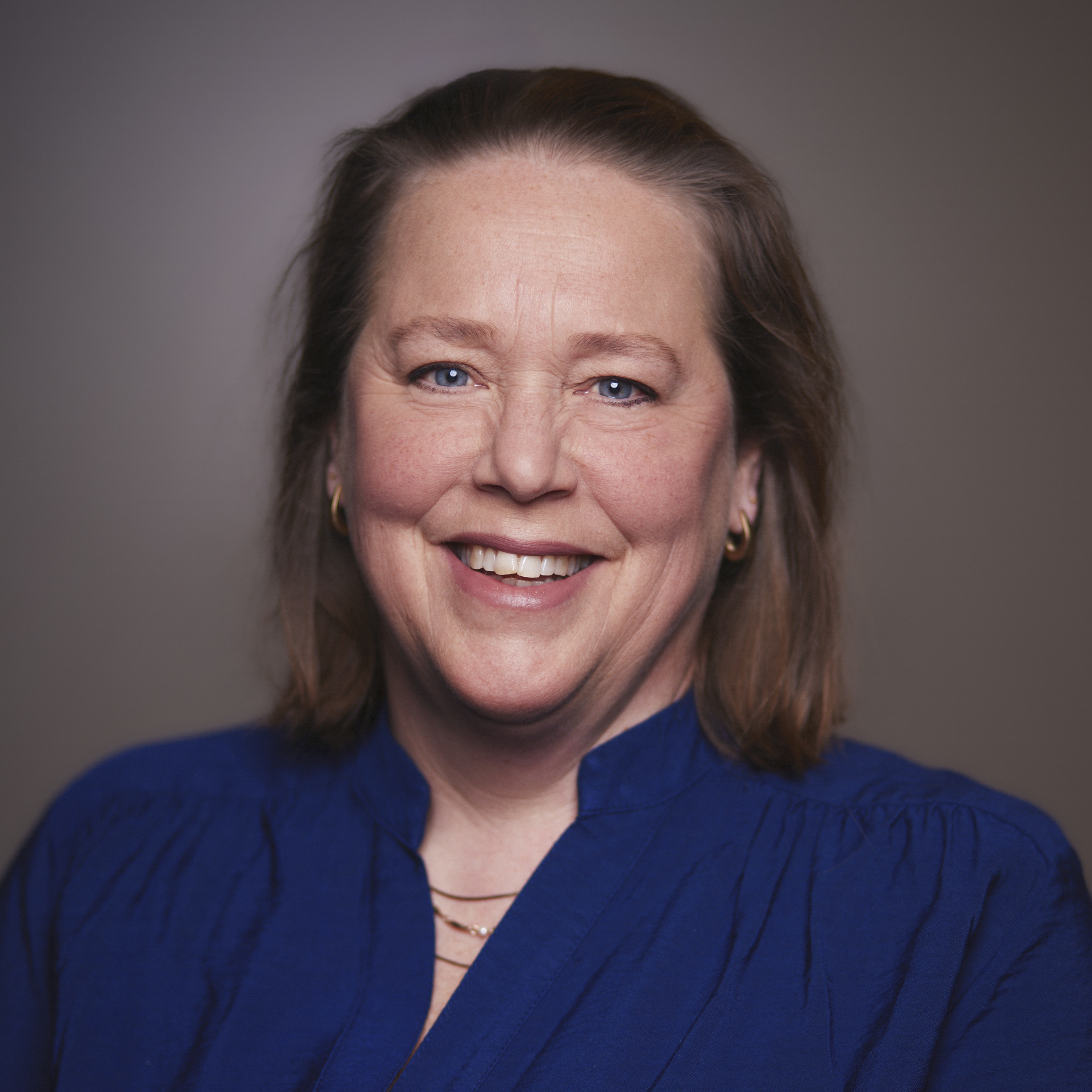
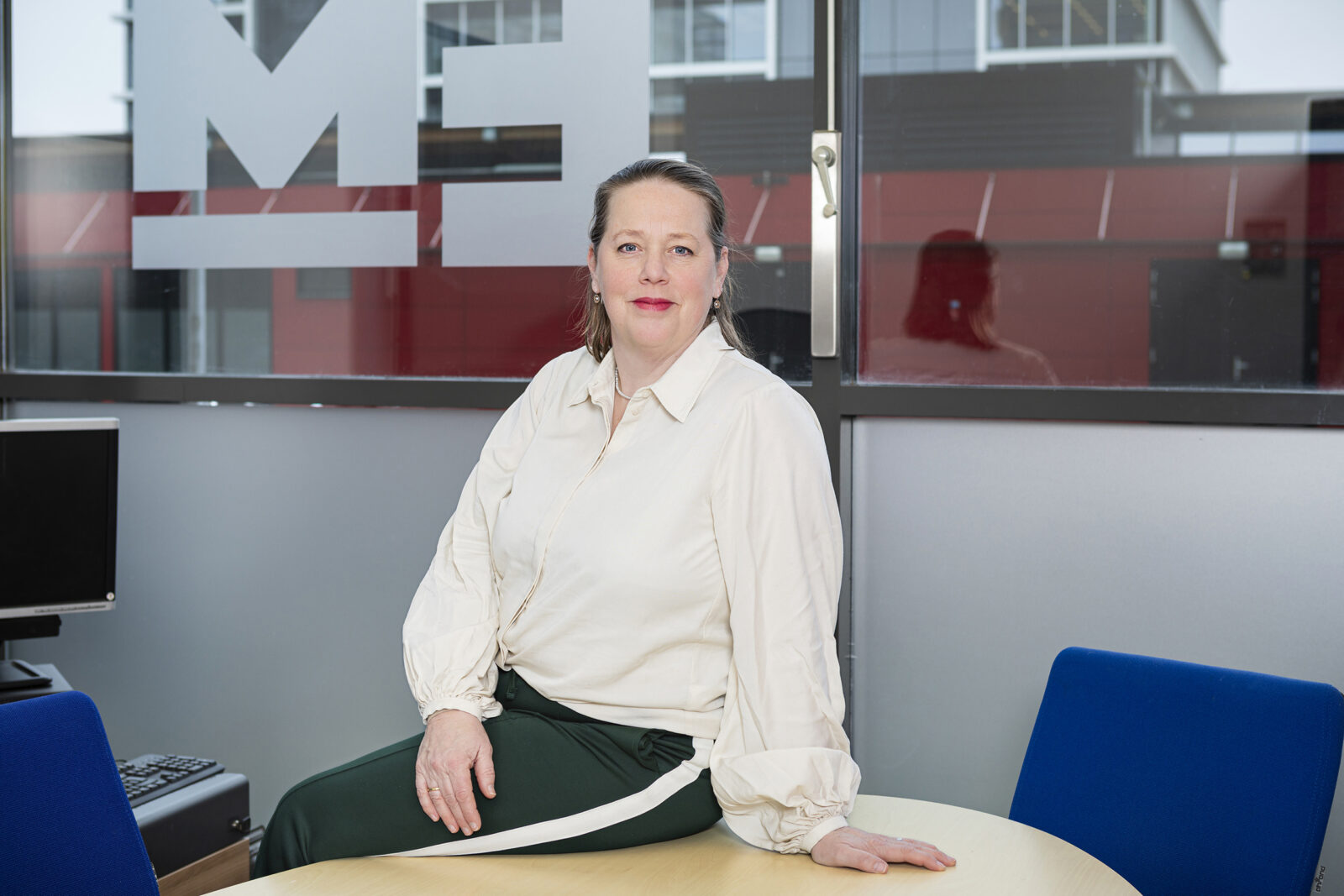
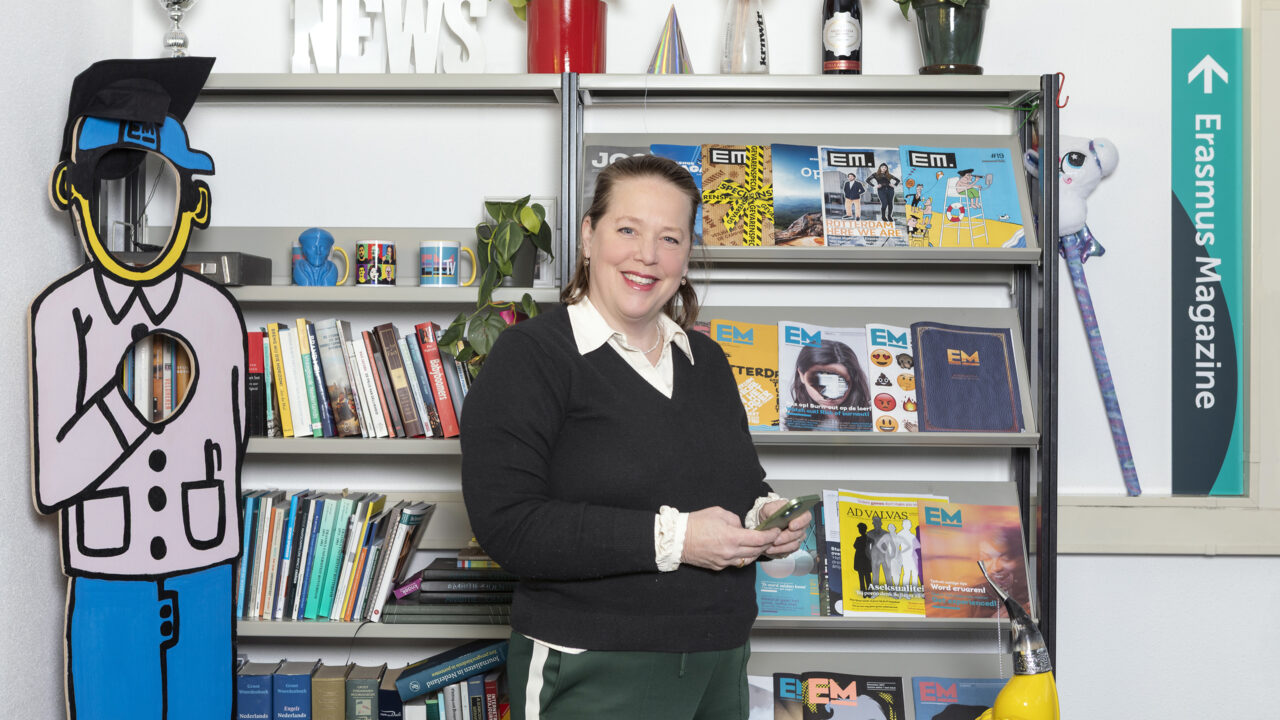
Image by: Geisje van der Linden
There it was again, the term liminal times at the Opening of the Academic Year. These are liminal times: because we are on the threshold between what has been and what is yet to come, but we do not know what that will look like.
Chair of the Executive Board Annelien Bredenoord used the term in her speech at this year’s Opening of the Academic Year, but also last year. Apparently we need to be thoroughly made aware that nothing stays as it is.
Are there also non-liminal times?
My simple first thought when I hear the term liminal times is: throughout history no one ever knew what was still to come, did they? How can you tell whether you are standing on a threshold, let alone exactly where on that threshold – you only know that in hindsight, don’t you? And have there ever been non-liminal times when people thought: well, things have been pottering along nicely for a century and will probably stay that way for another century? Isn’t change part of every era?
At the same time I understand why the term has been cropping up more and more in recent years in books and training courses for executives. A great deal has changed over the past decades in the balance of power on the world stage, in technology with the rise of AI, and with the consequences of climate change. These are certainly chaotic times, but how, as someone living now, can you tell whether that is any different for us than for someone fifty or a hundred years ago?
That made me think of the remark by philosopher Søren Kierkegaard (1813-1855): ‘Life can only be understood backwards, but it must be lived forwards.’
A statement that can make you discouraged if you keep thinking in retrospect that you could or should have done better. But you can also read it as a call to action.
Learning to think and learning to act
In that quotation I hear an echo of the Rotterdam slogan: ‘No words, but deeds’. If we have to live forwards anyway, then let’s roll up our sleeves. You cannot always know and understand everything in advance, so let’s act on the basis of what we do know.
A fine example of this willingness to act is the teaching of lecturer Ginie Servant-Miklos. She is director and founder of the Bildung Climate School, in which she brings together students from vocational education, universities of applied sciences and the university. In an interdisciplinary programme she not only imparts knowledge to young people, but above all teaches them to take action. For this she rightly received the annual Education Award during the Opening of the Academic Year.
In this small-scale but revolutionary programme, Servant-Miklos breaks with several academic conventions. One of the most interesting, to me, is bringing together young people from different educational levels in a single classroom. This is necessary now that AI is much better and faster at thinking and analysing than a human being; university students have to ask themselves whether, alongside learning to think, they should not also learn to act.
Hopefully, therefore, the Education Award is not only a tribute to Ginie Servant-Miklos and her team, but that her way of working will soon be widely followed. For if nothing stays as it is, we need to roll up our sleeves.
Een lijst met artikelen
-
How EM ended up at an awards festival thanks to talent and teamwork
Gepubliceerd op:-
Editorial
-
De redactie
-
 Wieneke Gunneweg
Editor-in-chief
Comments
Ad
Read more in Editorial
-
How EM ended up at an awards festival thanks to talent and teamwork
Gepubliceerd op:-
Editorial
-
-
Clashing freedoms keep journalists and academics sharp
Gepubliceerd op:-
Editorial
-
-
A picture is (sometimes) worth a thousand words
Gepubliceerd op:-
Editorial
-
Leave a comment