Ad

Many empty seats in participation bodies
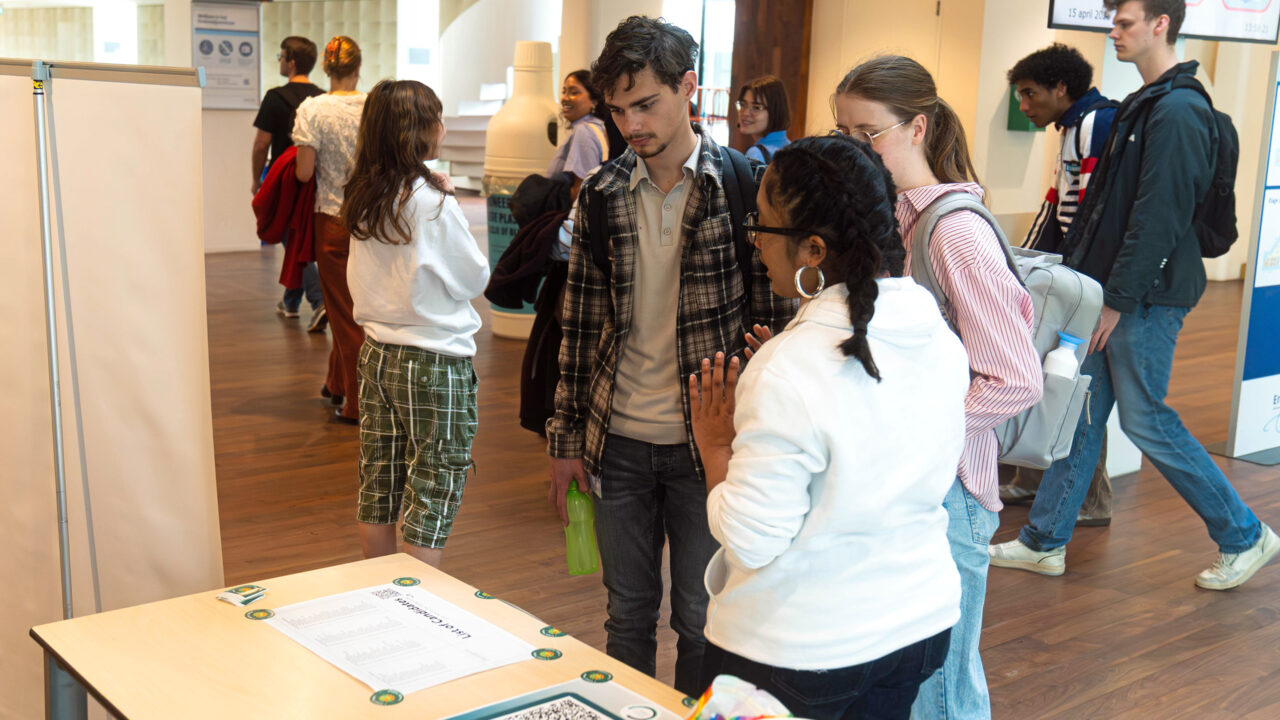
Too few candidates, low turnout at elections, limited influence… participation in universities and universities of applied sciences bodies is still in a difficult state, according to a new survey among 1,450 members of councils and committees.

Image by: Sonja Schravesande
Allowances for student members of participation bodies have increased, after agreements on this were made two years ago between student organisations and education institutions. By now, almost three-quarters of students are satisfied with the allowance. In 2024, this was barely half.
Yet interest in participation bodies remains low, leading to empty seats. In more than a third of decentralised councils, it is not possible to fill all student seats, according to the new Participation Monitor. The monitor is carried out every two years on behalf of the Interstedelijk Studenten Overleg (ISO) by research agency Oberon.
The monitor doesn’t detail any results per institution, so it’s impossible to say anything about Erasmus University in particular. The Rotterdam university seems to be bucking the trend at least in one respect: voter turnout at the University Council elections is increasing every year.
Discussing policy
For the monitor, more than 1,450 staff members and students from programme committees, faculty councils and central participation councils completed a questionnaire.
Through participation bodies, students and staff can have a say in the policy of their university or university of applied sciences, for example on the allocation of funding, compulsory final-year advice or the quality of education. Budget cuts were also discussed.
But not everyone feels that the council or programme committee has enough influence. Two years ago, 29 per cent of participation members in universities were satisfied; now this is only 23 per cent. In universities of applied sciences, the figure remains 31 per cent.
Elections
In addition, turnout at elections remains low. In more than half of programme committees, there are not even elections. When elections do take place, an overwhelming majority of students do not vote: on average, 28 per cent of university students cast a vote and 14 per cent of students at universities of applied sciences. Among staff, this is about 45 per cent.
Concerns about low turnout in elections also exist in politics. Three years ago, D66 proposed holding all participation elections in a single week, a kind of national election week. The then minister Dijkgraaf was positive about this, as was the National Student Union. However, participation bodies themselves were sceptical. The plan was ultimately not implemented.
Language barriers
This year, research was also conducted into language barriers in participation bodies. This appears to be a particular problem in universities of applied sciences: only 31 per cent of committees are accessible to non-Dutch-speaking members. In universities, this is 66 per cent. If you do an internship during your studies, it is particularly difficult to combine this with a role in participation bodies, especially in universities.
Participation bodies should be accessible to everyone, the ISO believes, regardless of their financial situation or nationality. “Participation bodies are a crucial body within educational institutions to represent the student voice”, says ISO board member Sam de Jong. The results of the Participation Monitor will be handed over today to Minister of Education Rianne Letschert.
Elections have started again
The election figures refer to turnout last year. Elections have now started again at various universities and universities of applied sciences. In an effort to attract more students to the polls, the University Student Council of Radboud University Nijmegen has launched a voting guide, university magazine VOX reports. Students can use statements to see which party suits them best.
At the faculty councils of the Amsterdam University of Applied Sciences, there were so few applications this year that some candidates were automatically appointed, writes university magazine HvanA. In the previous elections, only two per cent of students cast a vote.
At Utrecht University, six parties are competing for seats in the University Council this year, university magazine DUB reports, one more than last year. This is due to a split within the Free-Spirited Student Party, after its founder became embroiled in controversy for knocking a student to the ground following a confrontation over singing a Nazi song. Nevertheless, the VSP is once again on the list with four candidates.
Read more
-
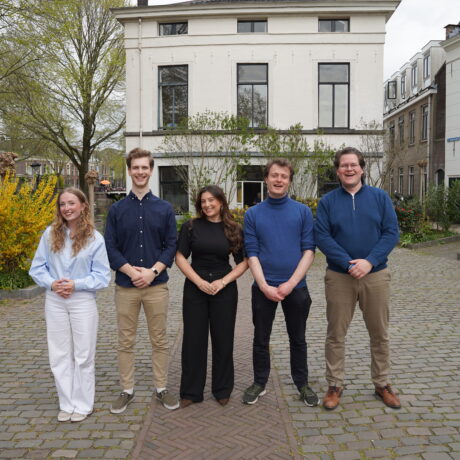
New ISO board fights for a social, safe and inspiring learning environment
Gepubliceerd op:-
Student life
-
De redactie
-
 Elmer Smaling
Deputy editor-in-chief
Comments
Comments are closed.
Ad
Read more in Participation
-
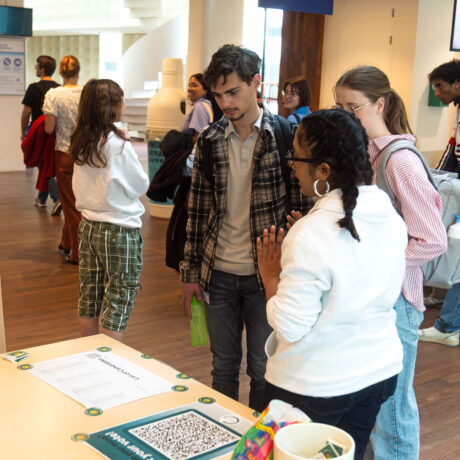
Voting for the University Council at Erasmus MC: ‘I hope the new council can do something about study-related stress’
Gepubliceerd op:-
Participation
-
University Council
-
-

Rotterdam has a student council for vocational education, applied sciences and university students
Gepubliceerd op:-
Participation
-
-
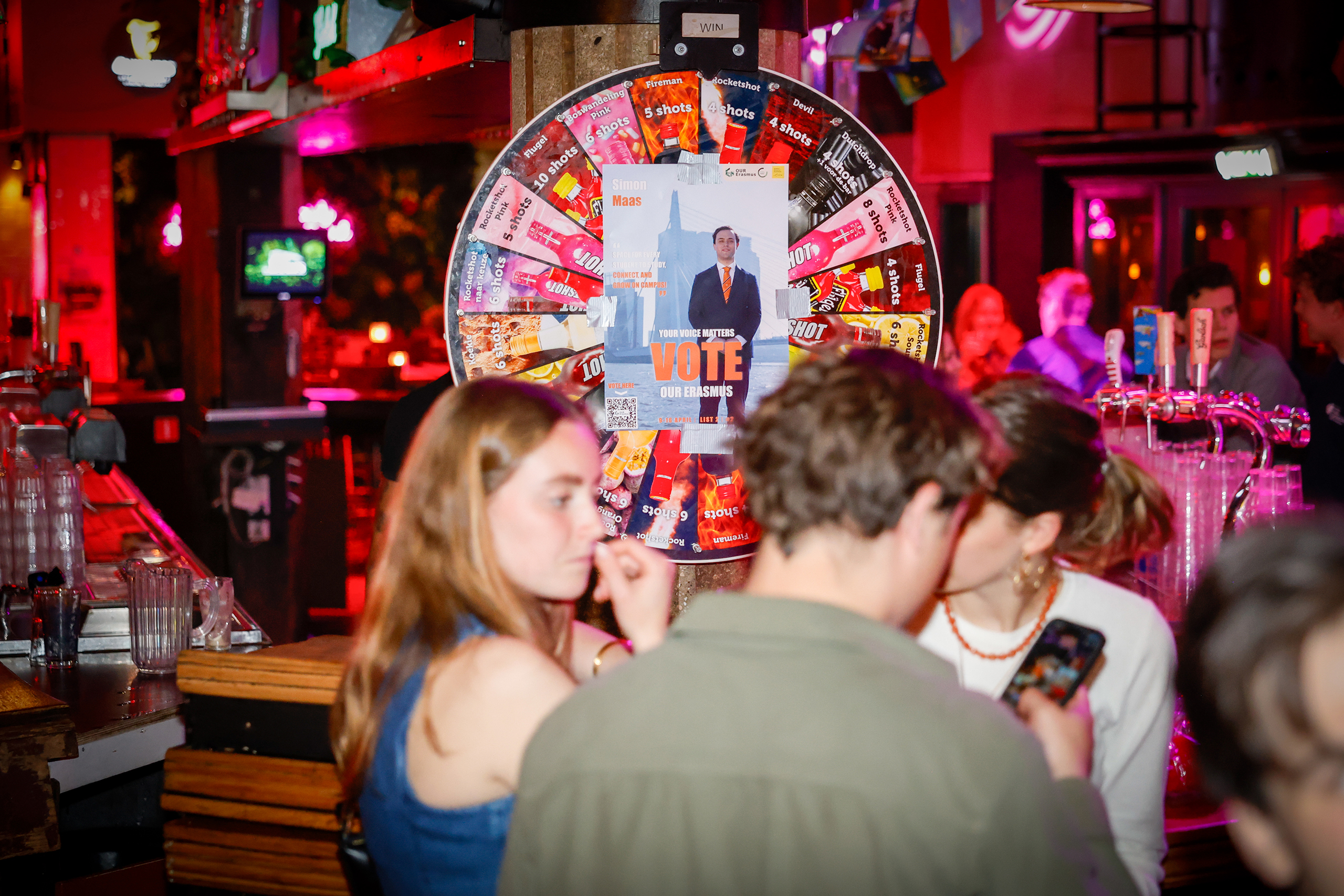
‘No exams on Saturdays!’: Students vote and party at Cafe de Beurs
Gepubliceerd op:-
Participation
-