Trade unions expect change of course after reversal of cuts


Trade union representatives and education administrators are cautiously optimistic about the promise by D66, CDA and VVD to reverse the cuts to education. They do, however, expect a change of course now that the ‘perfect storm’ has eased somewhat.
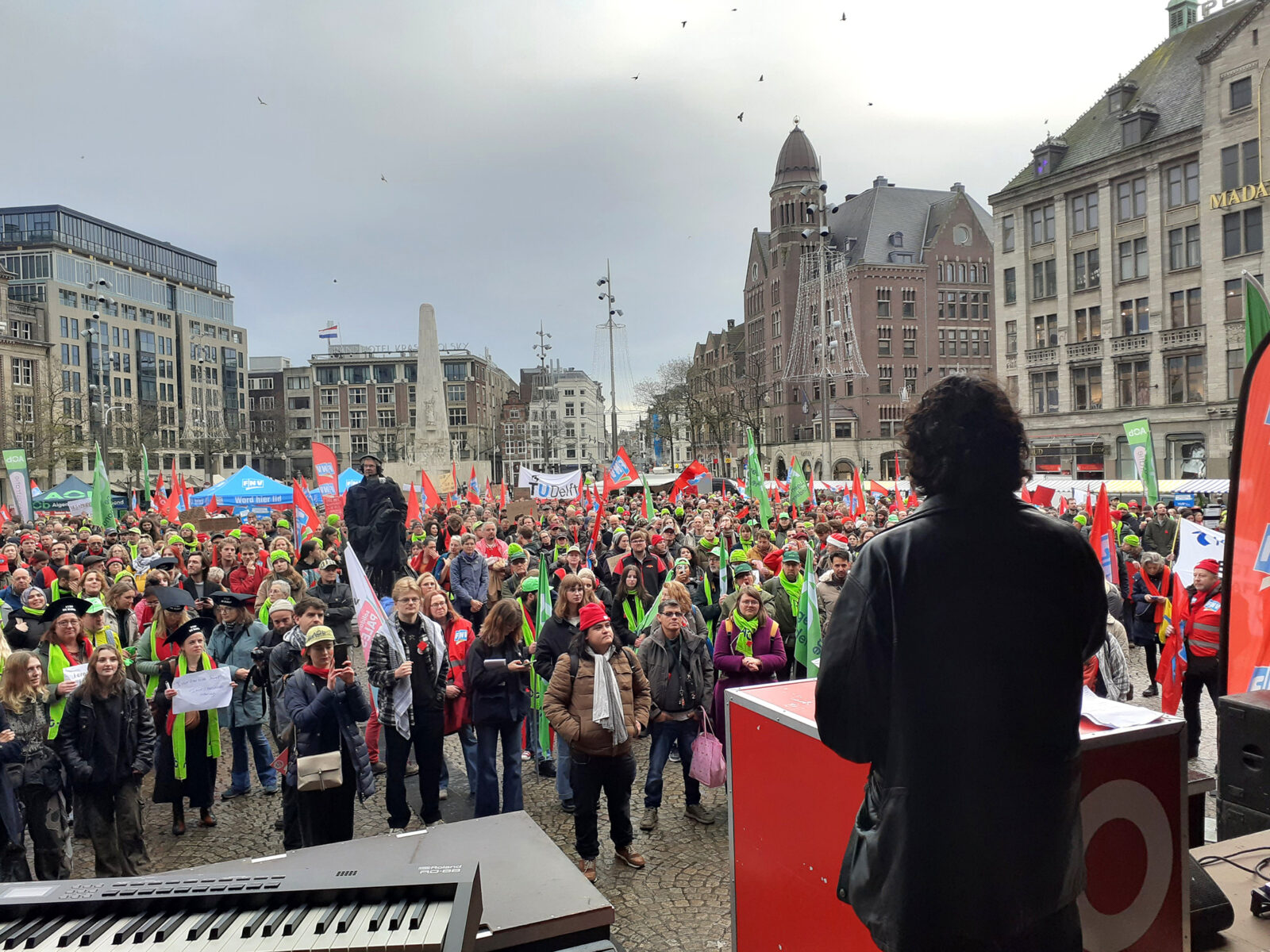
Image by: HOP
Gijs Kooistra of FNV is pleased that the English-taught bachelor’s in Psychology appears to have been saved for now. “We are, however, curious about the precise consequences for Erasmus University. Will it soon be possible to advertise vacancies again and will large-scale reorganisations now be off the table? At the moment, staff are often not being replaced and the impact of that is being felt.” According to Kooistra, the workload is increasing and it is important that ‘there is clarity about this quickly’.
CNV: concerns about source of funding
CNV representative Fadua Toufik wonders whether there’s a majority in the House of Representatives to maintain the cuts, as this is a minority cabinet (during the debate on the coalition agreement, the opposition appeared to have few objections to reversing the education cuts, ed.). Toufik is concerned about where the money will come from. “On the other hand, we see that the labour market, and therefore also education staff, are being hit by the shortening of unemployment benefit and the increase in the pension age.”
AOb: different vision from Executive Board
On behalf of education union AOb, Ana Uribe Sandoval says she is pleased with the news, but hopes that the university board will also dare to take a new direction. “Over the past year, the Executive Board has regularly spoken about the ‘perfect storm’, mainly due to the cuts, a different attitude in society towards universities and an expected decline in student numbers due to demographic developments. Now that the storm has eased somewhat, we also expect a different vision, with more room for academic freedom and growth. More job security, less workload. We also hope that ‘difficult choices’ can now be taken off the table, such as the disappearance of English-taught programmes or small-scale education”.
FNV: Political subtext for attack on arts and social sciences
Kooistra is also concerned about phrases in the agreement, such as ‘better alignment of education with the labour market’, he writes. “This is political subtext for an attack on arts and social science programmes, which have less economic value for business. But the social value of these programmes is great. So we will have to keep a very close eye on this in the coming years.” FNV is also concerned about cooperation with the newly to be established defence authority.
De Geneeskundestudent: pleased with compulsory internship allowance
Chair Berk Uzunalioglu of De Geneeskundestudent responded to the coalition agreement on the interest group’s website. He calls it a ‘clear choice for education and students’, with more investment, an increase in the grant for students living away from home and the introduction of an interest cap on student debt. For medical students, it is positive that a legally compulsory internship allowance will be introduced, Uzunalioglu believes. “It is important that this internship allowance also applies to medical students, especially medical interns. Too often, medical interns are left out of such measures, even though they are first and foremost students – just like everyone else”.
De Geneeskundestudent also has concerns. The cut of 110 million euros to postgraduate medical training could lead to fewer specialists, the interest group fears.
Executive Board: much remains unclear
On intranet MyEUR, the university board is holding back, because much is still unclear and the coalition must seek support from other parties. “This means that every measure on this theme depends on additional support in the House of Representatives and the Senate, and that nothing is certain in advance. The precise allocation of the education investments is also not yet fully clear at this time.”
UNL: good news
The universities had already responded positively to the coalition agreement. Chair Caspar van den Berg of umbrella organisation UNL: “It is very good news that the coalition parties fully endorse that investing in education, research and innovation is crucial for the future of the Netherlands”.
The universities are also pleased with the new course on internationalisation and the anglicisation of higher education. The coalition does not want to make an issue of English-taught education. “This means that the foreign-language bachelor’s programmes in psychology, and in economics and business administration do not have to be converted to Dutch.”
National Student Union: black book
On Tuesday, the National Student Union presented a black book to the House of Representatives. In it, the union collected examples of the damage already caused by the cuts: smaller programmes, little space to study, the abolition of honours programmes and increased workload.
Read more
-
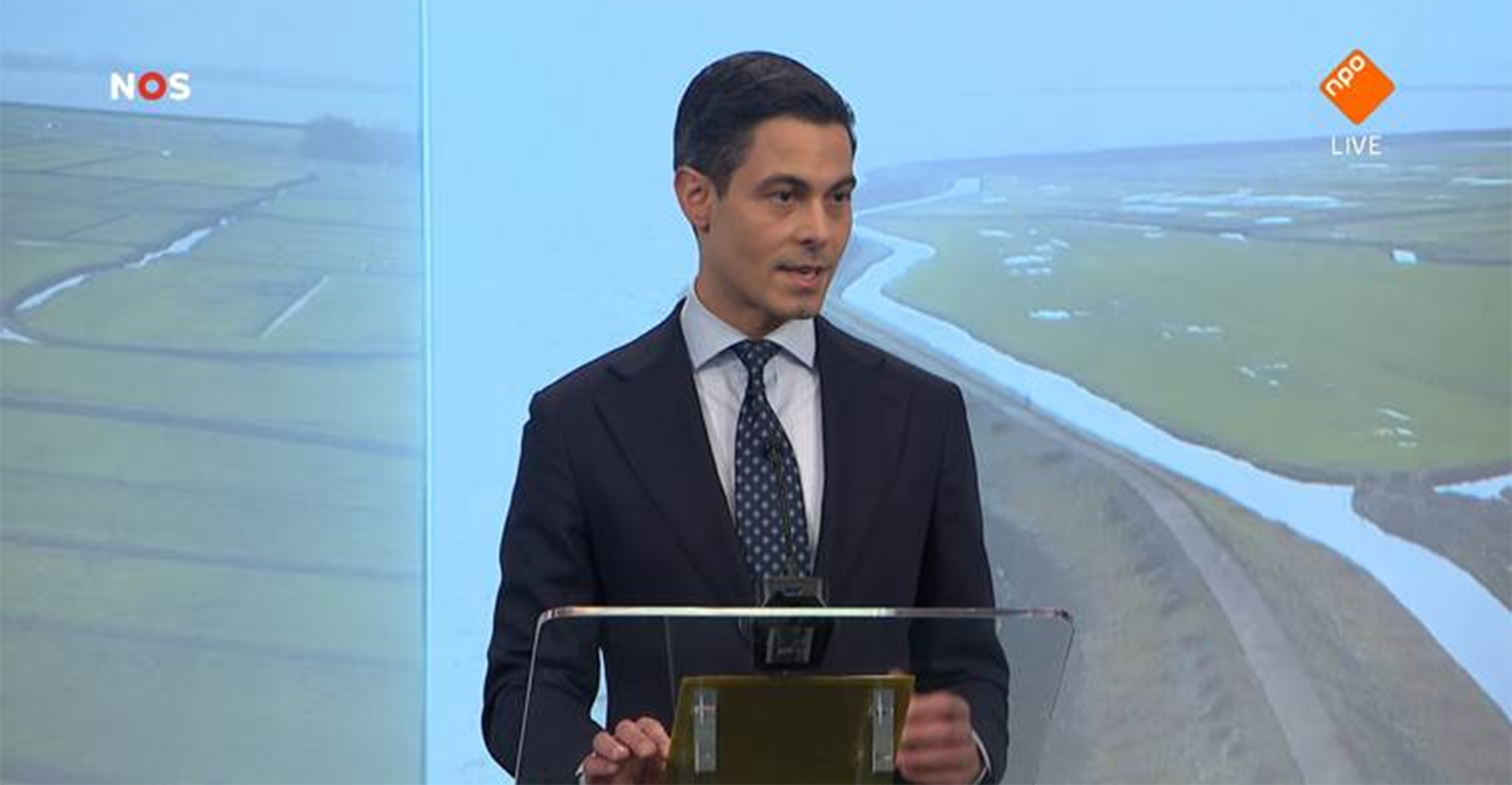
Coalition agreement: Education cuts scrapped, hardly any extra money beyond that
Gepubliceerd op:-
Politics
-
De redactie
-
 Elmer Smaling
Deputy editor-in-chief
-
 Tessa Hofland
Editor
Comments
Comments are closed.
Read more in Politics
-
House of Representatives agrees to education cuts for 2026
Gepubliceerd op:-
Politics
-
-
Student parties hold steady; GroenLinks-PvdA largest in student cities
Gepubliceerd op:-
Politics
-
-

Celebration and disappointment for students on the ballot in Rotterdam
Gepubliceerd op:-
Politics
-