Ad

Analysis: education and research not really a priority for new cabinet
In politics you have to make compromises, everyone understands that. But if D66 is going to lead the cabinet, you would still expect more money for education and research.

Image by: Femke Legué
When the Schoof cabinet fell in 2025, the democrats launched an optimistic election campaign: it can be done, was the slogan. Extra money for education and research was part of that. D66 likes to call itself the education party.
From primary school to university, across the board there should be a larger budget. D66 wanted to allocate an extra 5.1 billion euros, according to the calculations by the Netherlands Bureau for Economic Policy Analysis released just before the elections. That is the highest amount of all the parties taking part.
Winner
Less than three weeks later, D66 emerges as the winner. Education can pop the champagne corks, you would think. The cuts made by the previous cabinet will be reversed, now that D66 leader Rob Jetten is set to become prime minister. The main question is: how much money will be added on top?
NS chief executive and D66 figurehead Wouter Koolmees gets to work as scout. On 11 November he advises that D66 and CDA should continue talks. They need to reach agreement on issues such as housing, migration and defence.
So did that mean education and research didn’t need to be discussed? Koolmees mentioned his party’s flagship issue at most indirectly. D66 and CDA should jointly think about ‘creating room for economic growth and improving the investment and business climate’, he said.
Invest heavily
Under the guidance of CDA figurehead Sybrand Buma, the two parties wrote a joint agenda. They wanted to ‘invest heavily’ in knowledge, innovation and research, it read. But what did heavily mean?
They then still had to negotiate with the party VVD, which actually wanted to cut even deeper into education and research. Deeper than the Schoof cabinet already did: another 1.5 billion euros, according to the CPB calculations of the liberal election programme.
You might have thought: so what? VVD members also understood that compromises had to be made. Moreover, the business community (the VVD’s natural constituency) consistently said that more money should go to education and research.
Actually meagre
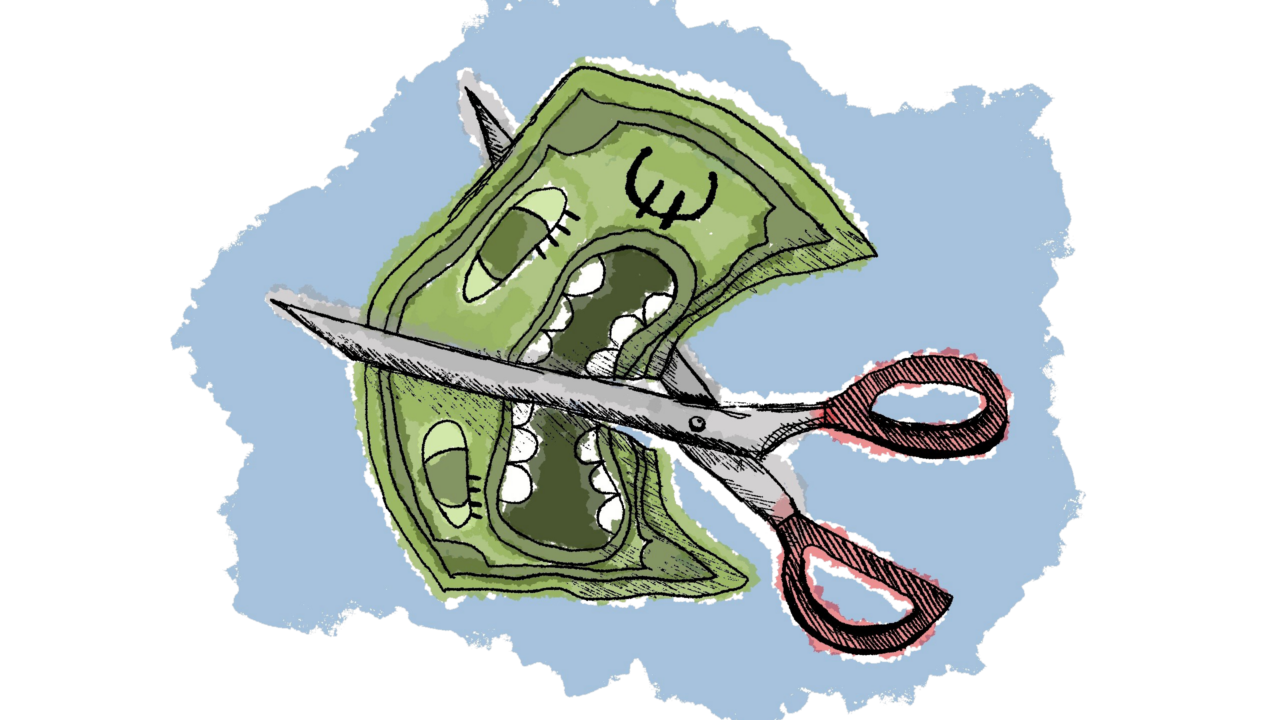
And yet it has not really worked out. The cuts are being reversed, but that is where it ends. It is quite meagre, for a cabinet with a D66 prime minister.
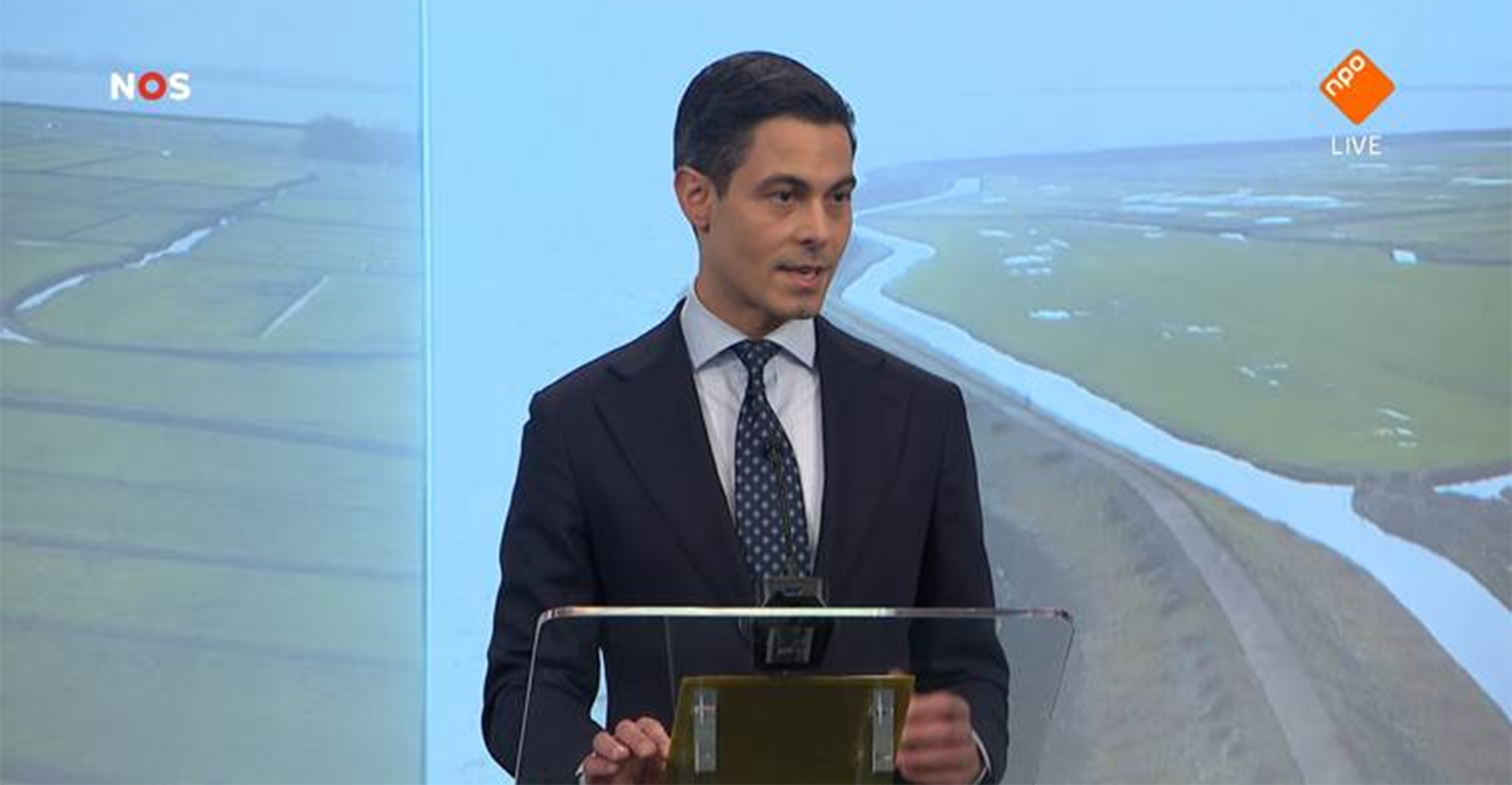
Jetten apparently sees the glass as half full. “I am personally proud that we are fully reversing the cuts to education”, he said on Friday afternoon at the presentation of the coalition agreement.
Still, you can draw only one conclusion when you read the plans of the new coalition. Education has been given little priority. It has been pushed aside. The money mainly goes to defence, housing and nitrogen.
Defence
In defence, you could say: the cuts are falling elsewhere. Especially in healthcare and social security. Given the housing crisis and geopolitical unrest, that may have been the maximum achievable.
In addition, D66 can point to the defence budget: a substantial part of it is supposed to go to innovation, from which universities and universities of applied sciences can benefit. There is plenty of money for research into drones, missiles and military applications of AI.
You could even say: this is just an opening bid from the minority coalition. Opposition parties GroenLinks-PvdA and JA21 wanted to allocate more money to education and research than is now happening. Perhaps there is still some room for negotiation.
Relief
For now, D66 enjoys the sympathy of many in education. There is great relief that the dismantling policy of the Schoof cabinet is being undone – at least financially speaking. Action groups, interest organisations, employers… in their initial responses they sound satisfied.
But for how long? Soon that 1.5 billion euros will have to be distributed: in higher education alone, money will in any case have to go to the basic grant, students’ mental wellbeing, international talent and practice-oriented research. You can already see that disagreement will quickly flare up. Moreover, the ethical objections to military research are easy to foresee.
So this much can be predicted: the first well-meaning reactions will fade. Even a cabinet with a D66 prime minister will face criticism of its education policy.
Read more
-
Coalition agreement: Education cuts scrapped, hardly any extra money beyond that
Gepubliceerd op:-
Politics
-
De redactie
Comments
Comments are closed.
Ad
Read more in Politics
-

Translator: Suspended Palestinian student did not say ‘this is me’
Gepubliceerd op:-
Politics
-
-
Knowledge institutions warn against the Netherlands’ frugal approach in Europe
Gepubliceerd op:-
Internationalisation
-
Politics
-
-
Minister sees ‘major problem’ looming: will there be too few international students soon?
Gepubliceerd op:-
Internationalisation
-
Politics
-