Ad

‘New CPB analysis a step forward for education and research’
Scientists and students are pleased that spending on education and research is receiving more recognition in the new analysis by the Netherlands Bureau for Economic Policy Analysis (CPB). Although there is still room for improvement.
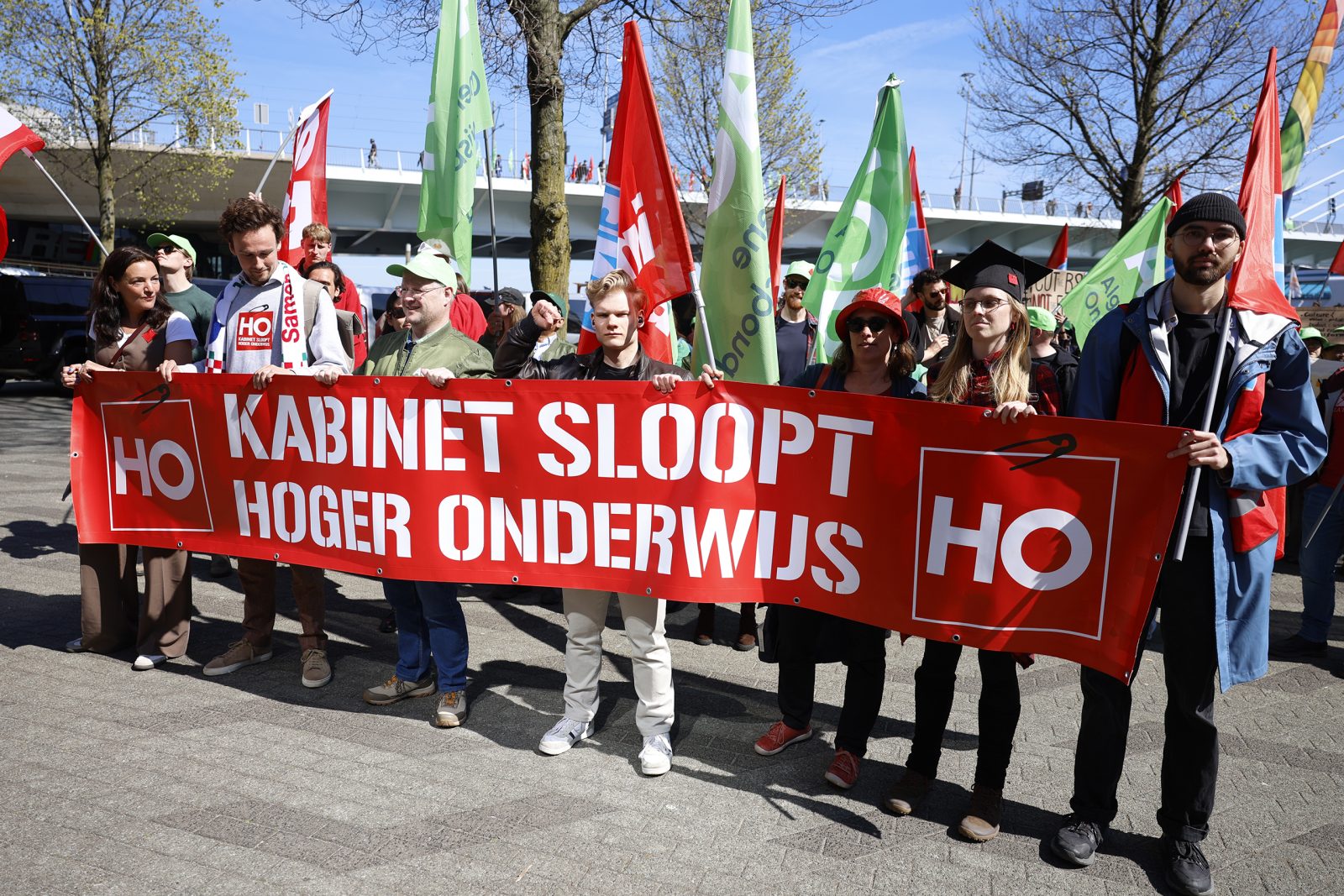
Image by: Daan Stam
“You cannot simply calculate the value of education and science with a calculator”, was the criticism voiced by the Royal Netherlands Academy of Arts and Sciences (KNAW) regarding the CPB’s analyses of election manifestos.
That sentiment has been heard since 2013. The CPB’s economists would only look at the government’s budget and then publish the outcomes per party: purchasing power goes up or down under certain plans, national debt increases or decreases. This led to something of a competition: who wins the analysis? Political parties appeared to take this into account when participating.
But what should be done with long-term investments? These tend to appear merely as costs – wasted money in the analysis. “An eight-year-old has no economic value after four years of education as a twelve-year-old”, said then KNAW president Hans Clevers. So when you play the ‘calculation game’, there is a temptation to cut spending on education and research.
Even then prime minister Mark Rutte agreed with the KNAW’s criticism. Still, the issue wasn’t immediately resolved – because how should it be done instead? At the government’s request, a KNAW committee issued advice in 2023.
Heard
That advice has been heeded, says the satisfied chair of the committee. That is professor of Entrepreneurship and Leadership Mirjam van Praag, former chair of the Executive Board of Vrije Universiteit Amsterdam and now chair of the Advisory Council for Science, Technology and Innovation (AWTI).
After a conversation with CPB director Pieter Hasekamp, Van Praag became ‘hopeful’ about the new approach. The majority of her recommendations appear to have been adopted, she says.
Long term
The long-term perspective now plays a role in the analysis, she explains. And the CPB has let go of the idea that all measures must fit into the same calculation model. Some things cannot be calculated precisely, but they can still be represented.
In the case of ‘investment climate and knowledge’, this is shown in a table indicating the effect of the plans on ‘human capital’. While the exact impact is unknown, investments in education, research and innovation do have an effect. The CPB does not express this in numbers, but with arrows. For GroenLinks–PvdA, D66 and Volt, there are two upward arrows; for the VVD, one downward arrow. Other parties fall in between.
'A bit strange'
“It was a bit strange”, says Van Praag. “Economists have known for decades that the return on education for both society and individuals is positive. But the CPB didn’t show that, which in turn led to underinvestment by political parties. The new approach with arrows partly solves that.”
The outcomes of education and research remain difficult to quantify. New medicines and technological innovations are tangible, but what about the development of students or contributions to democracy and the rule of law? These are still not reflected in the analysis. Van Praag hopes the CPB will collaborate with the Netherlands Institute for Social Research (SCP) on this.
“Step forward”
Caspar van de Berg, chair of the university association UNL, is also enthusiastic. “It is a big step forward that voters can now also see the consequences of political parties’ choices for education and innovation”, he said in a press release. “A strong knowledge society is badly needed to maintain our prosperity, security and health.”
The new overview with arrows does have its limitations, the CPB acknowledges. The analysts looked at measures ‘in the area of initial education and lifelong learning’. But the consequences of measures in other areas – such as healthcare or the labour market – are not included.
The reduction in international student numbers, which several parties advocate, is also not included in the analysis of human capital, according to the CPB. Yet it could be, since many international students remain in the Netherlands to work.
UNL believes the aversion to internationalisation is unjustified. The association criticises the plans of VVD, BBB and SGP to make Dutch compulsory as the language of instruction in most bachelor’s programmes.
Students
The Dutch Student Union is also pleased with the new approach and sees that most parties want to allocate more money to education. “The analysis shows that this leads to a stronger foundation in the Netherlands”, says chair Maaike Krom. “It’s finally becoming clear that education is not a burden, but a benefit to society.”
Incidentally, the CPB has not only considered the long term for knowledge and education, but also for housing and the ‘investment climate’. For its analyses on climate and nitrogen, it worked together with the Netherlands Environmental Assessment Agency.
Read more
-
Calculations: will the budget for education increase or decrease after the elections?
Gepubliceerd op:-
Politics
-
De redactie
Latest news
-
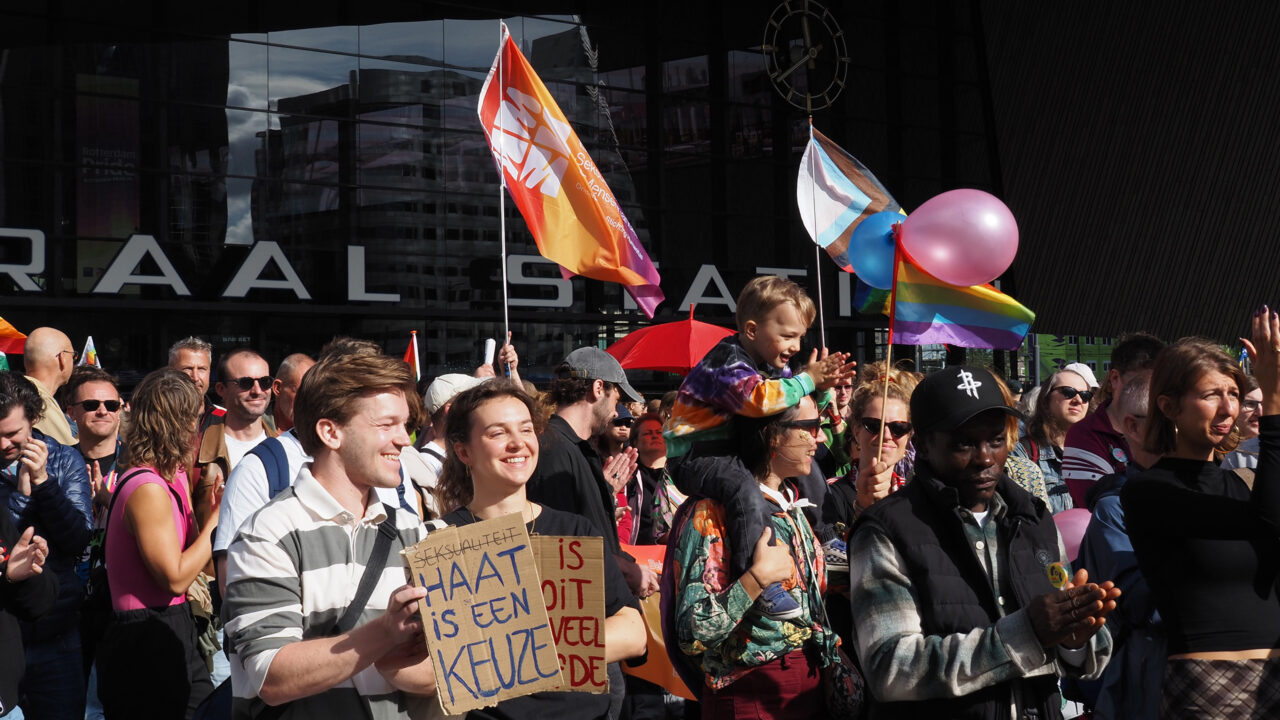
Students and staff join the Pride March: ‘We must stand up for this community’
Gepubliceerd op:-
Diversity
-
-

EM TV newsflash: Too many internationals, too many information platforms and more collaboration with the military
Gepubliceerd op:Article type: Video-
EM TV
-
-

18-year-old student dies after ‘hazing party’ in France
Gepubliceerd op:-
Student life
-


Comments
Comments are closed.
Ad
Read more in Politics
-
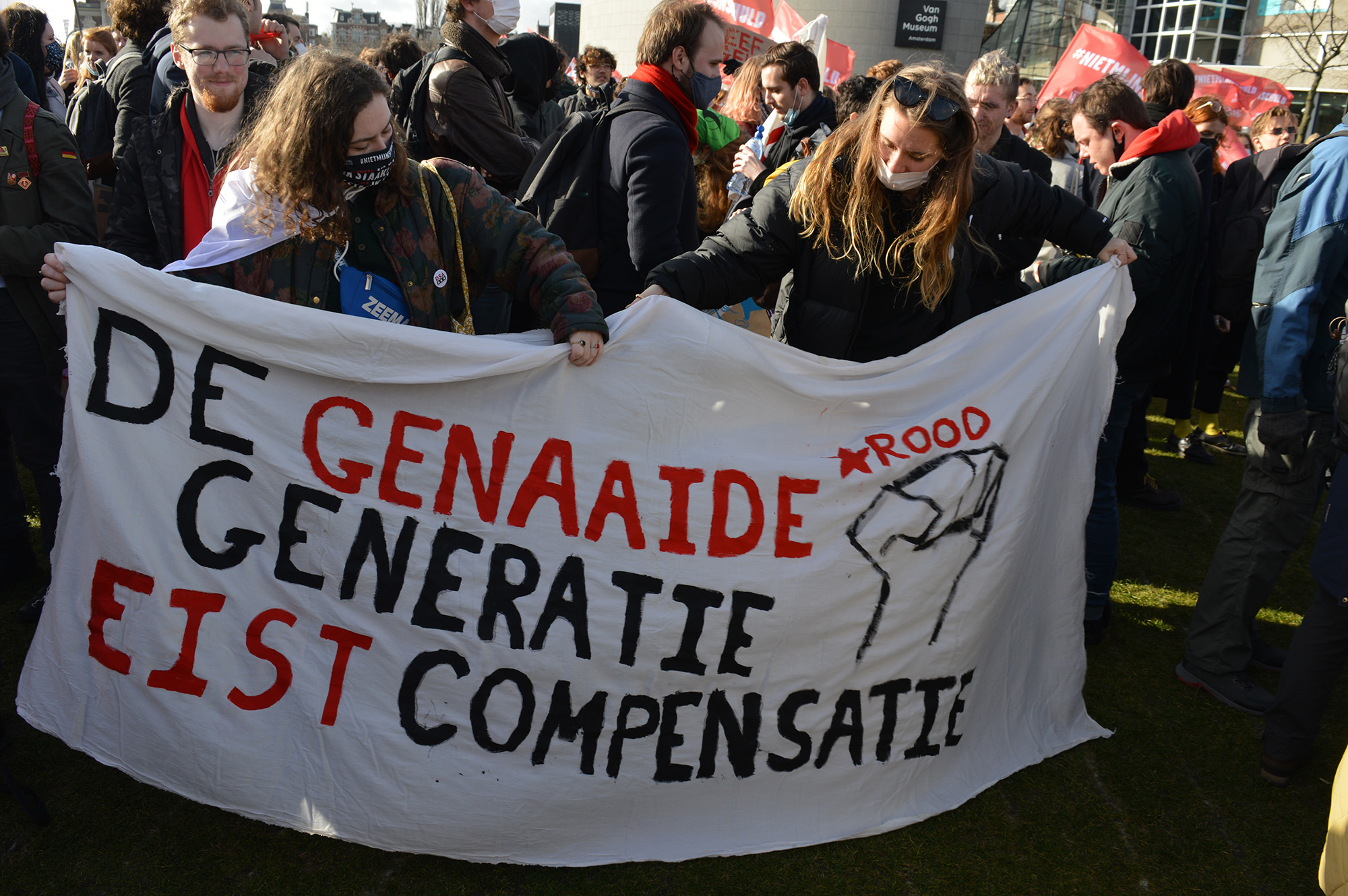
After a second compensation payment, that must be it for students who missed out
Gepubliceerd op:-
Money
-
Politics
-
-
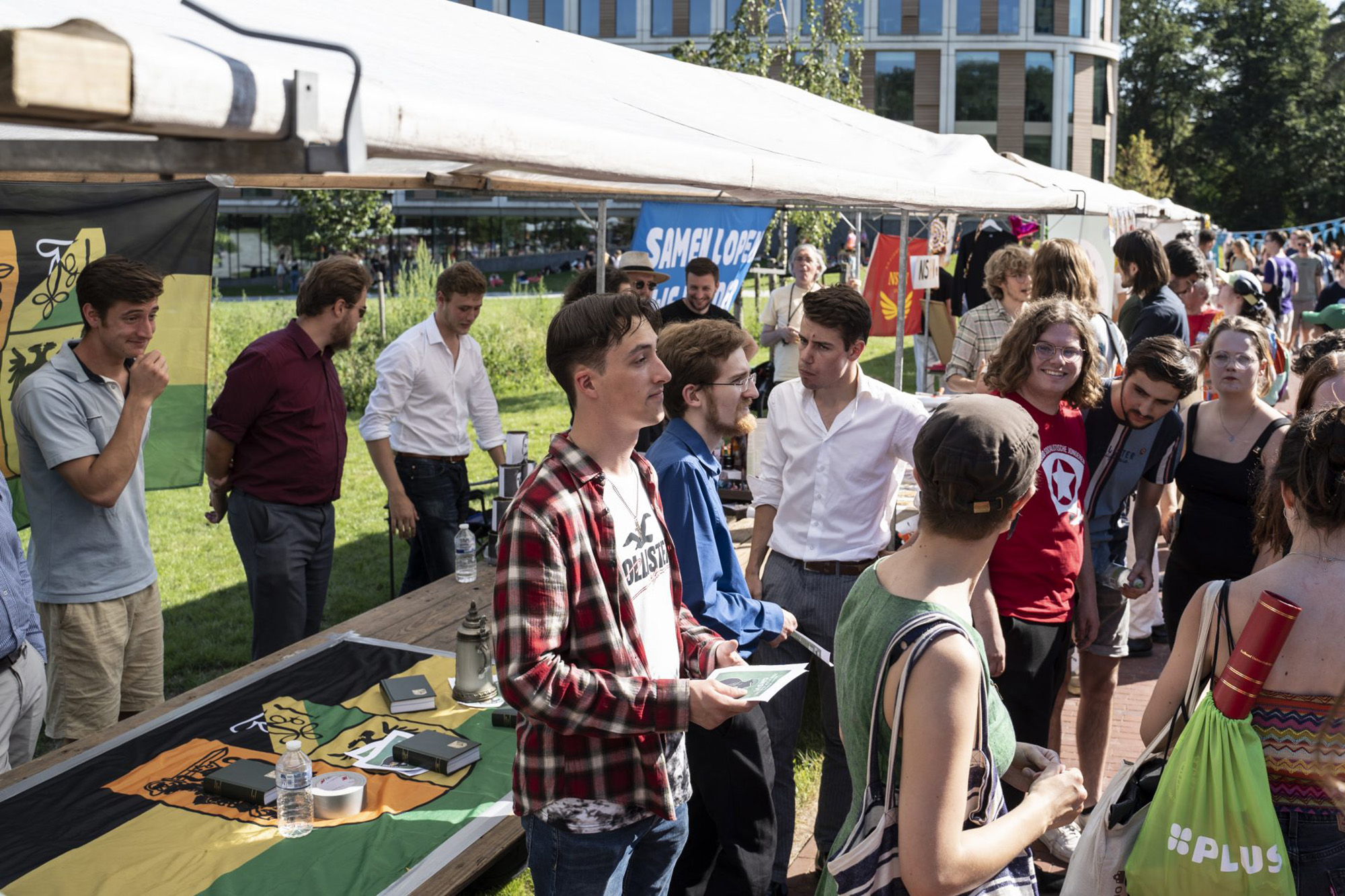
Far-right extremists use campuses to normalise their ideas
Gepubliceerd op:-
Politics
-
-
Prime minister Jetten sees potential for AI to improve education
Gepubliceerd op:-
Artificial Intelligence
-
Politics
-