Ad

Calculations: will the budget for education increase or decrease after the elections?
D66, GroenLinks-PvdA and Volt believe education and research should receive billions more. On the other hand, the VVD wants to make the budget cuts even deeper, according to the calculations by the Netherlands Bureau for Economic Policy Analysis.
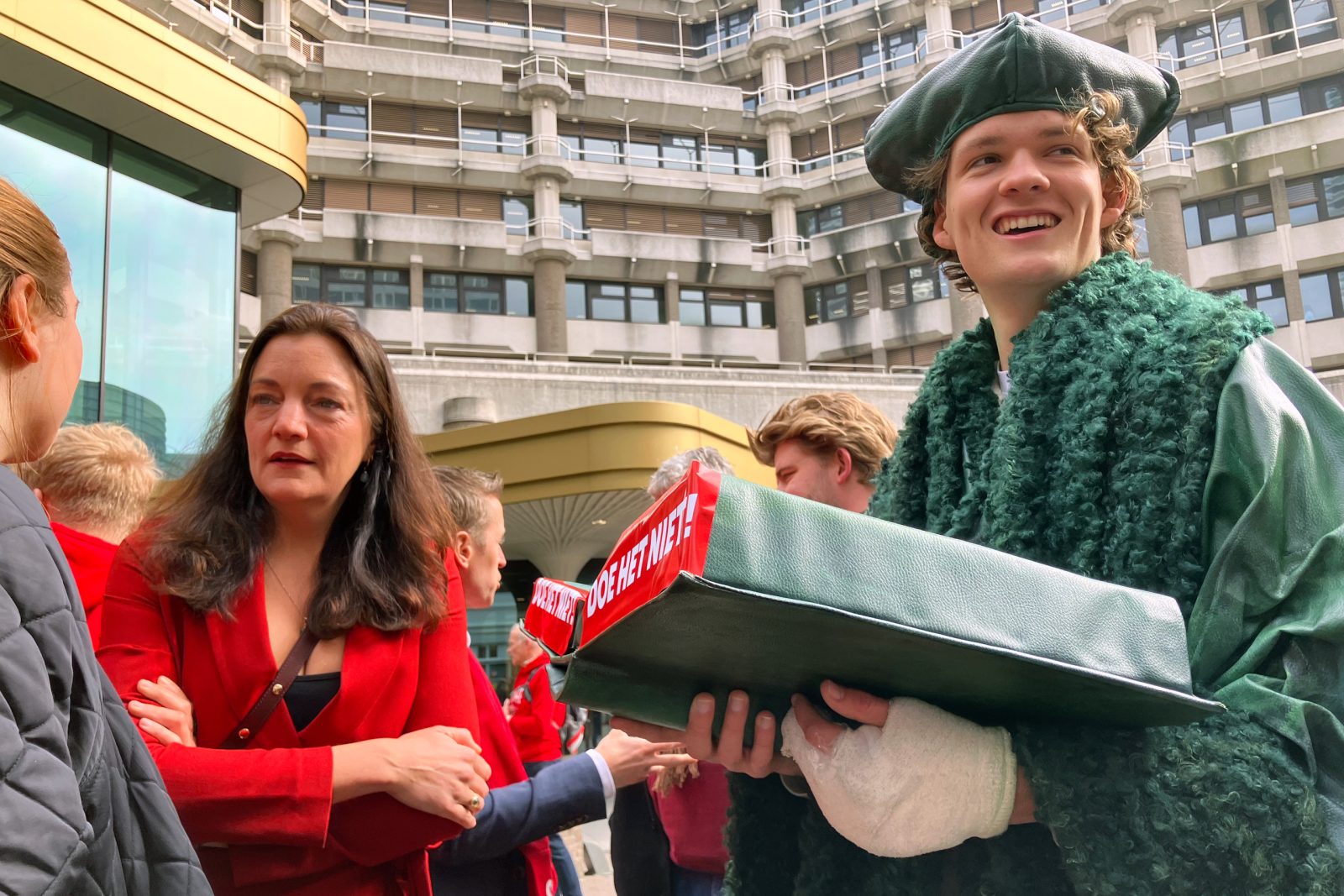
'Erasmus' protests as the House of Representatives discusses the education budget.
Image by: Hoger Onderwijs Persbureau
Correction 13 October: an earlier version of this article stated that the VVD wanted to cut 400 million euros, but this is actually 1.5 billion euros. It also stated that BBB wanted to cut less than planned, but in reality the party wants to cut an additional 300 million euros.
For the twelfth time, the Netherlands Bureau for Economic Policy Analysis (CPB) has put a price tag on the promises of political parties for the upcoming general elections on 29 October. The ten participating parties also had to explain how they plan to pay for everything.
Currently, the government has scheduled a 1.1 billion euro cut to the education budget. The VVD is the only party proposing to add another 1.5 billion euros in cuts on top of that, according to Keuzes in Kaart, as the calculation is called. BBB wants to add 300 million euros to the current cut.
Extra investment
D66 in particular is thinking of much larger sums for education and research. The party wants to reverse the planned cuts and then invest an additional 5.1 billion euros, not counting further spending on innovation in healthcare or through the business sector.
GroenLinks-PvdA and Volt have similar ideas: they want to add around three billion euros on top. Among the right-wing parties, JA21 stands out for its faith in the value of education and science: the party has earmarked 1.9 billion euros for this.
Closing the gap
Other parties want to at least reduce the shortfall and often add some funding as well. BBB leaves 300 million euros in cuts intact. The christian parties CDA, SGP and ChristenUnie eliminate the cuts and top up the budget slightly, while NSC goes a bit further. These are sums in the range of several hundred million euros.
“This is not a voting guide or election compass”, said CPB director Pieter Hasekamp today during the presentation of the calculations. The CPB provides an economic outlook ‘and there is more to it than just the economy’.
It is not always easy to determine exactly how much of the money would go to universities and universities of applied sciences, especially when parties want to increase the budget for all educational institutions (from primary school to university).
Slow-progress penalty
But some measures are quite clear. The VVD, for example, wants to cut 600 million euros from universities and universities of applied sciences by introducing a ‘slow-progress penalty’ for students who take too long to complete their degrees. Conversely, the party wants to reserve 200 million euros for a ‘fast-graduation bonus’ for students who finish on time.
The ChristenUnie wants to allocate 600 million euros to higher education and scientific research, while cutting back in primary and secondary education on the ‘basic skills master plan’. That plan should only apply to underperforming schools, according to the party.
The CDA ends up at net zero in higher education, but how? On the one hand, the party wants to spend more on the Research and Science Fund (300 million euros), but on the other hand, it wants to cut the same amount. The Christian Democrats want fewer international students to come here, and they also want to introduce ‘capacity-based funding’ in higher education. This apparently means fewer subsidised study places at universities and universities of applied sciences.
Basic grant
Funding for the basic grant also falls under education spending. D66 and GroenLinks-PvdA have reserved an additional 600 million euros for it, while the SGP wants to phase out the basic grant for students from wealthier families (saving 200 million euros) and use that money to increase the supplementary grant.
Also noteworthy: Volt wants to abolish the basic grant for students living at home and increase it for students living away from home. This would involve a shift of 500 million euros.
Human capital
More than in the past, the CPB is now trying to look at the longer term. In the past, the agency was criticised for not giving enough weight to long-term effects. Spending on education or infrastructure, for example, often seemed like ‘lost’ money. That problem has not been completely resolved – as it is hard to know exactly what the returns will be – but the report now also attempts to assess, for instance, the development of ‘human capital’ through education.
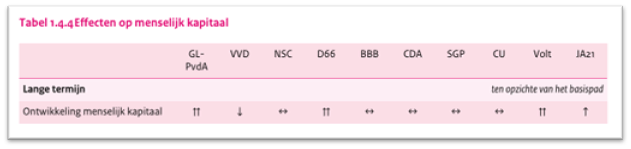
This is done using arrows pointing up or down. Only for the VVD does the arrow point down, while for four parties it points up: GroenLinks-PvdA, D66, Volt and JA21.
Parties can also promote research and innovation through businesses, for example by offering tax incentives for research and development. Some parties take this approach, sometimes in a targeted way. D66, for instance, wants extra funding for healthcare research, while the CDA wants more research into small nuclear reactors. JA21, on the other hand, cuts back on such spending.
NSC, D66 and Volt want to invest in a ‘learning budget’ for workers, enabling them to retrain later in life. The CDA has a similar idea with ‘learning rights’ for people over 50 with a vocational diploma.
Defence
In addition, all parties are allocating more money for Defence. “It is plausible that part of the additional funding will be spent on R&D and innovation”, notes the CPB, which could benefit universities and universities of applied sciences. But no specific amount has been attached to this.
The CPB published its first calculation in 1986. It’s a tradition that not all parties choose to take part in. The PVV and the Partij voor de Dieren opted out, and the SP has refused since the previous edition.
Lees meer
-
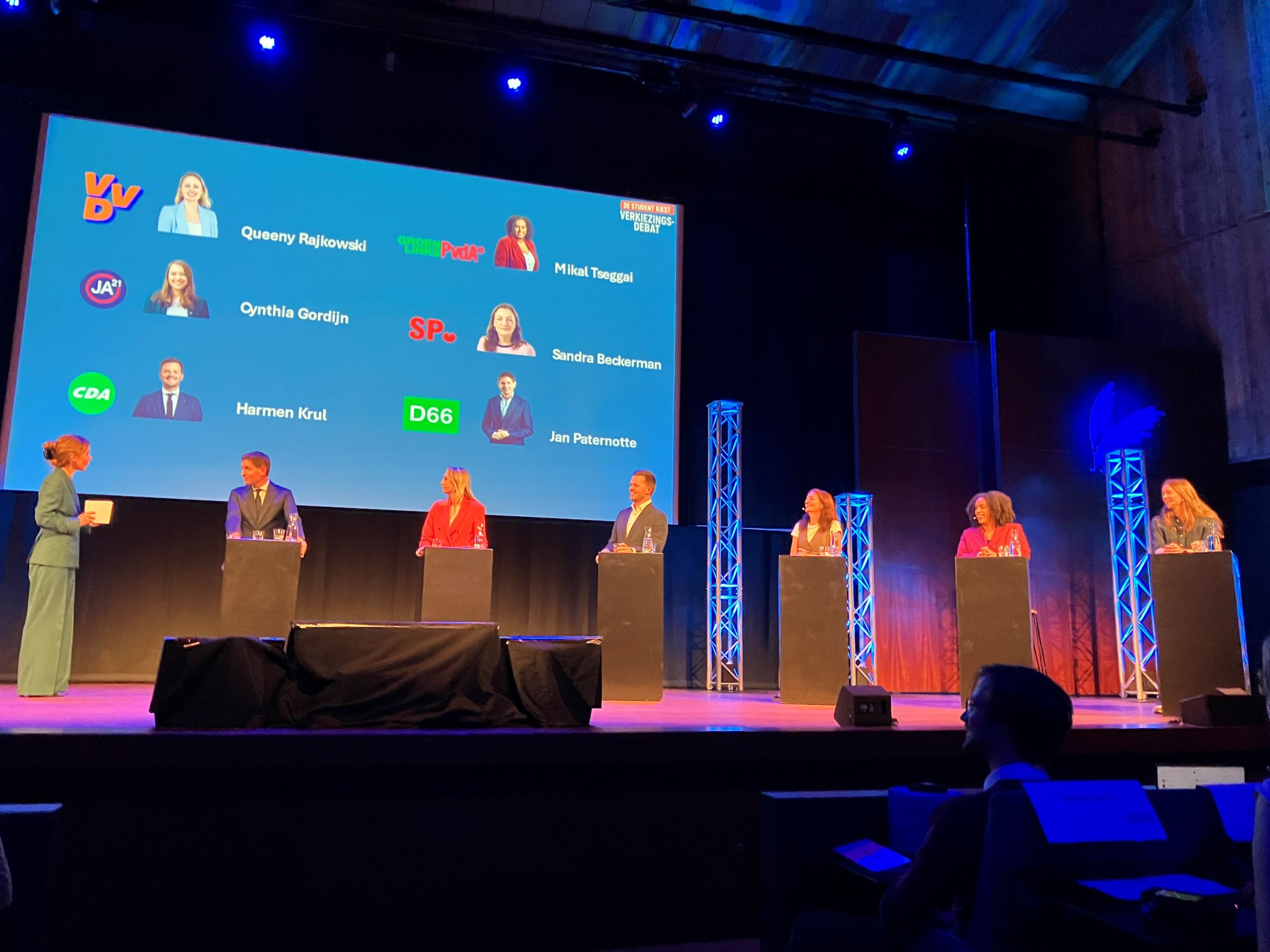
Students still undecided after ‘their own’ election debate
Gepubliceerd op:-
Politics
-
De redactie
Latest news
-
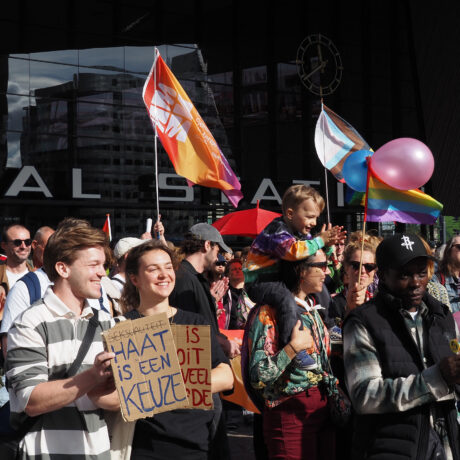
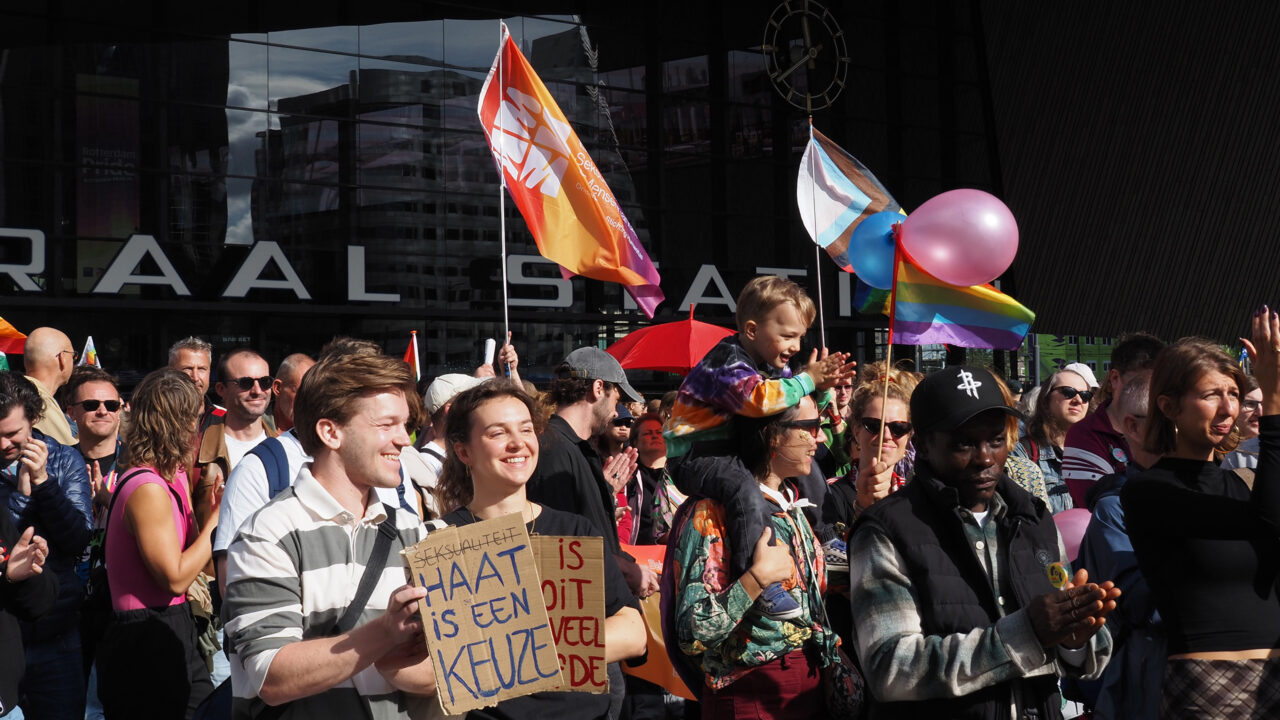
Students and staff join the Pride March: ‘We must stand up for this community’
Gepubliceerd op:-
Diversity
-
-

EM TV newsflash: Too many internationals, too many information platforms and more collaboration with the military
Gepubliceerd op:Article type: Video-
EM TV
-
-

18-year-old student dies after ‘hazing party’ in France
Gepubliceerd op:-
Student life
-


Comments
Comments are closed.
Ad
Read more in Politics
-
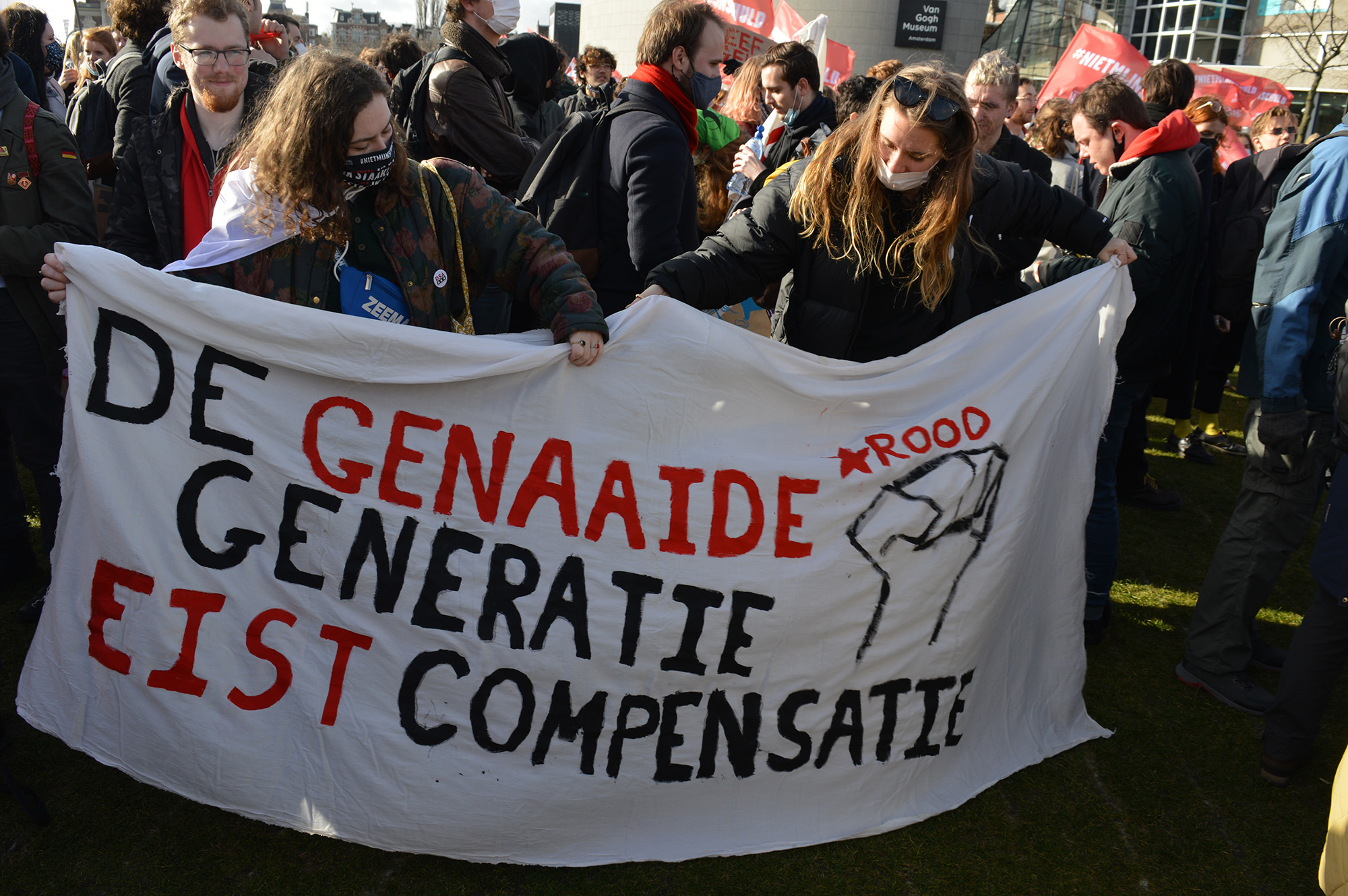
After a second compensation payment, that must be it for students who missed out
Gepubliceerd op:-
Money
-
Politics
-
-
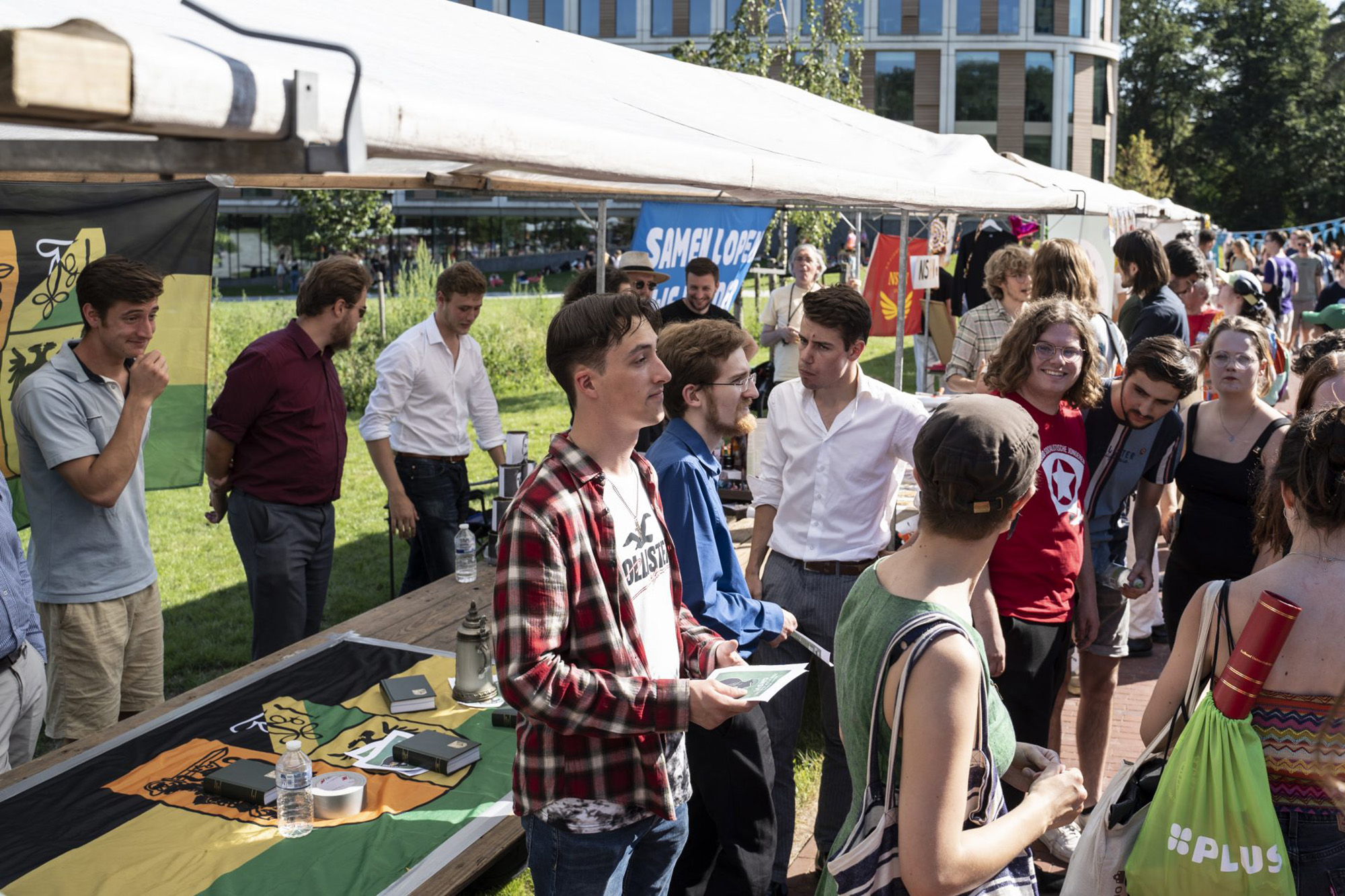
Far-right extremists use campuses to normalise their ideas
Gepubliceerd op:-
Politics
-
-

Prime minister Jetten sees potential for AI to improve education
Gepubliceerd op:-
Artificial Intelligence
-
Politics
-