Ad

Radical right may take the stage, but it has to add up
‘Universities shy away from debate with those who think differently’, Nieuwsuur headlined a few weeks ago. The trigger: the murder of Charlie Kirk, an American right-wing influencer who was killed during a debate at a university. EW columnist Geerten Waling thinks that the conversations Kirk held in the United States would no longer be possible here. At Dutch universities, inviting right-leaning guests quickly leads to commotion: from pro-Israel speakers to defence minister Ruben Brekelmans.

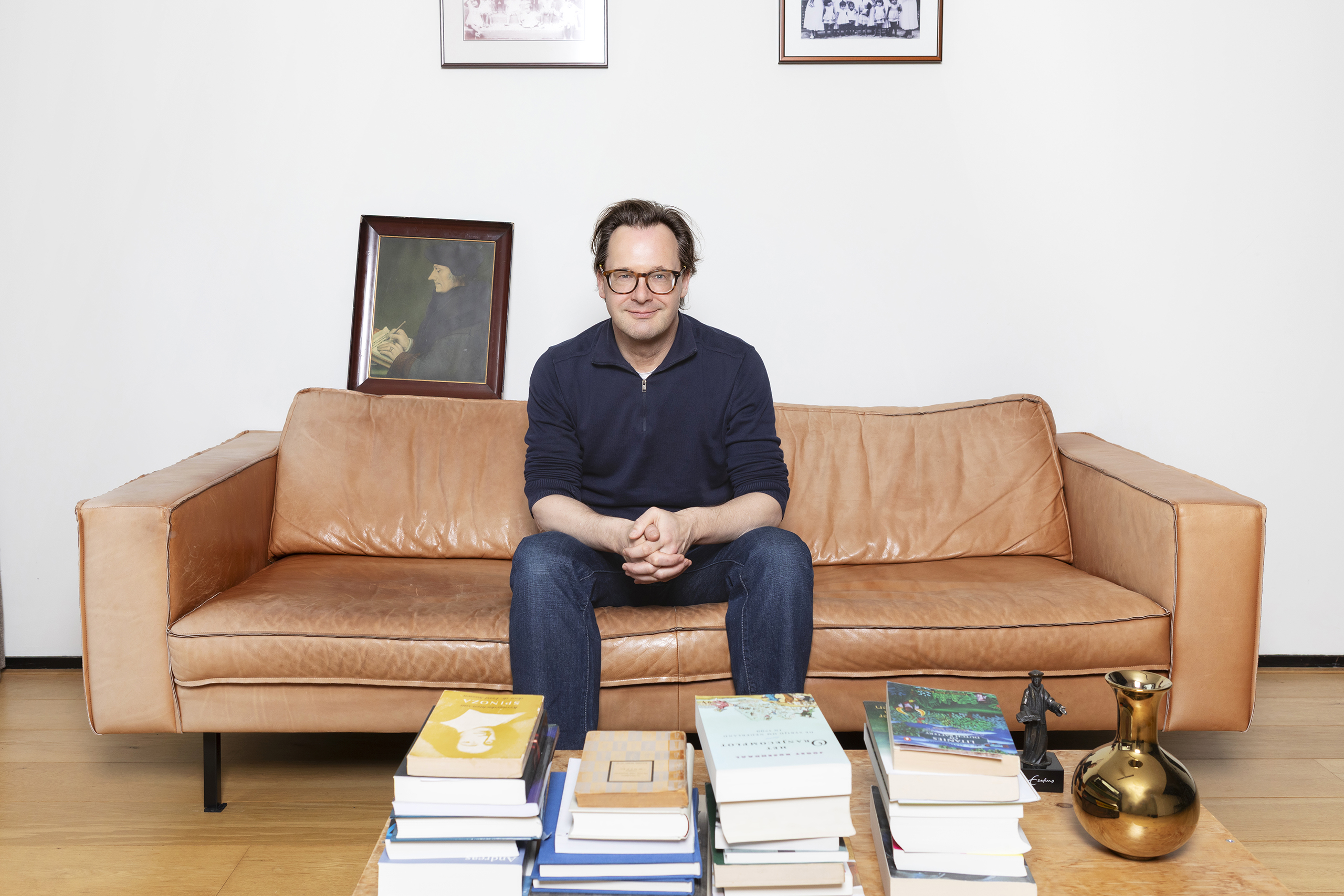
Image by: Pauline Wiersema, Levien Willemse
Nieuwsuur had Waling on to discuss it. Kustaw Bessems of De Volkskrant also got to give his view. Odd: commentary on university debate culture by people who do not work at a university at all. The editors apparently felt the strangeness themselves. We hear host Mariëlle Tweebeeke say that the programme’s editors had made many calls to bring in universities, but hardly anyone was willing to participate.
A long list of problems was presented. Nieuwsuur reminded us of an international ranking on academic freedom. The Netherlands has fallen sharply. The Royal Netherlands Academy of Arts and Sciences reports an increase in intimidation and threats against individual academics, especially via social media. And then there is the openness to controversial views. Nieuwsuur went to FvD politician Thierry Baudet, who warns that certain opinions are systematically suppressed or excluded.
Why did Nieuwsuur fail to get a single university administrator to the table? Earlier this year, they were queueing up to voice their concerns about that very same academic freedom. Could it be the trigger? Charlie Kirk was, until his murder, hardly known in the Netherlands, but it has since become clear that he was not simply right-conservative, but radical right. That is the new context in which university administrators operate: what is their response to right-wing radicals who claim they are systematically excluded?
The problem is easy to guess: this very political current poses a threat to free academic debate. The researchers who compiled the academic freedom ranking write about the influence of what they call ‘anti-pluralist parties’: in other words, the radical right. If such parties gain many seats or enter government, academic freedom comes under pressure, for instance by encouraging scepticism about science. That parties like FvD, PVV and BBB fall into this category hardly needs explaining. But what to do when these parties claim they are not given enough space?
It would be better if university administrators did not just issue general statements, but also actively defended academic freedom when things get difficult, for example in current affairs programmes where they need to contradict people like Baudet directly. Radical right threatens the pluralist debate. Just say it.
Of course, people from this political camp should be allowed to take part in debate and must certainly be able to be invited, but there is also a substantive test: do the speakers say anything of empirical value at all? PVV’s Islamophobia, BBB’s nitrogen talking points and FvD’s vaccination hysteria do not belong on an academic stage. We already know the score there. In that respect, the task of university administrators is straightforward: to facilitate debate and leave it to subject-matter experts to decide who should or should not be invited.
That the radical right often does not qualify is easy to explain. Should people like Baudet actually have something of value to say, they should absolutely be welcome. But then those same administrators must also act against any form of disruption, intimidation or threat. They must also be willing to ruffle the feathers of left-wing activists who think there should be no space for, for example, criticism of migration, a pro-Israel voice or a whole range of other conservative views. There is work to be done on that side too.
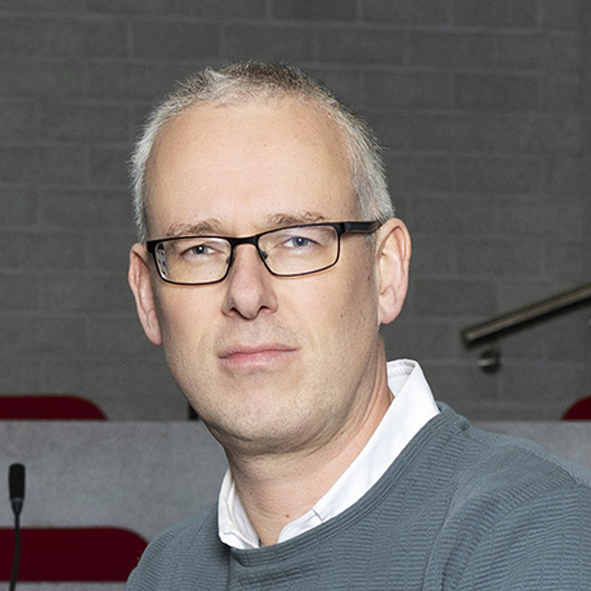
Chris Aalberts is a lecturer in political communication and research methods on the master’s programme in Media and Journalism. Aalberts is also a journalist and publishes on his own website about political developments in the Netherlands and Europe.
Lees meer
-

The university has put an end to the dialogue on Israel
Gepubliceerd op:-
Column
-
De redactie
-
 Chris Aalberts
Columnist
Latest news
-
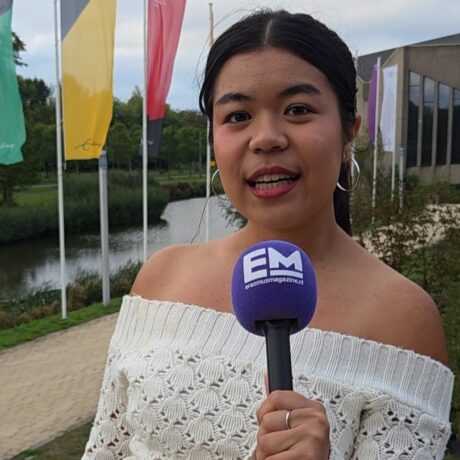
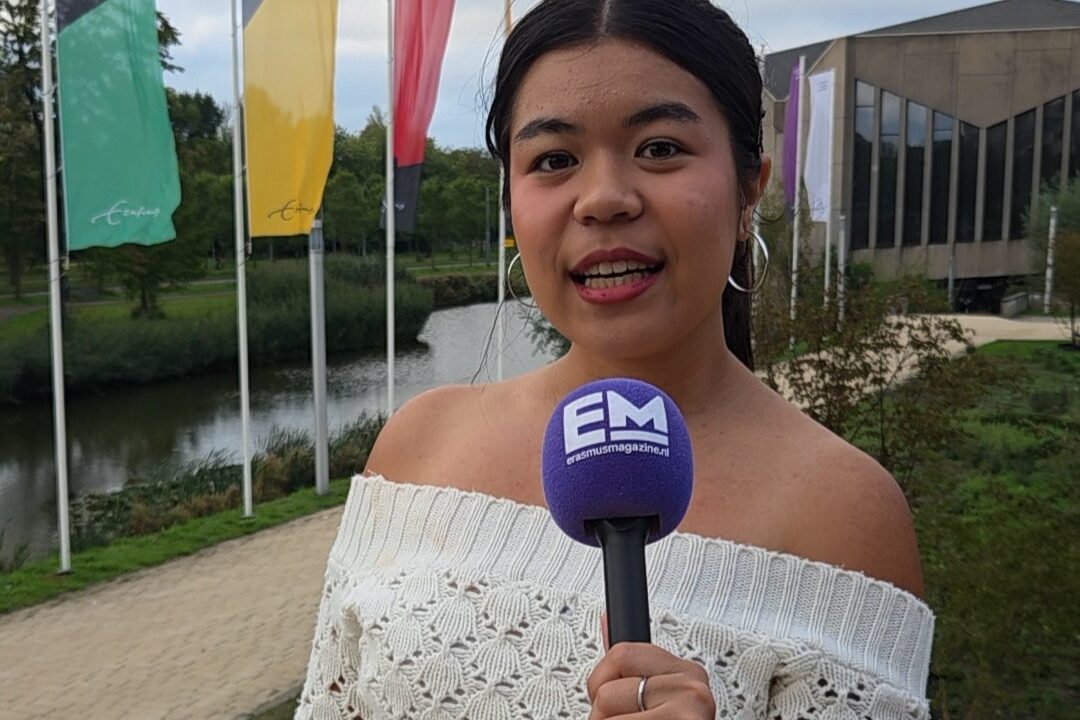
EM TV newsflash: Shorter waiting time for medical interns, lively trade in graduation tickets and purchasing power increase
Gepubliceerd op:Article type: Video-
EM TV
-
-
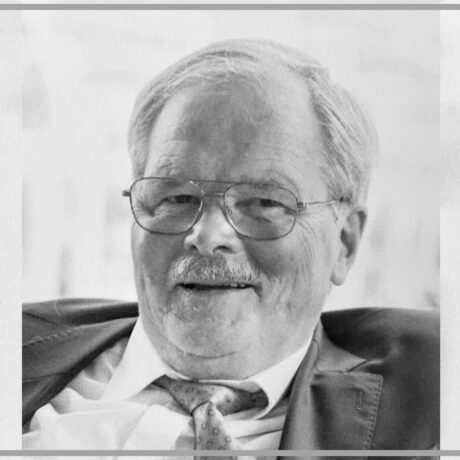
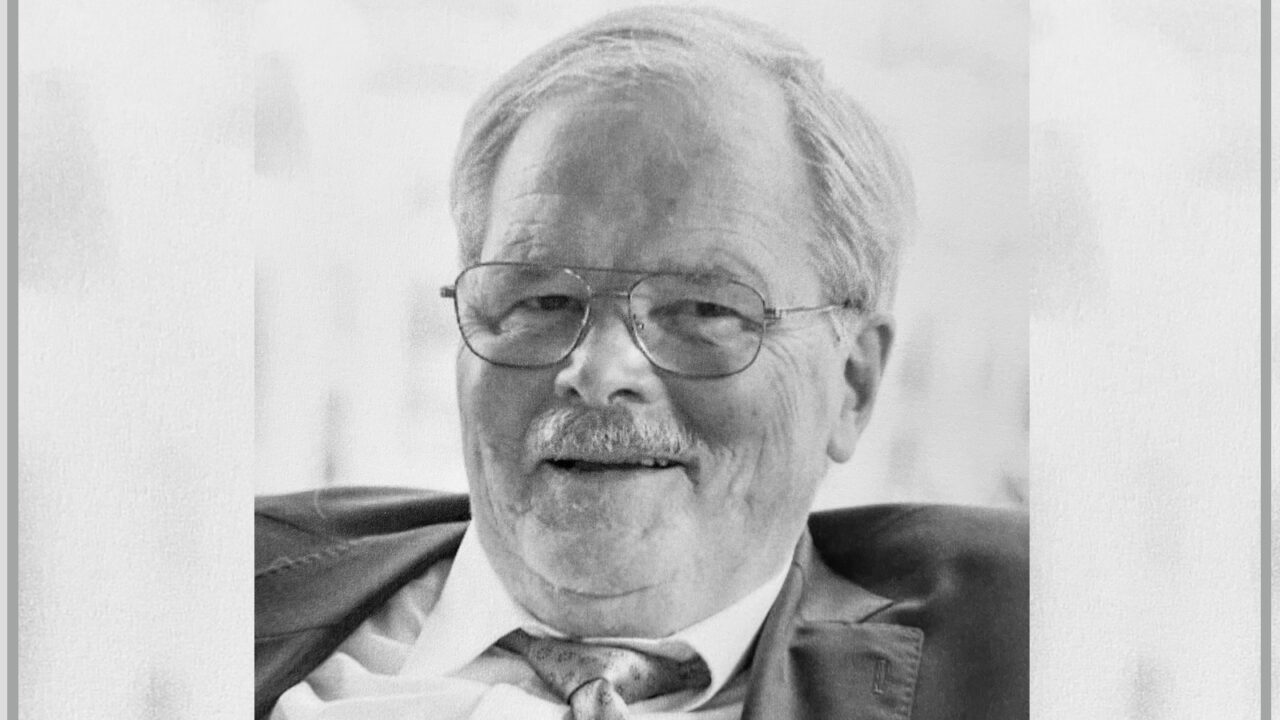
In memoriam Rob van der Wal
Gepubliceerd op:-
In memoriam
-
-
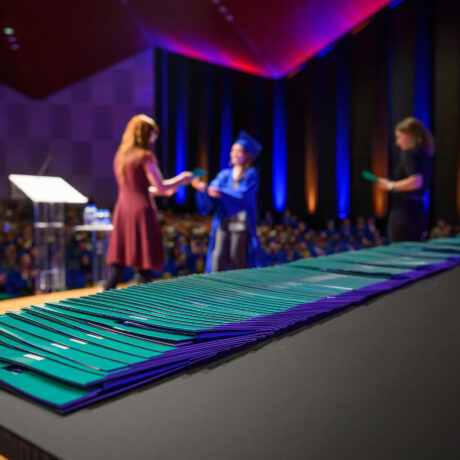
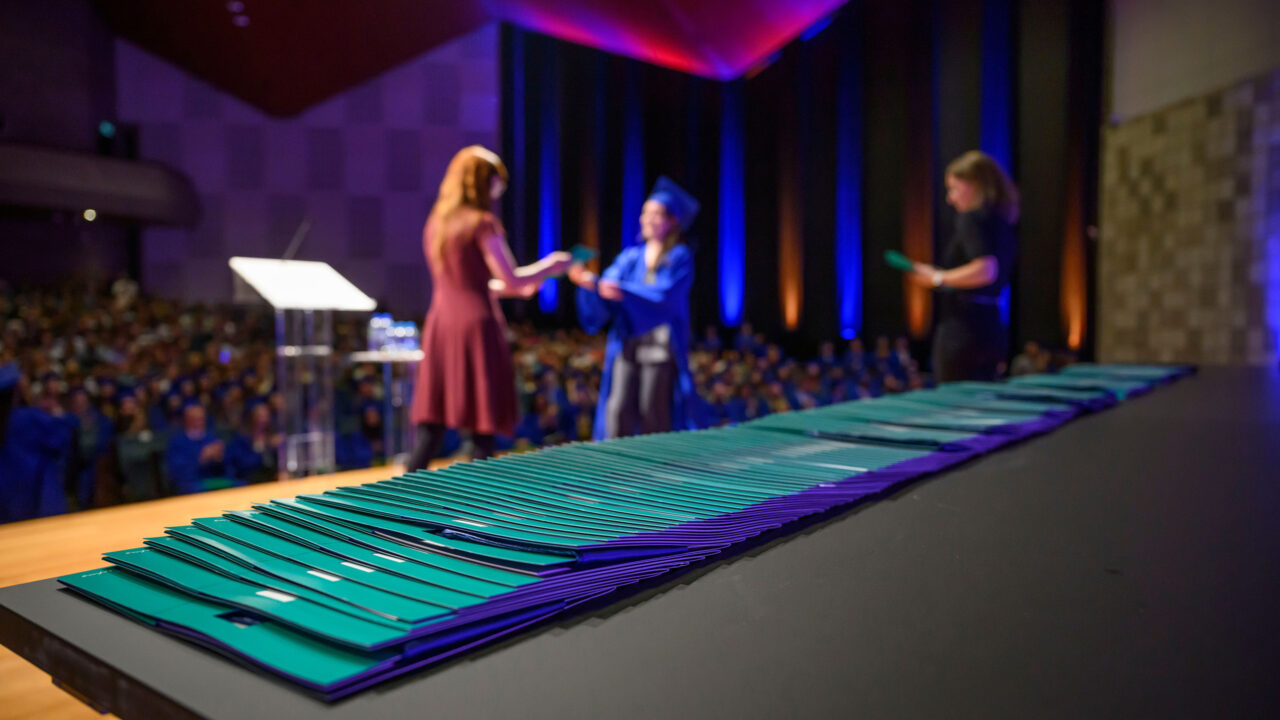
Lively trade in tickets for graduation ceremony: ‘Excessive prices are undesirable’
Gepubliceerd op:-
Student life
-
Comments
Comments are closed.
Ad
Read more in Column
-

Notes on your phone
Gepubliceerd op:-
Column
-
-

Looking back without anything weighing on you
Gepubliceerd op:-
Column
-
-
Academics allow themselves to be used by politicians
Gepubliceerd op:-
Column
-