Inequality of opportunity in medical programmes rises: lower admission rate for candidates with a migration background
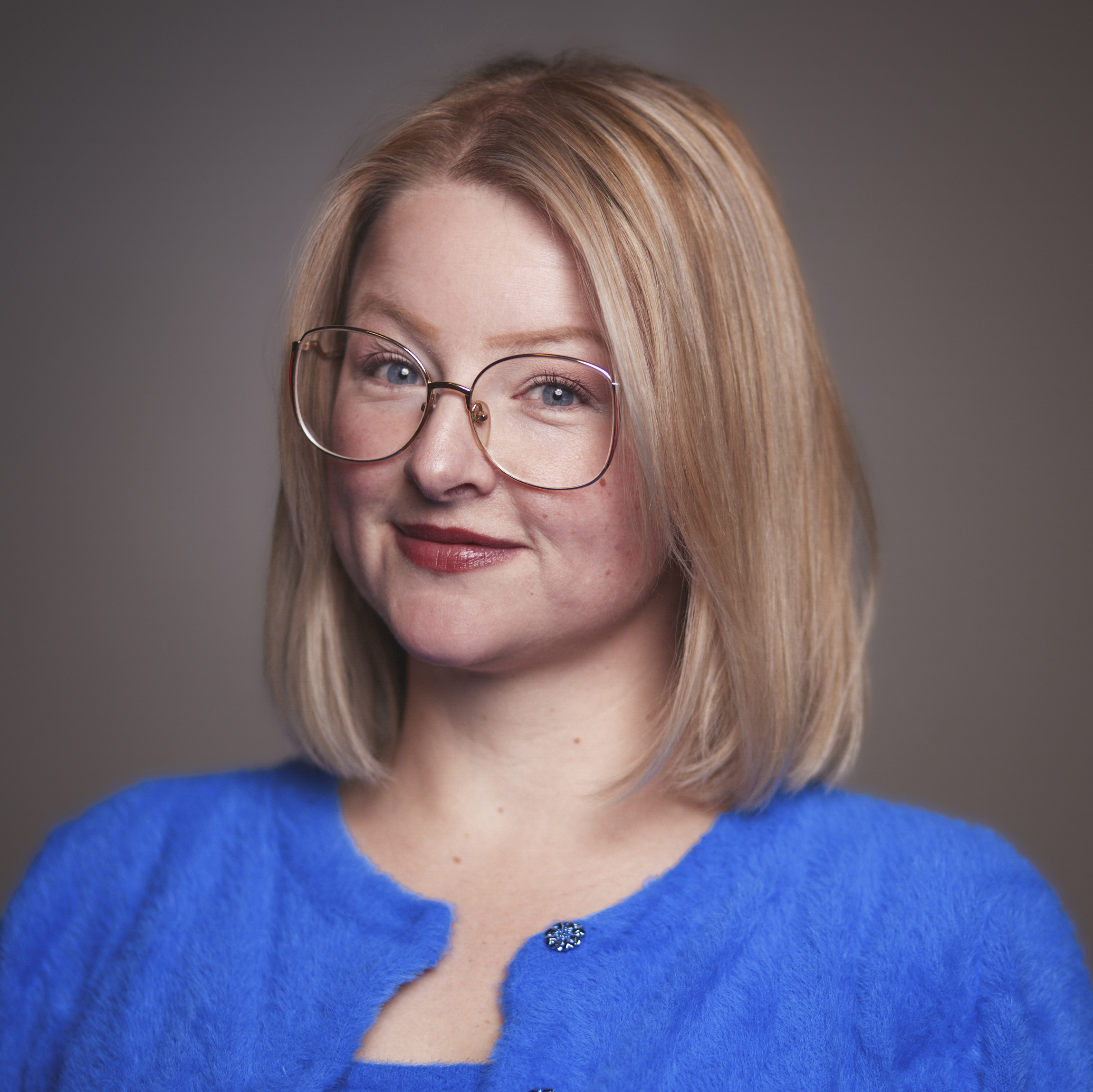
Students with a Surinamese, Turkish, Dutch Caribbean or Moroccan background are less likely to be admitted to a medical programme. In contrast, young people whose parents belong to the wealthiest 10% of the population have a higher likelihood of admission. These are the findings of a study by Lianne Mulder, a PhD student at VU University Amsterdam.
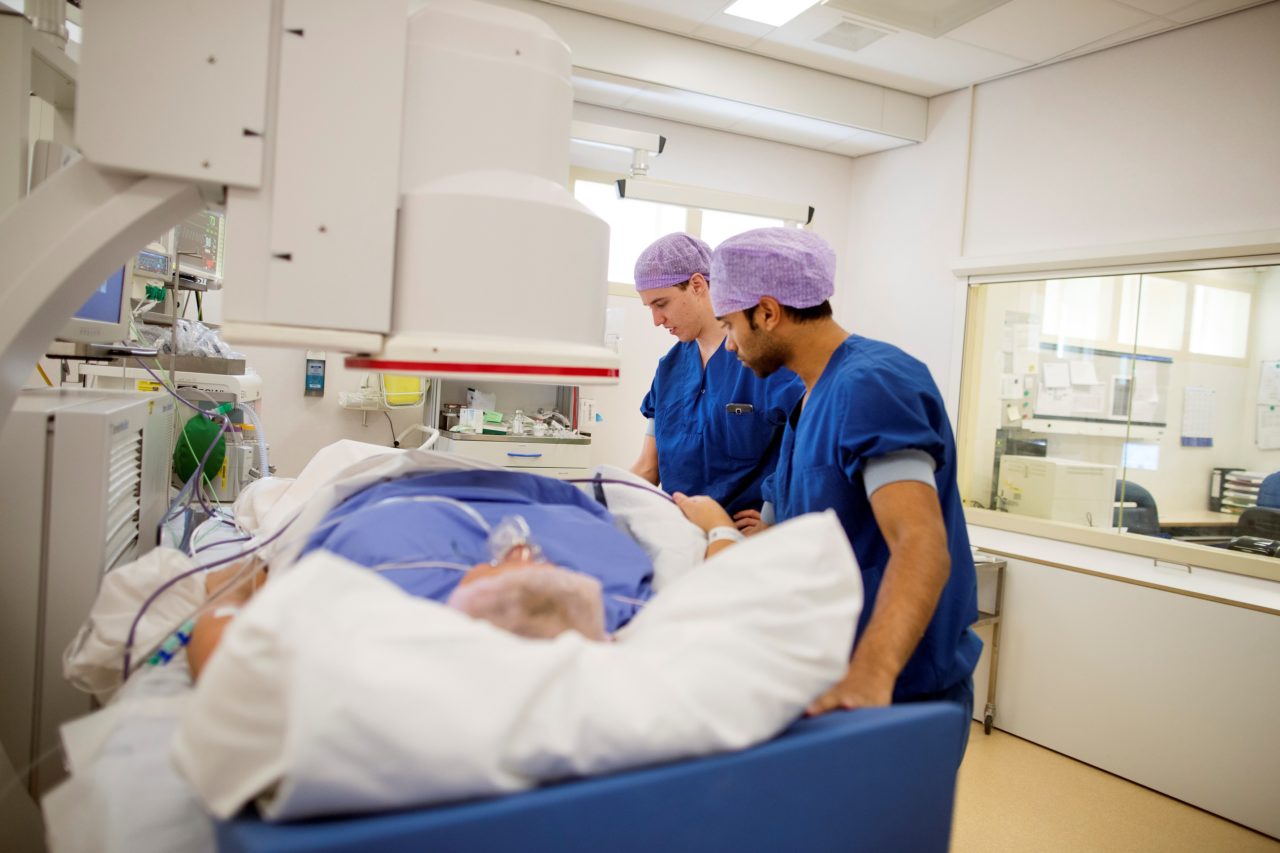
Image by: Levien Willemse
The diversity among medical students in the Netherlands has decreased following the discontinuation of the lottery system and the introduction of student selection, according to Mulder’s study. In the lottery system, only marks were taken into account. Students were divided into lottery groups: those with higher marks were placed in a higher group and had better chances of being admitted.
Read more
-

‘That doctor who called Moroccans kutmarokkanen is just a good, critical doctor’
Gepubliceerd op:-
Diversity
-
In decentralised selection, factors such as motivation, a knowledge assessment and a well-established CV can be considered as well. Each institution approaches the selection procedure in its own way. If a student has worked at a nursing home or taken part in a shadowing experience at another care facility, that can be an advantage. “But if you don’t have a parent or other family member who works in healthcare, it’s not always easy to arrange this. Consequently, the CBS survey shows lower admission rates among candidates without parents who are registered healthcare professionals.”
Private tutoring
Students’ socio-economic background is not taken into account in the selection process. Doing so is prohibited by law, Mulder explains. “If someone grew up below the poverty line and couldn’t afford to pay for private tutoring or selection training, this isn’t included in the considerations. If this type of student with excellent marks obtains their pre-university (VWO) certificate and scores well in the selection procedure, that is currently worth less than a slightly higher score from someone who grew up in a family that had enough money for private tutoring and expensive selection training, for example. In other countries, the student’s background and the educational inequality that can accompany that are taken into account.”
When it comes to students who are less likely to be admitted to a medical programme, Mulder says interest isn’t the problem. “VWO students with a low or average socio-economic status, or with an under-represented migrant background, apply in higher proportions than their share of the VWO population. This is not a case of self-selection as previously thought.”
Read more
-
Battle on two fronts to offer equal opportunities in medical education
Gepubliceerd op:-
Education
-
Mulder’s study focuses on the medical programmes at all Dutch universities, including those in Medicine, Dentistry, Pharmaceutical Science and Clinical Technology. Only the Pharmaceutical Science programme at the University of Groningen was excluded because it does not have an enrolment quota. Mulder does not have the separate data for each institution.
Better Healthcare
According to Mulder, going back to the lottery system is definitely not the solution. Such a system still fails to produce a population of physicians that is representative of Dutch society. Mulder and her team are therefore conducting a survey to gauge support for policies that are already being implemented abroad to admit a more representative student population. She is also working on a follow-up study on inequality of opportunity in the selection process of all study programmes with an enrolment quota at HBO and university level. In addition, she and her team are examining which groups of students go on to become BIG-registered physicians and specialists following their admission to the Medicine programme.
Diversity among physicians is essential for good healthcare, Mulder says. “Numerous studies tell us that patient care improves with a more diverse and more representative physician population. In the interest of providing better healthcare for all patient groups, it is therefore recommended to implemented targeted policies that give candidates from under-represented groups a fairer chance at being selected.”
Response from Erasmus MC:
“Equality of opportunity in education and healthcare is a top priority at Erasmus MC. Erasmus MC is therefore exploring methods to promote equal opportunities, and various Erasmus MC staff are actively involved in the lecture on unequal opportunities in the medical programme. The programme looks forward to seeing the outcomes of the research being done in this area by Lianne Mulder, Suzanne Fikrat and others.”
De redactie
-
 Tessa Hofland
Editor
Latest news
-
Letschert gives nothing away in first parliamentary debate
Gepubliceerd op:-
Education
-
Politics
-
-
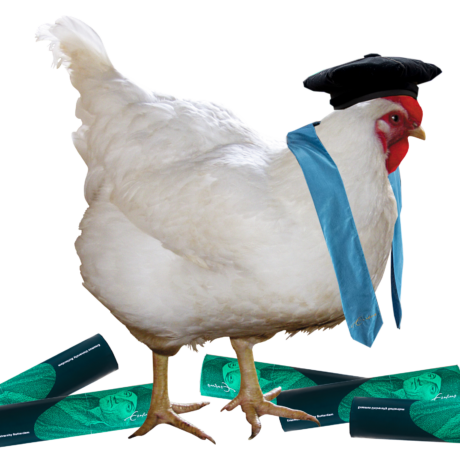
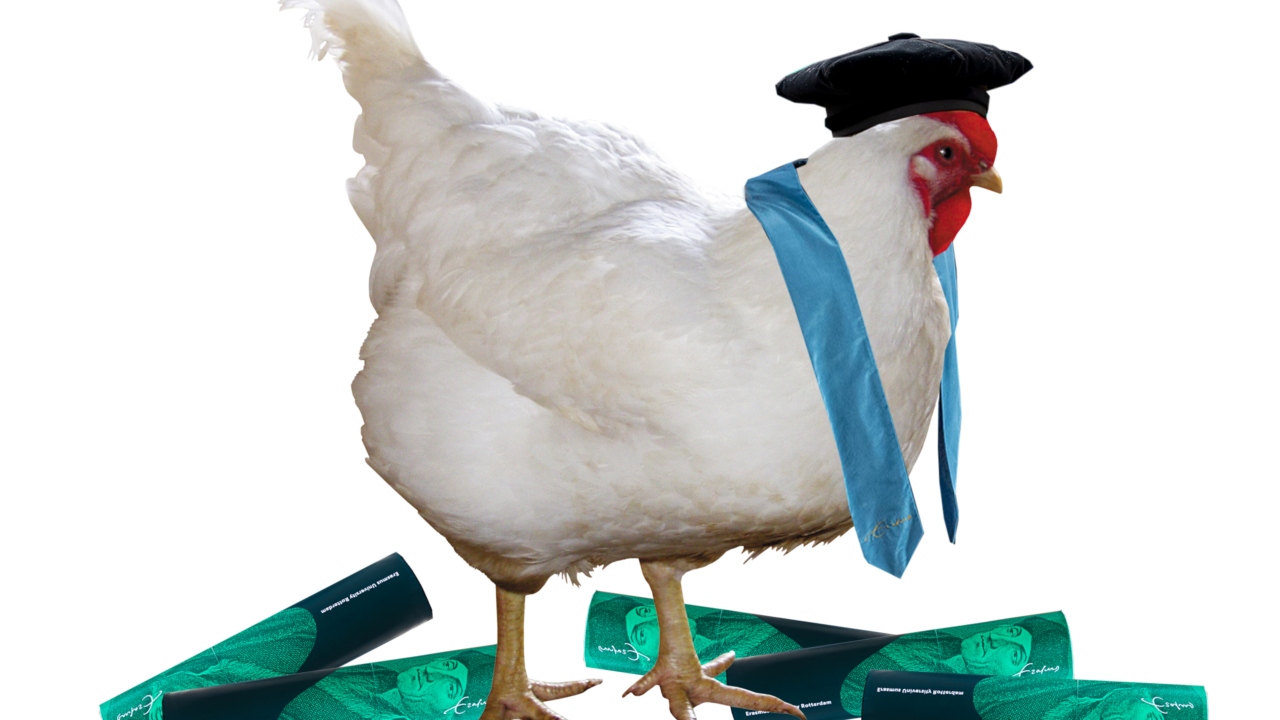
Away with the ‘profkip’, says The Young Academy
Gepubliceerd op:-
Science
-
-

House of Representatives wants basic grant for university master after HBO
Gepubliceerd op:-
Money
-
Politics
-

Comments
Comments are closed.
Read more in Education
-
Letschert gives nothing away in first parliamentary debate
Gepubliceerd op:-
Education
-
Politics
-
-

EUR master’s in International Management among sixteen ‘excellent’ masters in the Netherlands
Gepubliceerd op:-
Education
-
-

Faculty honours programmes mostly continue, but have to adapt to budget cuts
Gepubliceerd op:-
Education
-