‘Policymakers, employers and education institutions must do more to protect employees from mental stress’

Getting more exercise, attending mindfulness training, talking to a psychologist. All these things help young adults (people aged under 30) deal with mental stress, but according to the Council for Public Health and Society, they do not suffice, in that they do not eliminate the underlying causes for said stress. For this reason, we need social change, or else ‘all measures taken will only keep the stress at bay’, says the Council.
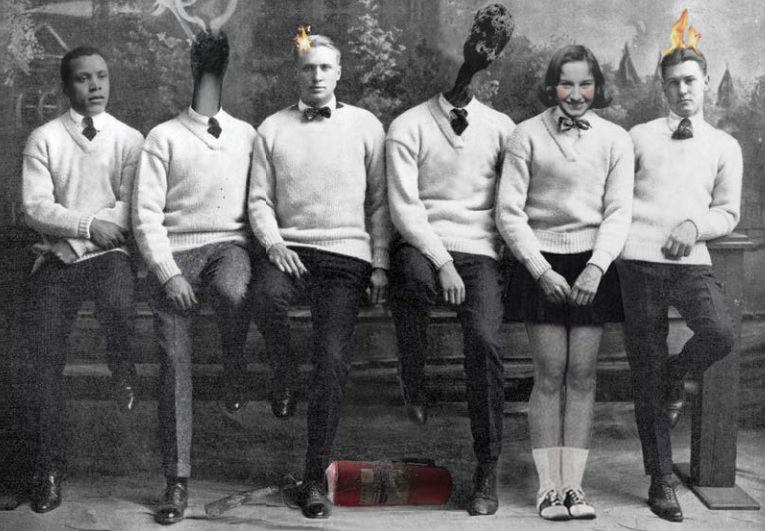
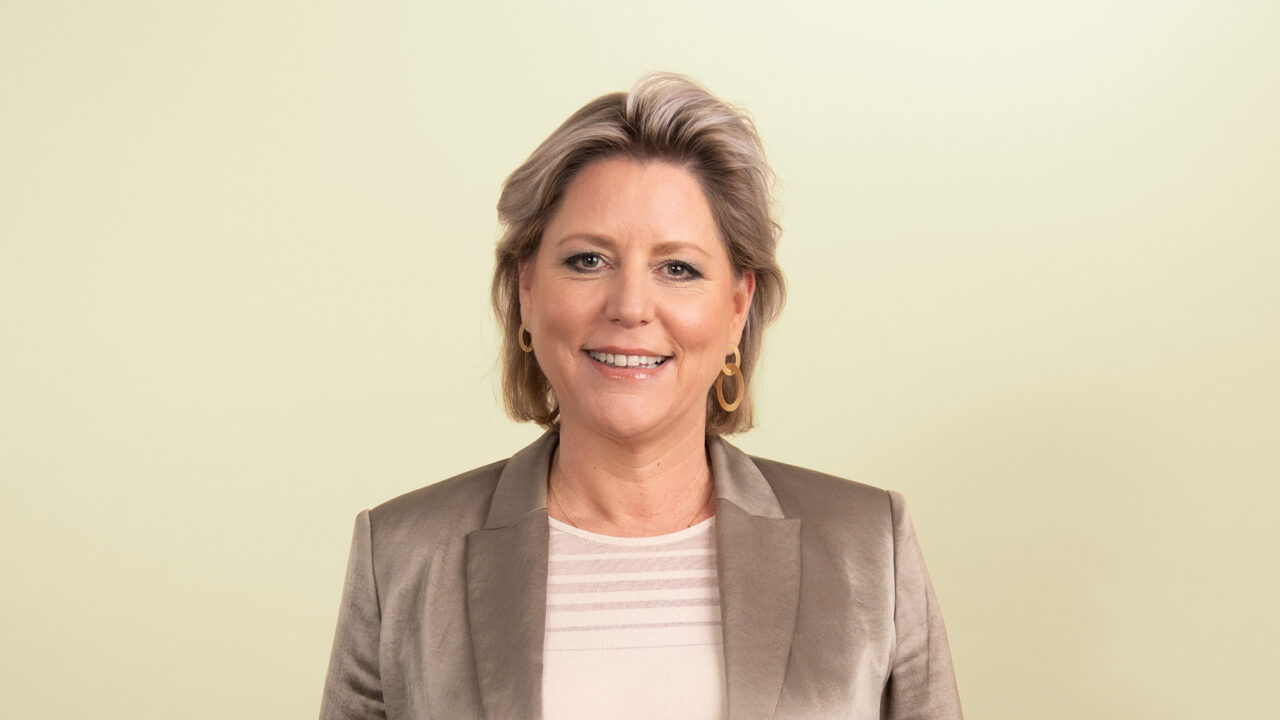
Image by: Esther Dijkstra
- Burned out before graduation
- Erasmus MC medical students run greatest risk of burn-out
- Watch out! Burnout warning!
- The future of the university: an excellent CV with a burn-out on top
- Five tips for keeping stress at bay
The Council, which issues recommendations to both the Lower and Upper Houses, has criticised both the education system and the job market. Society’s expectations are being imposed on people in the form of standards people are expected to meet, the Council wrote in an essay. “They require a certain level of performance that does not come naturally to everyone. It is hard to ignore these standards.” They may seem normal, but ‘sometimes they are taken to an impossible level’.
The Council feels there is a good chance that more twenty-somethings will experience problems due to the high level of pressure they experience. However, the Council also stated that the problem should not be overestimated. A sense of insecurity is to some extent inherent in young adulthood and certainly does not constitute a problem for everyone.
Social mismatch
‘The stage of life that is characterised by freedom and finding yourself’ is a social mismatch with the high and unreciprocated expectations society holds for young people, the advisory board wrote. While no one knows the exact figure, the number of young people suffering burn-outs or similar such symptoms is such that the Council seeks to take the public debate on the subject to a higher level.
Policymakers, education institutions and employers are advised to change their attitude towards young adults and recognise that not all young adults are the same. The Council’s recommendations include better guidance for young adults making decisions on their degree and profession, and a greater focus on ‘learning on the job’ while at work.
However, the Council does feel that young adults could be a little less accepting of their fate. “In the sixties, young adults mounted the barricades in great numbers to engineer a debate on the prevailing values. Today they just seem to do their utmost to live up to these standards to the best of their ability.”
De redactie

Latest news
-
Letschert gives nothing away in first parliamentary debate
Gepubliceerd op:-
Education
-
Politics
-
-

Away with the ‘profkip’, says The Young Academy
Gepubliceerd op:-
Science
-
-

House of Representatives wants basic grant for university master after HBO
Gepubliceerd op:-
Money
-
Politics
-


Comments
Comments are closed.
Read more in Education
-
Letschert gives nothing away in first parliamentary debate
Gepubliceerd op:-
Education
-
Politics
-
-

EUR master’s in International Management among sixteen ‘excellent’ masters in the Netherlands
Gepubliceerd op:-
Education
-
-
Faculty honours programmes mostly continue, but have to adapt to budget cuts
Gepubliceerd op:-
Education
-