Ad

This PhD candidate is researching why the number of female professors is lagging behind
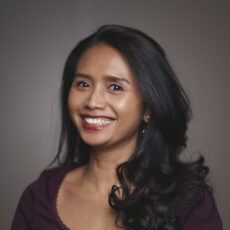
At Erasmus University, male professors still far outnumber their female colleagues. According to the 2018 Women Professors Monitor, the share of chairs currently occupied by women stands at 13 percent. At Erasmus MC, the figure is currently 20.8 percent. EUR has set a target of 20 percent as of year-end 2020. But with the present state of affairs, the university won’t even achieve that modest goal – unless it makes an unparalleled effort to catch up. “That’s one of the reasons why this project is so important,” says Daphne van Helden, who recently started working on the study ‘Academic Leadership: Mining the Gender Gap’.
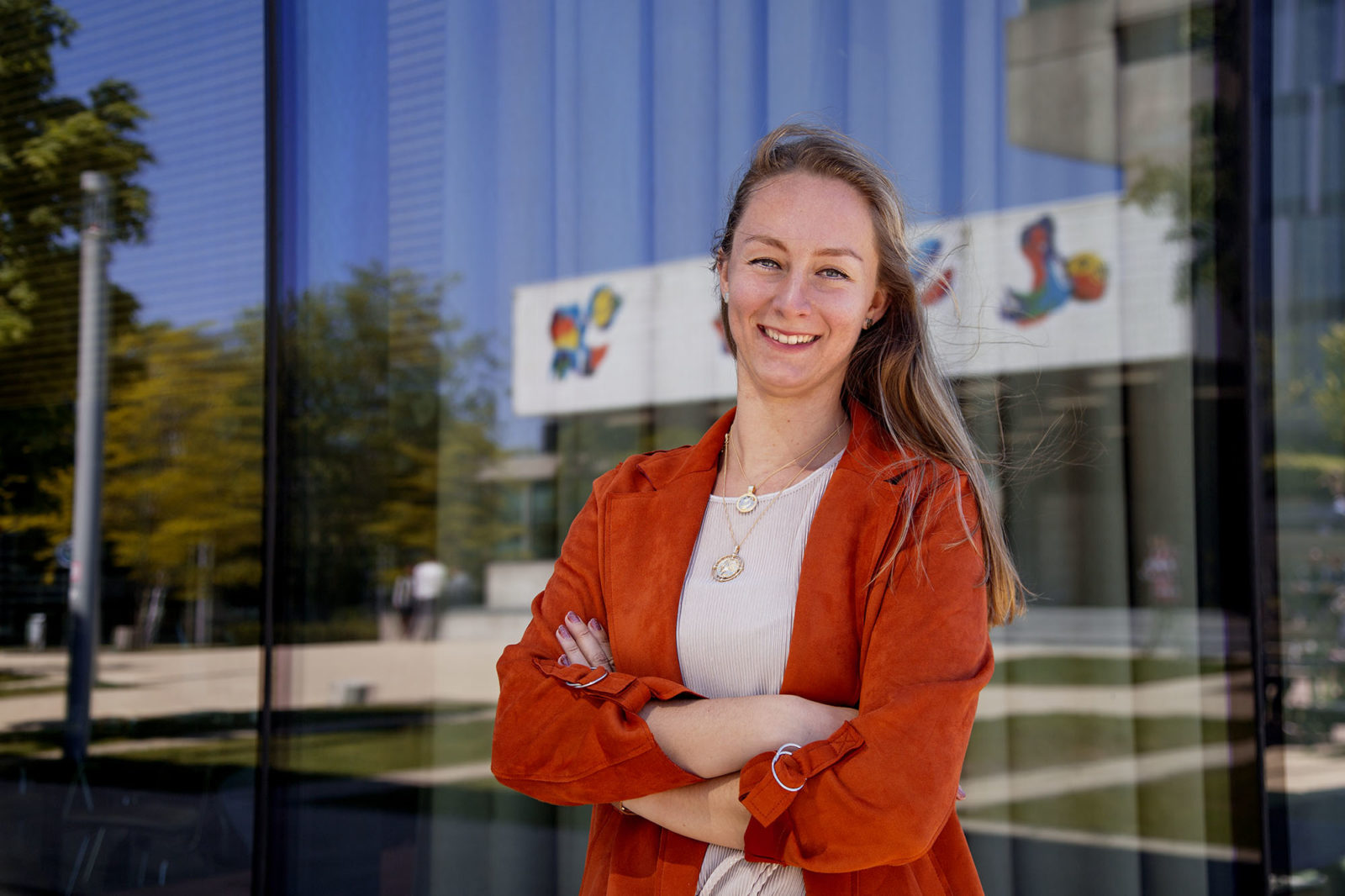
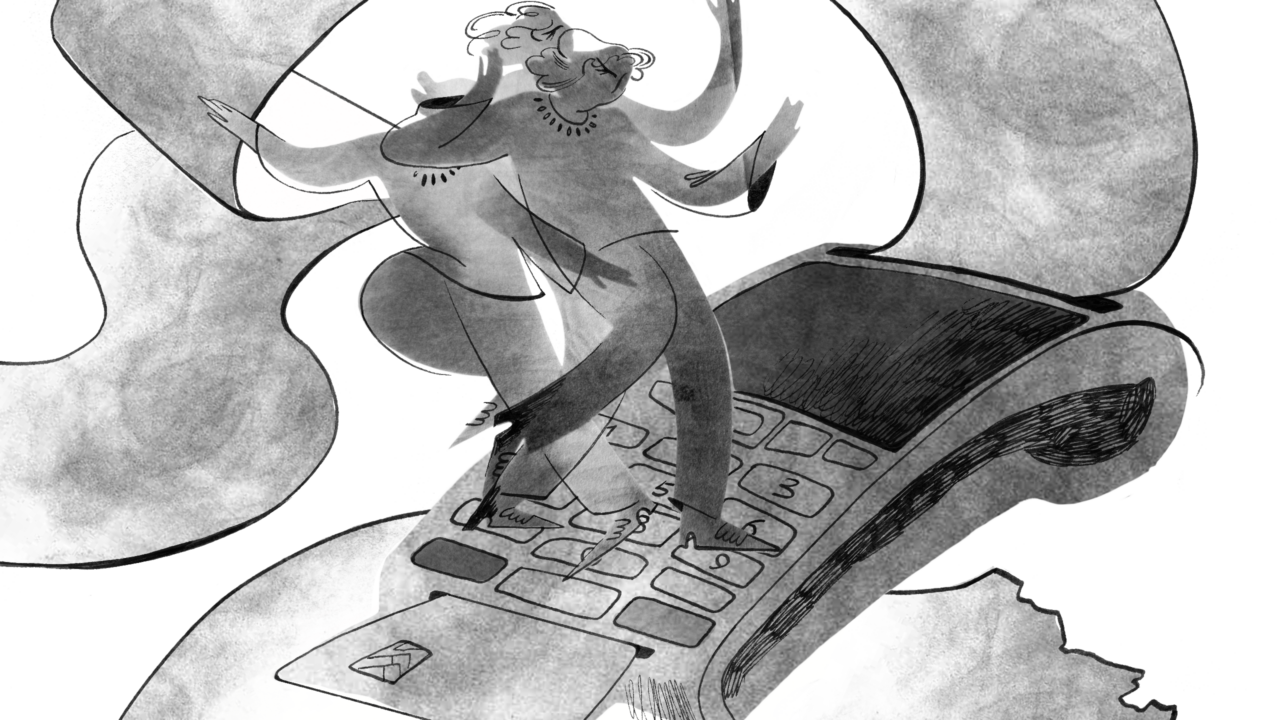
Image by: Aysha Gasanova
Lees meer
-
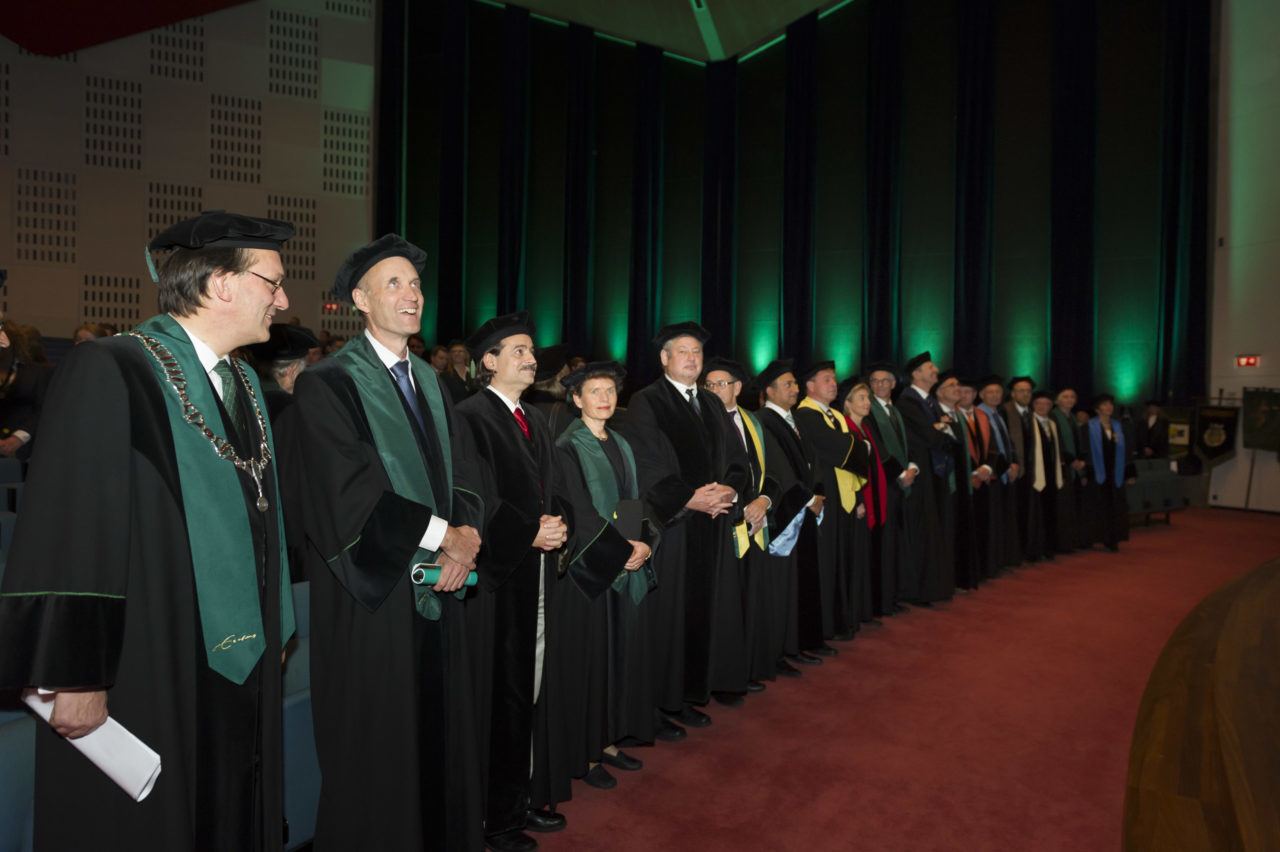
‘EUR will not achieve target regarding female professors’
Gepubliceerd op:-
Diversity
-
In many cases, women associate professors have to prove themselves more often and for an extended period before they are given the opportunity to move up from their existing position to a full professorship. “The one-sided view of the ideal academic has masculine connotations. It’s as if women – and men too, those who don’t fit in the ‘ideal academic’ category – have to work extra hard to prove themselves.”
In her study Van Helden will be focussing on the position of associate professors. “We want to gain insight into the barriers. What do they run into on their path towards a professorship?” explains Van Helden. “Particularly in academia, which is a very individualistic and competitive environment, it’s important to determine whether they have access to the right people and the right tools.”
‘The one-sided view of the ideal academic has masculine connotations.’
Stereotyping
“The main research question in this study is: how can we explain the differences in opportunities for men and women at the sub-senior level (associate professor) to move up to a senior position (professor) in the academic sector?” explains Van Helden.
More on female professors
- ESE and RSM have the lowest number of female professors
- ‘We are all chasing the same women’
- Déjà vu: There is still a dearth of female professors
To find out, the researcher will be selecting 65 to 70 associate professors – both male and female – taken from all EUR’s faculties. She will proceed to monitor these lecturers for at least three years. “Hopefully the EUR faculties will all be prepared to cooperate. This will allow us to examine to which extent culture and institutional aspects co-determine an individual’s development opportunities,” she explains. “I’ll also be looking into social aspects: to whom can the associate professors turn when they have a question or idea; who can help them move forward and how does this line of communication run exactly?”
There are many factors that can slow down an academic’s progress, says Van Helden. One often-heard example is stereotyping. “Women are often unable to satisfy the stereotypical biases,” she explains. “An associate professor generally fulfils a rather important leadership role within the organisation. But leadership is often described by referring to allegedly ‘masculine’ qualities like authority and courage.” In other words, there are already a lot of preconceived notions based on cultural value – ideas that make it harder for women to conform to expectations. “Of course, this stereotype forms an obstacle for anyone who doesn’t identify with these biases, but doubly so for women,” adds Van Helden.
In the right direction
“I could already see this imbalance as a student,” says Van Helden, who has both a bachelor degree in Public Administration and a master degree in HR & Management from EUR. “I saw next to no women academics in leading positions. The literature we read was often written by men, and the examples that were offered were all ‘male’ case studies. This distorts the picture for students and reinforces the stereotype of the ideal academic.”
More on women in science
- Kristel Baele: “A quota is not far away”
- ‘The problem lies with all of us, not just with white males’
- Monitor: ‘Women in science are missing out on dozens of millions of euros’
Generally speaking, things are moving in the right direction, according to Van Helden. In the 1990s, only 5 percent of the associate professors nationwide were women, and only 3 percent of the professors. Today these figures are 30 percent and 21 percent respectively. “Nevertheless, there’s still an imbalance,” notes Van Helden. That’s why she believes that the university’s decision to back this study is a very positive sign. “It shows that they’ve also acknowledged that something needs to be done about this.”
Van Helden expects to be able to present the results in four years’ time. While she’s performing her research under the aegis of ESSB’s Public Administration department, the idea was actually hatched within the Executive Board of Erasmus MC. “At Erasmus MC, there’s a high intake of female students, but very few of academics stay on. So they’re very interested in finding out how to retain talented women for science,” she continues. “And the diversity office is involved in this research too. They’ve been studying this subject for some time now, so I’ll be able to learn from their experiences. This also creates broader support for the study itself.”
Awareness
The initial goal of Van Helden’s research is to raise awareness – at both the individual and institutional levels. “I hope that we can step out of our own little bubbles and look at what we can do to create equal opportunities,” she says.
“I heard a striking quote the other day, during the Women in Leadership Conference organised by ECWO: ‘Women are invited to the party but are not asked to dance.’ I think this is the point that we’ve arrived at right now,” she continues. “Now’s the time to set things in motion.”
De redactie
-
 Feba Sukmana
Editor
Latest news
-
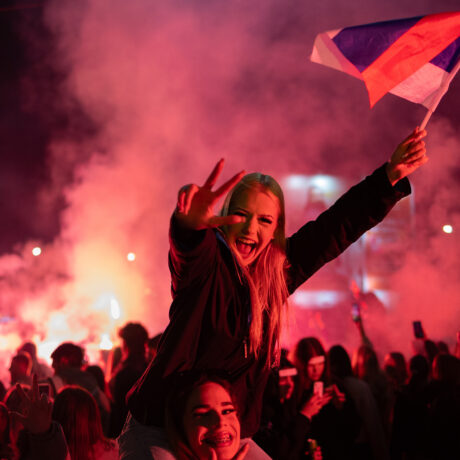
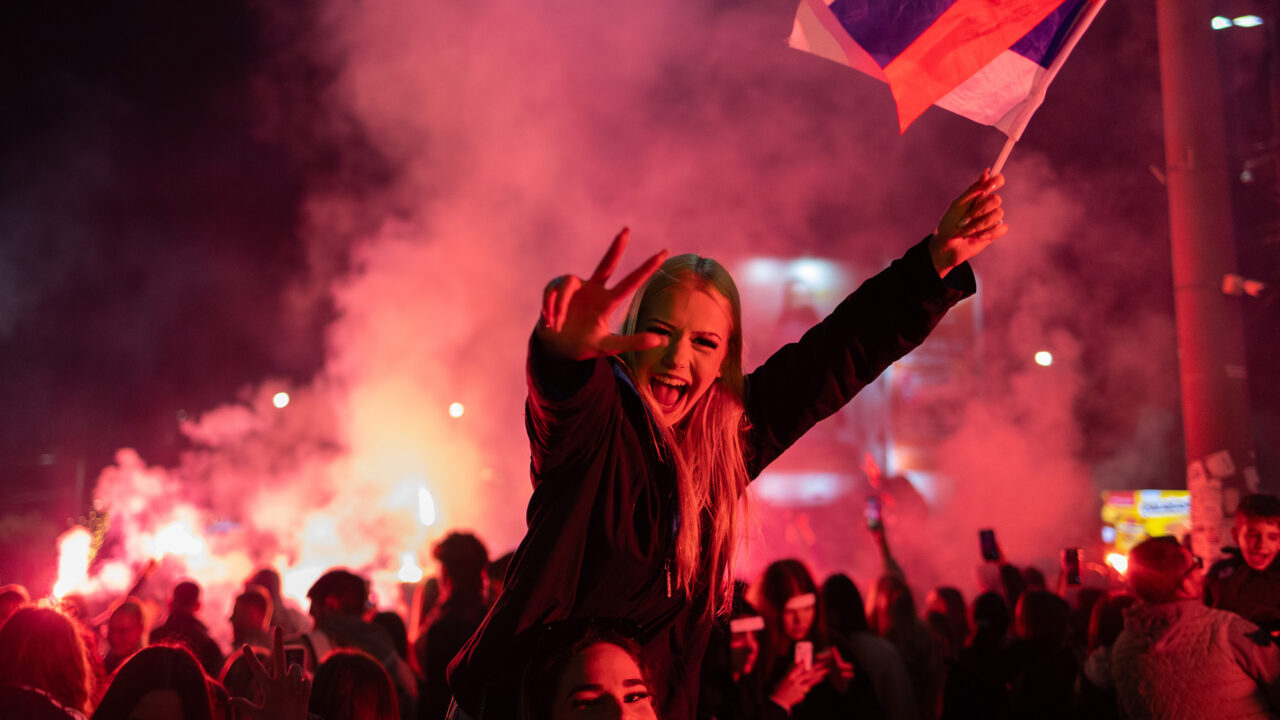
Student movement wins elections in Serbia: how did they come about?
Gepubliceerd op:-
Politics
-
-

Why these scientists are keen to work with the Ministry of Defence
Gepubliceerd op:-
Science
-
-
D66 in particular must tread carefully in debate on the OCW budget
Gepubliceerd op:-
Politics
-

Comments
Comments are closed.
Ad
Read more in Research
-
How investment treaties undermine the voices of local communities
Gepubliceerd op:-
The PhD Defence
-
-
Why it is hard to find a connection between the psychiatric illness and the brain
Gepubliceerd op:-
The PhD Defence
-
-
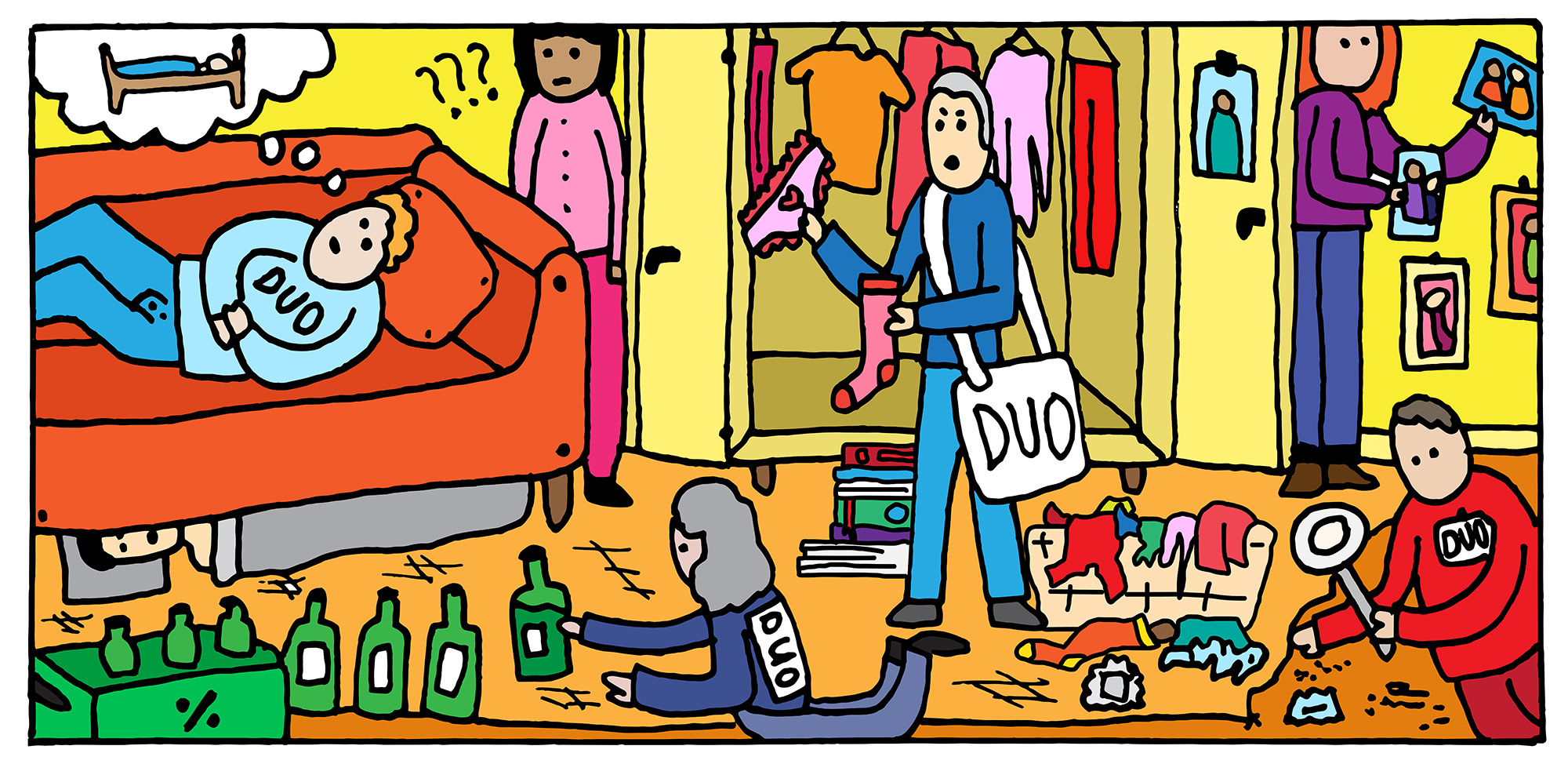
Investigation into DUO fraud hunt nominated for ‘Loep’
Gepubliceerd op:-
Research
-