Ad

Random sentences published as papers
Two publishers have had to withdraw more than 120 scientific publications. They appeared to have been written by computers.
The fake papers were discovered by computer analyst Cyril Labbé, writes Nature. The paper appear in more than thirty so-called ‘conference proceedings’. Sixteen ‘articles’ appeared in publications by the German publication company Springer; a hundred were published by the American Institute of Electrical and Electronic Engineers.
Random sentences
The publications were ‘written’ by the software program SCIgen, which pastes random sentences together which have nothing to do with each other. The program was developed in 2005 by researchers from the American university MIT. They wanted to prove how simple it is to submit complete nonsense to conferences. The program can be downloaded for free.
Yes, peer review
Publisher Springer has pointed out that the articles are subjected to peer review, ‘making it more mystifying that the papers were accepted’, according to Nature. The other publisher would not want to say whether the papers have been proofed by fellow scientists. ‘Conference proceedings’ in general are of smaller gravity than journals.
The most of the papers which were created by computers were sent to conferences in China. It is as of yet unclear why the papers were submitted and whether the authors knew about it. HOP
Latest news
-

EM TV newsflash: Shorter waiting time for medical interns, lively trade in graduation tickets and purchasing power increase
Gepubliceerd op:Article type: Video-
EM TV
-
-
In memoriam Rob van der Wal
Gepubliceerd op:-
In memoriam
-
-
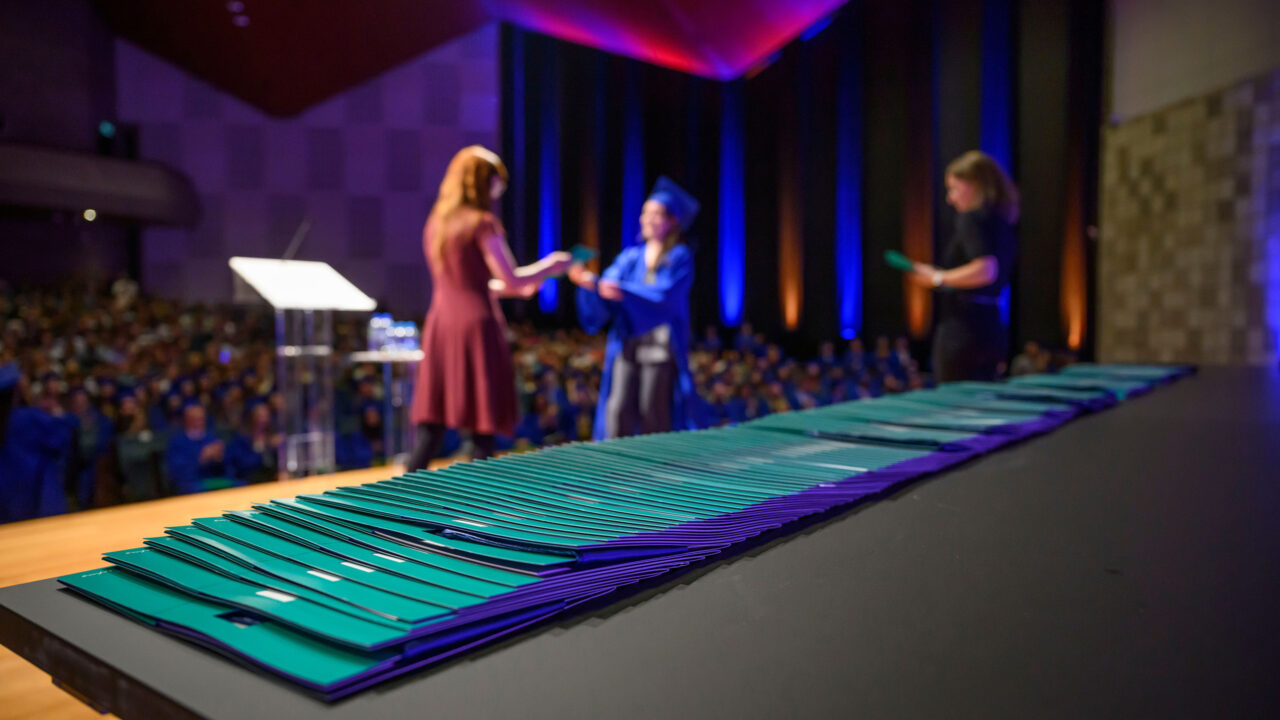
Lively trade in tickets for graduation ceremony: ‘Excessive prices are undesirable’
Gepubliceerd op:-
Student life
-

Comments
Comments are closed.
Ad
Read more in Internationalisation
-
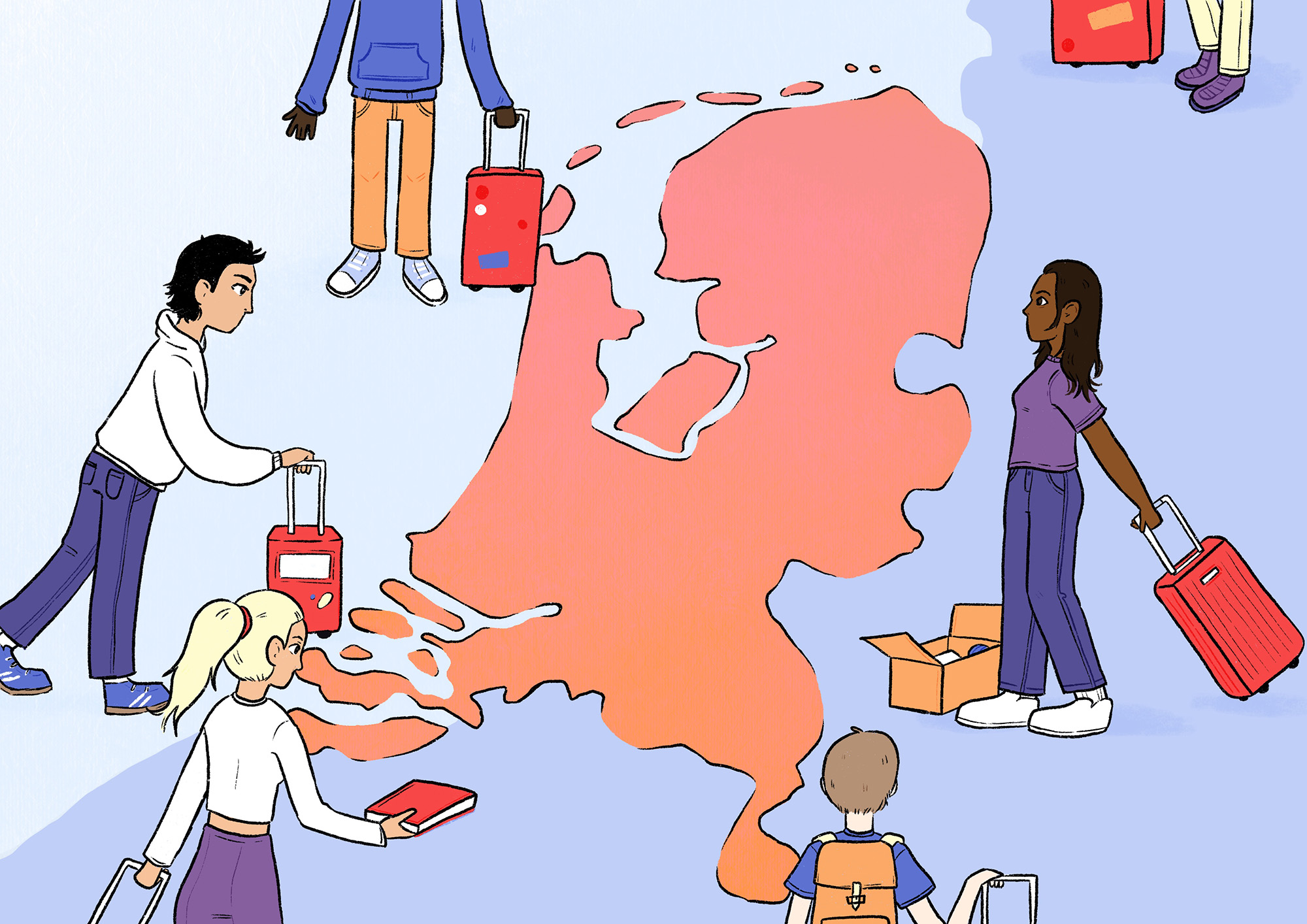
CPB: international students bring money into the Netherlands
Gepubliceerd op:-
Internationalisation
-
-
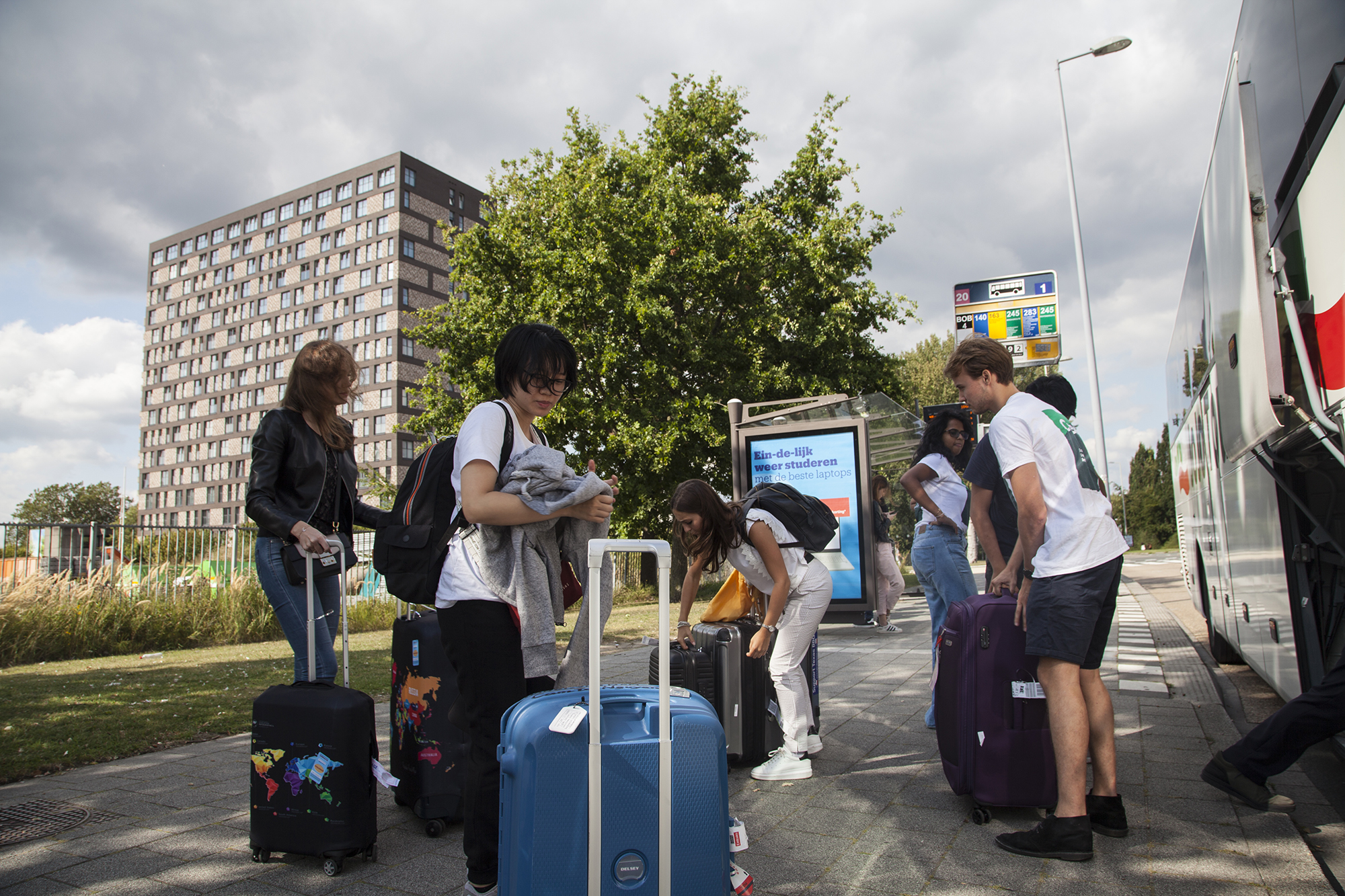
International students come to the Netherlands because life is good here and everything can be in English
Gepubliceerd op:-
Internationalisation
-
-
More than 1,500 euros extra in tuition fees for non-European students: U-council wants to limit increases
Gepubliceerd op:-
Internationalisation
-
Money
-