Ad

‘The brain’s complexity makes my research a challenge’
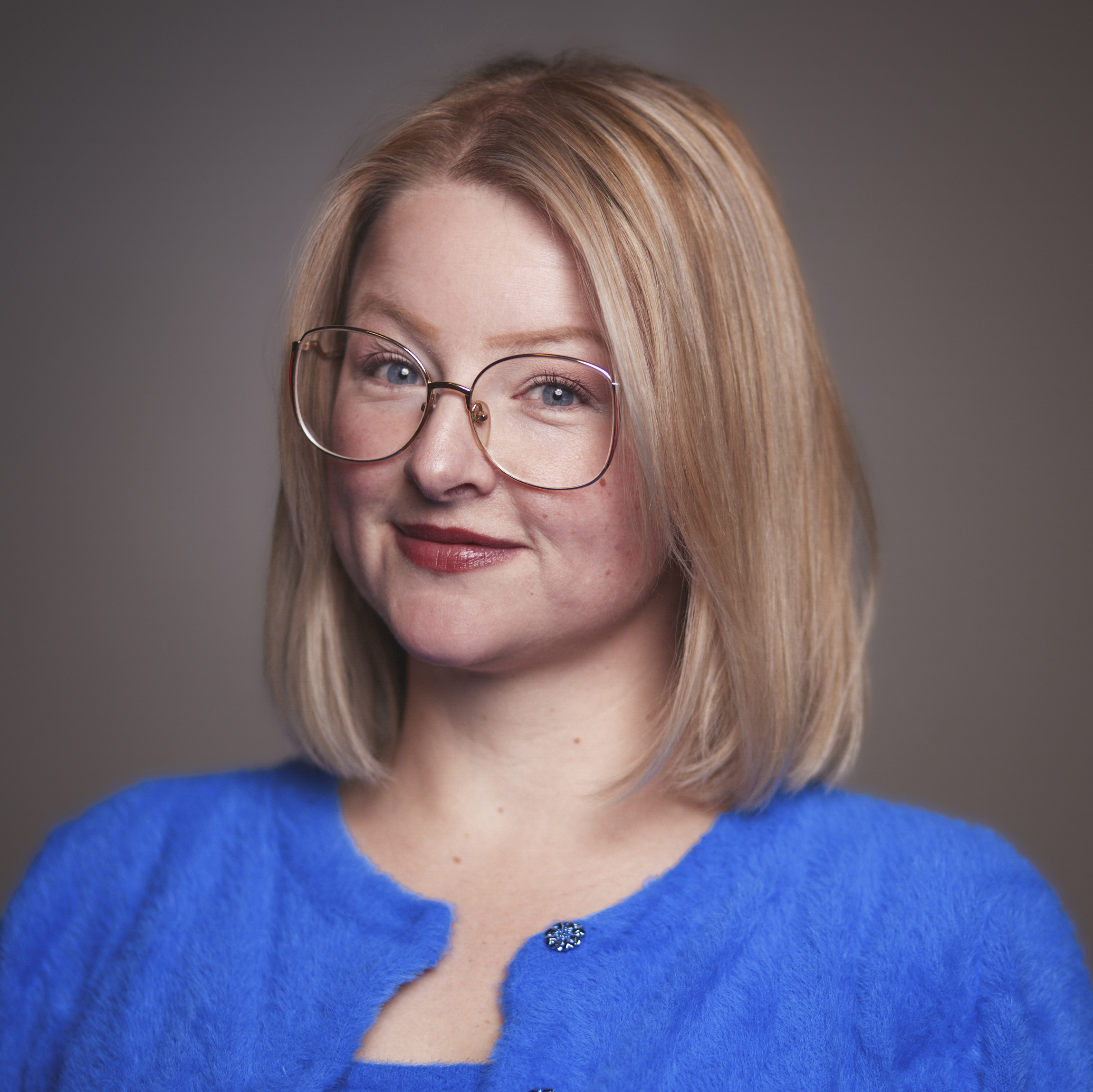
New-born children who end up in intensive care may have a bigger chance of developing attention disorders and memory problems when they are older. Raisa Schiller recently obtained her doctorate cum laude for her research titled The Vulnerable Brain, neurodevelopment after neonatal critical illness.
You’re at a birthday party; how would you describe your research and your findings?
“New-born babies who end up in the intensive care unit survive more often due to continuous improvements in medical care. But what happens to these children later? Brain development is extremely rapid at this early stage of their lives. So being sick during this stage would very likely have an effect on the brain development of these children. But we had no idea how the brain was affected. My research showed that 60 percent of these children have attention disorders or problems with memory at a later age, in spite of having a normal or even a high IQ. This has a detrimental effect on their progress in school.
“These problems appear to be caused primarily by specific damage to the hippocampus and the underlying brain structures. The hippocampus is at the centre of the brain’s memory function. Parents regularly visit the outpatient clinic with complaints about problems at school they can’t explain: children who are unable to remember playdates with friends, forget their homework, and can’t remember what they ate the day before. Now we know the cause of these complaints.”
How will your dissertation make the world a better place?
“For a long time the medical team’s attitude was: ‘The child survived. Great!’ End of story. My research means we can tell parents and children what to expect after treatment in the intensive care unit. Instead of parents blaming teachers for problems at school or for the child’s attitude, they now have a better understanding of the root of the problem, and the children can get the help they need. The findings of my research are also useful for us as care providers. The next step is to recognise the problems at an earlier stage and ideally, prevent them from occurring.”
What is your next step?
“I’m going to continue my research as a post-doctoral researcher with the Erasmus MC – Sophia Children’s Hospital’s Intensive Care unit. Over the past few years I’ve focused on the long term and now I want to study how we can identify the problems these children have at an earlier stage. I’m going to combine that with clinical work as a neuropsychologist, because working with patients continues to be my passion.”
Of the people your name in your acknowledgements, who turned out to be more important than you initially thought?
“My promotor, Professor Dick Tibboel, head of the Children’s Intensive Care department. Despite us having very different backgrounds, his vision and passion for the research helped me immensely. In fact, the collaboration between different specialisations improved the research. You then automatically approach a problem from different perspectives. I’m grateful I had the opportunity to use that in my research over the past four years.”
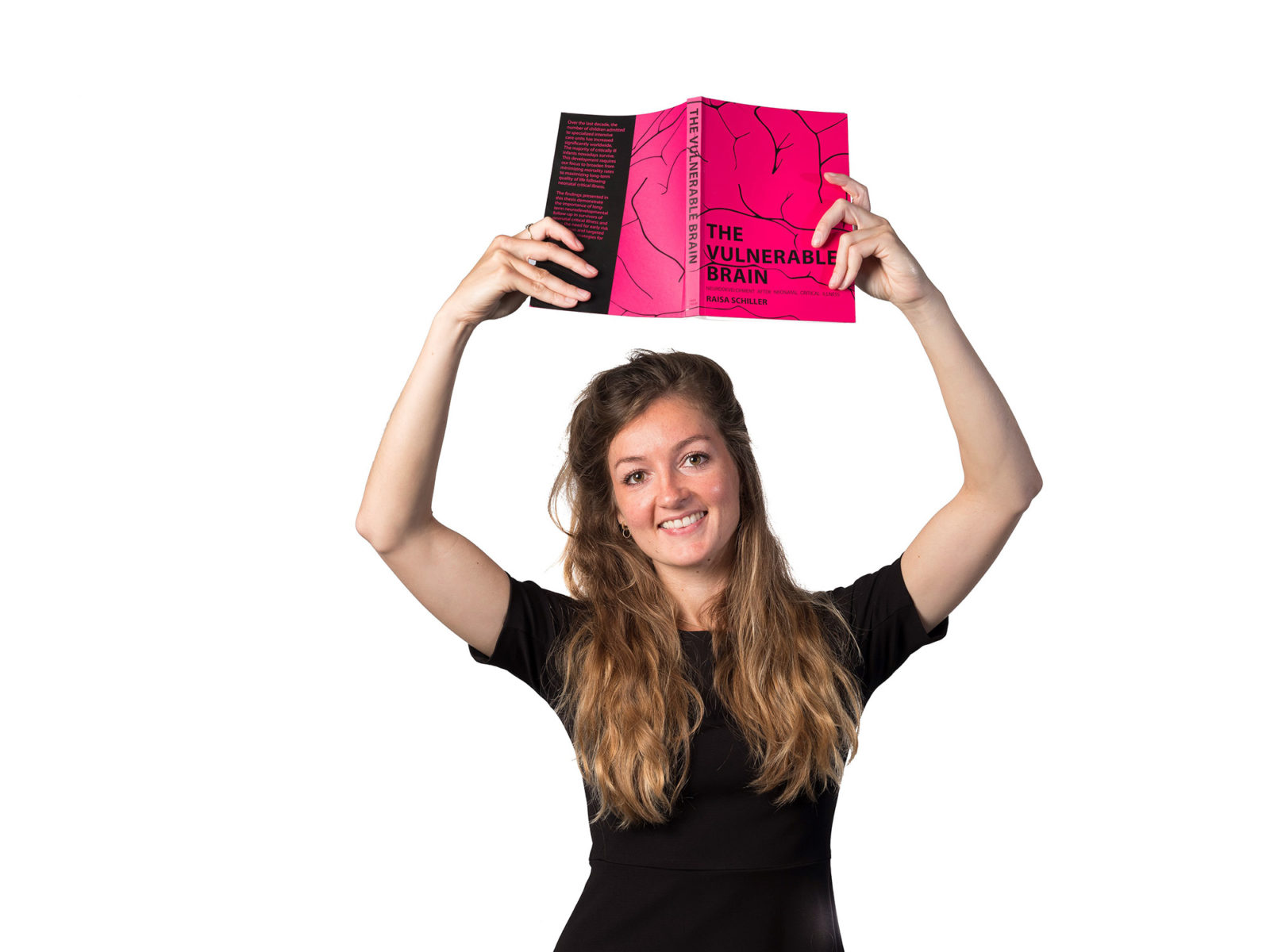
The cover.
“My younger brother designed it. He’s a designer, and although he actually designs bicycles, I really wanted him to be the one to do the cover. He has a good eye for aesthetics and he’s very creative. On the cover you see a rather abstract depiction of a brain. In reality the brain itself is also abstract and complex. We know so little about it and that’s what makes research in this field such a challenge!”
De redactie
-
 Tessa Hofland
Editor
Latest news
-
Desperate medical students are offering each other money to start their internships earlier
Gepubliceerd op:-
Education
-
-
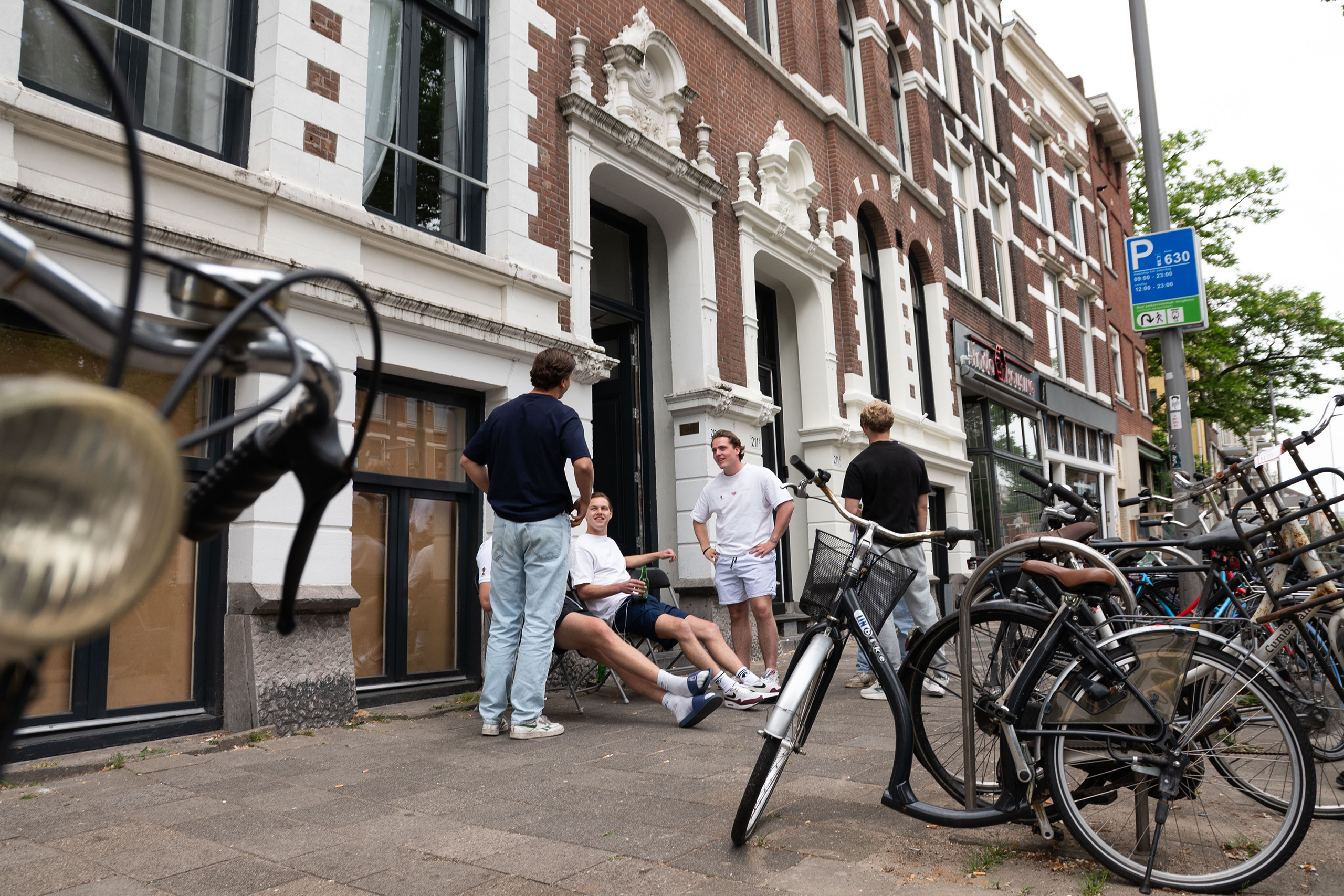
Still a shortage of 20,000 student homes
Gepubliceerd op:-
Housing
-
-
‘With gadgets like Meta Glasses, we pay to be surveilled’
Gepubliceerd op:-
The Issue
-
Comments
Comments are closed.
Ad
Read more in The PhD Defence
-
How investment treaties undermine the voices of local communities
Gepubliceerd op:-
The PhD Defence
-
-
Why it is hard to find a connection between the psychiatric illness and the brain
Gepubliceerd op:-
The PhD Defence
-
-
Dogs bring people with epilepsy their medicine when they can’t do it themselves
Gepubliceerd op:-
The PhD Defence
-