Ad

Open letter: students are not ‘overburdening’ education, they are being overburdened

According to Minister Letschert, universities of applied sciences and research universities are sometimes being ‘overburdened’ by students with problems. Student organisations take a different view: “Those problems are partly rooted in education itself.”
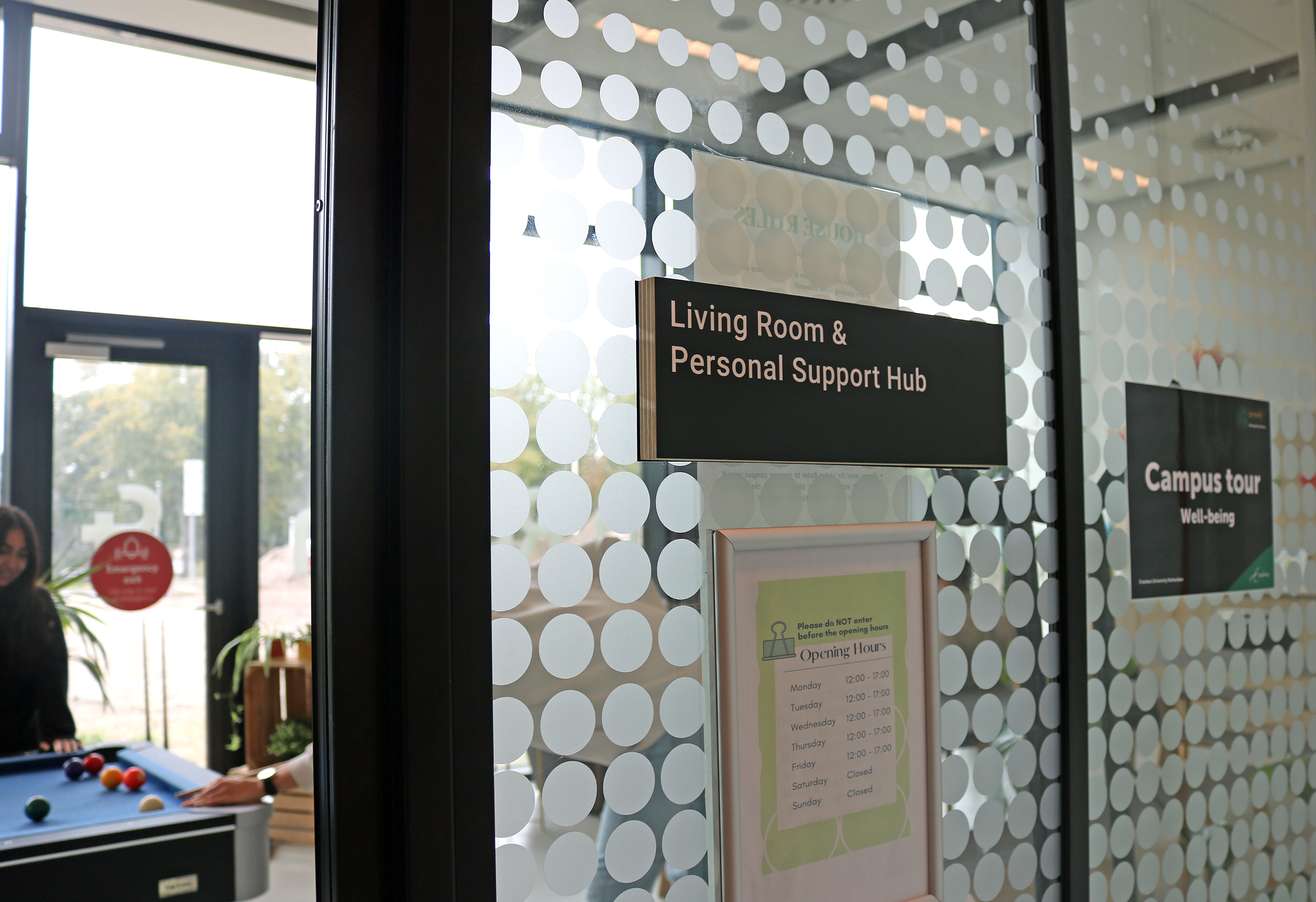
Students in the Living Room.
Image by: Esther Dijkstra
The mental wellbeing of young people is under pressure. Since the COVID-19 pandemic, the situation has improved slightly, but more than 80 per cent of students still experience feelings of anxiety or depression at times, according to research published in November. What role does education play in this?
In a letter to the House of Representatives a few weeks ago, Minister Letschert wrote that a “different perspective” on student wellbeing is needed, because the individual, care-focused approach is “overburdening” education. According to her, education must sometimes also be willing to say ‘no’ to students. In doing so, she aligns herself with advice from the Education Council.
However, according to the National Student Union, politicians should also take a critical look at education itself. Together with the student organisation ISO and the secondary school pupil council LAKS, the union has sent an open letter to the minister. Among other things, they are calling for the abolition of the binding study advice.
“There are structural problems in education and society that young people are paying the price for”, says Maaike Krom, chair of the LSVb. “That has nothing to do with resilience, but with the priorities of politics.”
The minister argues that universities and universities of applied sciences should focus on education and cannot take over the role of psychologists.
“We agree with that. Educational institutions should not be responsible for students’ mental wellbeing; that is not their expertise. But that does not mean they should step back. After all, students’ problems are partly rooted in education itself.”
What should change then?
“We have been saying for years that the binding study advice creates too much performance pressure, while it is not an effective tool. Education should be about learning and personal development, but that is sometimes obscured by a maze of grades. The minister leaves it to institutions themselves, but this is a structural problem. If research now shows clearly that the binding study advice does not work, then political steps need to be taken.”
Krom refers to a large-scale study which found that half of the students who were excluded would ultimately have completed their degree successfully. Zuyd University of Applied Sciences also recently published a critical report. In particular, male students would be disadvantaged by the binding study advice. However, universities still see benefits in it: it is said to act as a deterrent.
Meanwhile, the House of Representatives wants the minister to discuss the matter with institutions.
“That is a good start, but it cannot stop at a conversation. It is part of a broader problem, namely the performance pressure among young people. The best measure that can be taken now is to abolish the binding study advice.”
You also call for a permanent place for wellbeing in the curriculum.
“There are already good examples at some institutions, such as mentoring groups in which senior students help first-years find their way. But it would also be good to include more substantive courses on wellbeing. The problem is that many of these kinds of activities are extracurricular, which means you do not always reach the students who would benefit from them.”
“There is also a role for the ministry here. What we would most like to see is the ministry setting a minimum standard: you must at least have this and that in place when it comes to student wellbeing.”
Shouldn’t some level of challenge and academic pressure be part of studying?
“We are not saying that there should be no challenge at all in education, but the pressure is simply too high at the moment. There is currently one standard, and anyone who deviates from it has to go through a complicated process to get an exception. That is a system problem and requires a system solution.”
Read more
-
With short film ‘Tuinhuis’, Finn van den IJssel advocates for more care for one another
Gepubliceerd op:-
Campus
-
Mental health
-
De redactie
Comments
Comments are closed.
Ad
Read more in Education
-
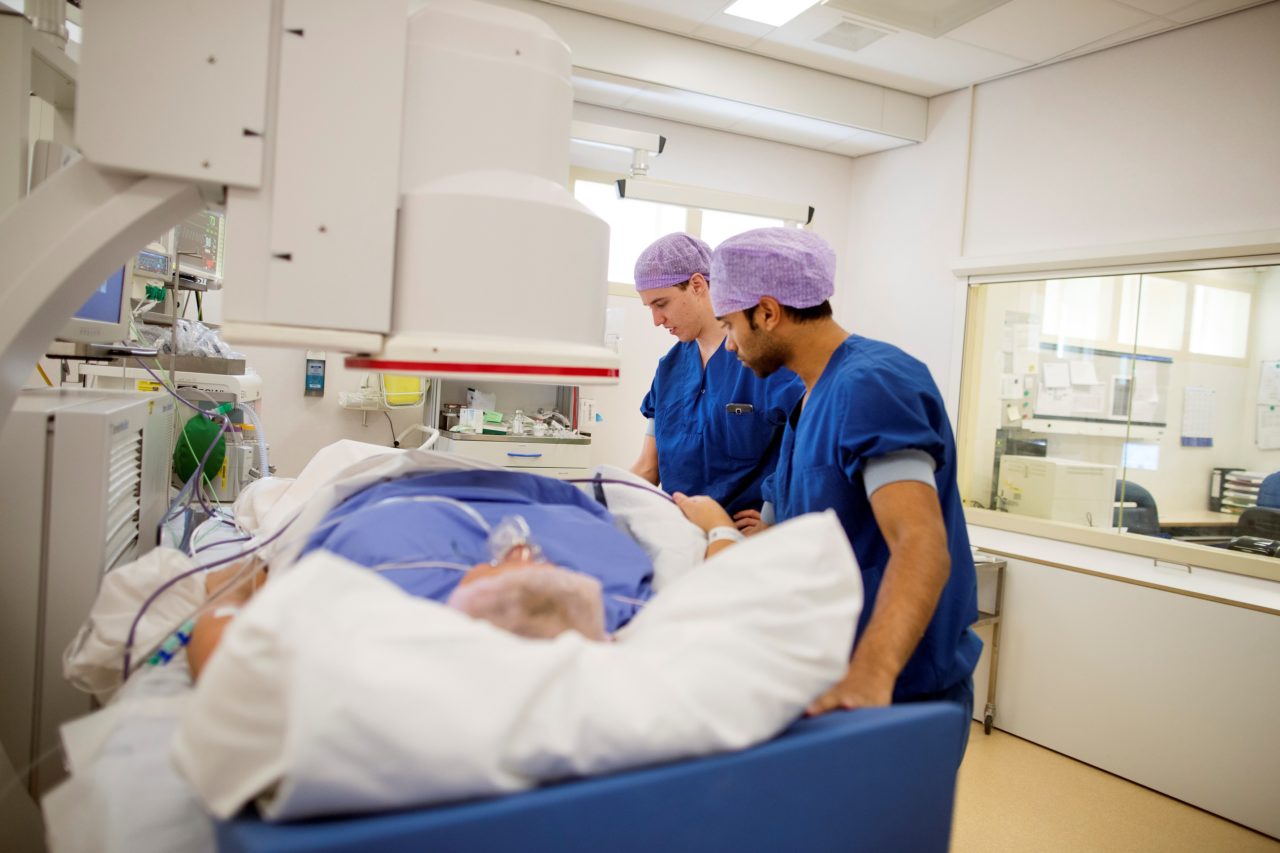
Solution for students who have to wait more than 50 weeks for medical internships
Gepubliceerd op:-
Education
-
-

National budget: extra money education and research, no unexpected cuts
Gepubliceerd op:-
Education
-
Politics
-
-
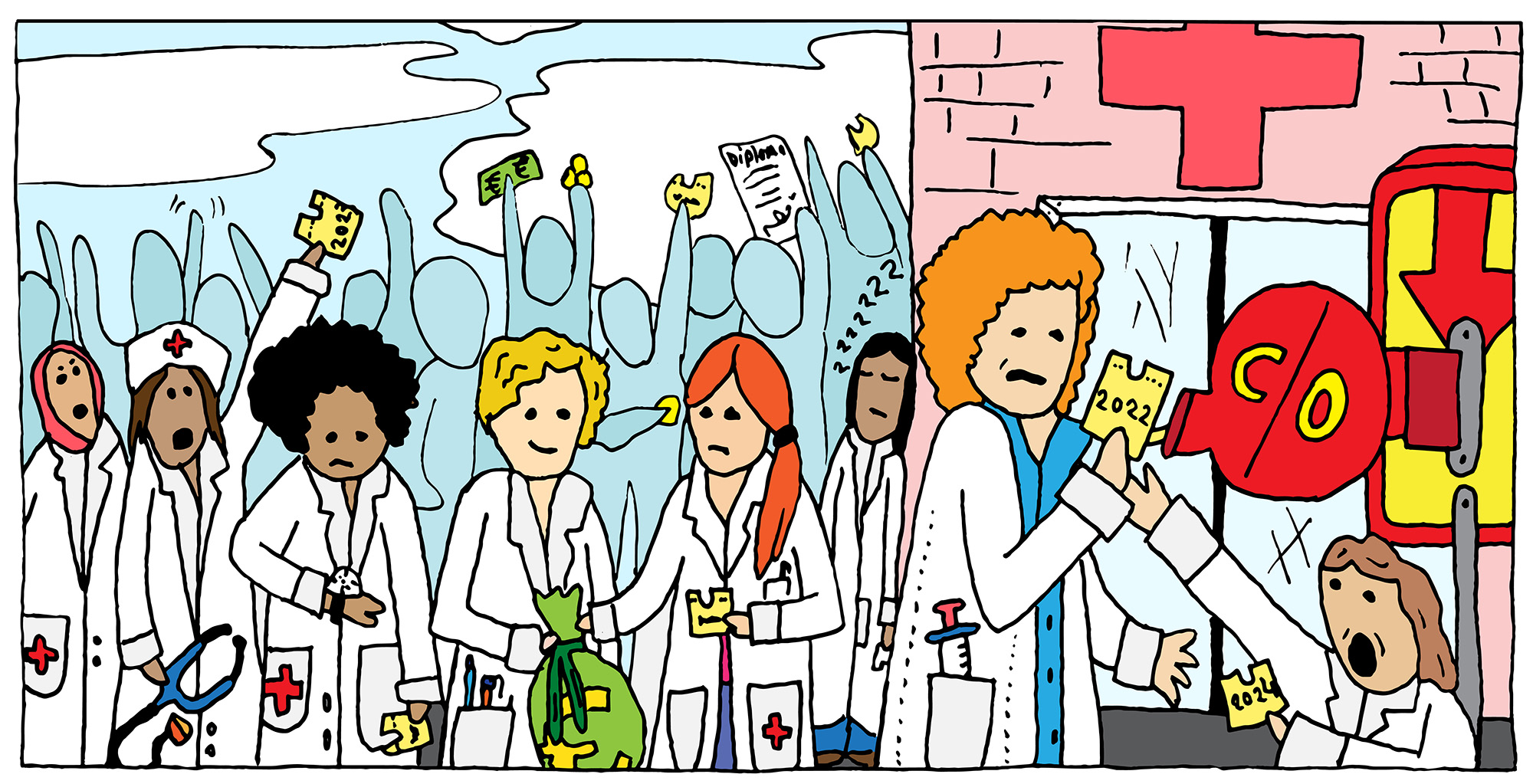
Long waiting times for medical internships also affect other cities
Gepubliceerd op:-
Education
-