Ad

How a thousand women recognised a pattern that science did not see
Why do women suffer heart attacks later in life than men? When existing research into hormone therapy failed to provide answers, physician Jeanine Roeters van Lennep decided to investigate the role of hormonal fluctuations during the menstrual cycle. Despite resistance, she found the answer.
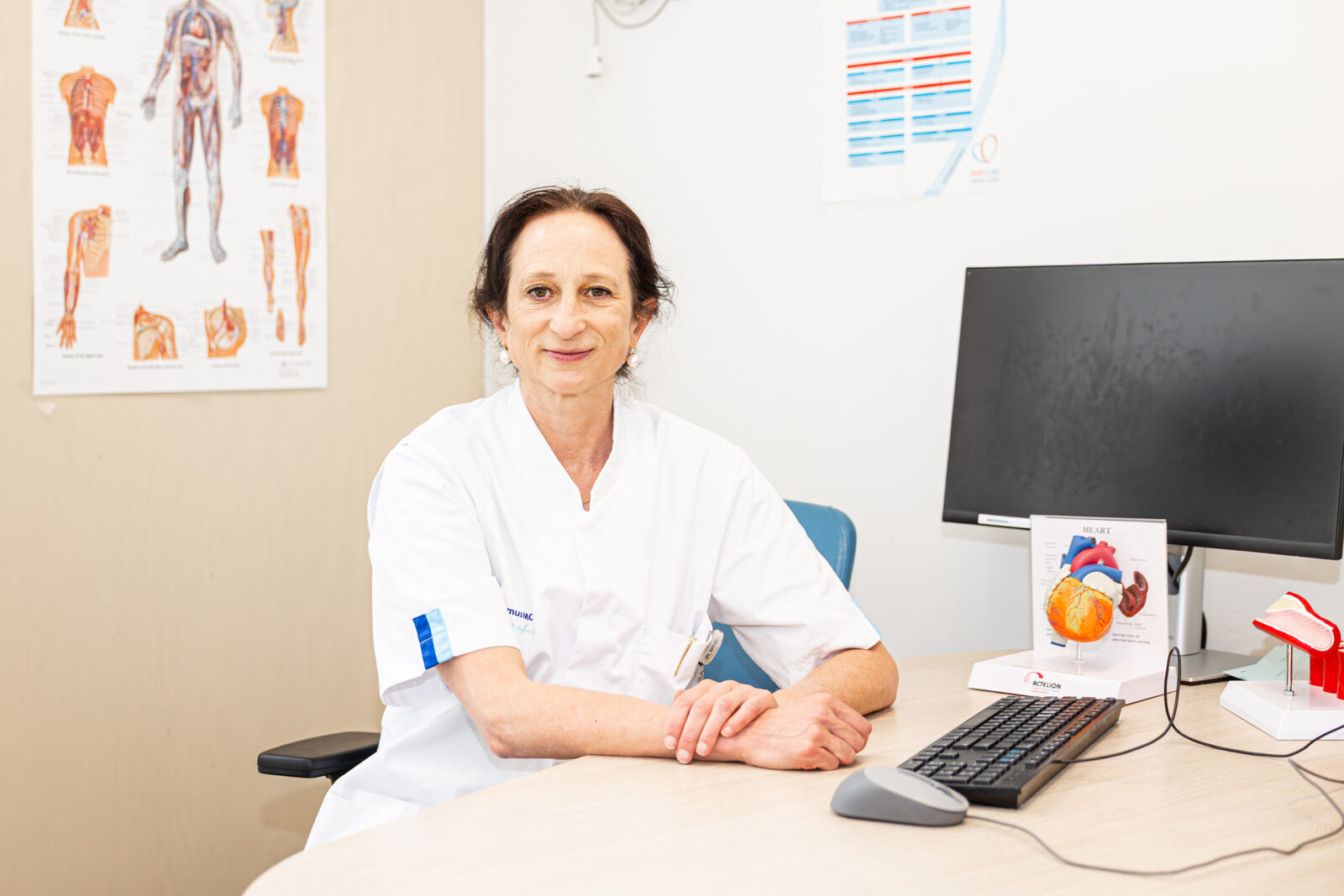
Image by: Pien Düthmann
De redactie
-
 Manon Dillen
Editor
The wonder
“Perhaps I am a somewhat atypical doctor, because I actually find prevention more interesting than treatment. That is what draws me to my field. Cardiovascular disease develops over decades. If you know in time who is at risk, you can prevent a great deal.
“During my student years, I became interested in sex differences in healthcare. My father, who was a cardiologist, had read a study showing that women with cardiovascular disease were treated less effectively than men. He wondered whether that was also the case in his own practice. I helped him analyse the data. Ever since, I have been fascinated by how complex these sex differences are. Sometimes they are biological, while at other times they are related to behaviour or social roles. It sits exactly at the intersection of social and biological factors.”
Jeanine Roeters van Lennep is a vascular medicine physician and professor of Cardiovascular prevention with a focus on sex-specific factors. Her research examines differences between women and men in cardiovascular disease, with a focus on the life course, menstruation, pregnancy and menopause.
The eureka moment
“On average, women develop cardiovascular disease later in life than men. The prevailing hypothesis was that this is because female hormones, particularly oestrogens, protect against cardiovascular disease. After menopause, those hormone levels drop sharply and the risk increases. Studies were conducted into hormone therapy after menopause, but placebo-controlled research showed that it did not work at all.
“I found that strange. When I looked more closely at those studies, I noticed that the women were on average 67 years old, meaning they were already around fifteen years past menopause. Moreover, they were given hormones derived from mares rather than hormones naturally produced by the human body. The wrong women, the wrong hormones, the wrong timing.
“And then I had an insight, which really felt like a eureka moment: we need to look at the menstrual cycle itself! Every month we experience hormonal fluctuations. They are not enormous, but they are large enough to reveal differences if oestrogens really do protect against cardiovascular disease.”
The research
“I kept running into obstacles when applying for grants. As soon as the topic involved menstruation and cardiovascular disease, reviewers considered it too far-fetched. The disciplines operate in silos: menstruation belongs to gynaecology, not the cardiovascular field.
“In a preliminary study, I put out a call asking whether women experienced chest pain or palpitations more often during menstruation. More than a thousand women recognised that pattern! Yet my application was rejected again because it was supposedly not innovative enough. I was really furious.
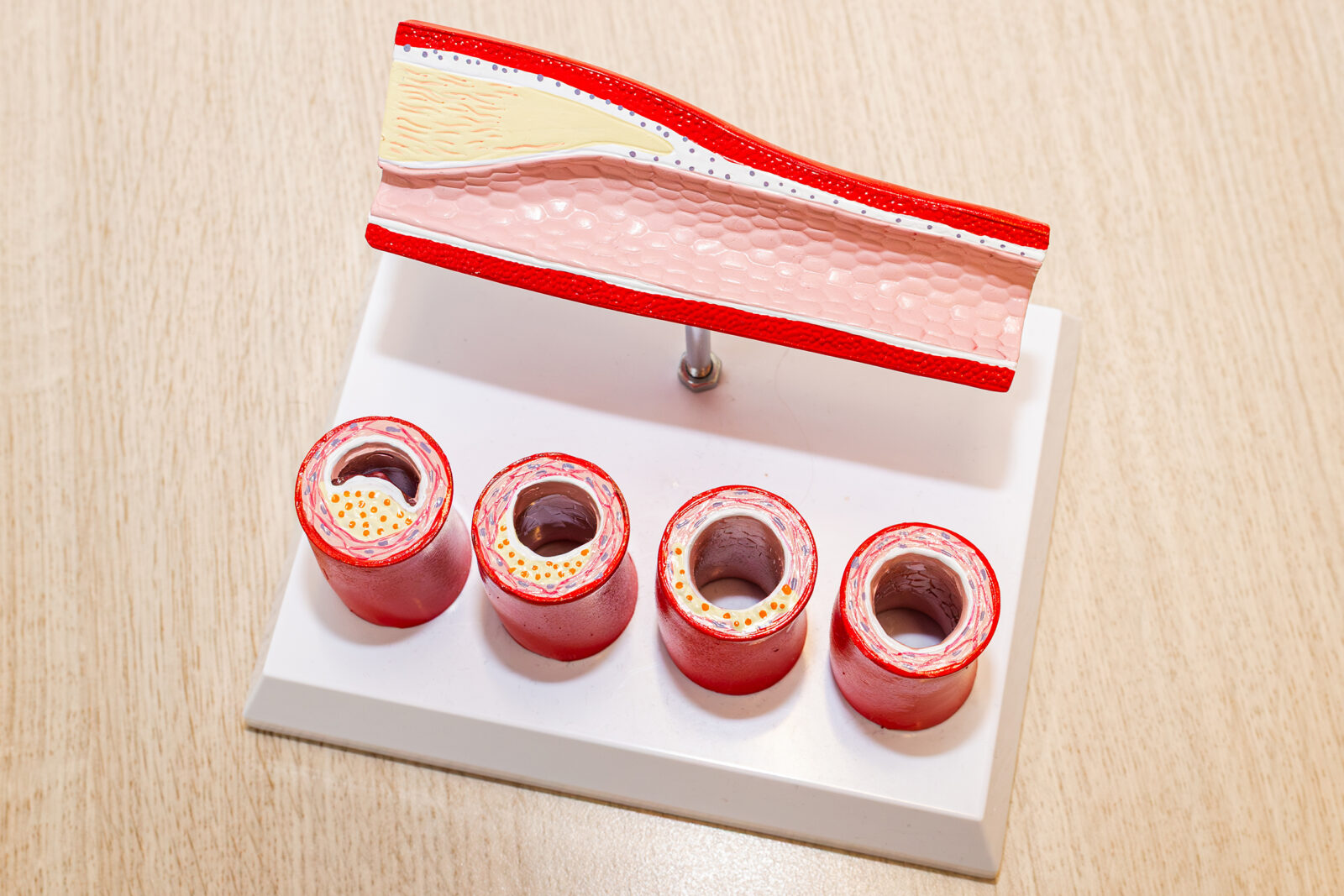
Image by: Pien Düthmann
“On my final attempt, I was awarded an innovation grant, but only on the condition that I raised 25,000 euros myself within two and a half months. I thought: I need to go directly to the women themselves. They are the ones who currently reach a dead end in healthcare because their GP cannot find anything about it in the literature, so they will understand the importance of further research. Through the Dutch Heart Foundation, I launched a crowdfunding campaign. In the end, I raised more than 42,000 euros.
“I collected case reports and asked women to keep diaries tracking symptoms such as chest pain and palpitations throughout their cycle. A clear relationship emerged. A cardiologist from a cardiac rehabilitation clinic also helped. We called women who had suffered a heart attack and asked whether they still remembered where they were in their cycle at the time of the event. That confirmed my hypothesis. Heart attacks occur more frequently at the beginning of the cycle, when oestrogen levels are low.”
The aftermath
“Apparently, scientific evidence alone is not enough to convince clinicians to put this knowledge into practice. In emergency departments or during diagnostic examinations, women are never asked where they are in their menstrual cycle. That is why I am now also trying to promote better implementation. For example, at Erasmus MC we have set up a special clinic for women who have experienced pre-eclampsia, because they face a higher risk of cardiovascular disease later in life.
“I am now also working on a major research consortium focused on menopause and cardiovascular health. On a small scale, I have demonstrated that naturally occurring oestrogens provide protection, but we still do not know exactly how. That remains something of a cliffhanger, and it is what I will continue to investigate.”
Een lijst met artikelen
-

How seals adapt their language to one another, and what that tells us about humans
Gepubliceerd op:-
Eureka!
-
Comments
Comments are closed.
Ad
Read more in Eureka!
-
Why Philip Hans Franses had students look in wallets at a DIY store
Gepubliceerd op:-
Eureka!
-
-
Did your parents know what your sex life was like when you were eighteen?
Gepubliceerd op:-
Eureka!
-
-
How seals adapt their language to one another, and what that tells us about humans
Gepubliceerd op:-
Eureka!
-