Ad

Clashing freedoms keep journalists and academics sharp
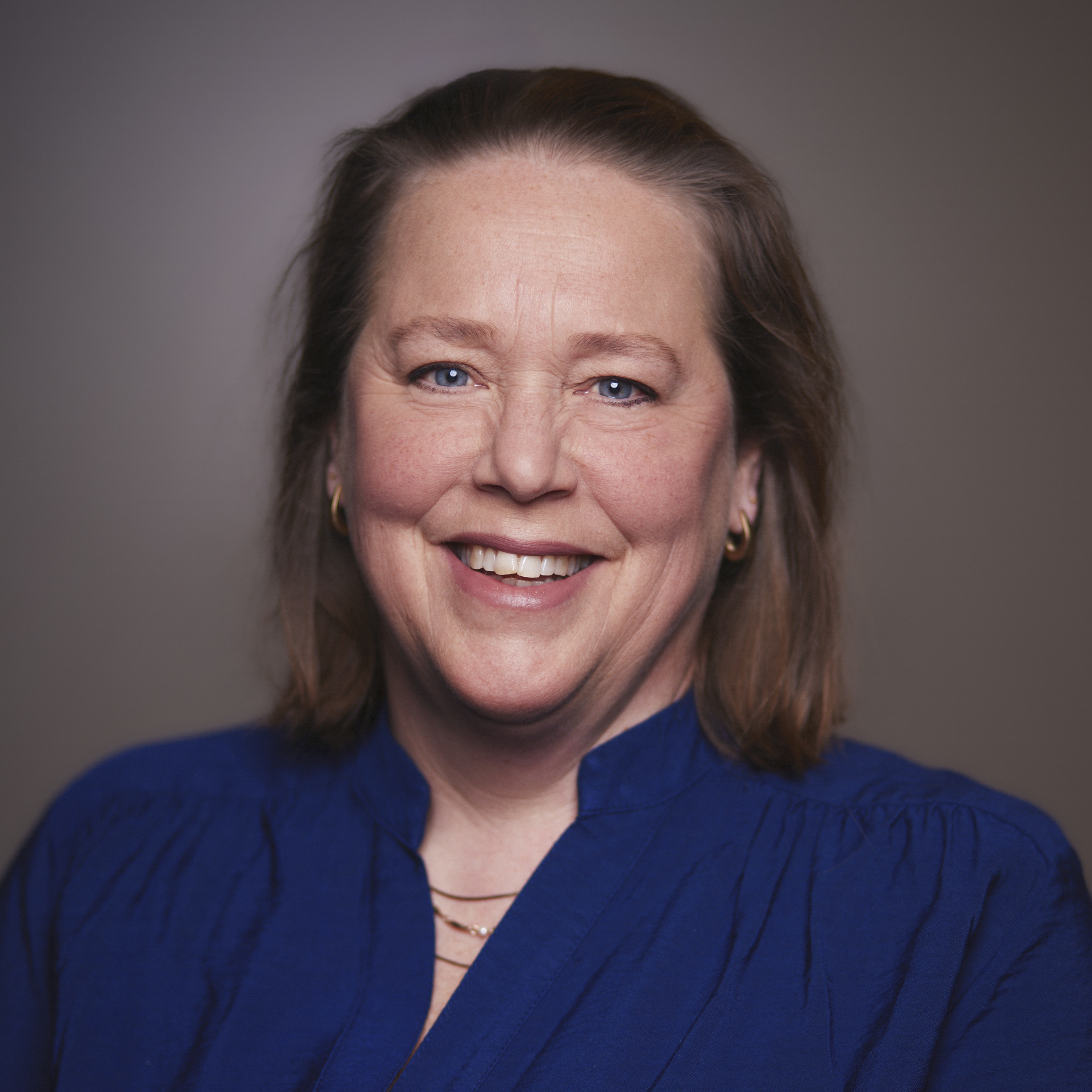
The three dialogues on academic freedom at the university made editor-in-chief Wieneke Gunneweg think about the freedom journalists need to do their work. And she concluded that press freedom and academic freedom actually share the same core, but have a different outer layer. And that sometimes clashes.
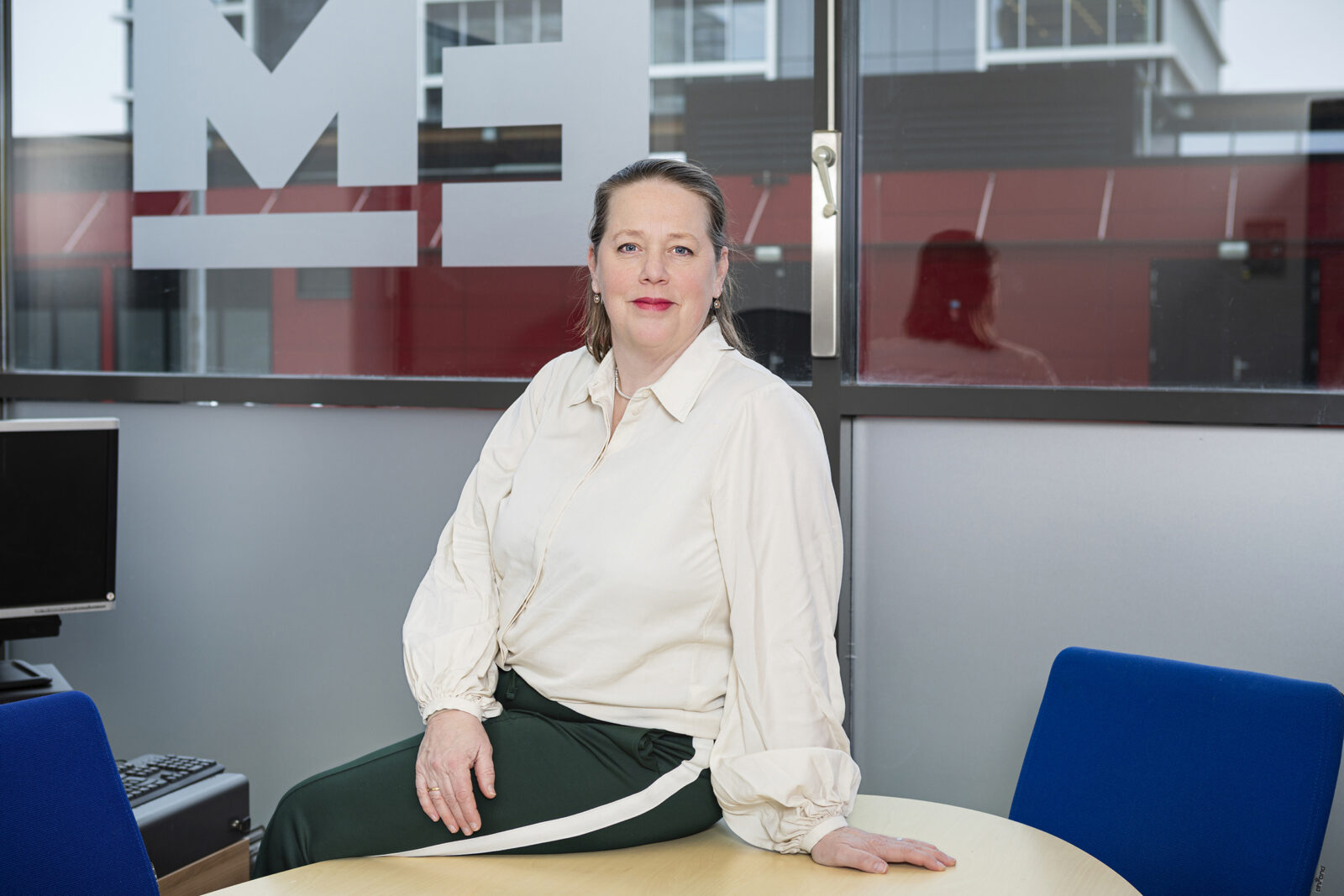
Image by: Geisje van der Linden
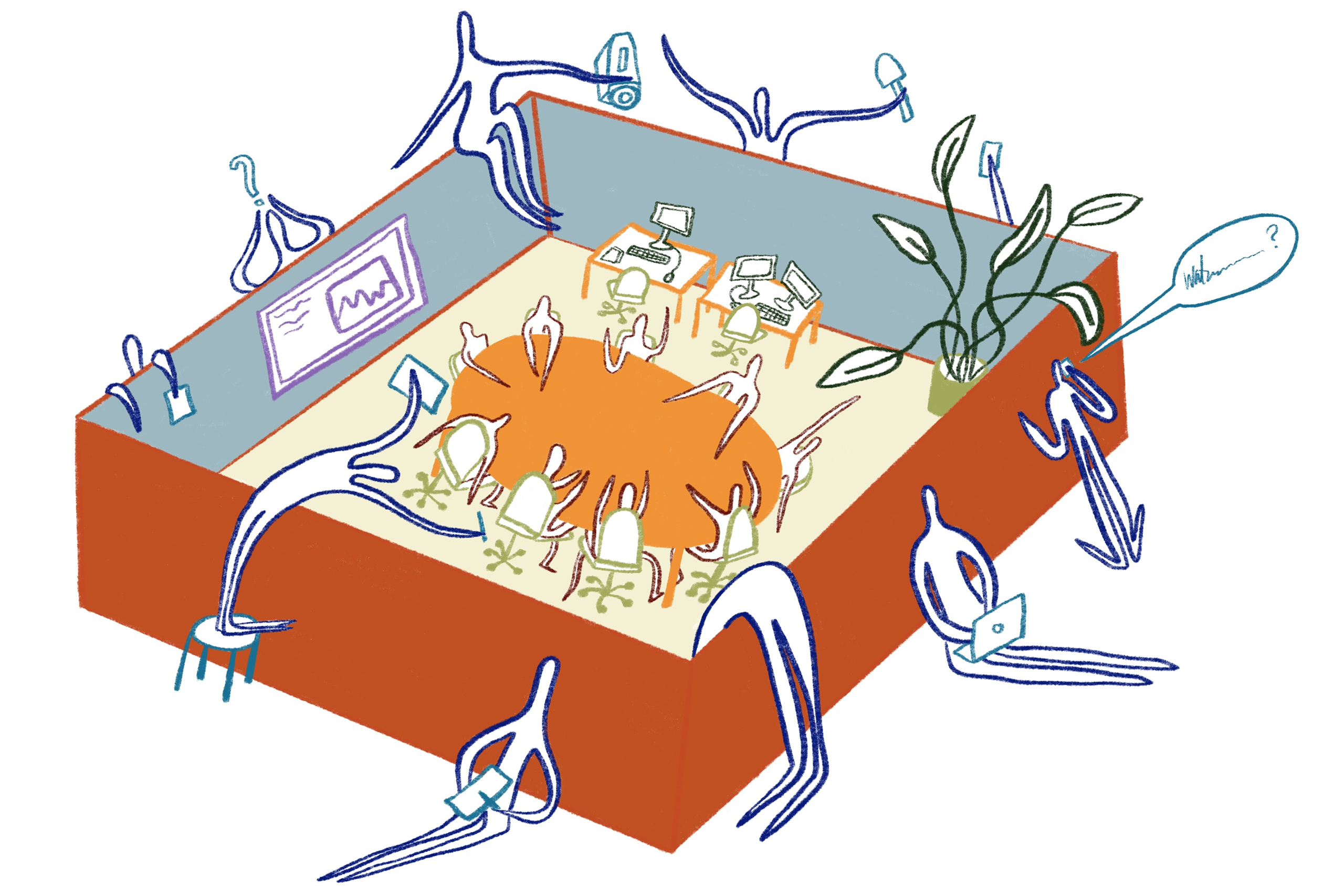
In recent weeks, EM editors attended the three dialogues on different aspects of academic freedom at the university. The last dialogue, which I attended myself, was about academic freedom in the public domain. This also meant: how do you, as a scholar, deal with the media? To my ears, that always sounds somewhat ominous, as if the question is how do you protect sheep from the advancing wolf? Whereas, in my view, there are more overlaps and similarities between press freedom and academic freedom than between a predator and a herbivore.
The same goal
At their core, academic freedom and press freedom serve the same goal: the search for truth, bringing facts to light and providing an interpretation of the world around us, without being obstructed or influenced by political or economic motives.
Yet this similarity is not always easy for everyone to digest. In a heated debate I once had with a communications manager of one of the faculties, I exclaimed: “But we are on the same side!” She saw it differently at that moment, and felt that an EM article had put ‘her’ scholars in danger. In my view, she did not sufficiently realise that the fools who think they should threaten scholars also harass journalists. Things were never resolved between her and me.
'There are more overlaps and similarities between press freedom and academic freedom than between a predator and a herbivore'
Interim result
There are of course differences as well between the freedom a researcher and a journalist need to do their work. These lie in timing and nuance. The task of the journalist is to bring things to light in a way that is understandable for readers and viewers, at a moment the journalist considers urgent. Scholars, on the other hand, strive for nuance, exactitude and completeness. And that could clash.
In journalism, you report on what is happening around you. People want to know now what’s going on, and you provide an interim result, a picture that’s not always complete. But because you can publish much more quickly, you can also add to this picture rapidly. In this way, people can follow developments over time, in order to be able to do something with the information as informed citizens. Journalists look ahead.
Scholars have the task of being reflective, providing interpretation and finding out why something is happening around us. Then you strive for completeness and it’s often wise to let time pass over the facts in order to be able to sketch the full picture.
Covid medicine
One of our most read articles ever is a report from 13 March 2020 in which a scholar from Erasmus MC stated that he might have the beginning of a remedy against the coronavirus in his hands. A lockdown was looming, everyone was desperately looking for a glimmer of hope and an end to the swelling pandemic. His research was far from complete, but this was news. As a scholar – although not this scholar – you wait until everything has been triple-checked before you publish. As a journalist, you want to bring this news as quickly as possible: it is happening now, people want to know this now.
The fact that there was still a long way to go between an idea and an actual medicine against Covid, we clarified in follow-up reports. Taken together, all these reports provide a picture of the time that you’d never have had if we had waited until the research was completed. It showed that science was working on a solution, and told a story that researchers themselves would never have been able to tell in the same way.
His colleagues were nonetheless not pleased that the researcher had spoken to a journalist already. At the same time, it was this researcher’s academic freedom to talk about his initial findings and the journalist’s freedom to report on them as soon as they became known to him.
Media training
I don’t mind that the two freedoms occasionally collide. As a journalist, it helps me to formulate sharply why what we do is necessary, and at the same time to be careful and do justice to the nuances that scientific results often entail. And I hope that scholars continue to speak out freely and do not allow themselves to be put too much behind the fence of media training. Because they are not sheep, and we are not wolves.
Een lijst met artikelen
De redactie
-
 Wieneke Gunneweg
Editor-in-chief
Comments
Comments are closed.
Ad
Read more in Editorial
-
Sheer nerve
Gepubliceerd op:-
Editorial
-
-
Liminal times
Gepubliceerd op:-
Editorial
-
-
How EM ended up at an awards festival thanks to talent and teamwork
Gepubliceerd op:-
Editorial
-