Ad

How Unilever survived the Second World War

How does a multinational survive a world war when it has companies on all sides of the front? Historian Ben Wubs gained access to Unilever’s vast archives at the Weena in Rotterdam. He discovered that the company had already taken measures before the Nazi invasion in order to keep functioning.
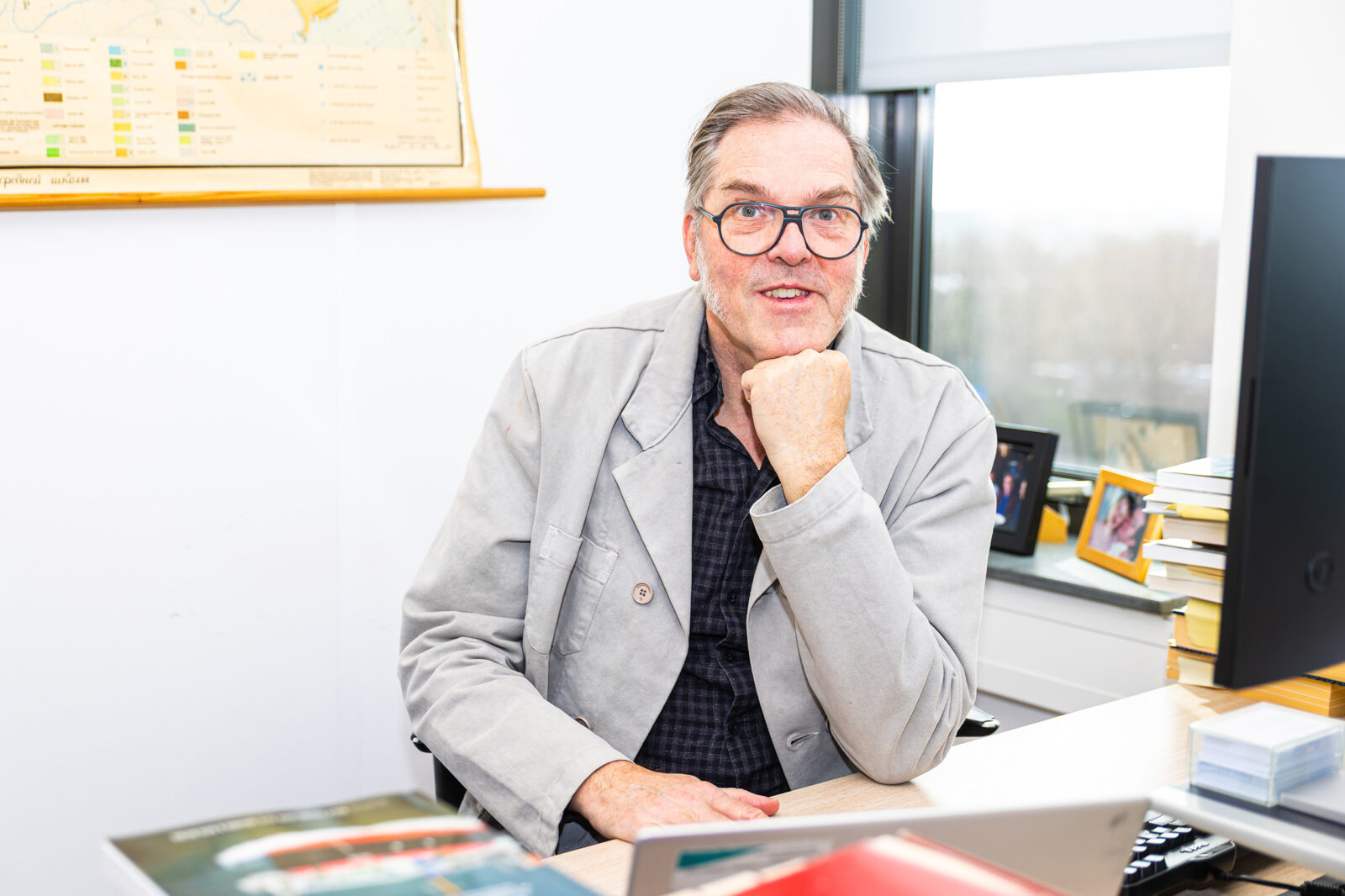
Ben Wubs researches how multinationals operate in geopolitical tensions.
Image by: Pien Düthmann
Eureka! Every scientist contributes a small amount to the sea of knowledge that humanity already possesses. It always starts with wonder, followed by research, discovery and results. In this series, scientists talk about their eureka moments.
The wonder
“I have always had a fondness for seeing how a large company operates. My master’s thesis was about how the State Mines were able to keep functioning during the Second World War. I discovered that the State Mines, and with them the rest of the economy, actually ran at full capacity during the first two years. While many people thought the Dutch economy had completely collapsed when the war began. I find it fascinating that by going through annual reports you can completely shift the picture of a war.
“If you want to shift the picture of a world war, you have to look at what happens at multinationals. For my PhD research I ended up at Unilever, which had Jewish founders. Unilever was extremely shocked that someone wanted to do historical research on the company, but was also curious whether any skeletons from the war years would come out of the cupboard.”
Ben Wubs is professor of International Business History. He researches how multinationals operate in geopolitical tensions and war, with studies on companies such as Shell, Unilever, Akzo-Nobel and Philips, and their role in the international economy. In recent research he focuses on the transnational fashion industry.
The research
“Unilever set up a committee to find out what information existed and to decide whether they would allow me in. After a year I received the green light. I was given access to the archive here in Rotterdam at the Weena. I had not realised that Unilever was one of the largest companies in the world! Just before the Second World War it operated in 43 countries, including Germany, the Netherlands, Great Britain and throughout the British Empire. How does a company survive that the Nazis considered Jewish and that was present on all sides of the front?
“There were 1200 boxes of archive material. The deeper I dug, the bigger it became, and the less I understood how the company was organised.”
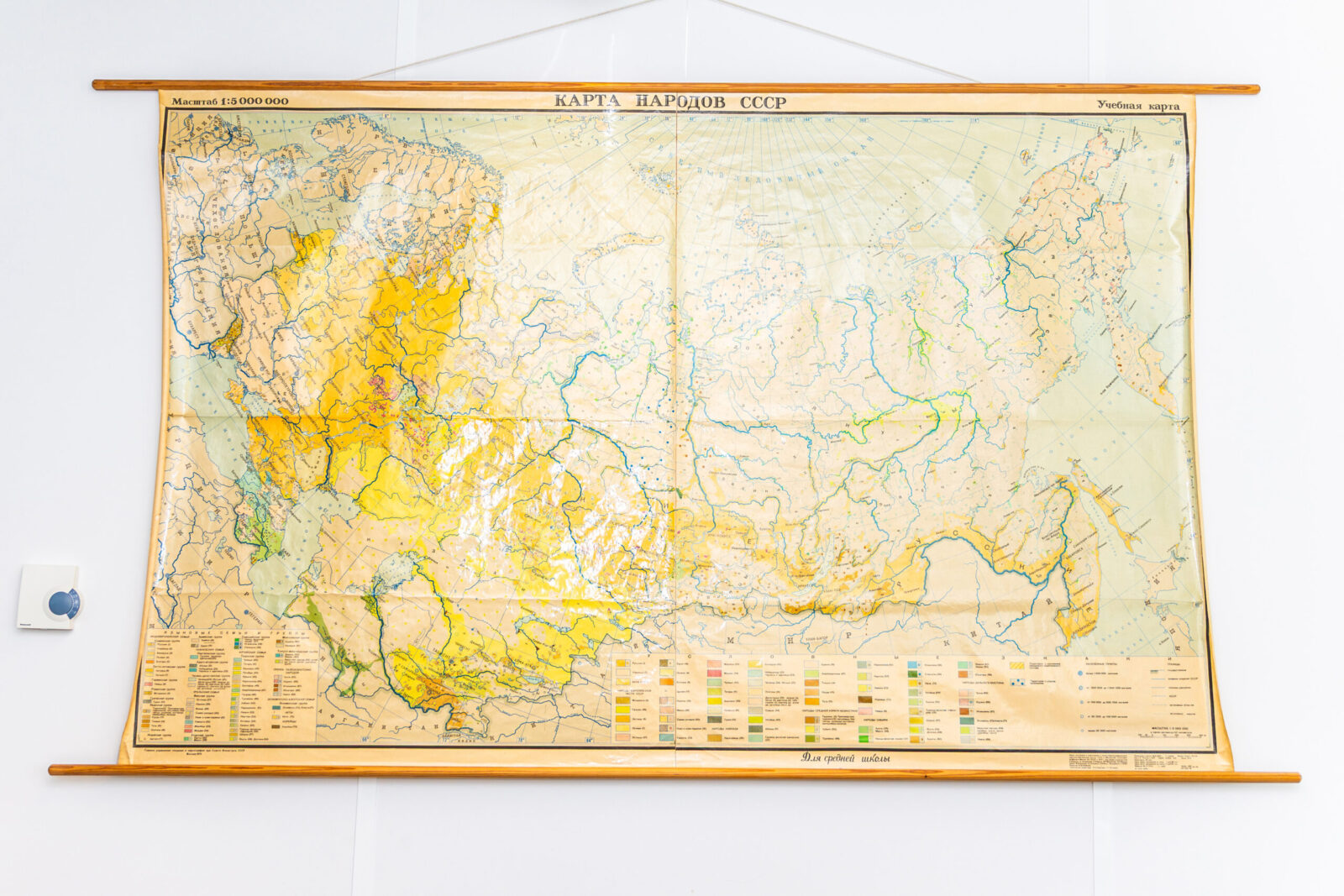
Image by: Pien Düthmann
The eureka moment
“In the Bundesarchiv in Berlin I came across a goldmine. The Nazis themselves had also researched Unilever, because they could not understand how the company, with its many holdings and subsidiaries, was structured. In Germany alone Unilever had 150 companies, and I am talking about large factories. I found all kinds of reports and enormous drawings showing all the organisational and capital structures. You never see something like that in your life! So detailed, so large. Realising that I had found something nobody had ever seen before was truly amazing.
“That discovery helped me navigate the archive in Rotterdam much better. The Nazis considered Unilever so important that in 1941 they appointed a Reich Commissioner solely for the Unilever group. The Nazis had understood that Unilever controlled the oil and fats industry. And suddenly I realised it was about the raw materials.
“Unilever was very well prepared for the war, better than the Dutch government. As a precaution the company was split into two parts, a British and a Dutch section. The British Trading with the Enemy Act prohibited Allied companies from trading with the enemy, including in and with occupied territory. But because of the split structure all parts of the company could ‘simply’ keep functioning during the war.”
Image by: Pien Düthmann
The aftermath
“Together with professor Takafumi Kurosawa from Kyoto I conducted research to see whether these kinds of structures also existed on a global level. And they did. We found many examples: at Shell, Philips, Roche and Nestlé for instance. We came to the insight that the organisational structure of multinationals depends on factors that are not only related to the market, but much more to the geopolitical and political situation.
“That made us somewhat famous in the field. Recently Pierre-Yves Donzé and I carried out a similar type of research into the fashion industry, which we mapped from 1850 onwards. For example, we found that the collapse of the silk industry in the 1930s caused severe impoverishment and economic crisis, which contributed to the militarisation and expansionist drive of Japan. If you want to understand geopolitics and war, you must also understand the role of multinationals.”
Een lijst met artikelen
-
Why the economy doesn’t belong to economists
Gepubliceerd op:-
Eureka!
-
De redactie
-
 Manon Dillen
Editor
Comments
Comments are closed.
Ad
Read more in Eureka!
-

Did your parents know what your sex life was like when you were eighteen?
Gepubliceerd op:-
Eureka!
-
-

How a thousand women recognised a pattern that science did not see
Gepubliceerd op:-
Eureka!
-
-
How seals adapt their language to one another, and what that tells us about humans
Gepubliceerd op:-
Eureka!
-