Ad

Rianne Letschert: smart, kind and attentive, with respect for press freedom
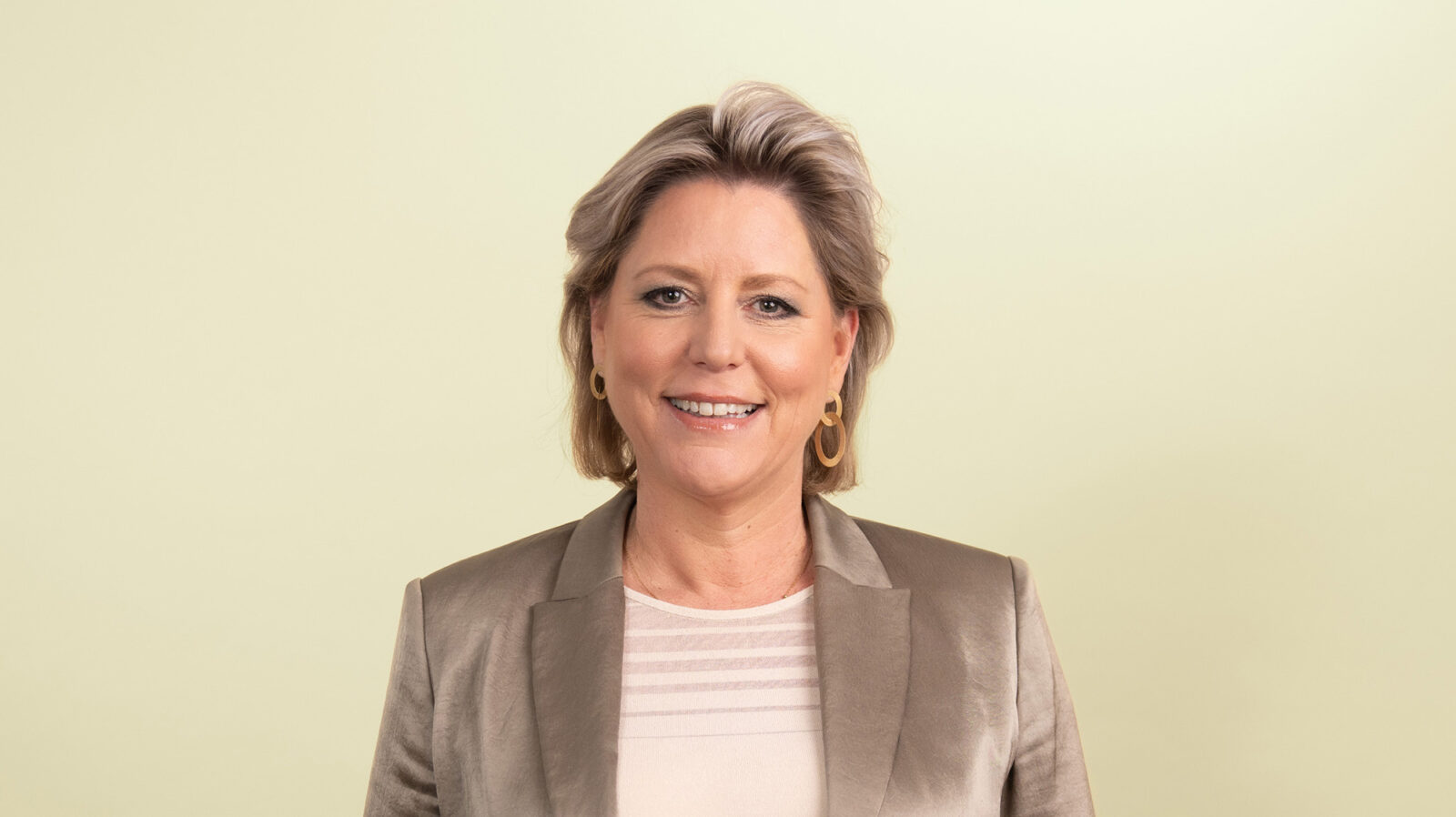
Rianne Letschert, the incoming minister of education, culture and science, made a meteoric career in academia and became a university administrator. She receives much praise for her style.
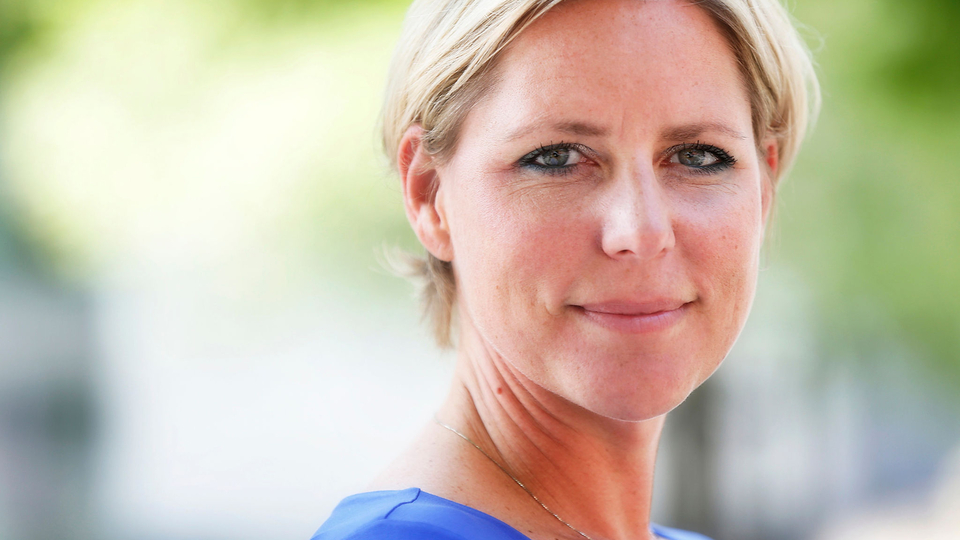
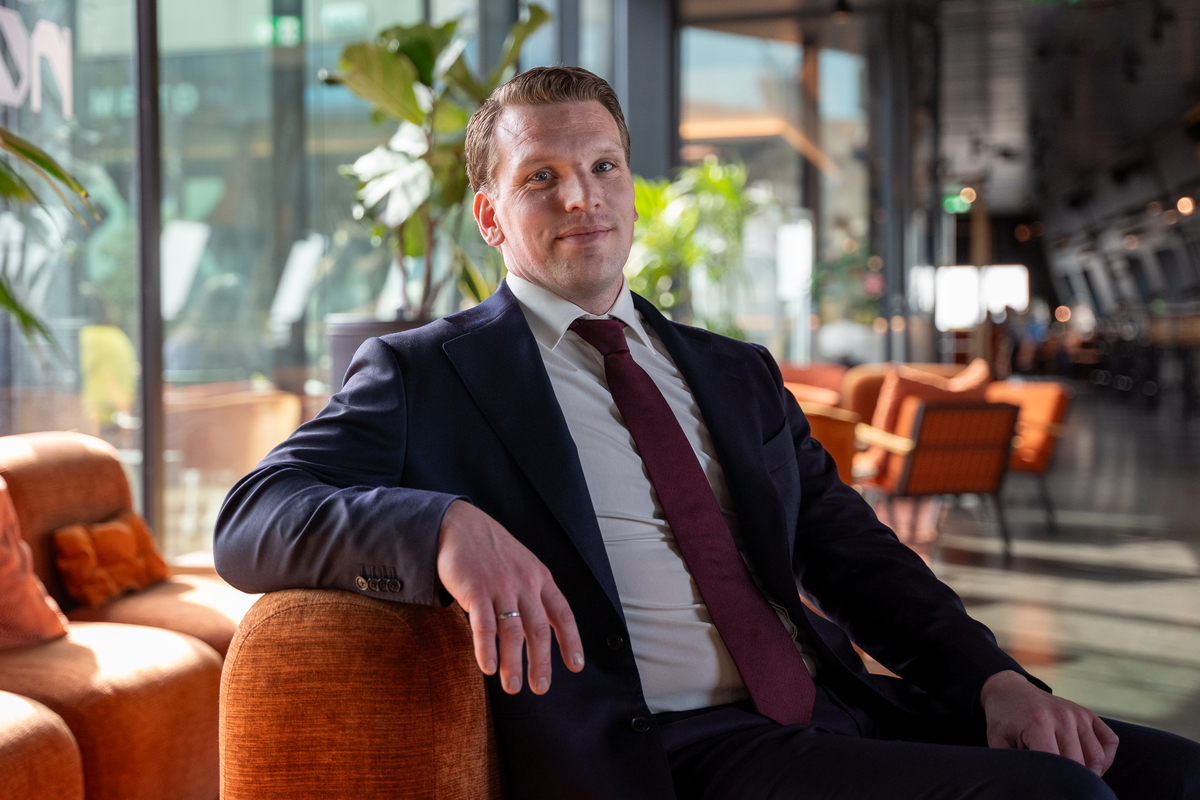
Rianne Letschert will be the new minister of education, culture and science.
Image by: D66
In December 2025 Rianne Letschert suddenly found herself in the spotlight of national politics. She was asked as informateur, leading the coalition talks between D66, CDA and VVD.
She received the request while she was in the car, she said during the press conference in which she introduced herself to journalists. “I almost drove into the crash barrier.” She found the assignment an honour, but also exciting.
One of the The Hague journalists asked about her style: how would she describe her way of working herself? Letschert replied: “Sharp on the content, not on the person. And warm in the relationship.” It may sound clichéd, but others say it rings true.
Victimology
Rianne Letschert (1976) grew up in Stiphout in North Brabant. She studied international law and then went into academia. In 2005 she completed her PhD in Tilburg on the position of minorities in international law. There she was appointed professor of victimology in 2012. She conducted research into victims of wartime violence.
In 2013 she became a member of De Jonge Akademie, a society of relatively young leading scientists who want to improve academia. Two years later she became its chair.
She had actually been due to become dean of Tilburg’s law faculty in 2016, as the next step in her career, but then she was offered the position of rector magnificus at Maastricht University. She did not turn down this opportunity. At 39 she became the youngest female rector magnificus ever. In 2021 she shifted seats and became chair of the Executive Board.
'She has charm, but she is also simply very clever'
Free press
Letschert is friendly and attentive, says editor-in-chief Wendy Degens of the Maastricht university paper Observant. “A university employee had lost her mother. Letschert knew that and on the next Mother’s Day she sent a message to offer her condolences.”
Moreover, Letschert holds the free press in high regard. “We occasionally write critical stories that she doesn’t like”, says Degens. “She sometimes reacts to that, but it has never had any consequences. We can be the ‘watchdog’ and she is always willing to talk to us.”
Observant wanted to send a weekly newsletter to all students and staff, but previous administrators were not willing to arrange that. Letschert approved straight away, Degens says.
As rector, she did not shy away from lobbying. Degens: “She travelled to The Hague a lot to talk about internationalisation. For that she received support from across the region: mayors, the province and other educational institutions. She has charm, but she is also simply very clever. She sees things she wants to tackle and heads straight for them.”
Een lijst met artikelen
-
Letschert will become minister of Education
Gepubliceerd op:-
Politics
-
A better academy
At De Jonge Akademie and later as an administrator she devoted much attention to ‘recognition and reward’, in other words the ideal that academia should be more than a contest to see who can publish the most articles in prestigious journals. Researchers can also have other talents, for example leadership, teaching or sharing knowledge with society. You should be able to choose different career paths.
In her own field, Letschert saw the consequences of rigidly counting scientific publications. Writing annotations on case law was hardly appreciated anymore and had become a hobby, said she in 2015 at a meeting on evaluation systems and careers in academia.
The problem is that discussions about the system are often conducted by the system’s winners, Letschert observed. Once we’re in charge, she told her young fellow academics, we must do something about it.
Professor of philosophy Jeroen de Ridder (Vrije Universiteit Amsterdam) remembers her from those days, although he joined De Jonge Akademie a little later. He became chair two years after her. De Ridder: “What I mainly remember is that she’s incredibly friendly. You might think: administrators are ‘important’ people who talk to other important people, but she wasn’t like that. She took plenty of time to get to know new members of De Jonge Akademie and the conversations were always pleasant, entertaining and informative.”
Even after she left the society and became rector, she wanted to catch up with him every few months for an hour about De Jonge Akademie’s plans and projects. De Ridder: “That is remarkable. As a rector you really have to free up your diary for that.”
And Letschert didn’t let go of her ideals. Once ‘in charge’ in Maastricht, she continued to fight for ‘recognition and reward’. “A department simply needs different types of people, with talents in research, teaching, leadership and societal impact”, she explained in 2020. “A football team doesn’t only consist of strikers or goalkeepers.”
Hack
Serious incidents have been plenty over the past ten years at Maastricht University. For example, the hostage-taking of the IT systems by hackers. The university yielded to the blackmail and paid ransom in bitcoins. The calculation was that the damage would otherwise be too great. Years later, thanks to police work, the bitcoins were returned to the university and turned out to have increased in value.
And then there was the Covid crisis. Under her leadership Maastricht University decided, the first in the Netherlands, to break into the financial reserves. Letschert: “We must invest now and free up reserves. Those reserves are precisely meant for times of crisis.”
There were also, as at other universities, many protests and occupations in Maastricht recently. A talk by a pro-Israel speaker was disrupted by demonstrators and the university then decided to cancel another event for safety reasons. She faced fierce criticism for that.
At the same time Letschert ordered the eviction of a building occupied by pro-Palestinian demonstrators. She was also a member of the taskforce on combating antisemitism set up by the Schoof cabinet, partly because of the intense protests in higher education that had made Jewish students and staff sometimes feel unsafe.
'Then I'll be the scapegoat from time to time, but I hope the perception will really start to change'
Scapegoat
Over the years she became politically active and joined D66. In 2018 she forged a municipal executive in Maastricht in negotiations between parties with very different views: CDA, D66, VVD, GroenLinks, SP and the Seniors’ Party.
She does stand out from the crowd. In 2019, for example, she was voted top woman of the year, and that did not come out of the blue: she had been approached before and this time accepted the nomination. “Look, it’s not my ambition in life to be in the spotlight, but now I thought: I’ll do it, I can show what I can do”, said she to Observant. “Then I’ll be the scapegoat from time to time, but I hope the perception will really start to change: more women in high positions and a different tone in the debate about working women.”
Within D66 appreciation for her style grew – at least with party leader Rob Jetten. She had already been approached for a role in the Rutte-IV cabinet, but it came too early then. She turned it down.
But it was no secret that she would like to be a minister. “The ministry is a dogs’ job, not an honorary post”, said Letschert last August in the daily De Limburger. Still she was willing: “If everyone lets the difficult jobs pass them by, we won’t get any further.”
So when she became informateur, everyone could guess she wanted to become minister of Education, Culture and Science for D66. On 23 February she will stand on the steps with her fellow ministers and can show whether her much-praised style will achieve anything in the polarised politics of The Hague.
Read about her predecessor
-
Farewell message Moes: Politics must interfere in range of courses
Gepubliceerd op:-
Politics
-
De redactie
Comments
Comments are closed.
Ad
Read more in Politics
-

Translator: Suspended Palestinian student did not say ‘this is me’
Gepubliceerd op:-
Politics
-
-
Knowledge institutions warn against the Netherlands’ frugal approach in Europe
Gepubliceerd op:-
Internationalisation
-
Politics
-
-
Minister sees ‘major problem’ looming: will there be too few international students soon?
Gepubliceerd op:-
Internationalisation
-
Politics
-