Ad

Support funds for Covid lockdowns well spent in higher education
To soften the impact of the Covid lockdowns on education and research, the government at the time provided 2.7 billion euros in support. That money was effectively spent, outgoing minister Moes concludes based on a final evaluation.
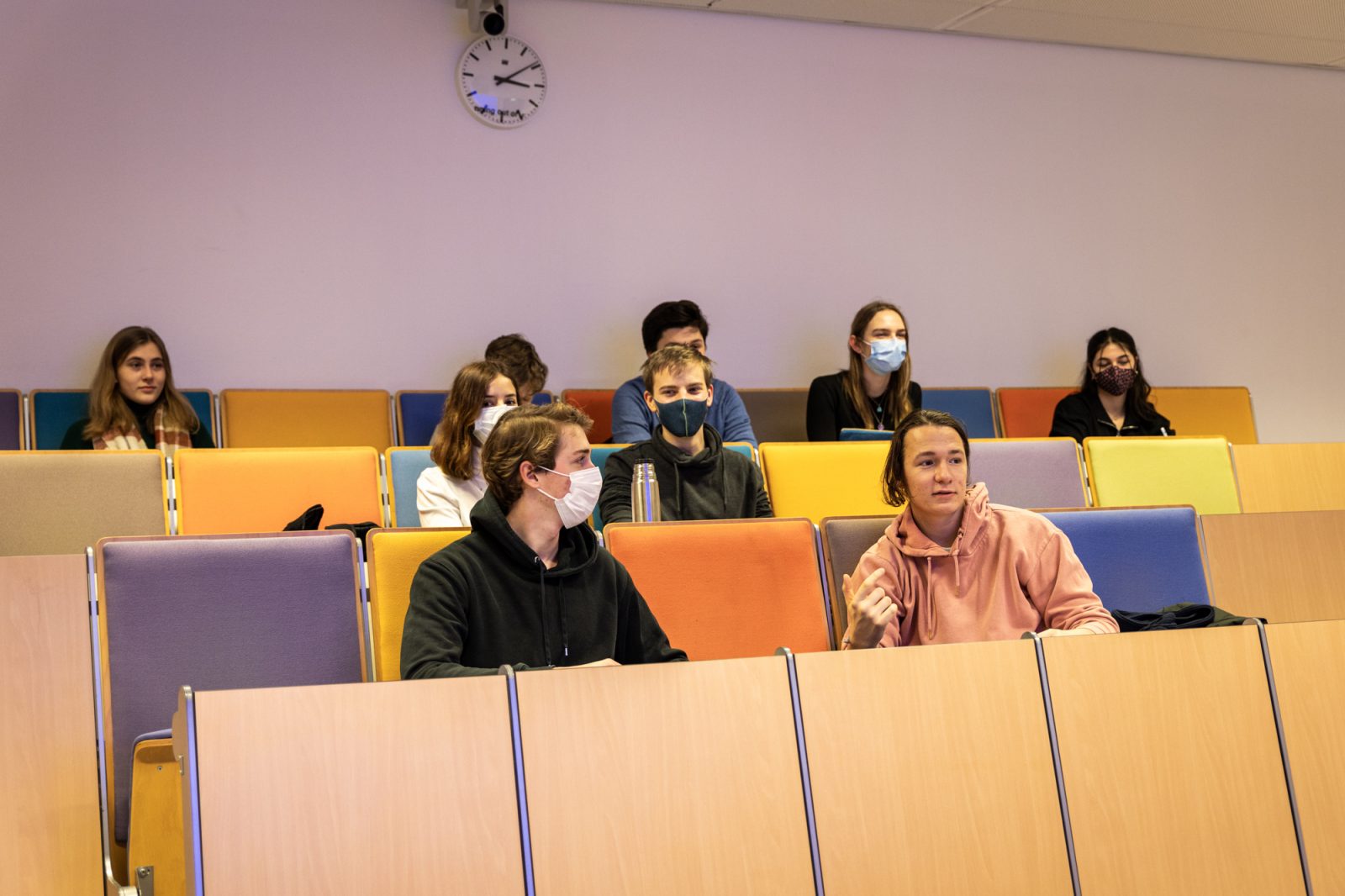
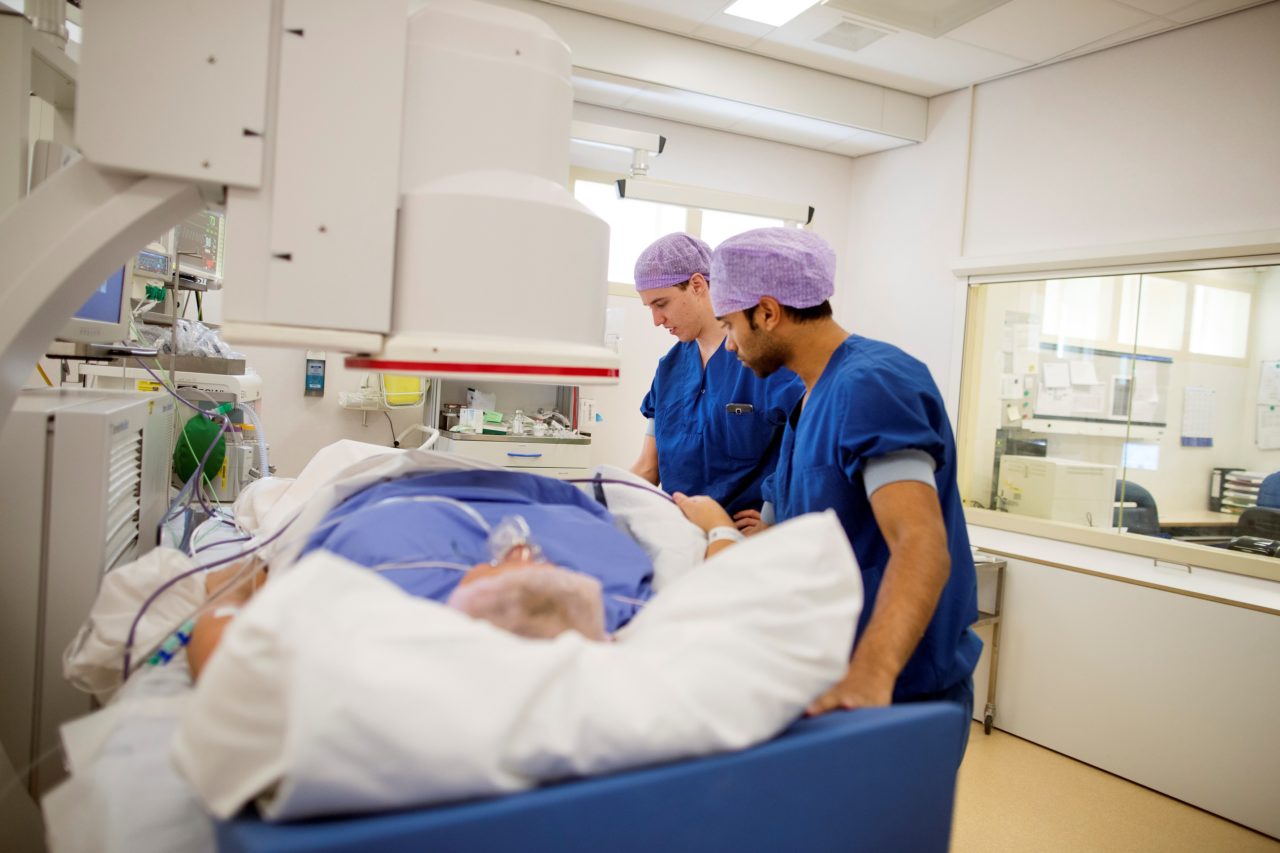
Image by: Wouter Sterrenburg
Nearly six years ago, the coronavirus reached the Netherlands. Education suddenly moved partly or entirely online. As a result, students and researchers experienced delays, and their mental wellbeing came under severe strain.
To address this, the government decided in spring 2021 to make a one-off investment of 8.5 billion euros through the National Education Programme (NPO). Of that, 2.7 billion was allocated to senior secondary vocational education (mbo), higher education and researchers on temporary contracts.
Around 1.1 billion of this sum was used to provide financial support to students, including halving tuition fees for the 2021/2022 academic year and extending the right to free public transport for an additional year.
The rest of the money went to educational institutions. They were compensated for the higher number of students in the first Covid year, as fewer young people chose to take a gap year at that time. In addition, they could use the money at their own discretion to keep education and research running as smoothly as possible and to promote student wellbeing.
Effective
The Ministry of Education, Culture and Science commissioned an investigation into how effective the Covid support had been. In a letter to the House of Representatives, outgoing education minister Gouke Moes writes that the investments ‘helped get students back on track’ and that many academics were supported “in completing their research during that difficult period”.
Moes refers to research conducted on his behalf. The report states that study delays caused by the pandemic have indeed been significantly reduced. Student mental wellbeing has also improved considerably since 2022. The Trimbos Institute recently reached the same conclusion.
Moes acknowledges that it is difficult to determine exactly how effective the NPO investments have been: no baseline measurement was carried out at the start of the crisis. Moreover, most students probably felt better naturally once the lockdown ended.
Vulnerable students
Not everything went smoothly. Some students – especially those struggling with more serious mental health issues – did need help, but did not receive it, the research shows. This affected around 15 percent in 2023. Moes stresses that educational institutions were already finding it difficult to reach this vulnerable group before the pandemic.
But all in all, the minister is positive about the support provided to students. “Help really does help”, he writes to the House of Representatives. Students who received help were almost half as likely to drop out as those who were not reached.
Lasting impact
Some 9,200 researchers on temporary contracts who faced delays due to the pandemic also received support: “This enabled science to retain young researchers who might otherwise have dropped out or failed to complete their research”, Moes said.
According to him, the NPO funding has had a lasting impact on education. There is now significantly more focus on the mental wellbeing of students, which is “closely linked to their motivation and study progress”.
Another positive outcome is the improved digitalisation of education. Since the coronavirus crisis, students who are ill or unable to attend in person for other reasons can still continue to access their education.
Lees meer
-

Coronavirus support: millions of euros distributed to higher education
Gepubliceerd op:-
Politics
-
De redactie
Latest news
-

18-year-old student dies after ‘hazing party’ in France
Gepubliceerd op:-
Student life
-
-
After a second compensation payment, that must be it for students who missed out
Gepubliceerd op:-
Money
-
Politics
-
-
Far-right extremists use campuses to normalise their ideas
Gepubliceerd op:-
Politics
-

Comments
Comments are closed.
Ad
Read more in Education
-
Solution for students who have to wait more than 50 weeks for medical internships
Gepubliceerd op:-
Education
-
-

National budget: extra money education and research, no unexpected cuts
Gepubliceerd op:-
Education
-
Politics
-
-
Long waiting times for medical internships also affect other cities
Gepubliceerd op:-
Education
-