Ad

Clinical Technology and Liberal Arts rated top programmes, law studies score low in Keuzegids

Erasmus University ends up at the bottom of the Keuzegids Universiteiten again this year. Law programmes in particular perform poorly once more, while Clinical Technology and Liberal Arts and Sciences are among the best programmes in the Netherlands.
Image by: Femke Legué
According to the Keuzegids 2026, Liberal Arts and Sciences (Erasmus University College) and the joint degree in Clinical Technology — a collaborative programme between EUR, Leiden University and Delft University of Technology — are among the top programmes in the country.
Sociology and History popular
Sociology scores well: with a total score of 72, it tops the national ranking. Students are satisfied with all aspects of the programme. History also performs strongly: with 68 points, it receives the highest score of all history programmes in the Netherlands. The content, the quality of the lecturers, and the overall atmosphere are rated particularly well.
Law studies rated low again
The outlook remains bleak for law programmes. Law and Tax Law score 41 and 42, respectively. Only the quality of the lecturers is rated as average; content, assessment, and atmosphere fall behind. Law students are especially critical of the way exams and assessments are conducted.
Utrecht once again best broad university
The Keuzegids distinguishes between ‘broad’ and ‘other’ universities. Broad universities offer a large number of degree programmes, whereas other institutions offer a smaller selection.
Utrecht University is once again the best broad university, followed by Nijmegen and Groningen. Among the other universities, the Open University ranks first for the first time, followed by Wageningen and the University of Twente.
Survey as basis
The rankings in the Keuzegids are based on the National Student Survey, in which 91,000 academic students assess their programme on aspects such as content, lecturers, assessment, atmosphere, and career preparation. Progression rates to the second year and graduation rates within four years also play a role.
De redactie
-
 Feba Sukmana
Editor
Latest news
-
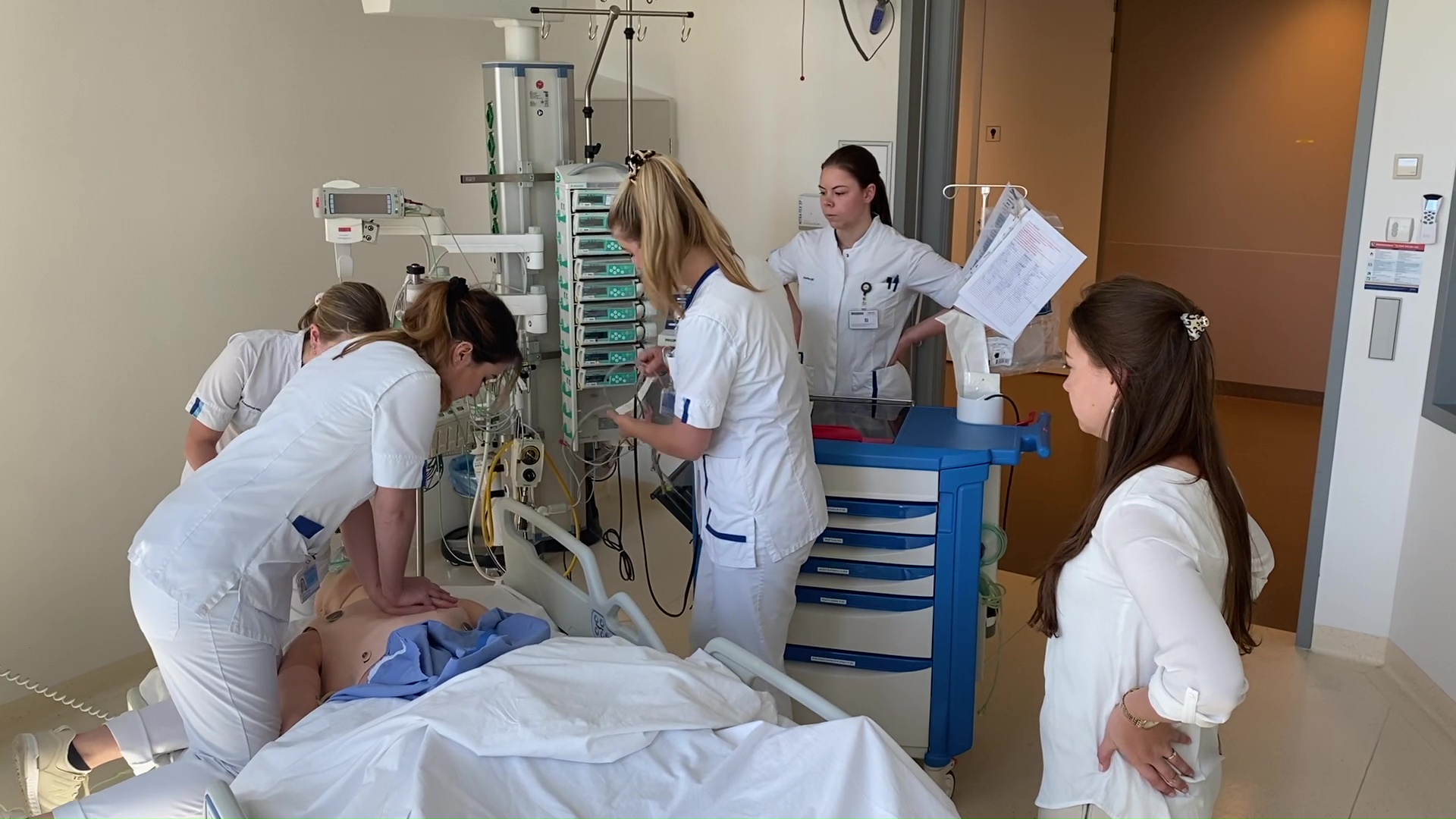
Desperate medical students are offering each other money to start their internships earlier
Gepubliceerd op:-
Education
-
-
Still a shortage of 20,000 student homes
Gepubliceerd op:-
Housing
-
-

‘With gadgets like Meta Glasses, we pay to be surveilled’
Gepubliceerd op:-
The Issue
-

Comments
Comments are closed.
Ad
Read more in Education
-
Desperate medical students are offering each other money to start their internships earlier
Gepubliceerd op:-
Education
-
-

AI in thesis is not always fraud, rules highest education court
Gepubliceerd op:-
Artificial Intelligence
-
Education
-