Ad

Protest at Schoof’s speech in Twente
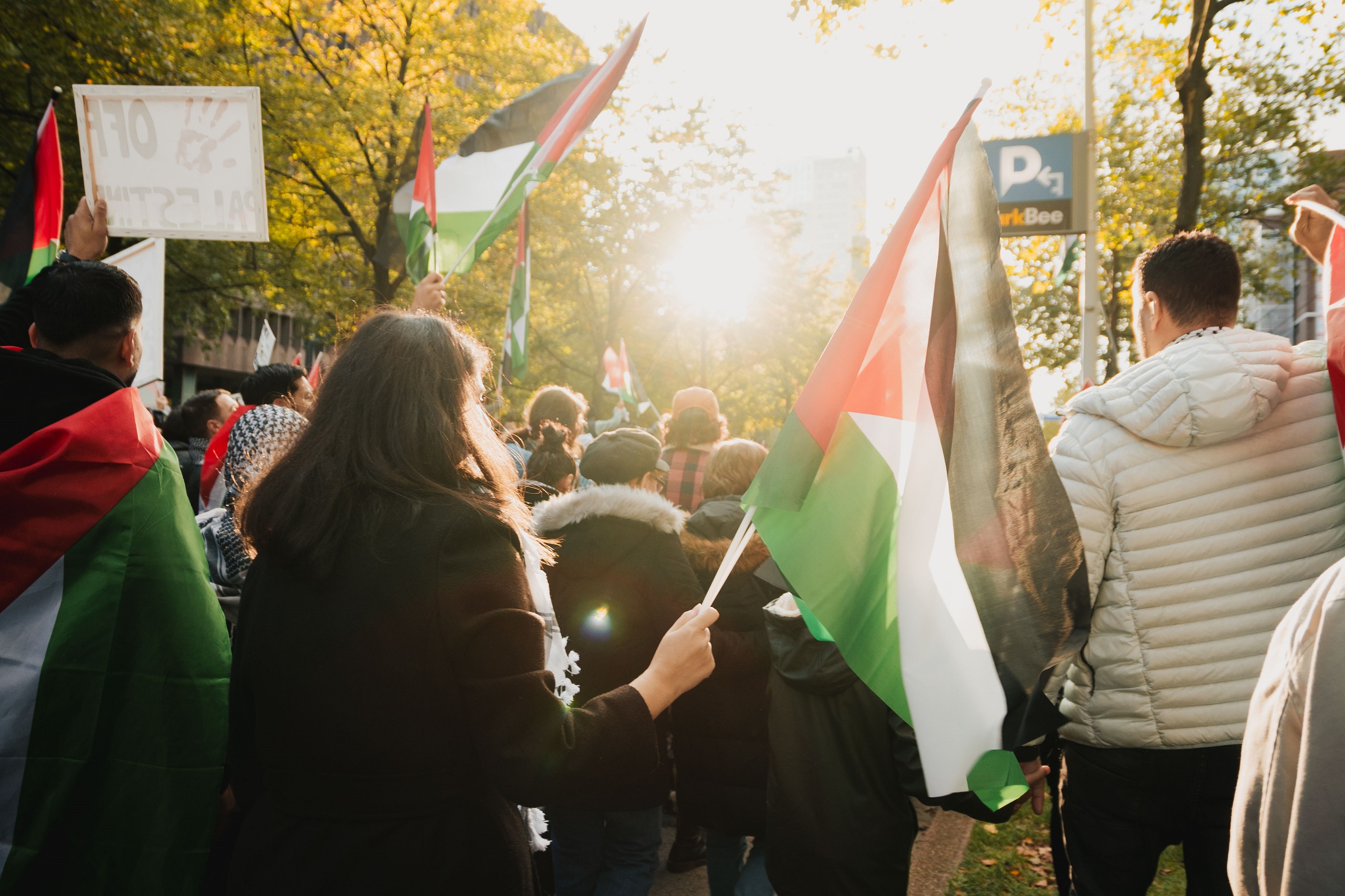
In Enschede, demonstrators were removed from the hall during the opening of the new academic year. They were protesting against the presence of outgoing prime minister Dick Schoof. Activists were also removed from the opening in Eindhoven.
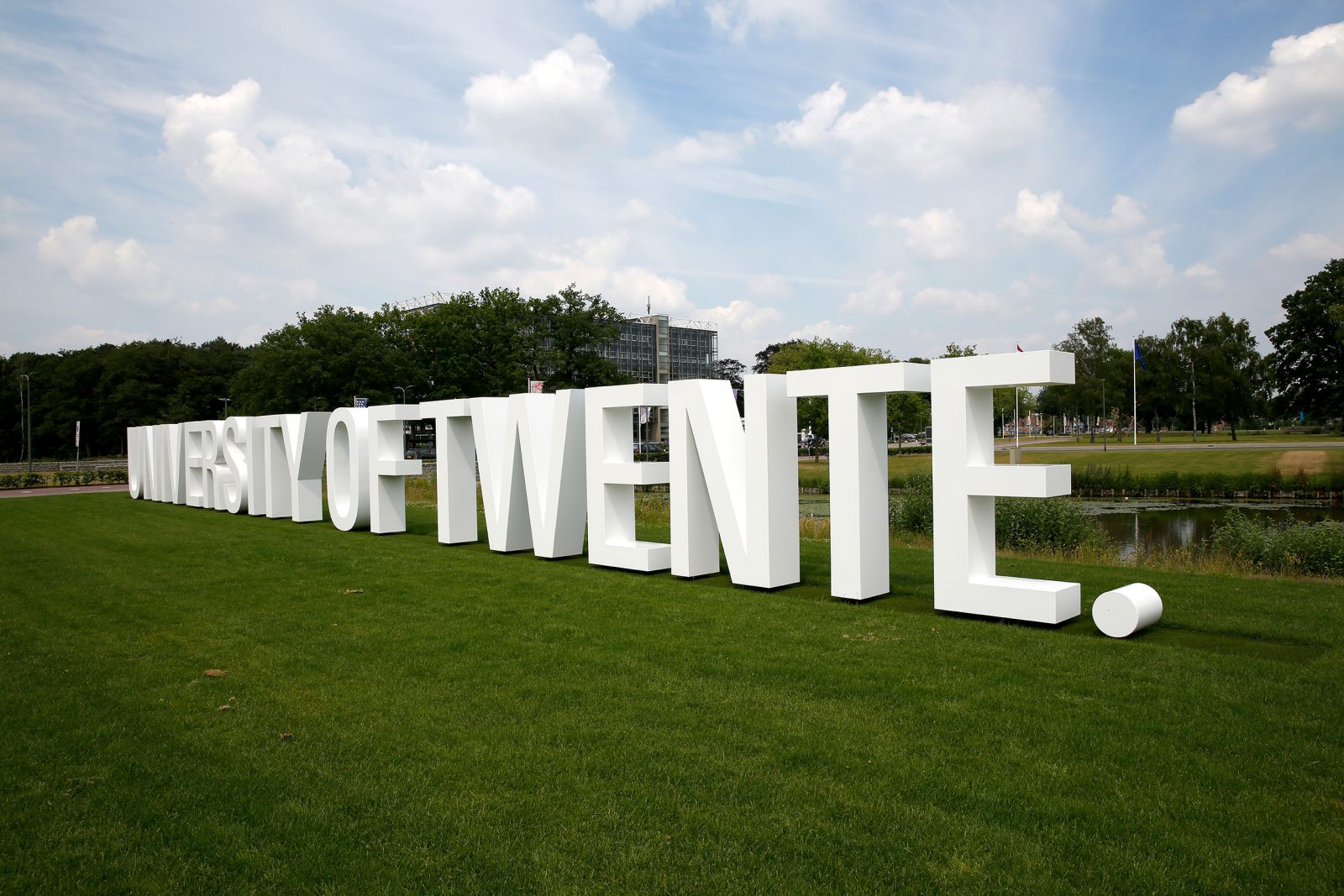
Image by: University of Twente
Before the opening of the academic year at the University of Twente, Schoof spoke briefly with activists who would rather not have seen him come. They were not the only ones. There were several dozen empty seats in the hall from staff and students who had deliberately stayed away.
The demonstrators made themselves heard in the hall, U-Today writes. They shouted to disrupt the speech. Not everyone supported that. A call from the moderator to listen to one another was met with applause.
‘I understand’
The demonstrators are angry about populism, the cuts and the war in Gaza, where the cabinet is said to be doing too little. Schoof could do little other than show understanding. “I know that my presence is not well received by everyone”, he said in his speech, “and I understand that.”
But Schoof also defended the cabinet’s line, including the cuts. “Politics is a matter of dividing scarcity.” He pointed to shifts in global power and the need to strengthen the armed forces. There are defence companies in Twente and research is being done into the newest types of computer chips. Investing in that is also good for the university, he said.
His host, the Twente Executive Board chair Vinod Subramaniam, told the prime minister that cuts to science have major consequences. “If you think knowledge is expensive, you should look at what stupidity costs”, he fumed.
More protest
There were also protests in Eindhoven. At least four demonstrators were dragged out of the hall by police officers when outgoing minister of defence Ruben Brekelmans was speaking there. They raised their voices against the “genocide” of Israel in Gaza.
Normally the minister of education is also present somewhere at the opening of the academic year. Thus last year Eppo Bruins explained his brand-new cuts to a critical audience in Rotterdam. But Bruins resigned two weeks ago.
Dijkgraaf
His predecessor Robbert Dijkgraaf spoke in Groningen. He accused the current cabinet of short-term thinking. “Governments are increasingly looking at science through the narrow lens of economic competitiveness.”
Dijkgraaf did have a few suggestions for his successor: three per cent of gross national product should go to research and that research should be steered more at European level. He is positive about a kind of European ‘sectorplannen’, in which countries make agreements on research priorities.
Dijkgraaf sees that China is becoming increasingly authoritarian and the US is shooting itself in the foot. In a way that also offers opportunities for European science, he thinks. Especially if the EU manages to rise above populist tendencies. “Perhaps that European slowness in this context is a blessing rather than a plague. The EU can provide stability, above the volatility of national politics.”
Future
Criticism of the cabinet also came through in other speeches. In Utrecht Executive Board chair Anton Pijpers said that the cabinet’s cuts “undermine the future of the country”. Other administrators also voiced such criticism, in stronger or milder terms.
But another important theme was the public support for science. Recently the Rathenau Instituut reported that trust in science is relatively high and has risen slightly. But that is an average: people with trust have become more enthusiastic, while meanwhile a significant group reports less trust in science.
So the executives are worried after all. This afternoon Erasmus University Rotterdam presented a strategy with which it wants to win back trust. “Because that is under pressure everywhere in the world, also in the Netherlands, don’t be mistaken”, said Executive Board chair Annelien Bredenoord. She wants the university to be more engaged with society.
Also Peter Paul Verbeek, rector magnificus of the UvA, observed that “the social value of science has become less self-evident than it long was”. His university wants, among other things, to reformulate the UvA’s ‘community values’. That should help ensure that the university remains a “pleasant and safe place”, despite the many demonstrations, also for students of Jewish descent who, according to him, have felt less at home.
Read more
-
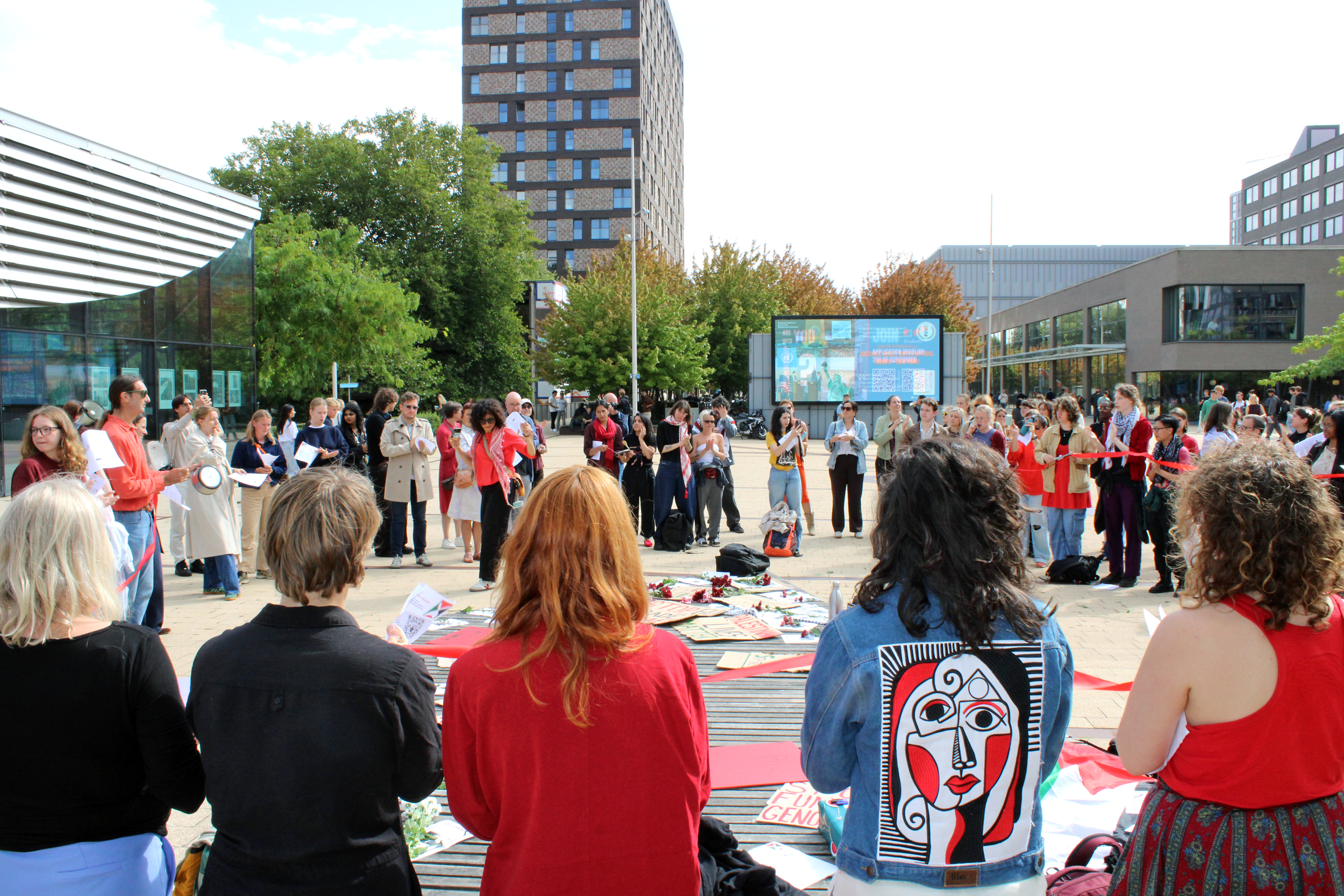
Academic year begins with several protests
Gepubliceerd op:-
Protest
-
De redactie
Latest news
-
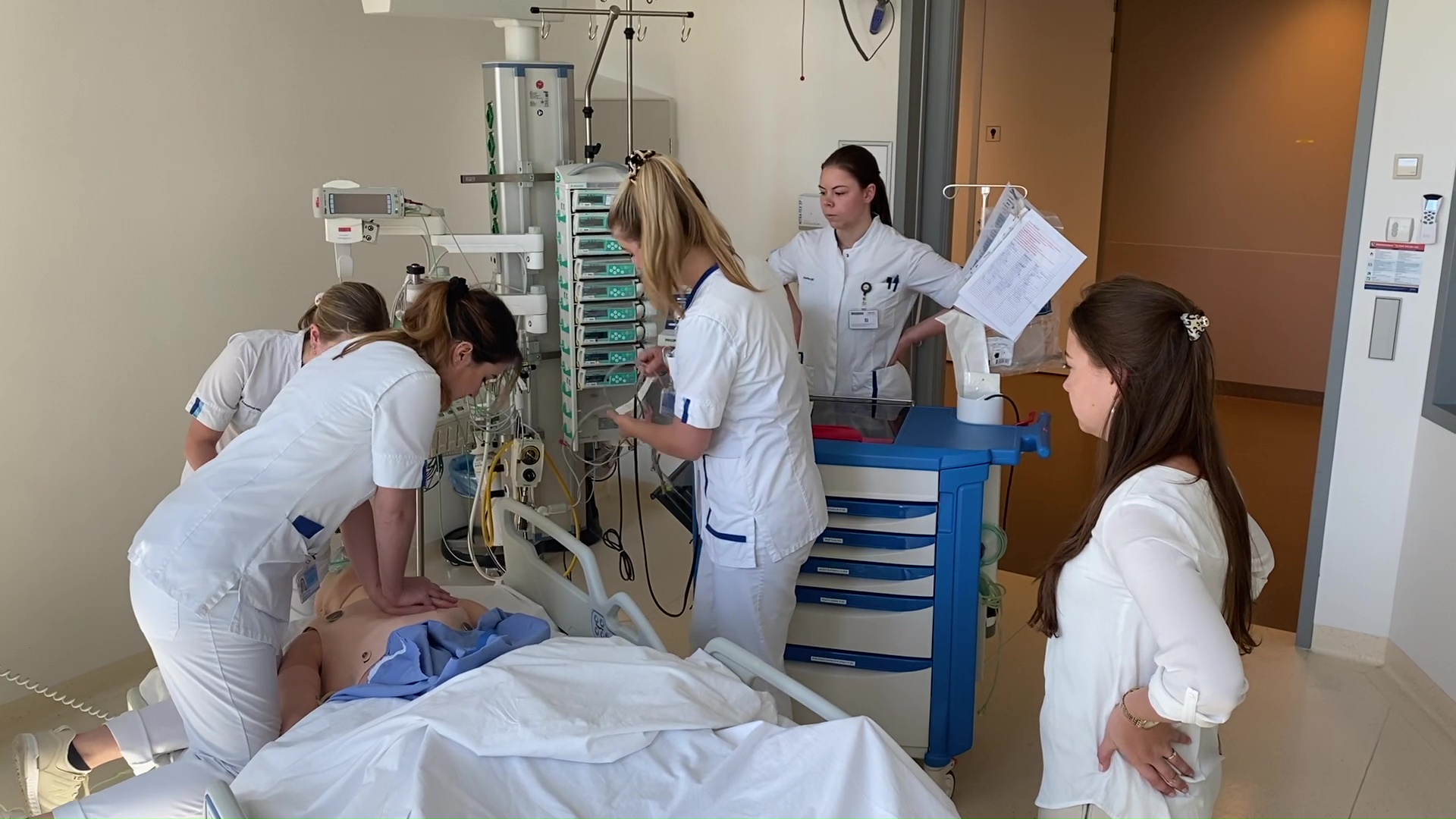
Desperate medical students are offering each other money to start their internships earlier
Gepubliceerd op:-
Education
-
-
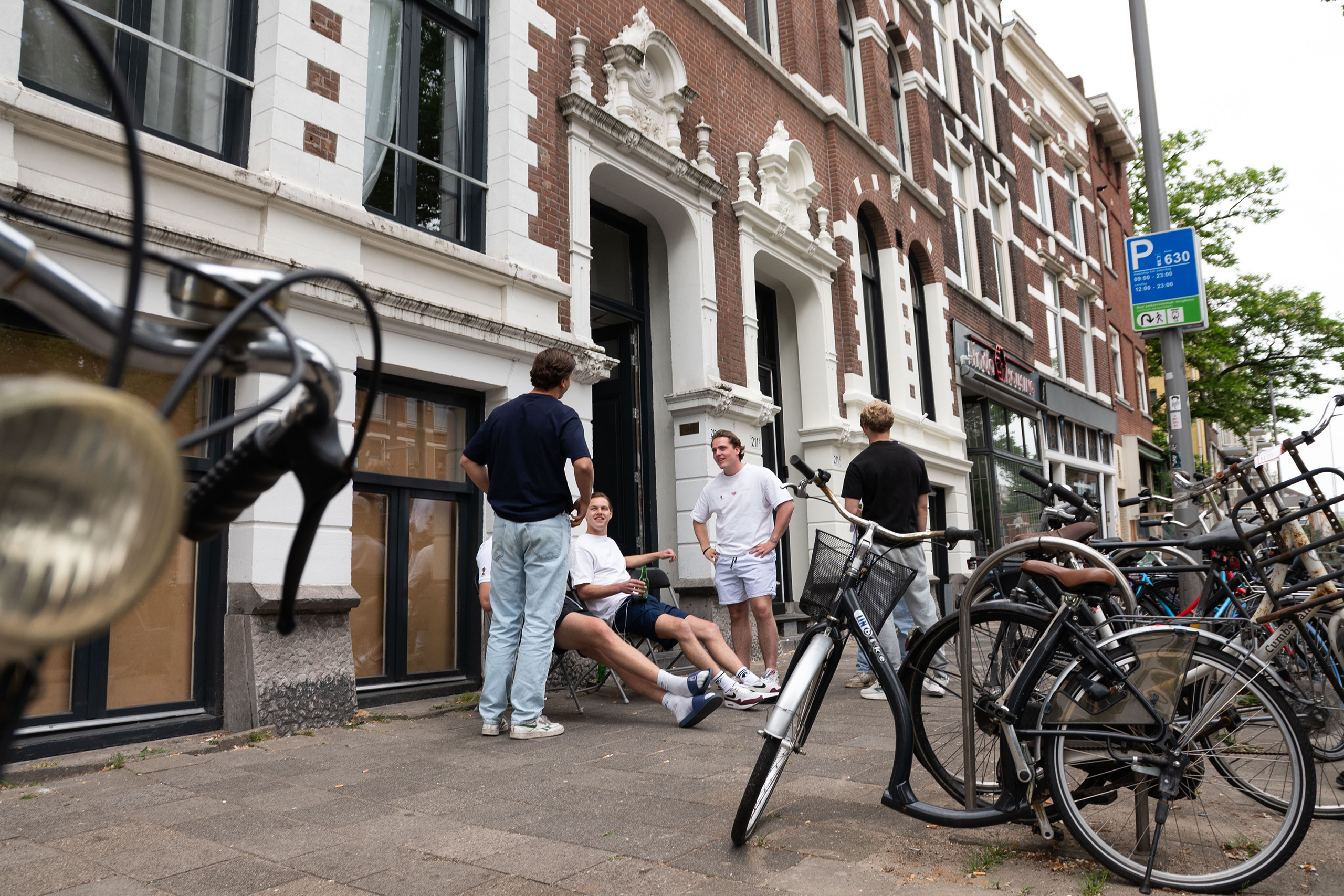
Still a shortage of 20,000 student homes
Gepubliceerd op:-
Housing
-
-

‘With gadgets like Meta Glasses, we pay to be surveilled’
Gepubliceerd op:-
The Issue
-

Comments
Comments are closed.
Ad
Read more in Protest
-
TU Delft will no longer pass activists’ names to police
Gepubliceerd op:-
Privacy
-
Protest
-
-
Pro-Palestinian protests in student cities
Gepubliceerd op:-
Protest
-
-

Protest on campus against diplomacy with Iranian regime
Gepubliceerd op:-
Protest
-