Ad

Minister wants institutions to better explain selection procedures

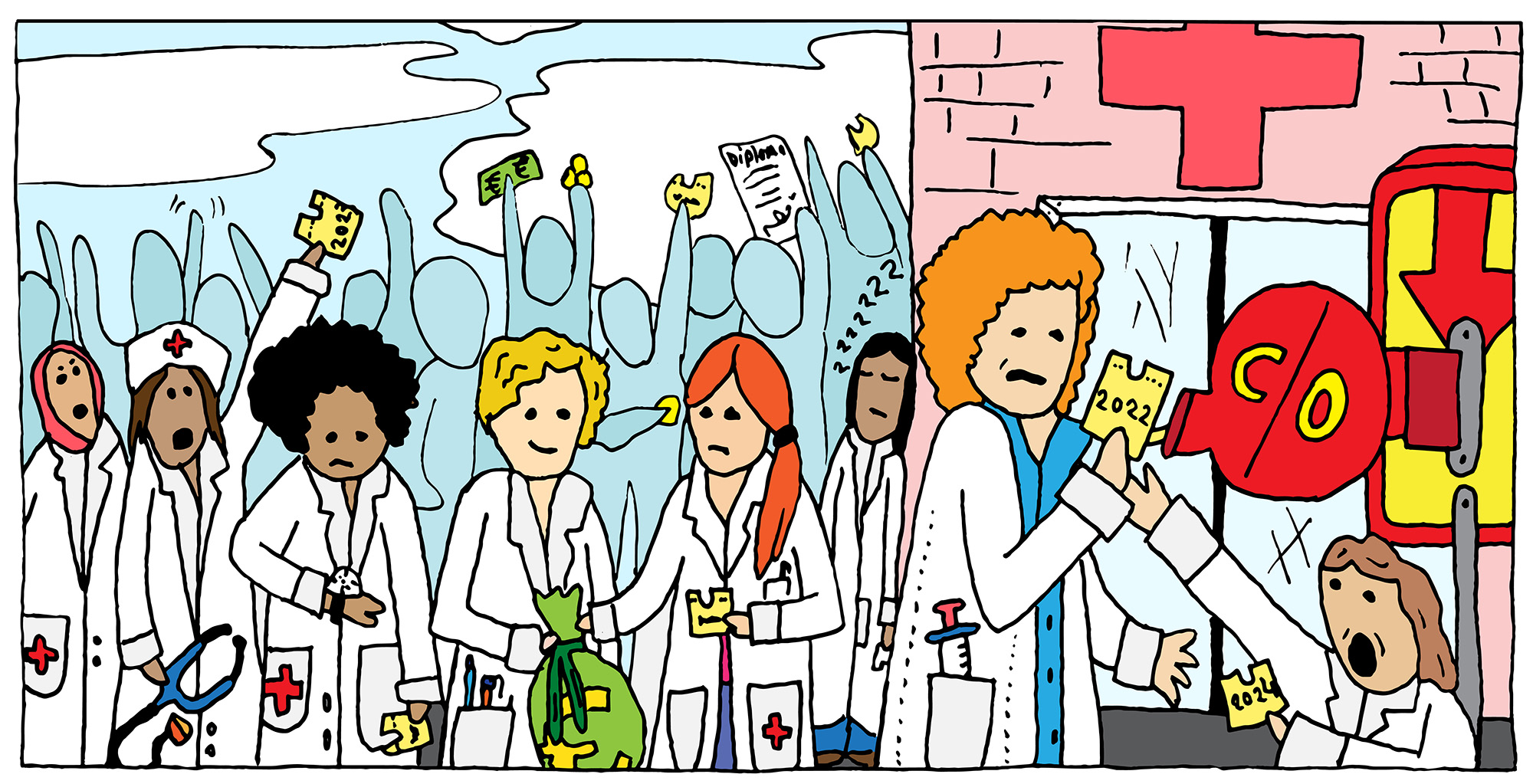
Education minister Eppo Bruins is going to require higher education institutions to explain their admissions procedures. The rationale behind selection criteria is often unclear, even though they can undermine equality of opportunity.
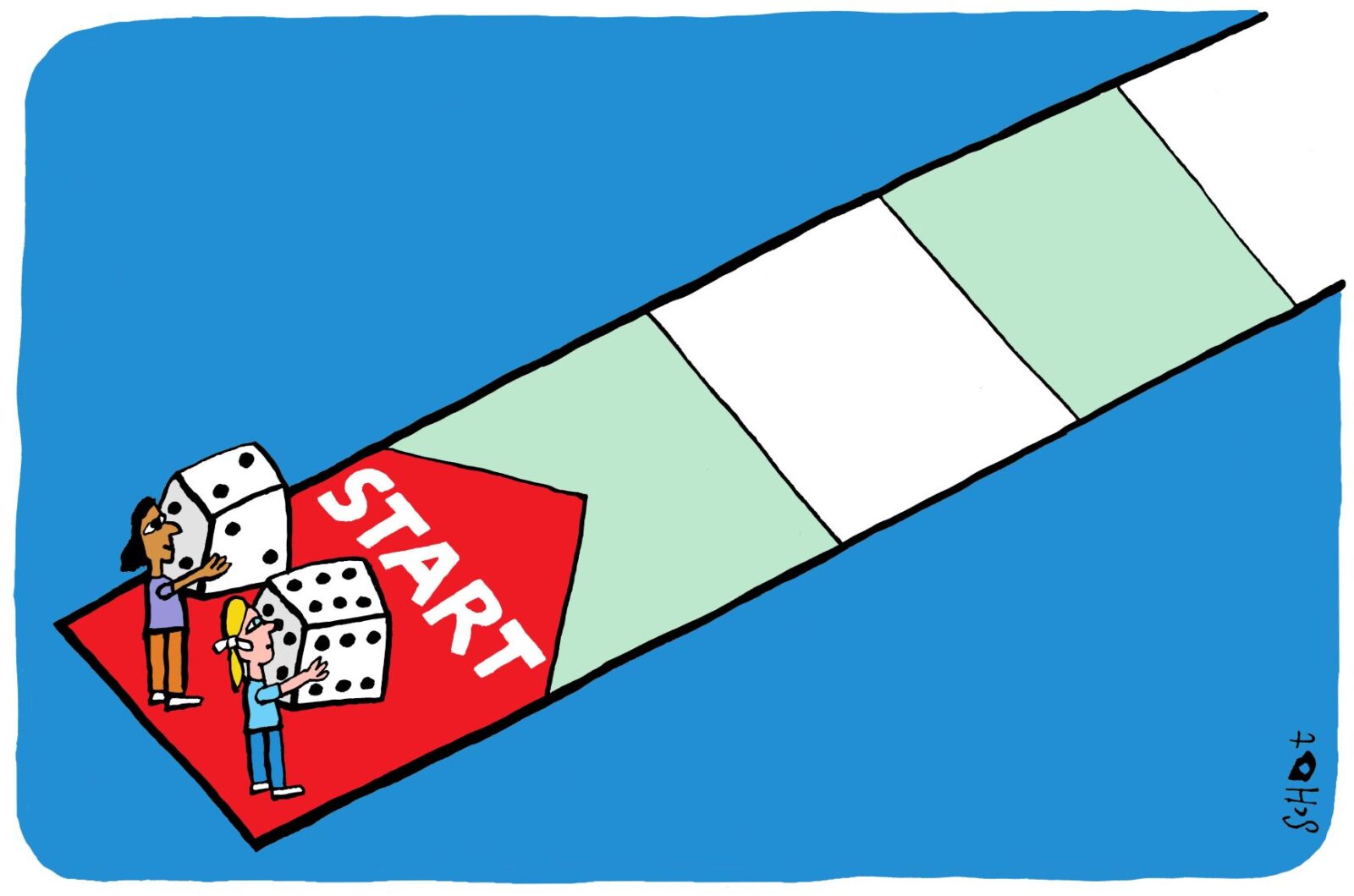
Image by: Bas van der Schot
Some degree programmes admit only a limited number of students. Well-known examples include medicine, architecture and psychology at research universities, and midwifery, physiotherapy and applied psychology at universities of applied sciences.
Time and again, the selection procedures for these programmes have been shown to lead to inequality of opportunity: some groups of students are admitted at lower rates than others. One determining factor is whether or not their parents can afford selection training.
Does selection actually work? The Inspectorate of Education found that many programmes lacked a structured approach and were unable to clearly explain their admissions process.
Explanation lacking
In a letter to the House of Representatives, Bruins argues that institutions should ‘obviously’ be able to properly substantiate their selection procedures and regularly check for biases. “In practice, however, this explanation of the criteria and tools used is often still lacking.”
This is why he’s going to make it a legal requirement for all higher education programmes to explain the reasoning behind their admissions procedures. This explanation also has to be made publicly available so that participation bodies can adequately fulfil their advisory role.
Lottery
Before 2000, programmes were only allowed to cap enrolment by allocating places through a lottery system. After that, they were able to select half of their incoming students based on a variety of self-imposed criteria: besides GPA, things like motivation and personality also came into play. The lottery system was abolished altogether in 2017 due to a perceived lack of fairness.
As it turns out, though, selection doesn’t produce fair outcomes either, which is why lotteries are now making a tentative comeback. For the 2025-2026 academic year, programmes will once again be allowed to admit students on the basis of random selection.
“In the 2025-2026 academic year, 26 programmes will use a lottery system”, writes Bruins. This includes the medical programme at the University of Groningen.
No preferential treatment
Bruins does not want certain groups to receive preferential treatment based on their background, for instance to make it easier for people from migrant backgrounds to be admitted to medical programmes. This is sometimes referred to as positive discrimination, affirmative action or corrective selection.
Lees meer
-

House of Representatives supports return of lottery system
Gepubliceerd op:-
Campus
-
De redactie
Latest news
-
Students and staff join the Pride March: ‘We must stand up for this community’
Gepubliceerd op:-
Diversity
-
-

EM TV newsflash: Too many internationals, too many information platforms and more collaboration with the military
Gepubliceerd op:Article type: Video-
EM TV
-
-

18-year-old student dies after ‘hazing party’ in France
Gepubliceerd op:-
Student life
-


Comments
Comments are closed.
Ad
Read more in Education
-
Solution for students who have to wait more than 50 weeks for medical internships
Gepubliceerd op:-
Education
-
-

National budget: extra money education and research, no unexpected cuts
Gepubliceerd op:-
Education
-
Politics
-
-
Long waiting times for medical internships also affect other cities
Gepubliceerd op:-
Education
-