Ad

Defence interested in collaborating with higher education

More work placements, a permanent group of ‘military lecturers’ and more money for research. Defence embraces the advice to make more frequent use of knowledge within higher education institutions. This does require these institutions to improve their knowledge security.
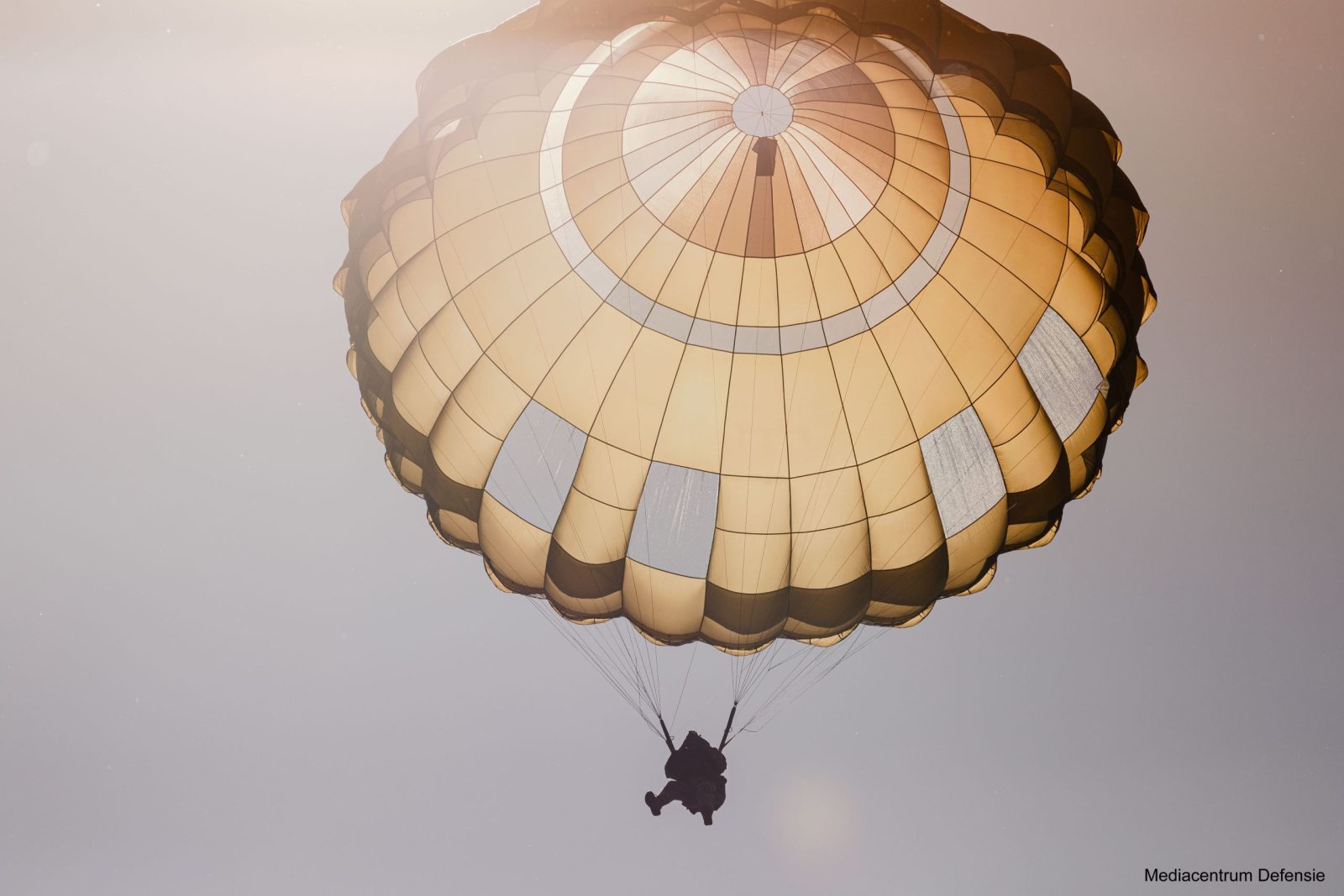
Image by: Mediacentrum Defensie
Higher education and the sciences should work together with the military more, said the Advisory Council for Science, Technology and Innovation (AWTI) last year. With their knowledge, students, teachers and researchers can make the Netherlands a safer place.
‘Win the battle’
The military can’t wait, reveals the enthusiastic response that Minister of Defence Ruben Brekelmans sent to the House of Representatives on Friday. The armed forces must ‘continuously build knowledge, learn and innovate’ to stay one step ahead of the enemy and “be able to win the battle”.
Brekelmans wants the military to be more open to new ideas from the knowledge sector, as advised by the AWTI as well. It can achieve this by offering more work placements or forming its own circle of lecturers. Brekelmans also wants to spend more money on defence research. And that’s not only for technology purposes, but also for ‘people and organisation’.
In spring, he will present a plan that includes a description of what the collaboration with higher education institutions could look like. Brekelmans hopes universities of applied sciences can conduct ‘action-oriented and operationally relevant research’. At research universities, he wants to monitor more closely what fundamental research is interesting from a military point of view.
Ties
The military’s outstretched hand comes at a difficult time for some scientists. In recent years, there have been many protests in the Netherlands against collaboration with Israeli universities, mainly because of their close ties with the military.
In November, Erasmus Magazine took stock of the first response to the AWTI advice at the Rotterdam university. Some said that working together with the military would be “hypocrite”, given the concerns about Israel. But others called upon researchers to help protect the ‘Western values, which are so essential to your work’.
Knowledge security
Brekelmans doesn’t go into the matter, but does have a different argument up his sleeve: money. Defence recently came into a bit of cash. In line with the AWTI advice, he wants to spend a larger portion of his budget on research. He can’t say how much exactly until spring.
In the meantime, higher education institutions should continue to work on the security of their knowledge, the minister warns. Scientists are used to making their work public, but an innovative idea for the Dutch military mustn’t be leaked to the enemy.
This also applies to knowledge that’s not military in nature but can be utilised as such (dual use). Brekelmans is already talking to higher education about a kind of standard agreement, so Defence can adopt an open attitude towards researchers without having to worry knowledge ends up in the wrong hands.
Read more
-
Does the EUR community want to engage in defence research? ‘A terrible idea!’
Gepubliceerd op:-
Let’s talk
-
De redactie
Latest news
-

18-year-old student dies after ‘hazing party’ in France
Gepubliceerd op:-
Student life
-
-
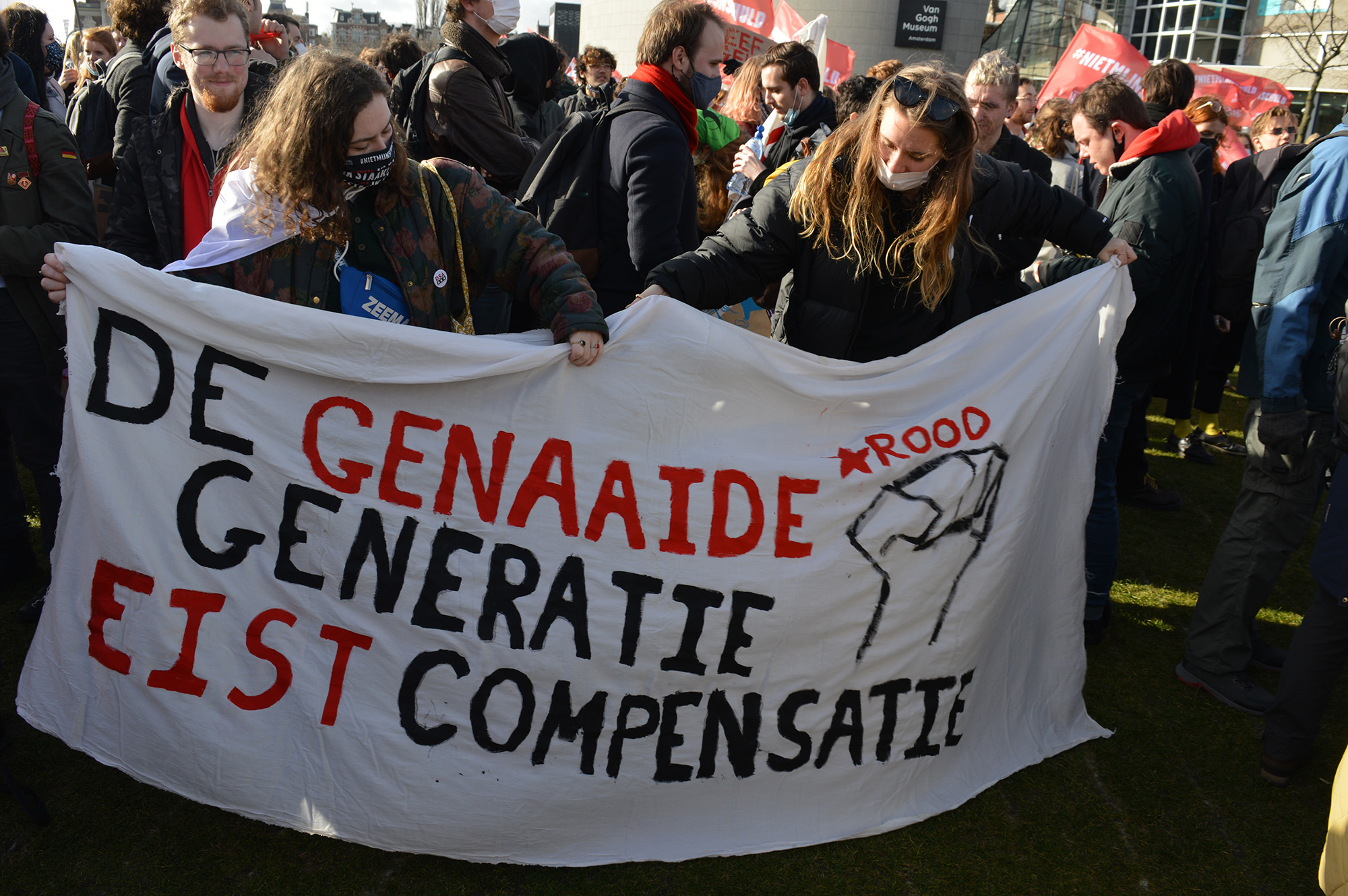
After a second compensation payment, that must be it for students who missed out
Gepubliceerd op:-
Money
-
Politics
-
-
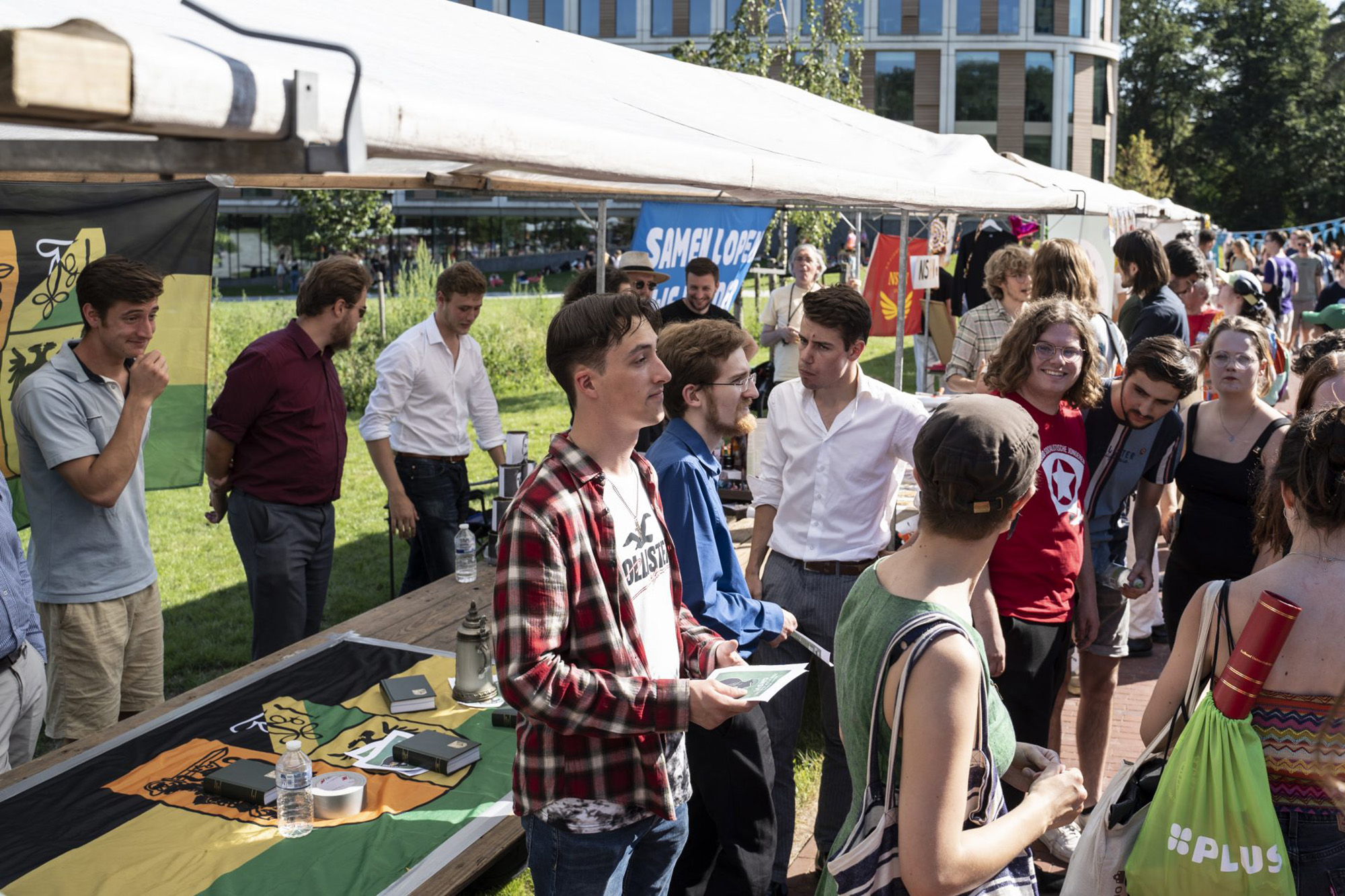
Far-right extremists use campuses to normalise their ideas
Gepubliceerd op:-
Politics
-

Comments
Comments are closed.
Ad
Read more in Science
-

Did your parents know what your sex life was like when you were eighteen?
Gepubliceerd op:-
Eureka!
-
-
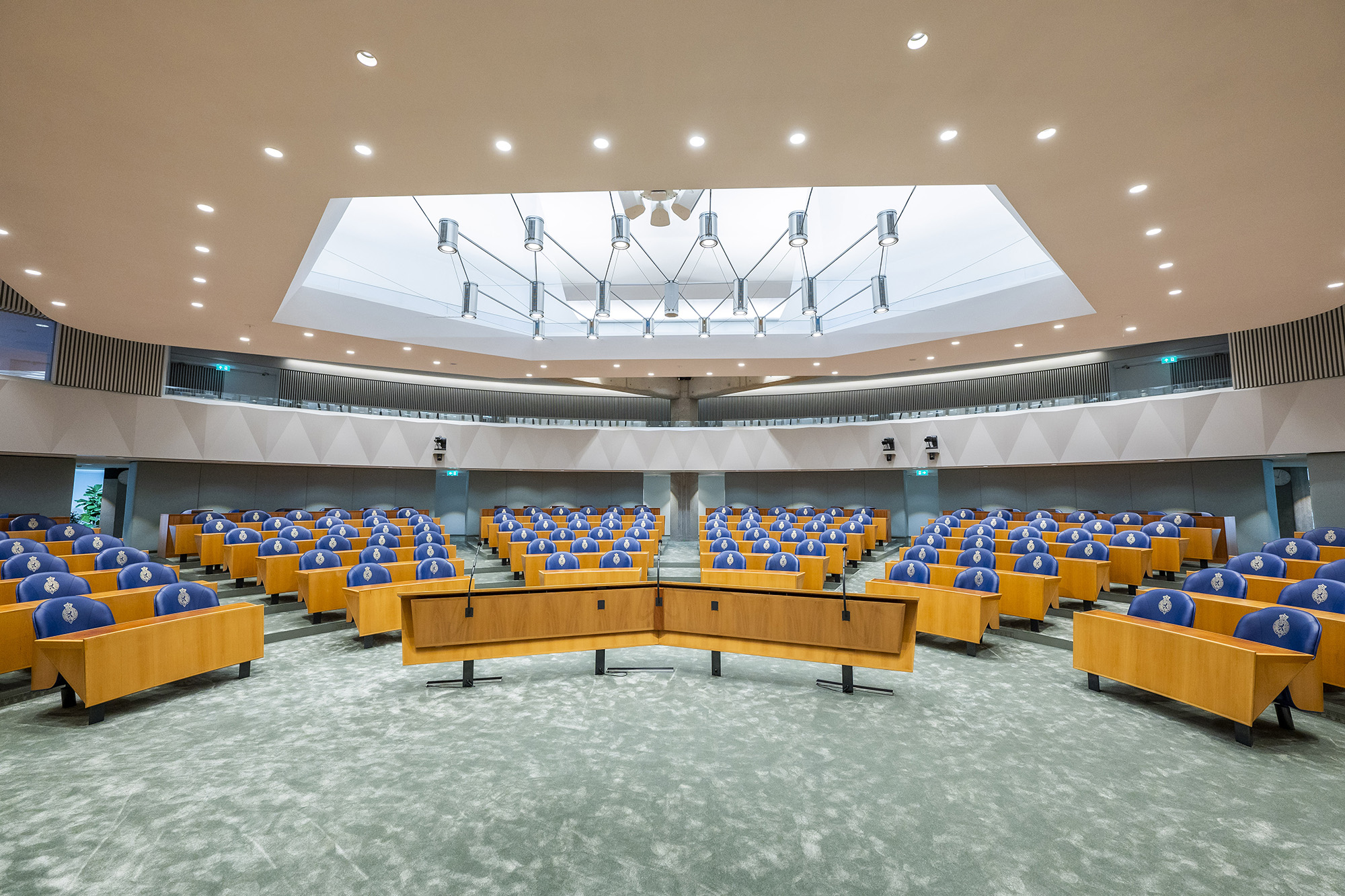
Universities must demonstrate their economic value, says House of Representatives
Gepubliceerd op:-
Politics
-
Science
-
-

Leaving money to a university? Many people do not know it is possible
Gepubliceerd op:-
Science
-