Ad

Innovation council: get the social sciences on board

When innovating and tackling society’s complex problems, specialisms such as psychology, law, sociology and cultural studies are crucial. That’s the view expressed by advisory council AWTI, which is calling on the government to take heed.
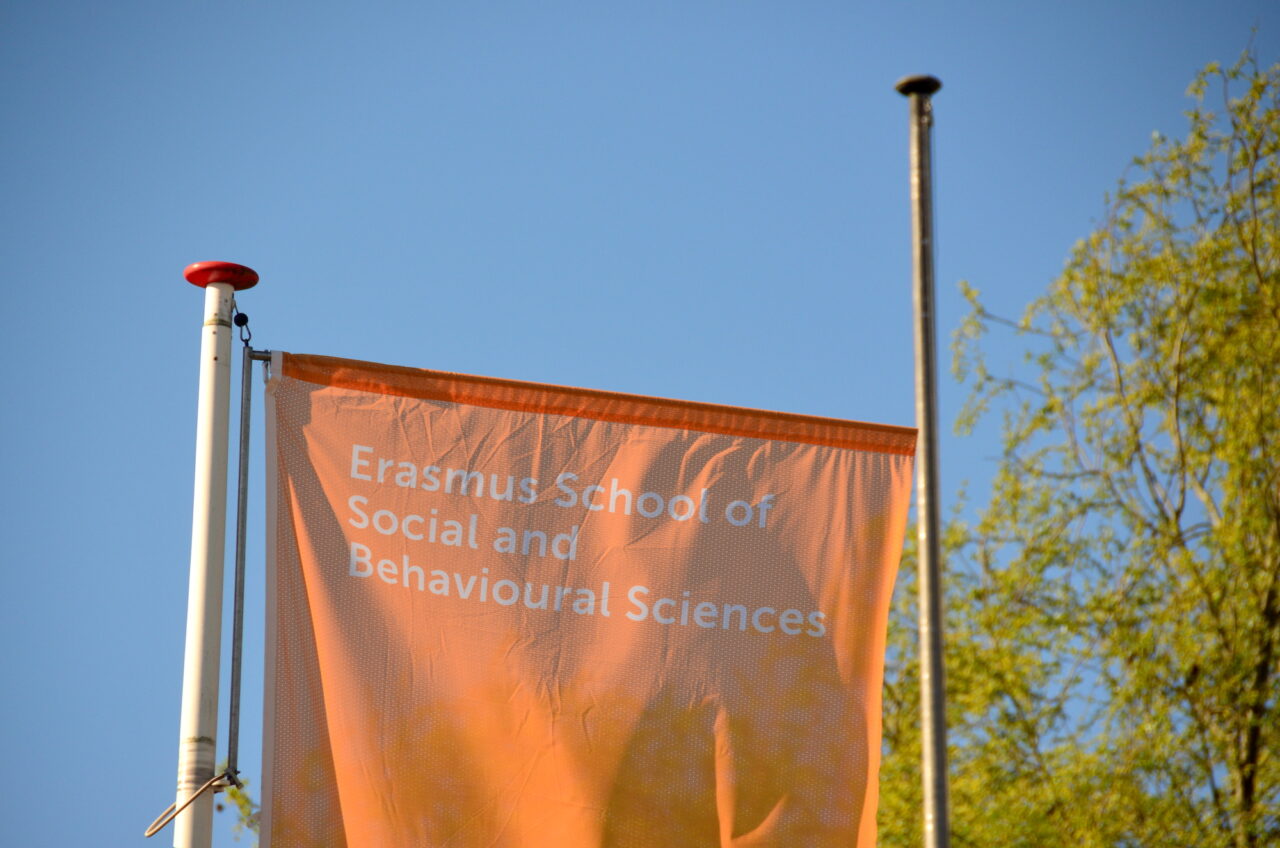
Image by: EM
In its latest report, the Advisory Council for Science, Technology and Innovation (AWTI) points out that the term ‘innovation’ is often limited to technological advances and scientific breakthroughs. But there is far more to innovation than that.
AWTI shines a light on research in the social sciences and the humanities. The council wants the government to give these disciplines a greater role.
Its report focuses on fields such as psychology, social studies, economics, law, cultural studies and philosophy. The council highlights a range of areas in which these fields can be of value, from the rise of AI to the energy transition and issues surrounding migration.
Nitrogen
AWTI’s report also examines the nitrogen crisis in the Netherlands. It observes that the Dutch government has opted for a largely technocratic approach to the crisis, geared towards cutting emissions and buying out farmers. Little attention was paid to factors such as rural identity and the mistrust generated by previous policies. Farmers’ rights and freedoms were also hardly discussed.
The Dutch response to the Covid pandemic is another telling example. The medical perspective prevailed, while the social effects were overlooked for too long. This led to educational setbacks for schoolchildren, elderly people who died in isolation, and fierce resistance to government measures among sections of the population.
AWTI advises the government to take a fresh look at innovation policy and ensure that the social sciences and the humanities have a part to play. “Current innovation policy takes too narrow a view of innovation”, the report argues. The council wants changes to research grant procedures that make it easier to include these fields.
Need for change
However, AWTI also believes that the social sciences and the humanities need to change and develop a stronger focus on innovation. They can also forge new and more frequent connections with the arts and design. Practical application should play a greater role in their teaching, as it does in degree programmes such as medicine. Perhaps they can take inspiration from universities of applied sciences, where this approach is second nature.
Read more
-

‘Academics should repeat each other’s experiments more often’
Gepubliceerd op:-
Research
-
Last but not least, government departments can also heighten their awareness of insights from the social sciences and the humanities in their work. This can help prevent policies from backfiring and remove obstacles to the implementation of promising solutions.
The AWTI report was presented to Robbert Dijkgraaf, outgoing Minister of Education, Culture and Science, who said a few appreciative words pending an official government response. One aspect he was able to endorse immediately was the plea to look beyond the boundaries of the exact sciences.
Run-up
For the purpose of its report, AWTI held a series of meetings with representatives from higher education, government departments and other institutions. These consultations achieved a great deal in their own right, says Eppo Bruins, chair of AWTI. “We make the greatest impact in the run-up to a report.”
De redactie
Latest news
-

EM TV newsflash: Shorter waiting time for medical interns, lively trade in graduation tickets and purchasing power increase
Gepubliceerd op:Article type: Video-
EM TV
-
-

In memoriam Rob van der Wal
Gepubliceerd op:-
In memoriam
-
-

Lively trade in tickets for graduation ceremony: ‘Excessive prices are undesirable’
Gepubliceerd op:-
Student life
-


Comments
Comments are closed.
Ad
Read more in Science
-

Did your parents know what your sex life was like when you were eighteen?
Gepubliceerd op:-
Eureka!
-
-

Universities must demonstrate their economic value, says House of Representatives
Gepubliceerd op:-
Politics
-
Science
-
-
Leaving money to a university? Many people do not know it is possible
Gepubliceerd op:-
Science
-